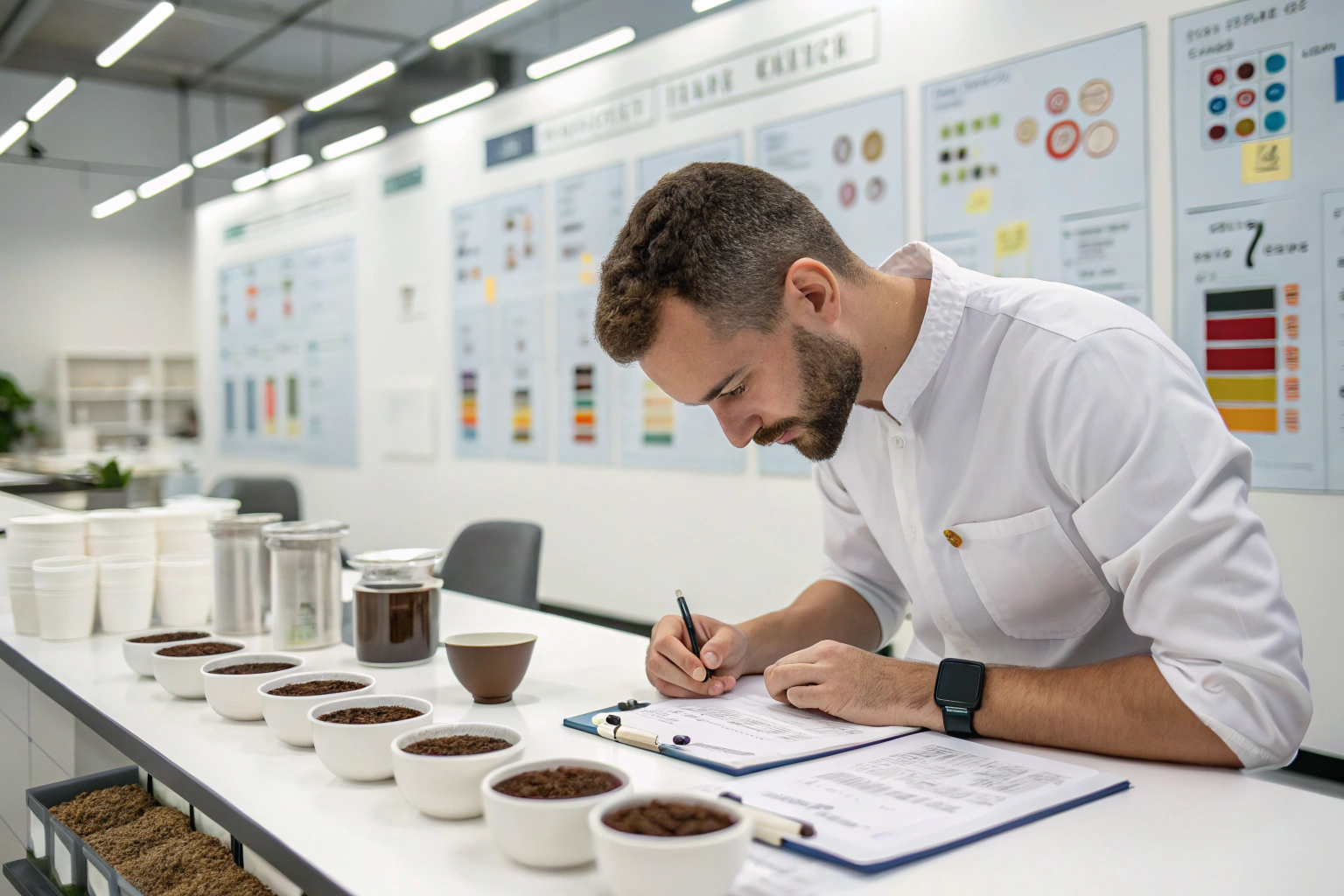
A roaster from Denver called me last year. He'd been roasting for a decade. Great coffee, loyal customers. But when I asked what made his coffee unique, he couldn't answer. "I buy good beans and roast them well," he said. "Isn't that enough?" It's not. Not anymore.
Creating a unique flavor profile requires understanding your target market, selecting beans that express your desired characteristics, developing roast profiles that highlight those notes, and maintaining consistency across batches. Your flavor profile is your signature—make it intentional, not accidental.
Let me walk you through how we help our buyers develop their own unique profiles. Because in a crowded market, distinctiveness is survival.
Why Does Your Brand Need a Unique Flavor Profile?
Coffee drinkers have endless choices. Supermarket shelves overflow. Online options multiply daily. Without distinction, you're invisible.
A unique flavor profile creates identity, builds loyalty, and justifies pricing. Customers who love your specific profile will seek you out. They'll pay more. They'll tell friends. They'll return despite competitors. Your flavor becomes your brand's voice—make it memorable.

How does flavor profile affect customer loyalty?
Taste memory is powerful. When customers find a flavor they love, they remember it. They crave it. They return for it.
Generic coffee gets replaced. Distinctive coffee becomes habit. Check coffee consumer behavior research for studies on flavor preference and brand loyalty.
What happens without a clear profile?
Your coffee becomes interchangeable. Customers can't tell you apart from competitors. They buy whoever's cheapest or most convenient.
Price becomes only differentiator. That's a race to the bottom. Working with Shanghai Fumao helps you build distinctiveness, not compete on price alone.
How Do You Define Your Target Flavor Profile?
You can't hit a target you haven't defined. Before selecting beans or developing roasts, know what you're aiming for.
Define your target profile by identifying 3-5 primary flavor notes, desired body level, acidity range, and finish characteristics. Consider your market: what do your customers already love? What's missing in your area? What can you own that competitors don't?

What questions help define your target?
Who are your customers? What do they currently drink? What flavors do they mention? What's popular in your market but poorly executed?
What's your brand personality? Bright and adventurous? Smooth and comforting? Complex and intellectual? Your flavor should match your brand voice. Visit coffee flavor profiling guides for professional frameworks.
How specific should your target be?
Very specific. "Chocolate and nut" is too vague. "Dark chocolate, roasted almond, brown sugar, medium body, bright but not sharp finish" is a target you can hit.
The more specific, the easier to select beans and develop roasts. Working with partners like Shanghai Fumao helps you articulate your target in terms suppliers understand.
What Bean Selection Creates Your Desired Profile?
Beans determine potential. Roasting expresses it. Choose beans that naturally lean toward your target profile.
Select origins and processing methods that align with your target. Washed Colombians for clean chocolate and nut. Natural Ethiopians for fruit and floral. Yunnan Typica for balanced citrus and chocolate. Blending allows you to combine strengths—one bean for body, another for acidity, another for specific flavor notes.
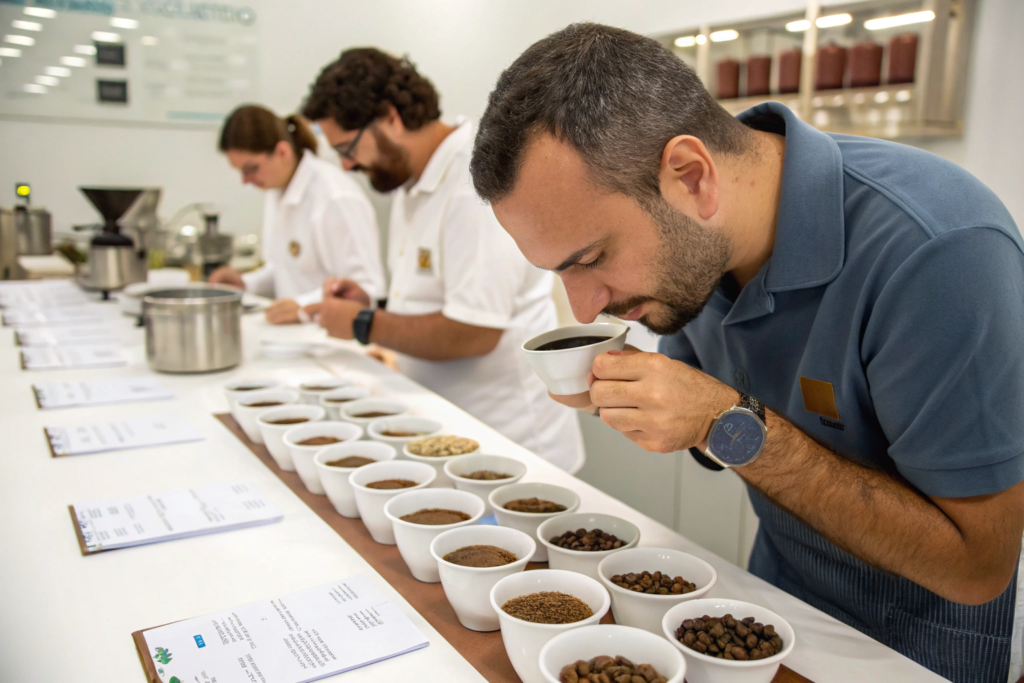
What origins match common profiles?
For chocolate and nut: Brazil, Colombia, Yunnan Catimor, washed Central Americans.
For fruit and floral: Ethiopia natural, Kenya washed, Yunnan experimental naturals.
For balanced all-rounder: Yunnan Typica, Colombia, Costa Rica.
For body and crema: washed Robusta, Yunnan Catimor, aged beans. Check origin flavor guides for detailed profiles by region.
How do you blend for consistency?
Identify which bean provides which characteristic. Bean A for body. Bean B for acidity. Bean C for specific flavor note. Adjust percentages to hit target.
Document everything. When one bean changes (new harvest), you know how to adjust. Working with Shanghai Fumao provides consistent lots that keep your blend stable year after year.
How Does Roast Development Shape Flavor?
Same beans, different roast—completely different coffee. Roast development is where your target becomes reality.
Roast development affects every flavor attribute. Lighter roasts preserve origin character, highlight acidity, reveal delicate notes. Darker roasts develop body, reduce acidity, create roast flavors (chocolate, caramel) that can dominate origin. Your target profile determines optimal development.
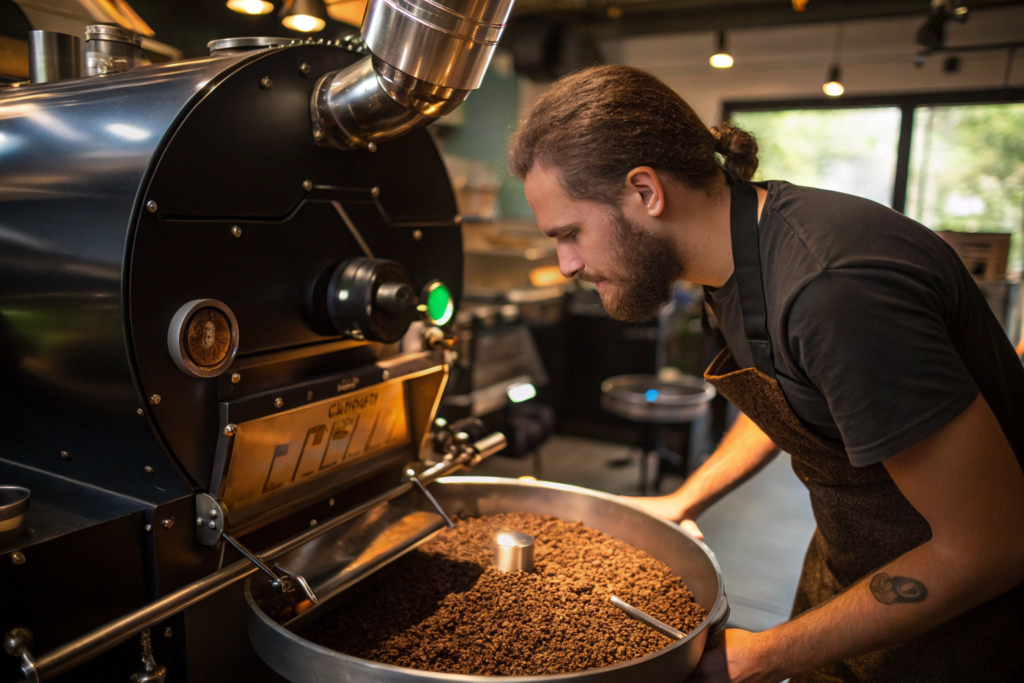
How do you develop roast profiles for specific flavors?
For bright, fruity notes: lighter roasts, shorter development, stop before second crack.
For chocolate, nut, caramel: medium roasts, longer development, maybe into early second crack.
For heavy body, low acidity: darker roasts, development through second crack.
Test, cup, adjust. Small changes matter. Visit roast profile development for professional methodologies.
What about blending before or after roasting?
Both work. Pre-blending (mixing green beans then roasting together) creates integrated flavors. Beans exchange oils, flavors meld. Post-blending (roasting separately then mixing) preserves individual character.
Choose based on your goal. Integrated for smooth blends. Separate for distinct layers. Working with partners like Shanghai Fumao provides beans suited to either approach.
How Do You Maintain Consistency Across Batches?
Creating a profile once is achievement. Maintaining it forever is the real challenge. Beans change. Equipment drifts. People vary. Systems maintain consistency.
Maintain consistency through: reference samples from each batch, detailed roast logs, regular cupping of production, clear specifications for green buying, and training for all roasters. When something drifts, you catch it immediately and adjust.
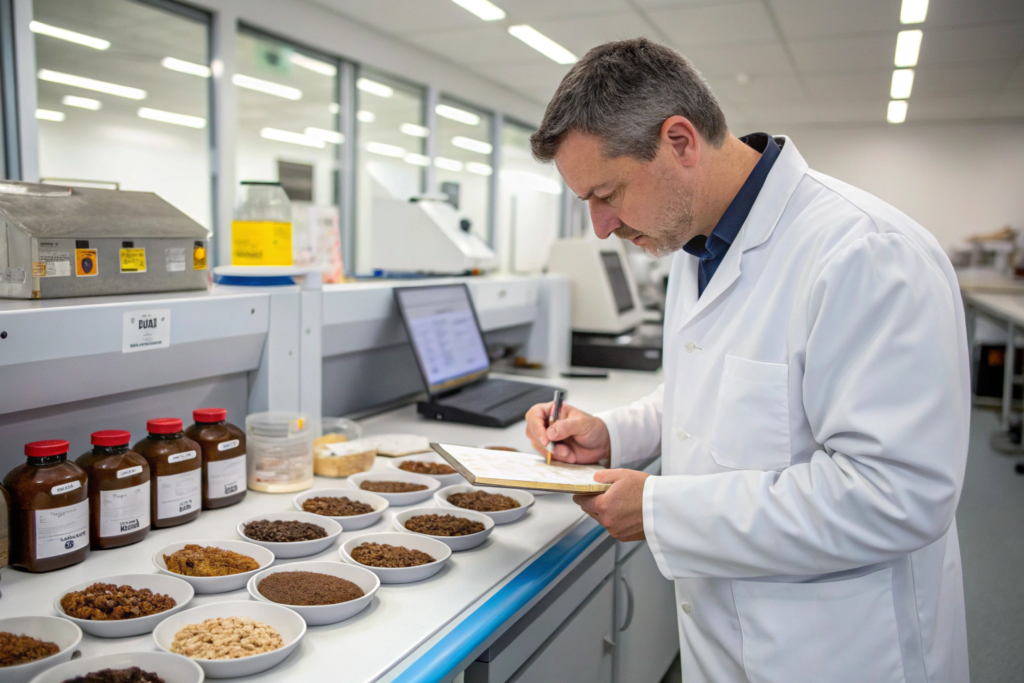
What documentation supports consistency?
Roast logs with all variables: charge temperature, turning point, rate of rise, first crack time, development time, drop temperature, total time. Photos of bean color. Cupping scores and notes.
Green coffee specs: moisture, density, screen size, defect count. When new lot arrives, compare to specs. Adjust roast if needed. Check coffee quality documentation standards for professional systems.
How do you handle seasonal bean variation?
New harvests differ from old. Adjust roast profiles, not expectations. If beans change, your profile may need tweaking to maintain same cup.
Communicate with suppliers. We help buyers anticipate changes and plan adjustments. Working with Shanghai Fumao provides advance samples of new crop so you can prepare.
Conclusion
Creating a unique flavor profile transforms your coffee from commodity to brand. Define your target clearly. Select beans that align. Develop roasts that express. Maintain consistency relentlessly. Communicate clearly to customers. Each step builds toward a flavor that customers recognize, remember, and return for.
At Shanghai Fumao, we help buyers at every stage. We provide beans with known flavor potential. We share data that aids selection. We support consistency through reliable supply. Your unique profile matters to us because your success matters to us.
If you're ready to develop or refine your flavor profile, contact our export manager, Cathy Cai. She'll discuss your goals, recommend beans, and help you build the coffee your brand deserves. Email her at cathy@beanofcoffee.com. Tell her about your current coffee and what you want to become. She'll respond within 24 hours with ideas that might change everything.