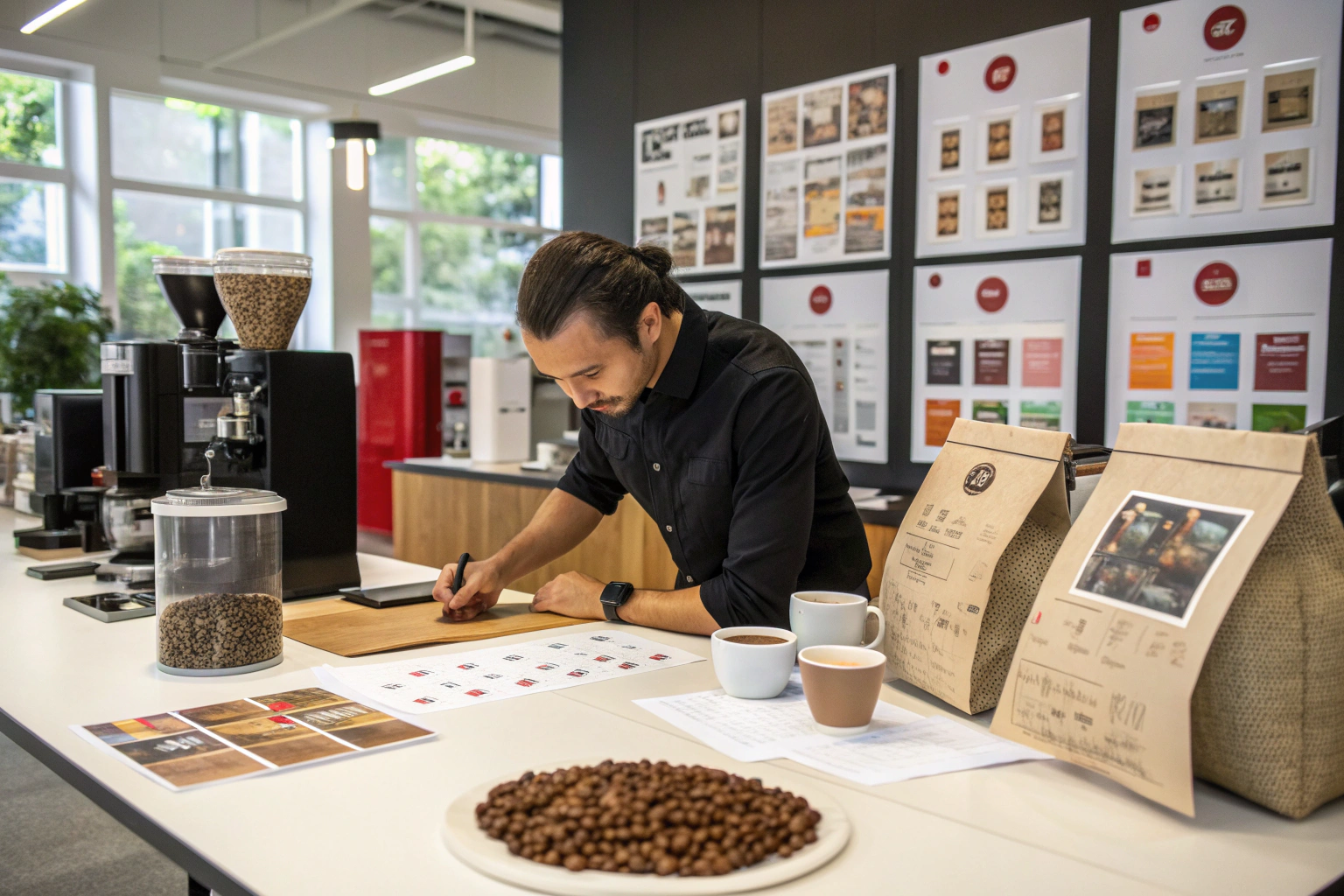
A distributor from Melbourne called me last year. He loved our Yunnan coffee. Quality was excellent. Pricing competitive. But his customers hesitated when they heard "China." They didn't associate China with coffee. They needed a reason to try something unfamiliar.
Promoting Chinese coffee requires telling a compelling story, highlighting quality credentials, leveraging digital channels, creating tasting experiences, and building partnerships with adventurous buyers. The goal isn't to convince customers China is like Colombia—it's to show them why China is valuable in its own way.
Let me walk you through how we help our buyers promote Chinese coffee. Because the strategies that work for traditional origins don't always work for us. We need different approaches.
What Story Should You Tell About Chinese Coffee?
Story is everything for new origins. You can't compete on tradition—you don't have it. But you can compete on innovation, discovery, and the excitement of something new.
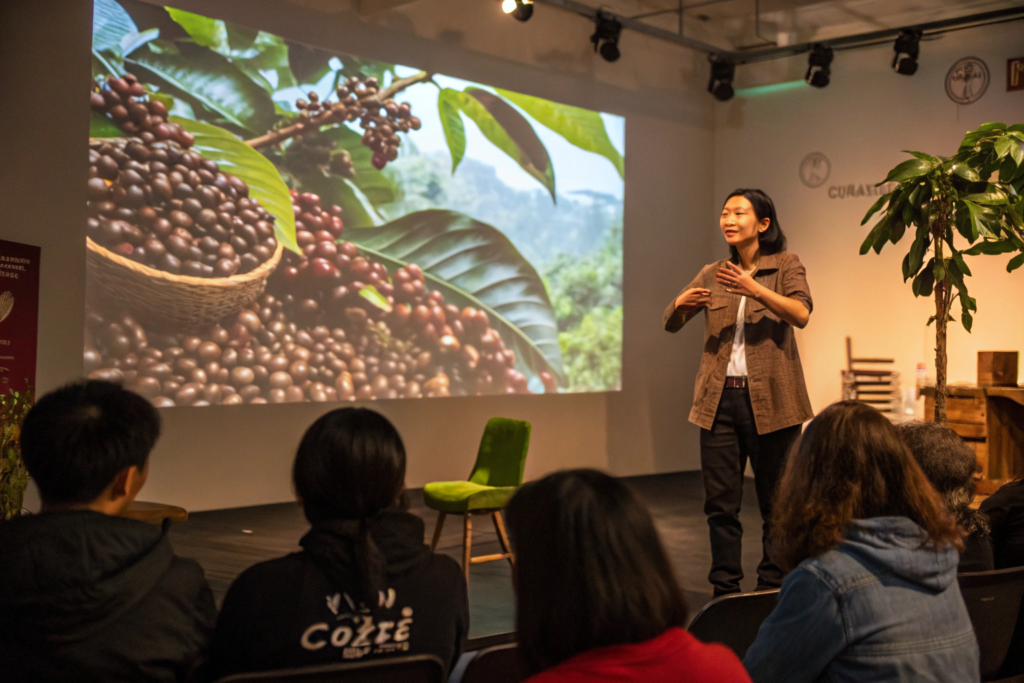
Tell the story of Yunnan's coffee revolution—how farmers transformed a tea-growing region into a coffee origin. Highlight the unique terroir, the dedication of farmers, the rapid quality improvement. Position Chinese coffee as an exciting discovery, not a commodity alternative.
What elements make the story compelling?
The human element: farmers who chose coffee against odds. The geographical element: mountains, ethnic minorities, unique landscapes. The quality element: cupping scores rising yearly, awards won, recognition earned.
The discovery element: being among the first to discover an emerging origin. Customers love feeling like pioneers. Check Yunnan coffee storytelling examples for successful narratives used by other brands.
How do you handle skepticism about Chinese coffee?
Address it directly. Don't hide from it. "You might not think of China for coffee. Neither did we. But then we discovered what's happening in Yunnan."
Let the coffee speak. Blind tastings convert skeptics faster than any marketing. Working with Shanghai Fumao provides samples that prove quality first, story second.
What Quality Credentials Help Build Trust?
Trust requires proof. Claims mean nothing. Evidence means everything. Provide the evidence your customers need to believe.
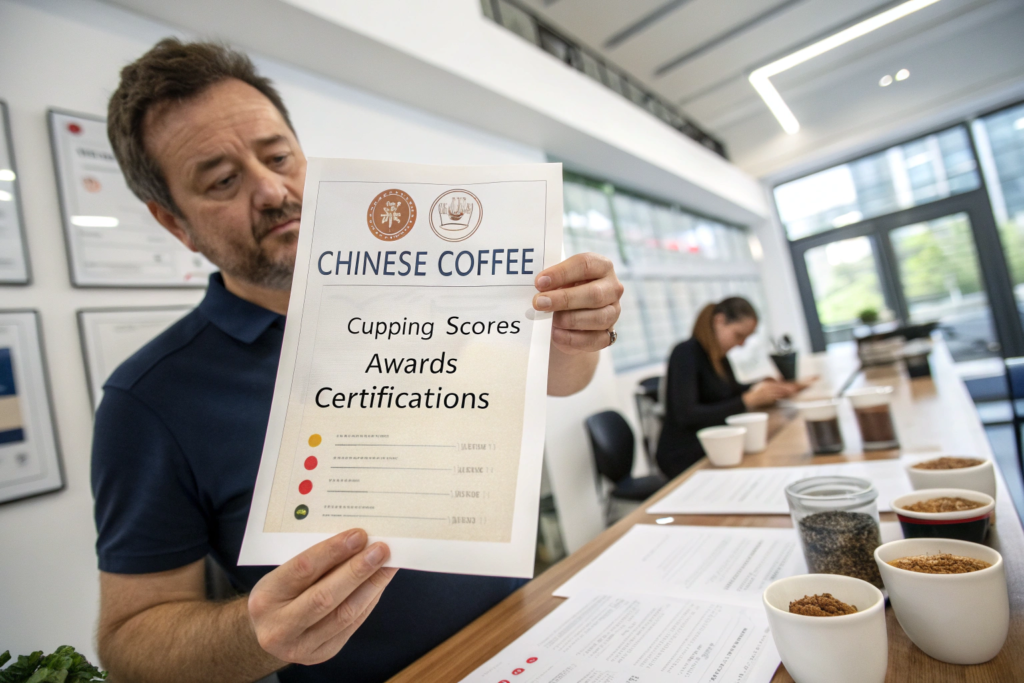
Share cupping scores from independent labs. Display certifications (organic, Rainforest Alliance, etc.). Highlight awards won at competitions. Provide traceability documentation from farm to cup. Let third-party validation support your claims.
What certifications matter most?
For different markets, different certifications. European buyers value organic certification. US specialty roasters value direct trade relationships. Asian buyers may value specific origin certifications.
Know your market. Provide what matters to them. Visit coffee certification guide for understanding which credentials carry weight where.
How do you share cupping scores effectively?
Include scores in product descriptions. Reference them in marketing materials. Provide lab reports to interested buyers. Let the numbers speak.
But don't just say "84 points." Explain what that means. Compare to familiar benchmarks. Working with partners like Shanghai Fumao ensures you have credible third-party data to share.
What Digital Channels Work Best for Chinese Coffee?
Digital channels allow targeted storytelling. You can reach adventurous buyers directly. You can educate, engage, and convert without traditional retail barriers.
Effective digital channels for Chinese coffee: Instagram for visual storytelling, Facebook for community building, LinkedIn for B2B connections, email newsletters for education, and your website as central hub. Each serves different purposes but should tell consistent story.

How do you use Instagram effectively?
Show the origin. Photos of farms, farmers, processing. Video of harvest, drying, cupping. Behind-the-scenes content that makes the story real.
Use hashtags strategically: #YunnanCoffee #ChineseCoffee #SpecialtyCoffee #EmergingOrigins. Engage with coffee community. Visit coffee Instagram marketing examples for inspiration.
What about LinkedIn for B2B?
LinkedIn reaches roasters, distributors, café owners. Share industry content: quality data, market insights, origin education. Position yourself as expert source.
Connect with coffee professionals. Comment on their content. Build relationships before pitching. Working with Shanghai Fumao helps you access their network while building your own.
How Do You Create Tasting Experiences That Convert?
Tasting beats telling. One sip of excellent Chinese coffee convinces faster than any brochure. Create opportunities for people to taste and discover.
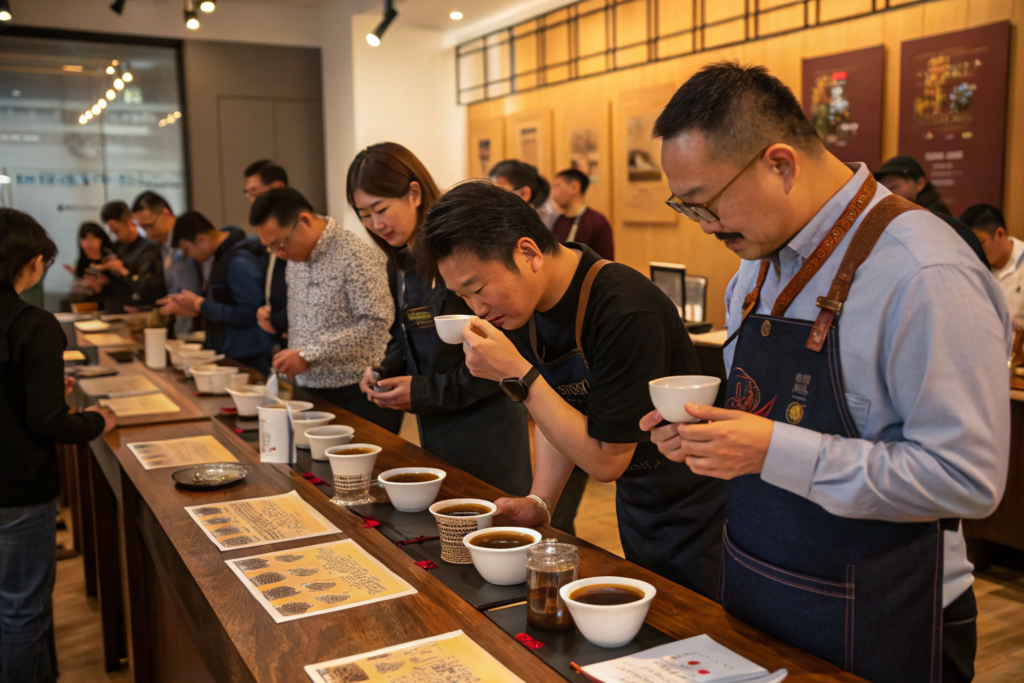
Host cupping events for potential buyers. Send samples generously. Participate in trade shows with tasting bars. Offer virtual tasting sessions. Let the coffee be the hero—your role is to facilitate discovery.
What makes an effective cupping event?
Compare Chinese coffee to familiar origins. Side-by-side tasting shows how Yunnan competes. Provide scoring sheets. Encourage discussion. Let participants draw their own conclusions.
Follow up with samples of what they liked most. Keep the conversation going. Check cupping event planning guide for professional hosting tips.
How do you handle virtual tastings?
Ship samples in advance. Conduct live video session. Walk through the tasting together. Answer questions in real time.
Virtual expands reach beyond your location. Buyers worldwide can participate. Working with partners like Shanghai Fumao helps coordinate international sample shipping and virtual events.
What Partnerships Accelerate Market Entry?
You don't have to go alone. Partners amplify your reach, lend credibility, and open doors.
Partner with established roasters for limited releases. Collaborate with coffee shops for featured origins. Work with distributors who understand local markets. Join forces with other emerging origins for collective promotion. Each partnership extends your reach.

What kind of roasters make good partners?
Roasters known for exploring new origins. Adventurous brands with customers who trust them. Small to medium size where you matter, not giant where you're commodity.
Pitch them on exclusivity, story, quality. Offer samples, education, support. Visit coffee roaster directories to identify potential partners.
How do you work with distributors?
Distributors need margins and support. Provide marketing materials, samples, training. Make it easy for them to sell your coffee.
Regular communication. Reliable supply. Competitive pricing. Distributors value consistency above all. Working with Shanghai Fumao provides the reliability distributors need.
Conclusion
Promoting Chinese coffee requires different strategies than traditional origins. Storytelling that highlights discovery and innovation. Quality credentials that prove credibility. Digital channels that reach adventurous buyers. Tasting experiences that convert skeptics. Partnerships that amplify reach.
The goal isn't to convince customers that China is like Colombia. It's to show them why China is valuable in its own right. Different story, different appeal, different customers—but equally compelling when done right.
At Shanghai Fumao, we support our buyers with everything they need to promote Chinese coffee. Samples, stories, credentials, content, partnerships. We succeed when you succeed.
If you're ready to add Chinese coffee to your offerings and promote it effectively, contact our export manager, Cathy Cai. She'll share our promotional toolkit—photos, videos, stories, samples, certifications. Email her at cathy@beanofcoffee.com. Tell her about your market and what kind of promotion works for you. She'll respond within 24 hours with everything you need to tell the Chinese coffee story.