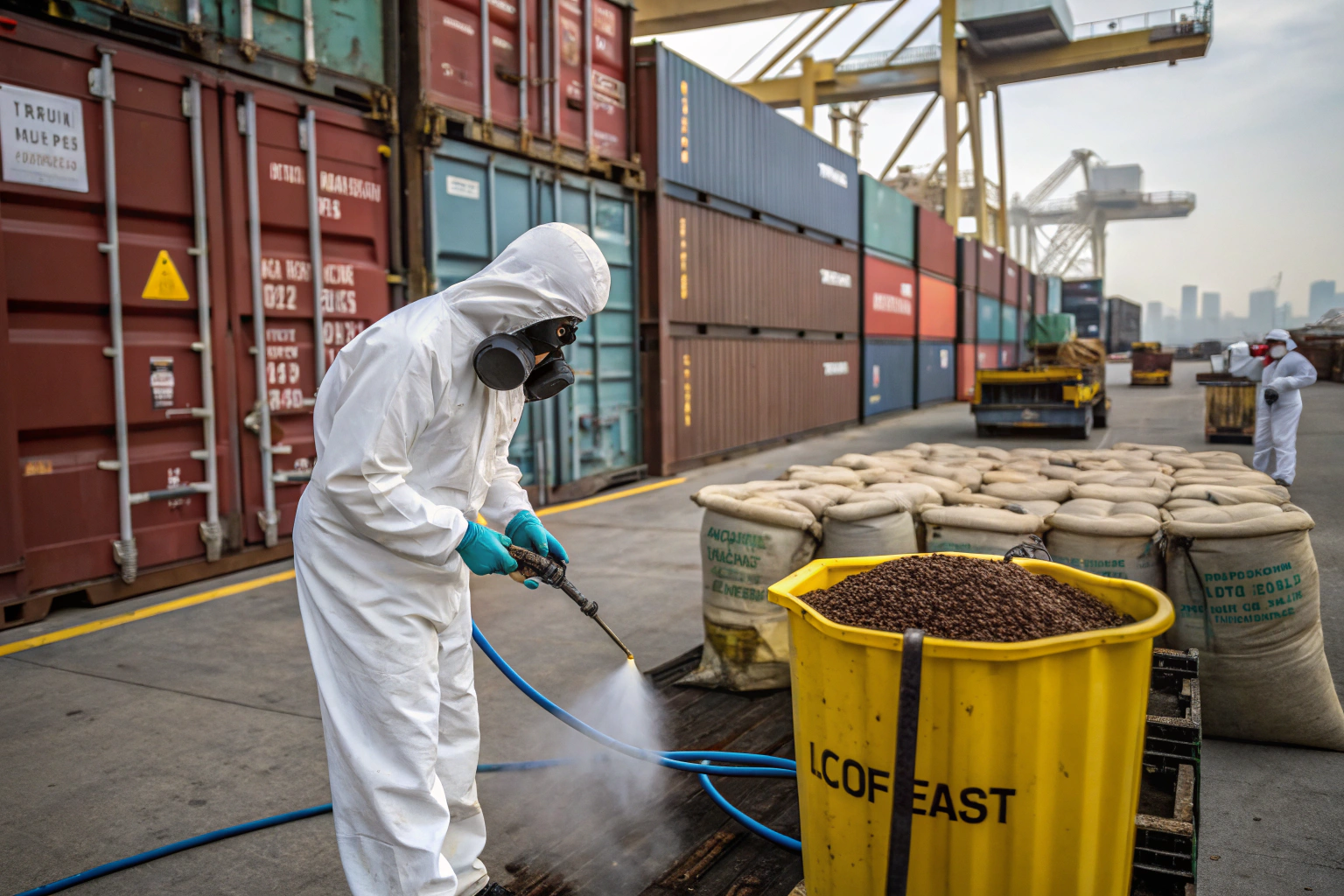
A buyer from Barcelona called me in a panic last year. His container arrived with live insects. Customs ordered destruction of the entire shipment—20 tons of coffee. He'd paid for fumigation. His supplier provided certificates. But someone cut corners. And he paid the price.
Container fumigation best practices include using certified fumigators, proper sealing techniques, correct dosage calculations, adequate exposure time, thorough aeration, and complete documentation. Cutting corners saves pennies but risks destroying your entire shipment. At BeanofCoffee, we treat fumigation as non-negotiable quality assurance.
Let me walk you through what proper fumigation actually requires. Because most buyers see a certificate and assume everything's fine. But certificates can be faked, and procedures can be rushed. Knowing what should happen helps you verify that it did.
Why Is Container Fumigation Essential for Coffee?
Coffee travels across oceans. Through different climates. Past warehouses with unknown conditions. Pests can enter at any point. Once inside a sealed container, they multiply. By arrival, infestation can be complete.
Coffee exports require phytosanitary certification proving freedom from pests. Fumigation kills any insects, larvae, or eggs present in the coffee or container. Without proper fumigation, shipments risk rejection, destruction, or quarantine. Even one live insect triggers severe consequences.
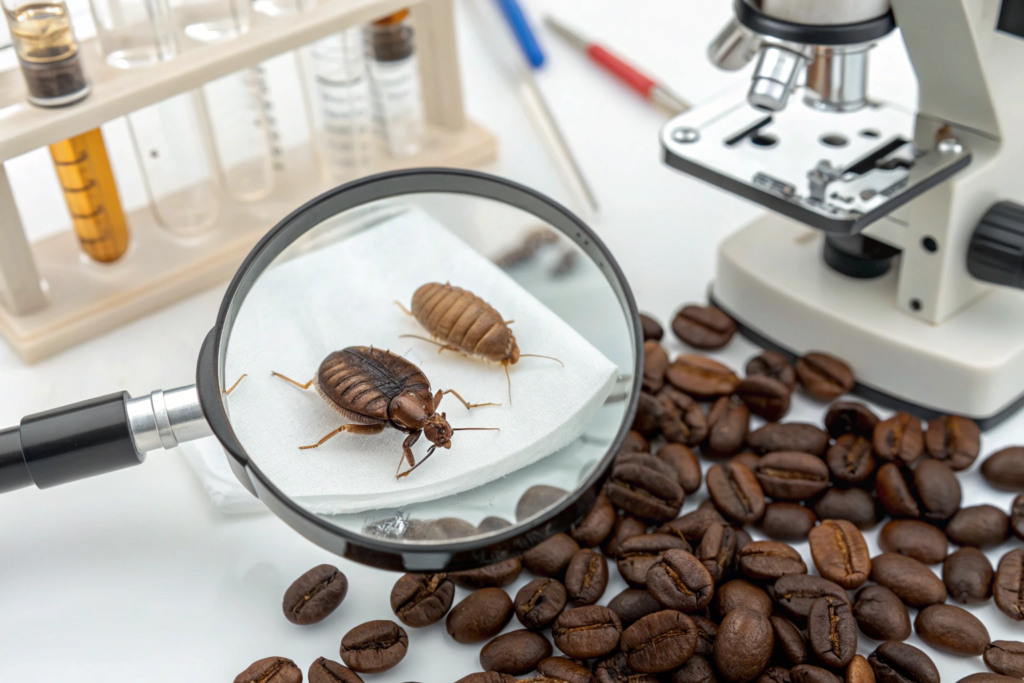
What pests threaten coffee shipments?
Coffee borer beetle is the main threat—tiny insects that bore into beans. Cigarette beetles, warehouse beetles, and various moths also infest stored coffee. Their presence violates phytosanitary requirements.
These pests don't just look bad. They damage beans, create quality defects, and spread to other products in warehouses. Prevention is far cheaper than dealing with infestation. Check coffee pest identification guides for images and descriptions of regulated pests.
What regulations govern coffee fumigation?
International standards for phytosanitary measures (ISPM 15) govern wood packaging materials. But coffee itself falls under broader phytosanitary requirements of importing countries. Each country sets its own rules.
The US requires fumigation or treatment certification. Europe requires phytosanitary certificates with treatment declarations. Japan has specific requirements. Working with Shanghai Fumao ensures compliance with destination country regulations.
Who Should Perform Fumigation and What Qualifications Do They Need?
Fumigation isn't DIY. It requires trained professionals with proper certification. Anyone can spray something and call it fumigation. That doesn't make it legal or effective.
Fumigation must be performed by certified operators licensed by national plant protection organizations. They must understand dosage calculations, safety procedures, and documentation requirements. Using unqualified fumigators risks ineffective treatment and invalid certificates.
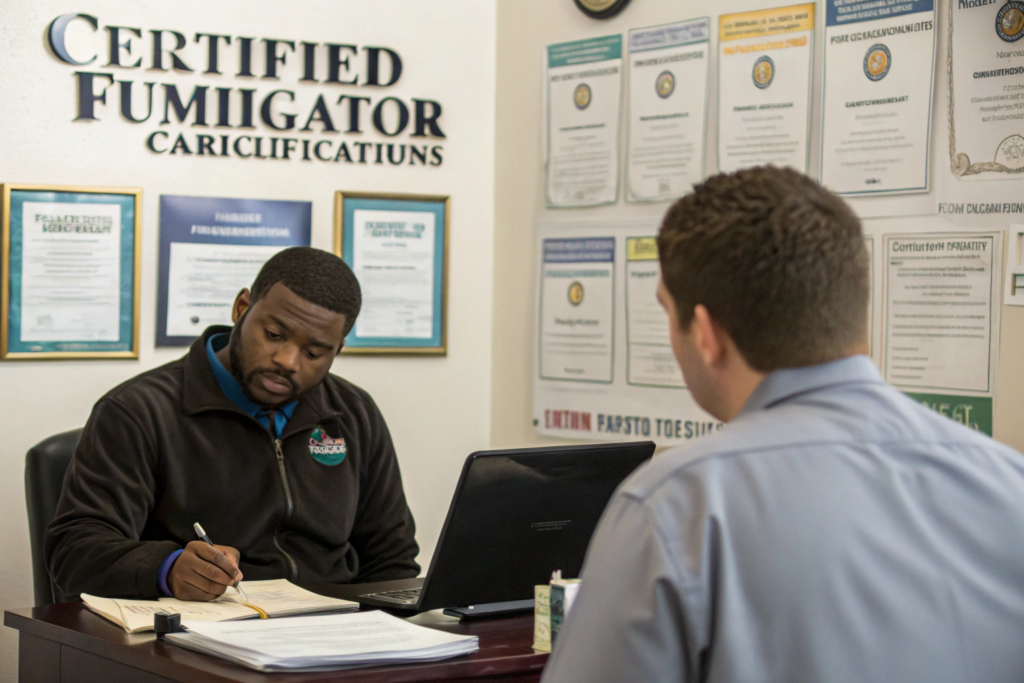
What certifications should fumigators have?
In China, fumigators must hold certificates from the National Plant Protection Organization. They should be licensed to use specific fumigants—usually phosphine or methyl bromide (where still permitted).
Ask for credentials. Verify with authorities if needed. Reputable fumigators provide proof. Visit international fumigation certification standards for requirements by country.
How do you verify fumigator competence?
Check their experience with coffee specifically. Coffee requires different treatment than other commodities. Bean density affects gas penetration. Bag stacking affects circulation.
We use only fumigators who've handled thousands of coffee containers. They know the nuances. Working with partners like Shanghai Fumao connects you with vetted fumigation providers.
What Fumigation Methods Work Best for Coffee?
Not all fumigation is equal. Method matters. Some penetrate better. Some leave residues. Some work faster. Choosing right depends on situation.
Phosphine fumigation under gas-proof sheets is most common for coffee. Tablets or pellets placed around bags release phosphine gas that penetrates thoroughly. Exposure time 5 to 7 days minimum. Container gassing works for sealed containers but requires gas-tight integrity. Methyl bromide is being phased out due to ozone concerns.
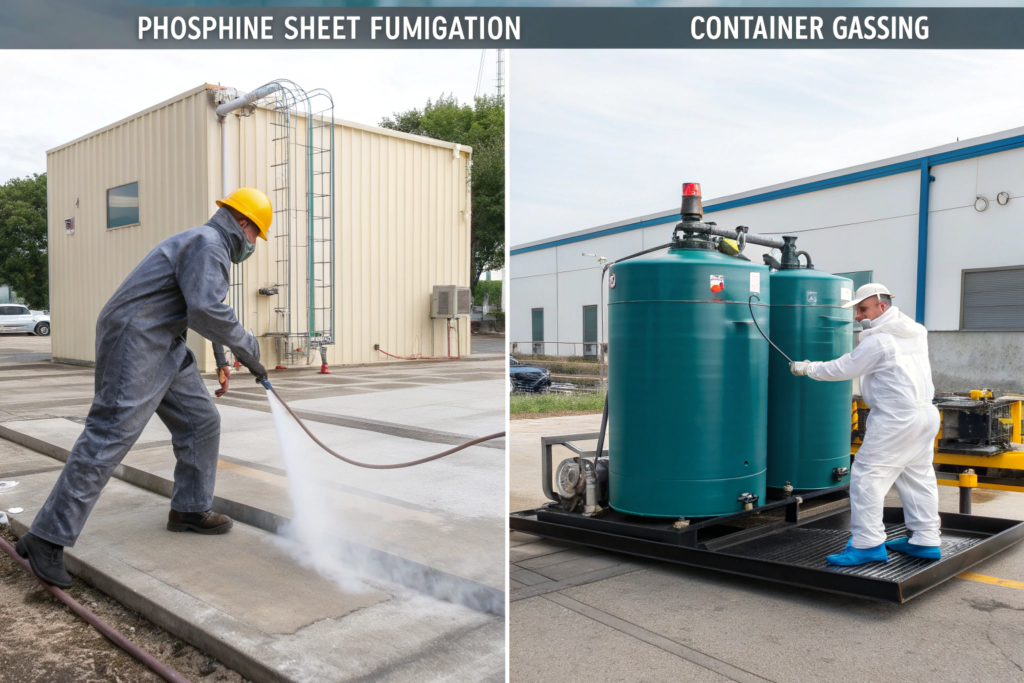
How does phosphine fumigation work?
Aluminum or magnesium phosphide reacts with moisture to release phosphine gas. Gas penetrates bags, kills all life stages of insects. After exposure, gas dissipates, leaving no residue.
Key requirements: gas-proof sheets sealed around stack, even distribution of tablets, adequate temperature (above 15°C), and sufficient exposure time (5-10 days depending on temperature). Check phosphine fumigation guidelines for technical specifications.
What about container gassing?
For containerized shipments, gas can be injected directly into sealed containers. Faster than sheet fumigation—24 to 48 hours. But requires gas-tight containers and proper injection points.
Risk: containers may leak. Gas escapes, treatment fails. We prefer sheet fumigation for certainty. Visit container fumigation standards for requirements.
What Documentation Proves Fumigation Was Done Properly?
Fumigation without documentation didn't happen. At least, that's how customs sees it. Proper paperwork proves treatment occurred and meets regulations.
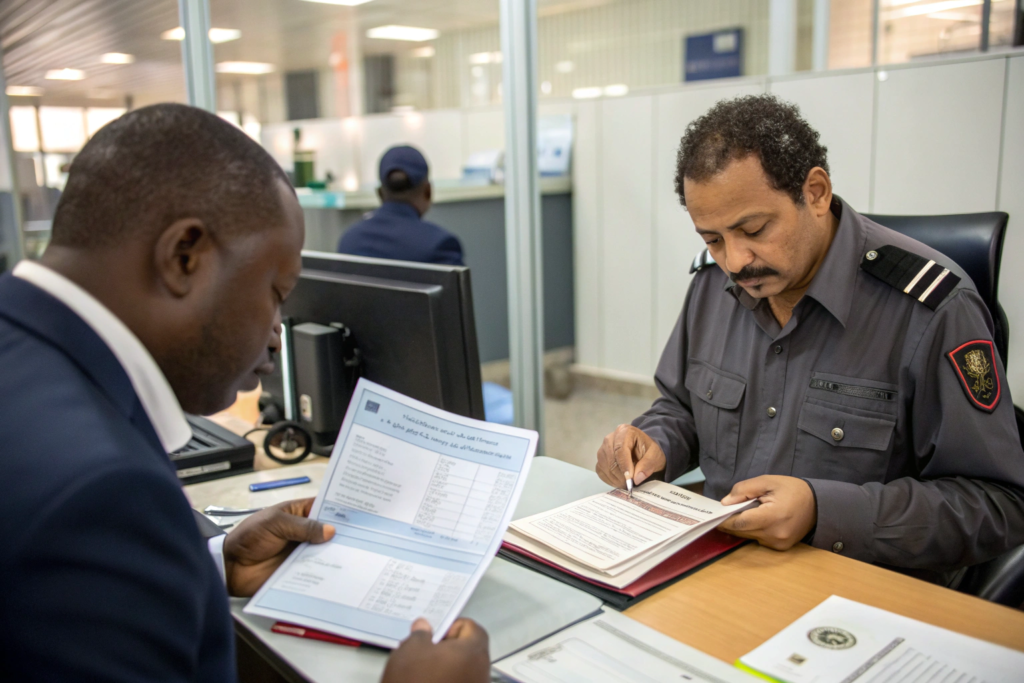
Fumigation certificates must include: fumigant used, dosage, exposure time, temperature, date, location, and signature of certified operator. Phytosanitary certificates reference the fumigation treatment. All documents must match exactly—no discrepancies in dates, quantities, or container numbers.
What should a fumigation certificate include?
Product name (coffee). Quantity. Fumigant (phosphine, etc.). Dosage (grams per cubic meter). Exposure time (hours/days). Temperature during treatment. Date and location. Operator name and certification number. Container numbers.
Any missing information invites questions. Any inconsistency triggers inspection. Working with Shanghai Fumao ensures complete, accurate documentation.
How do phytosanitary certificates relate to fumigation?
Phytosanitary certificates declare the shipment free from quarantine pests. They reference the treatment performed—fumigation certificate number, date, method. The two documents together prove compliance.
Without both, customs may reject. We provide both for every shipment. Review phytosanitary certificate requirements for your destination country.
What Safety Precautions Protect Workers and Consumers?
Fumigants are poisonous. They kill pests because they're toxic. That toxicity requires respect. Proper safety protects workers and ensures no residues reach consumers.
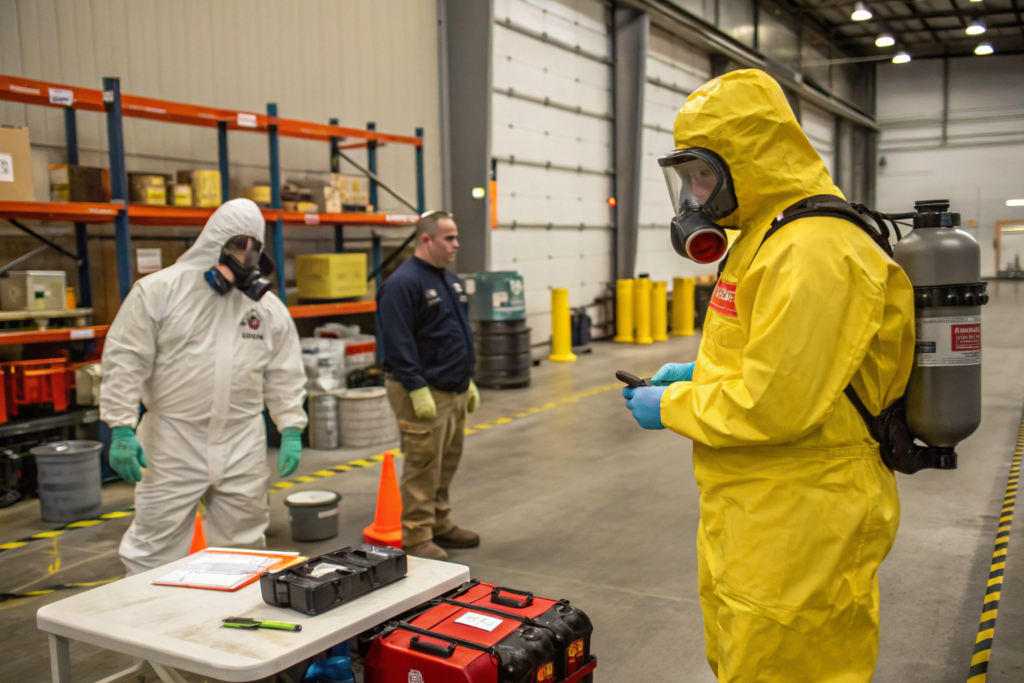
Fumigation safety requires: trained operators with protective equipment, warning signs during treatment, aeration periods before handling, and residue testing where required. Phosphine dissipates completely with proper aeration, leaving no residue on coffee. But aeration must be complete before container opening.
How long must coffee aerate after fumigation?
Phosphine dissipates quickly once exposed to air. But sufficient time needed. Typically 24 to 48 hours of aeration before workers handle bags. For container shipments, aeration after opening at destination.
We aerate thoroughly before loading containers. Ensures gas levels safe for workers, no residue concerns. Check phosphine safety data sheets for exposure limits and aeration requirements.
What residues are allowed on coffee?
Phosphine leaves no residue when properly applied and aerated. Methyl bromide (where still used) can leave bromide residues—regulated by some countries.
Europe and Japan have strict residue limits. We avoid methyl bromide entirely. Phosphine only. Working with Shanghai Fumao ensures compliant treatments for all destinations.
Conclusion
Container fumigation protects coffee, meets regulations, and ensures safe arrival. But only when done right. Certified operators. Proper methods. Complete documentation. Adequate aeration. Each step matters. Skipping any risks shipment rejection, destruction, or worse—infestation spreading to other products.
At Shanghai Fumao, we treat fumigation as seriously as quality. We use only certified operators. We document everything. We aerate thoroughly. We want your coffee to arrive safe, compliant, and ready for use.
If you have questions about fumigation requirements for your destination, contact our export manager, Cathy Cai. She'll explain our procedures, share documentation, and ensure you're comfortable with every step. Email her at cathy@beanofcoffee.com. Tell her where you're importing and what concerns you have. She'll respond within 24 hours with answers that protect your shipment.