You're evaluating a sample of green coffee from a new supplier. The description says "Grade AA, Screen 17/18." You know screen size matters, but is bigger always better? And how does this technical spec actually impact your roasting and final cup? From our side of the export business, screen size is one of the most tangible, yet misunderstood, quality metrics we discuss with buyers. Let's clarify it.
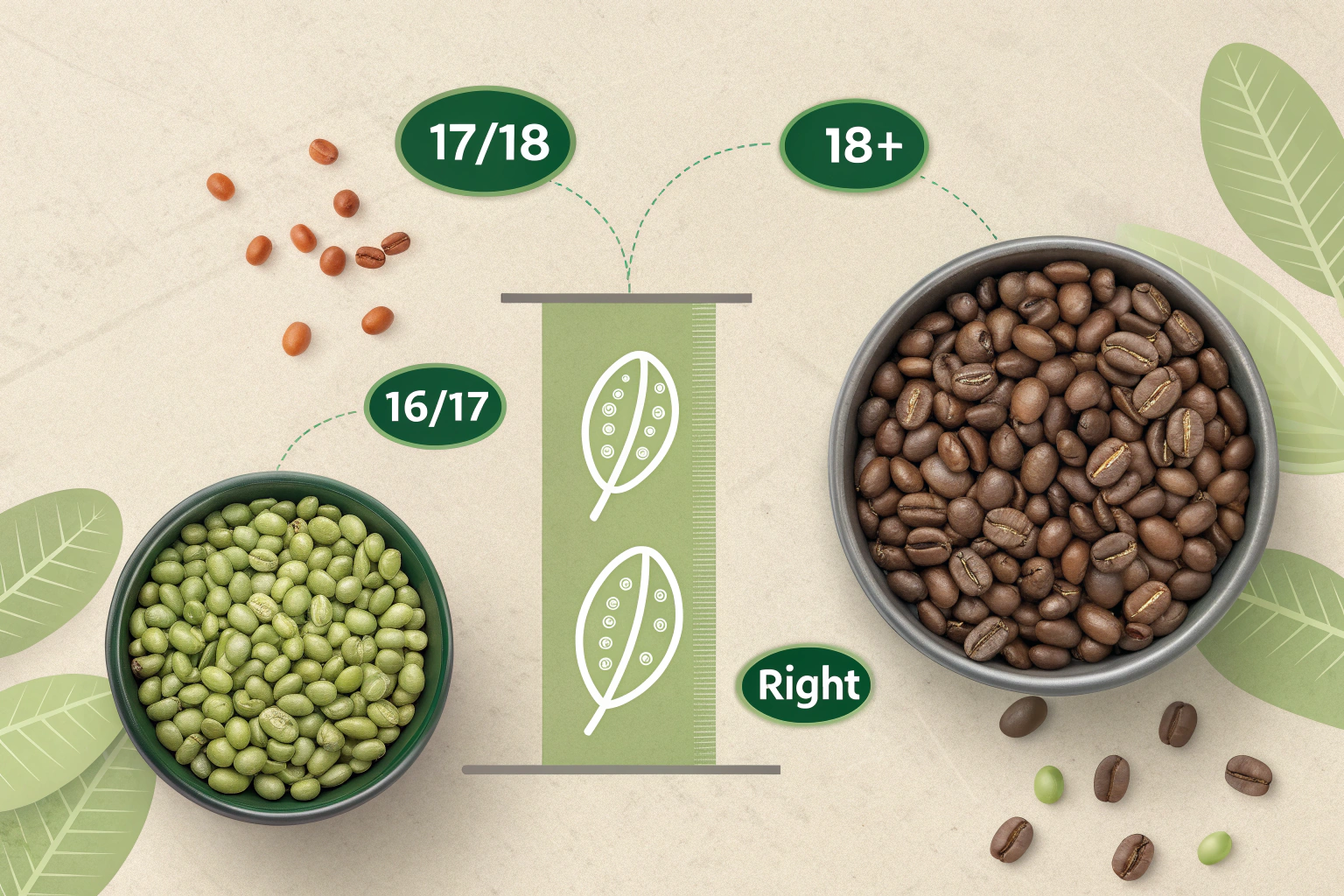
Choosing the right screen size for green beans involves balancing roast uniformity, density, cup profile, and cost for your specific application. There is no single "best" size. Larger screen sizes (e.g., 17/18, 18+) generally indicate denser beans from higher altitudes, often associated with more complex acidity and potential for higher quality. However, a specific, consistent screen size (like a tight 16/17) is often more critical for even roasting than the absolute largest bean. The "right" choice depends on your target market, roast style, and quality-to-cost ratio.
That's the core principle. But the real-world decision is more nuanced. A screen size that's perfect for a light roast single-origin might be overkill for a dark roast espresso blend. Let's sift through the details.
What is Screen Size and How is it Measured?
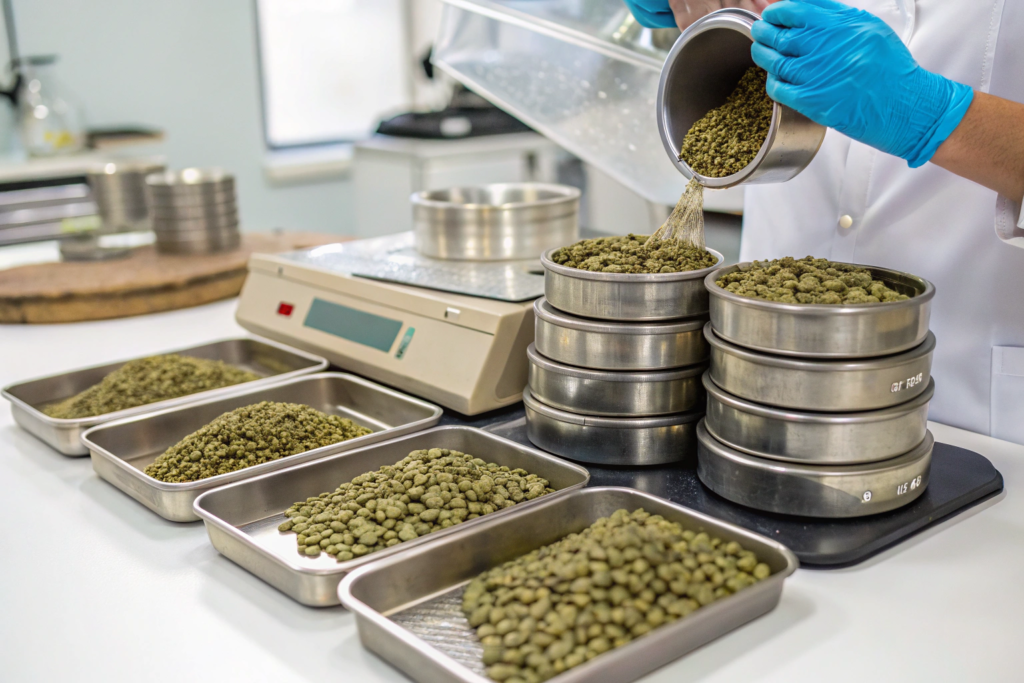
First, the basics. Screen size is a measure of a green coffee bean's physical size. It is determined by passing the beans through a series of metal sieves (screens) with precisely sized round holes. The size is expressed as the denominator of the sieve fraction in 1/64th of an inch.
A "Screen 17" bean is one that passes through a sieve with holes 17/64ths of an inch in diameter but is retained by a sieve with holes 16/64ths of an inch. Common classifications you'll see from exporters like us are:
- Screen 13/14: Smaller beans.
- Screen 15/16: Medium size, common for many commercial grades.
- Screen 17/18: Large beans, typical for higher grades (e.g., "Grade AA" in East Africa and Yunnan).
- Screen 18+ or 19+: Very large, often peaberries or exceptional lots.
The process, called screening or grading, happens after milling. It's a mechanical sort. Uniformity is key; a tight range (like 95% on 17/18 screen) means the beans are physically similar, which is the first step toward roast uniformity.
Why is Screen Size Expressed as a Fraction (e.g., 17/18)?
It represents a range. "17/18" means the vast majority of beans in that lot will fall between 17/64" and 18/64" in diameter. They passed through the 18/64" screen but were caught by the 17/64" screen. Reporting a range is more honest and practical than a single number, as there's always slight natural variation. A supplier promising only "Screen 18" is likely being imprecise. Consistent sizing within a defined range is what you should look for.
How Does Screen Size Relate to Bean Density and Altitude?
This is the crucial link. Generally, larger screen sizes correlate with higher density. Why? Beans grown at higher altitudes develop more slowly, creating a harder, denser cellular structure. This density is a primary carrier of the sugars and acids that develop complex flavors during roasting. So, when you select a large screen size (17/18 or above), you are often—but not always—selecting for higher grown, denser beans with greater potential for acidity and complexity. It's a useful physical proxy for one aspect of quality.
How Does Screen Size Impact Roasting Performance?
This is where your choice directly affects your craft. Inconsistent bean size is one of the main causes of an uneven roast.
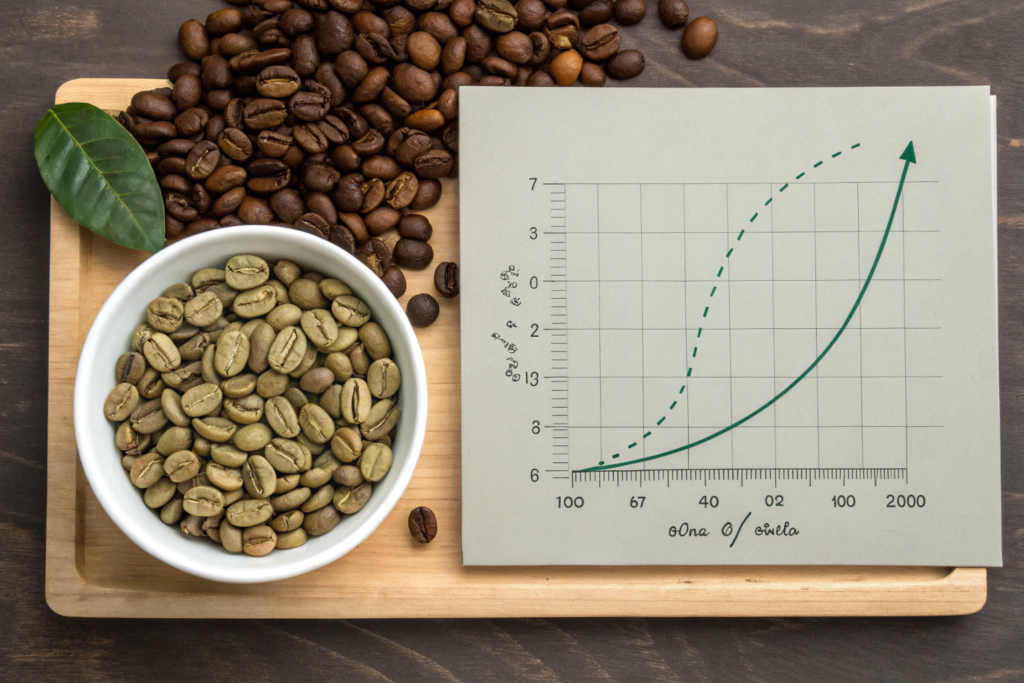
Think of heat transfer. In a drum roaster, smaller beans have a higher surface-area-to-volume ratio. They absorb heat faster and can scorch or develop too quickly if mixed with larger beans. Larger, denser beans require more energy and time to heat through. If you roast a mixed batch of Screen 15 and Screen 17 beans together, the smaller ones will be over-developed (baked, ashy) by the time the larger ones reach first crack. The result is a flat, muddled cup with both sour and bitter notes. Choosing a uniform screen size ensures that all beans in the batch react to heat at a similar rate, leading to an even development and a cleaner, more defined flavor profile.
What are the Risks of Roasting a Mixed Screen Batch?
The risks are tangible and hurt quality:
- Baked and Bitter Small Beans: The smaller beans overheat, losing acidity and gaining a baked, harsh bitterness.
- Under-developed Large Beans: The larger beans remain under-roasted, tasting grassy, sour, or astringent.
- Inconsistent Color: The roast will look uneven, with both light and dark beans (not to be confused with quakers), which is unacceptable for visual quality.
- Unpredictable Results: Your roast profile becomes a compromise, never optimizing for any one bean size. Replicating the profile is nearly impossible.
A uniform screen size is therefore not a luxury; it's a fundamental prerequisite for quality control and repeatability in your roasting. It's a sign of a supplier who understands your needs, not just their own sorting efficiency.
Does a Larger Screen Size Require a Different Roast Profile?
Generally, yes. Denser, larger beans (e.g., Screen 18) can handle—and often need—more aggressive heat application to overcome their thermal mass and develop properly. You might extend the drying phase or increase charge temperature. Conversely, smaller, less dense beans (Screen 15) are more delicate; they require a gentler approach to avoid tipping or baking. Knowing the screen size and expected density allows you to tailor your profile from the start. This is why we provide this data upfront for all our lots; it helps you plan for success.
When Should You Prioritize Screen Size Over Other Metrics?
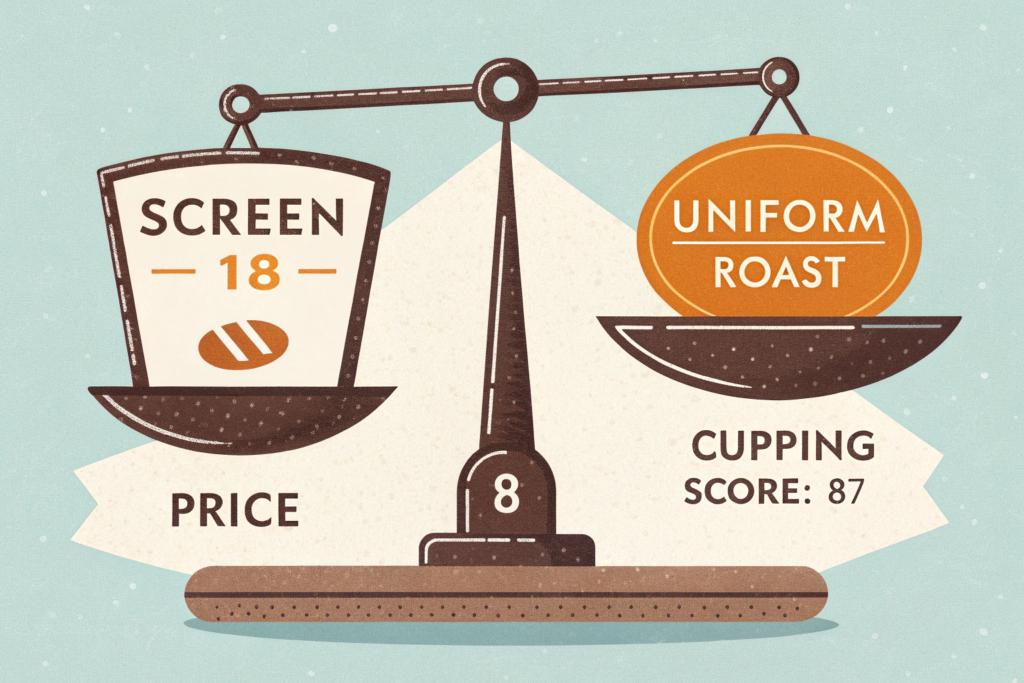
Screen size is important, but it's not the only quality indicator. You must balance it with other factors like cup score, moisture content, defect count, and of course, price.
Prioritize screen size when:
- Roast Uniformity is Paramount: For any batch roasting, especially for single-origin offerings where clarity is key.
- Targeting a Specific Market: In many markets (like Japan, parts of Europe), large bean size is culturally associated with premium quality and commands a higher price. Your product specs may need to reflect that.
- Producing Light Roasts: Light roasting accentuates acidity and origin character. These delicate flavors are best preserved and expressed with the even development that uniform, dense beans provide.
Do not prioritize screen size over everything else when:
- The Cup Score is Exceptional: A lot of Screen 15/16 that cups at 87 points is far more valuable than a Screen 18+ lot at 82 points. Flavor is king.
- Cost is a Primary Constraint: For a base component in a dark roast blend, where the roast character dominates, you may opt for a smaller, more affordable, but still uniform screen size (like a tight 15/16).
- Working with Certain Varietals: Some prized varieties, like Pacamara, are naturally huge. Others, like some heirloom Ethiopians, can be smaller but incredibly complex. Judge the bean by its potential, not just its stature.
Is a "Peaberry" (Screen 13-15) an Exception to the Rule?
Absolutely. Peaberries (single, round seeds from a coffee cherry) are a fascinating case. They are naturally smaller in screen size (often 13-15) but are often extremely dense and packed with sugar because all the cherry's nutrients went to one seed. They roast very evenly due to their uniform, round shape and can produce incredibly sweet, intense cups. For peaberries, you choose them for their unique flavor profile and density, not for their large screen size. This proves that screen size is a tool for selection, not an absolute grade.
How Do Major Origins Use Screen Size in Grading?
This highlights the cultural aspect. In East Africa (Kenya, Tanzania), screen size is central to the grading system (AA, AB, PB, etc.). In Colombia, screen size (Supremo, Excelso) is a key grade but not the only one. In Brazil, screen size (17/18, 15/16) is important, but cup quality and defect count are increasingly prioritized. In Yunnan, China, we have adopted a similar model, where our premium grades like "Yunnan AA" are typically Screen 17/18 and above, with strict defect limits. Understanding the grading system of your origin helps you interpret what a screen size promise really means.
How to Specify and Verify Screen Size with Your Supplier?
Clear communication is key. You must specify not just a desired range, but also the acceptable tolerance.
When ordering, be precise. Don't just say "large beans." Say: "We require a minimum of 90% on Screen 17/18, with no more than 5% above 18 and 5% below 17." This gives the exporter a clear, measurable target. A professional supplier like Shanghai Fumao will provide a grading report or specification sheet with the shipment that details the screen size distribution, moisture, and defect count.
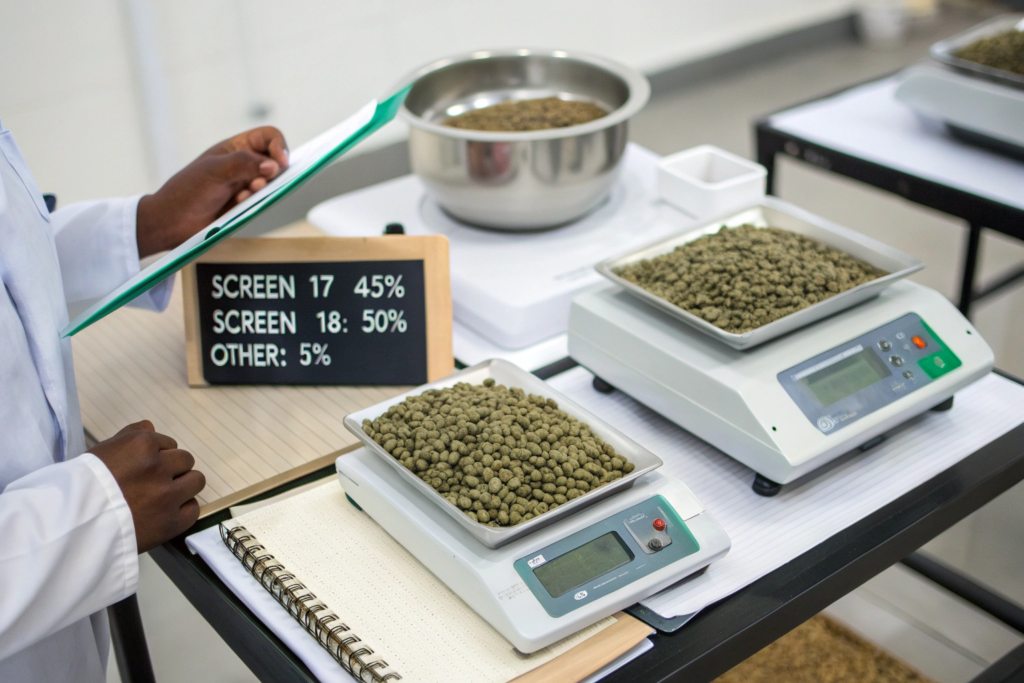
Verification is your responsibility upon receipt. You should perform a simple check:
- Take a Representative Sample: From several bags in the shipment.
- Use a Sample Grading Set: A small set of calibrated screens is an affordable, essential tool for any serious roaster.
- Screen and Weigh: Screen 200-300g of beans. Weigh the amount retained on each screen. Calculate the percentages.
A significant deviation from the agreed spec is grounds for a claim. This process ensures you are getting the reliable and consistent product you paid for.
What Other Documents Should Accompany Screen Size Info?
Screen size should never stand alone. Insist on a complete pre-shipment report that includes:
- Moisture Content: Ideally 10-12%. Affects storage and roasting.
- Water Activity (Aw): A more precise measure of stability (<0.60 is safe).
- Defect Count: Per 300g sample (e.g., 5 full defects max for Grade AA).
- Density: Measured in g/L (e.g., 680-720 g/L for dense high-grown).
- Cupping Notes/Score: If applicable.
This holistic view tells you far more about the coffee's potential than screen size alone. It transforms a physical metric into part of a quality story.
Can You Negotiate Price Based on Screen Size?
Yes, screen size is a direct lever in pricing. Larger, more uniform screens command a premium because:
- They represent a smaller yield from the harvest (only the biggest beans).
- They require more labor and time to sort.
- They are associated with higher cup potential.
If your application doesn't require the largest beans, you can often secure a better price by specifying a slightly smaller but still very uniform screen (e.g., a tight 16/17 instead of 17/18). This is a smart way to optimize cost without sacrificing roast performance.
Conclusion
Choosing the right screen size is a strategic decision that sits at the intersection of agronomy, roasting science, and business. The goal is not to blindly chase the largest bean, but to select the size that delivers the roast uniformity and flavor profile you need at a price that makes sense for your product. Uniformity within a specified range is almost always more important than the absolute maximum size.
As an exporter, our job is to provide that clarity and consistency. By offering precisely graded lots with transparent documentation, we enable you to make informed choices and achieve repeatable results in your roastery. Whether you need the dense complexity of a Screen 18+ for a showcase single-origin or the cost-effective uniformity of a Screen 16/17 for a core blend, the specification should be clear, verifiable, and delivered upon.
If you're unsure which specification is right for your needs, we can help guide you based on your roast style and target cup profile.
To discuss screen size specifications for our Yunnan Arabica, Catimor, or Robusta lots, or to request sample grading reports, please contact our sales lead, Cathy Cai, at cathy@beanofcoffee.com. Let's ensure the physical foundation of your green coffee is as solid as the flavor you build upon it.