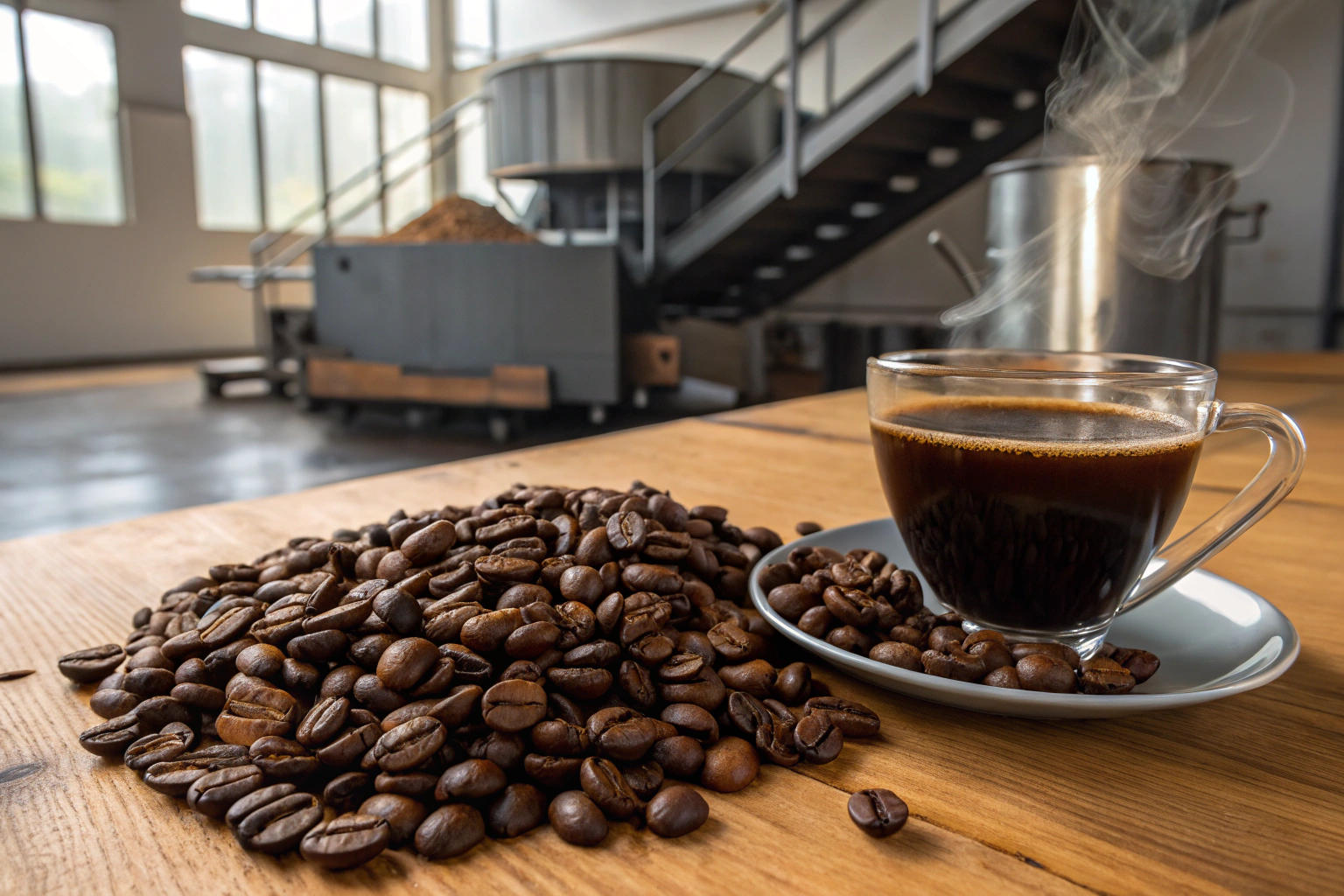
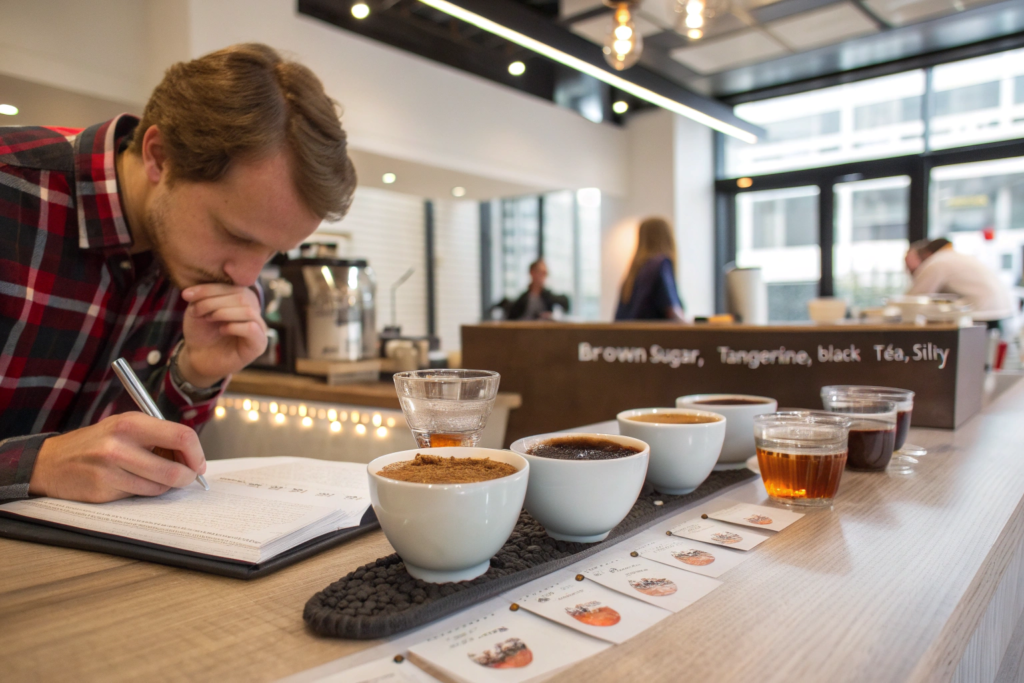
You’re cupping a coffee with notes of brown sugar, citrus, and a tea-like body. It’s complex, clean, and surprising. The bag says it’s from Yunnan, China. Five years ago, you might have been skeptical. Today, you're intrigued. The question isn't just about one good lot—it's whether an entire region is poised for a breakthrough. As someone whose family has been part of Yunnan's coffee story for years, I've seen the transformation firsthand. The potential is real, but the path to global specialty recognition has distinct hurdles.
Yunnan coffee has a compelling potential to become a significant player in specialty markets due to its rapidly improving quality, unique cup profile (often characterized by sweet, balanced, and floral/tea-like notes), and the strategic advantage of a massive, integrated supply chain within China. However, becoming "the next big thing" requires the region to consistently overcome its historical reputation for commercial-grade volume, invest in traceability and storytelling, and successfully navigate the competitive and perception-driven global specialty scene.
That's the short answer. The long answer is a story of agricultural revolution, quality versus quantity, and a race to define a region's identity before the market does it for them. Let's cup the details.
What is Driving the Quality Revolution in Yunnan?
The change isn't accidental. It's the result of concentrated investment, knowledge transfer, and a strategic shift in mindset from quantity to quality. This is happening at every level of the chain.
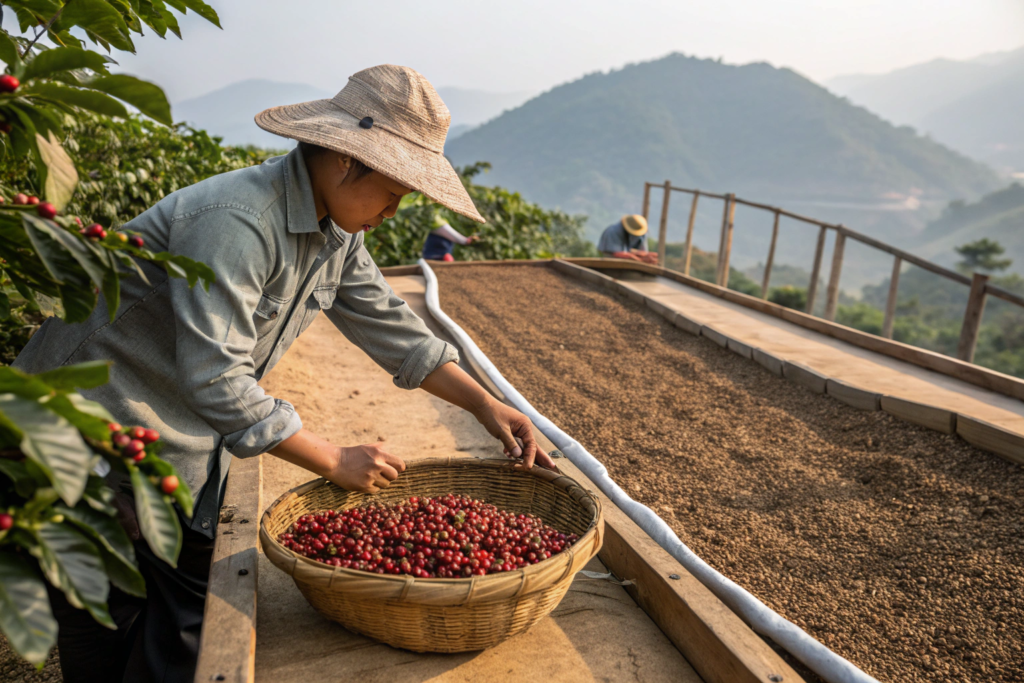
First, there's agronomic investment. Multinationals and local governments have introduced better varietals. While Catimor (known for disease resistance) still dominates for commercial yield, we are now seeing more Typica and Bourbon plantings in micro-climates, which are inherently more capable of complex flavors. Second, there's processing innovation. The old default was a basic washed process. Now, skilled producers are experimenting with honeys, naturals, and anaerobic fermentations, unlocking fruit-forward and wilder profiles that capture the attention of adventurous roasters. Third, and perhaps most critically, is knowledge. Training from international Q Graders, agronomists, and sourcing teams has raised the bar for picking, sorting, and drying. This isn't theory—on our own farms in Baoshan, bringing in these practices has lifted our specialty-grade output by over 40% in four years.
How Are Processing Methods Evolving Beyond Traditional Washed?
The move beyond basic washed processing is the most visible sign of Yunnan's specialty ambition. Washed Yunnan coffee can be clean and sweet, but it often plays it safe. Now, producers are taking risks.
- Honey and Natural Processes: By leaving more mucilage on the bean during drying (honey) or drying the whole cherry (natural), sugars concentrate. The results are cups with pronounced sweetness, body, and flavors of dried fruit, berries, and even wine. This directly appeals to roasters looking for standout profile.
- Experimental Fermentations: This is the cutting edge. Controlled anaerobic fermentation in sealed tanks, using specific yeast strains, is producing cups with unexpected notes of lychee, passion fruit, and spices. These microlots command premium prices and generate buzz, putting Yunnan on the map for innovation.
These methods require precision. Over-fermentation is a risk. But the willingness to experiment shows a region that is actively engaging with the global specialty dialogue, not just supplying a commodity.
What Role Do International Partnerships Play in Quality Uplift?
They are the accelerator. Partnerships with global specialty roasters and importers are crucial. These partners don't just buy coffee; they provide direct feedback, financial incentives for quality, and often pre-finance for better infrastructure (like eco-pulpers or dry mills). For example, a contract with a top-tier Australian roaster might specify a premium price for lots scoring above 84 points. This creates a powerful economic reason for a farmer to invest more labor in selective picking. These partnerships move quality from a hopeful goal to a contracted, profitable outcome. They also build the trustworthy relationships needed for long-term growth.
What Unique Cup Profile Does Yunnan Coffee Offer?
To be "the next big thing," a region needs a signature—a taste that is identifiable and desirable. Yunnan is developing its voice, which often sits between classic Central American and Asian profiles.
Many high-quality Yunnan coffees (particularly from regions like Baoshan, Pu'er, and Dehong) present a cup that is notably sweet and balanced, with a medium body that can have a silky or tea-like texture. Acidity tends to be mild and citric (think mandarin or lemon), not sharp. Common flavor descriptors include: brown sugar, cocoa, black tea, citrus, herbal notes, and often a subtle floral aroma. As processing experiments, more fruity and fermented notes emerge. This profile is accessible yet interesting. It's a coffee that can work well as a single-origin espresso, pleasing a wide audience, while also having the complexity for filter brewing.
How Does Terroir Influence Flavor in Yunnan's Micro-Climates?
Yunnan isn't a monolith. Its high-altitude plateau (900-1600 meters), red soil, and distinct dry/wet seasons create a general framework. But micro-climates matter immensely. Coffee grown in the cooler, misty hills of Baoshan might have brighter acidity and more floral notes. In the slightly warmer valleys of Pu'er, cups might develop more body and stone fruit sweetness. This diversity is an asset. It allows for sub-regional branding (like "Yunnan Baoshan" or "Yunnan Pu'er"), which is a key step in specialty marketing—it tells a more specific story than just "China." Understanding and communicating this terroir is the next challenge.
Can Yunnan Coffee Compete with Established Origins on Complexity?
This is the critical question. Against the vibrant acidity of a Kenyan or the explosive florals of an Ethiopian Gesha, a classic washed Yunnan might seem restrained. But "competition" isn't about imitation; it's about offering a desirable alternative. Yunnan's strength is often its drinkability and balance. It's less likely to be polarizing. In a market where many consumers find high-acidity coffees challenging, Yunnan's sweet, round profile is a strength. Furthermore, its experimental lots are proving it can produce wild complexity. The competition is on, and Yunnan is starting to win medals in international competitions, which is the ultimate credibility signal in the specialty world.
What Are the Major Challenges Holding Yunnan Back?
Momentum is building, but significant roadblocks remain. Ignoring them would be naive. The journey from "promising" to "big thing" requires tackling these issues head-on.
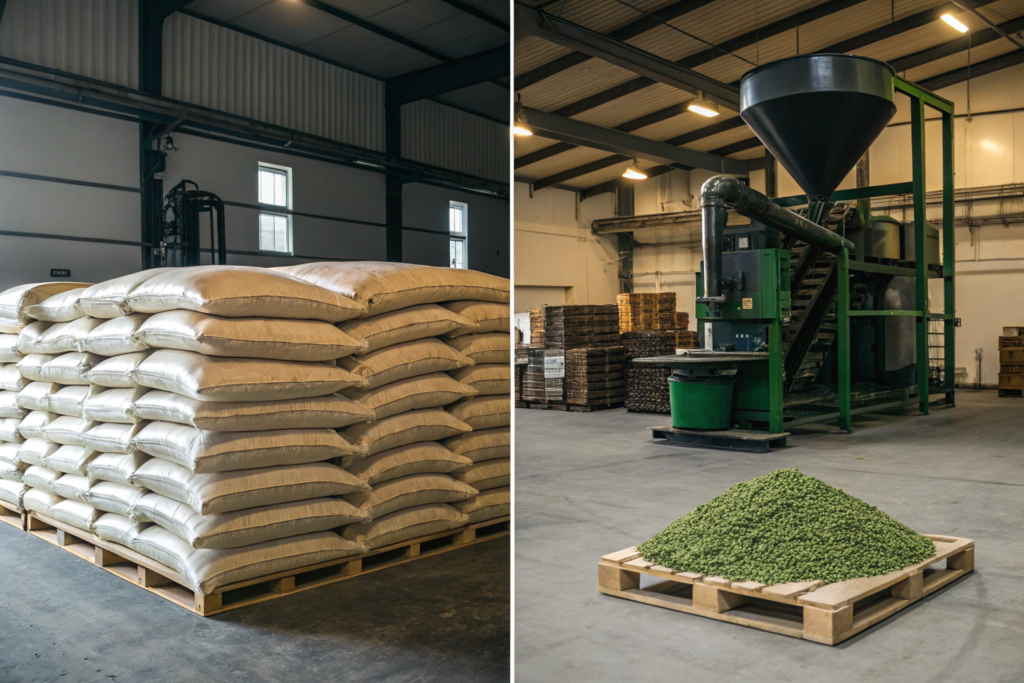
The first and biggest challenge is the legacy of volume. Yunnan is a powerhouse of commercial coffee production, largely for instant coffee and blends. This creates a perception issue. Buyers accustomed to sourcing cheap, commercial-grade Robusta or Catimor from China may not immediately believe the region can produce high-end Arabica. Changing this deep-seated perception takes time and a relentless focus on quality proof (scores, awards, transparent sourcing). Second is traceability. The specialty market demands story: farm name, farmer, altitude, process. Yunnan's supply chain has traditionally been built for consolidation, making farm-level traceability difficult and expensive to implement. Third is infrastructure. While large estates like ours have modern milling equipment, many smallholders still lack the dedicated space and tools for perfect post-harvest processing, which is where quality is often lost.
How Does the Commodity Market Perception Affect Specialty Pricing?
The shadow of the commodity market looms large. Because Yunnan is known as a source for low-cost coffee, there is sometimes an unconscious ceiling placed on what buyers are willing to pay, even for exceptional specialty lots. A Yunnan coffee scoring 86 points might be undervalued compared to a similarly scoring Colombian. Overcoming this requires exporters and producers to educate buyers and demonstrate value unequivocally through cupping and competition results. It also requires buyers to check their biases. The price should reflect the cup and the work, not the origin stereotype. This is a gradual process of building a new market reputation.
Is Supply Chain Transparency a Barrier for Direct Trade?
For the most sought-after "direct trade" relationships, yes, it often is. Many international roasters want to know the exact farmer, visit the farm, and tell that story. Yunnan's landscape is often one of many smallholders (with plots under 2 hectares) selling to centralized collection stations or large estates. Creating a fully transparent, single-farmer supply chain is logistically challenging. However, this is creating new models. Some exporters (including Shanghai Fumao) are now working with "producer groups" or specific villages, creating microlots with collective traceability. It's not single-farmer, but it's a huge step beyond "Yunnan, China." It's a reliable and stable way to bring better quality and story to market while improving livelihoods.
What is the Global Market Signal Telling Us?
The proof is in the purchasing. Are leading roasters and consumers putting their money behind Yunnan? The signals are increasingly positive.
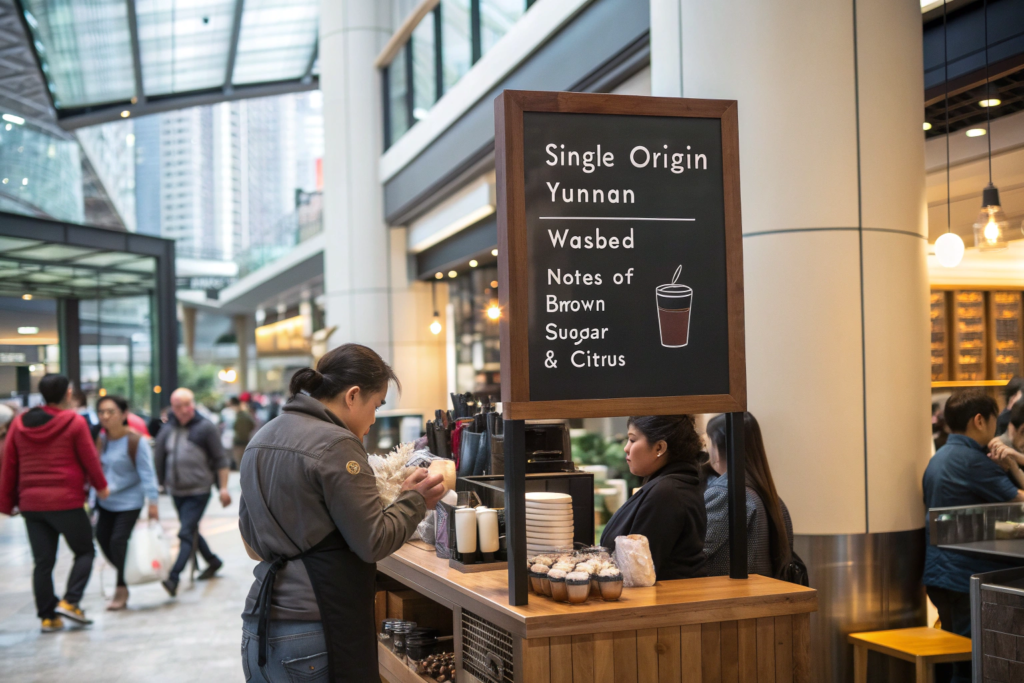
Visit a specialty coffee shop in Oslo, San Francisco, or Tokyo, and you're more likely than ever to find a Yunnan single-origin on the menu. Prestigious global roasters like Blue Bottle (USA), Tim Wendelboe (Norway), and Market Lane (Australia) have featured Yunnan coffees, often with high scores and positive tasting notes. These are credibility anchors. Furthermore, Yunnan coffees have started winning awards in competitions like the ASEAN Coffee Competition, and beans from Yunnan have set record prices in regional auctions. This market pull is creating a virtuous cycle: demand for quality encourages more investment in quality, which leads to better coffee and more demand. The narrative is shifting from "Can China produce good coffee?" to "Which lot from Yunnan is the most exciting this season?"
How are Top Roasters Marketing Yunnan Coffee to Consumers?
The most effective roasters are telling a story of discovery and change. They are not hiding the origin; they are highlighting it as an emerging, quality-focused region. Marketing copy often mentions:
- The Altitude and Landscape: "Grown on the high-altitude slopes of Yunnan..."
- The Improvement Journey: "Once known for commodity coffee, Yunnan is now producing stunning specialty lots..."
- The Unique Profile: "A beautifully balanced cup with unexpected floral notes..."
This framing educates consumers and positions Yunnan as an exciting, value-driven alternative to more expensive traditional origins. It turns the region's novelty into an advantage.
Does Yunnan Offer a Strategic Advantage for Supply Chain Security?
In a post-pandemic world, yes—absolutely. For roasters in North America, Europe, and Australia, diversifying supply chains away from traditional origins is a strategic move. China offers a politically stable, infrastructure-rich origin with reliable shipping routes. As a direct exporter, we can offer stable pricing and predictable logistics from a fully integrated supply base. This security and reliability is a powerful commercial argument that complements the quality story. It makes Yunnan not just a sensory bet, but a smart business one.
Conclusion
So, is Yunnan coffee the next big thing? It is arguably already a current thing in the making. It has moved from a curiosity to a credible, recurring origin on the menus of the world's best roasters. The quality revolution is tangible, the cup profile is distinct and appealing, and the market signals are strong.
The challenges of perception, traceability, and scale are real but are being actively addressed by a new generation of farmers, processors, and exporters. Yunnan will not replace Ethiopia or Colombia. Instead, it is carving out its own niche as a source of sweet, balanced, and increasingly complex coffees that offer both drinking pleasure and supply chain confidence.
The region’s trajectory points unmistakably upward. For roasters and importers looking for quality, value, and a compelling story of transformation, Yunnan is no longer a question—it's a serious answer.
If you are curious to taste the evolution for yourself and evaluate Yunnan's potential for your specialty lineup, we invite you to sample our latest microlots from Baoshan.
To request cupping samples of our specialty-grade Yunnan Arabica, including washed and experimental process lots, please contact our Head of Sales, Cathy Cai, at cathy@beanofcoffee.com. Let's explore the future, one cup at a time.