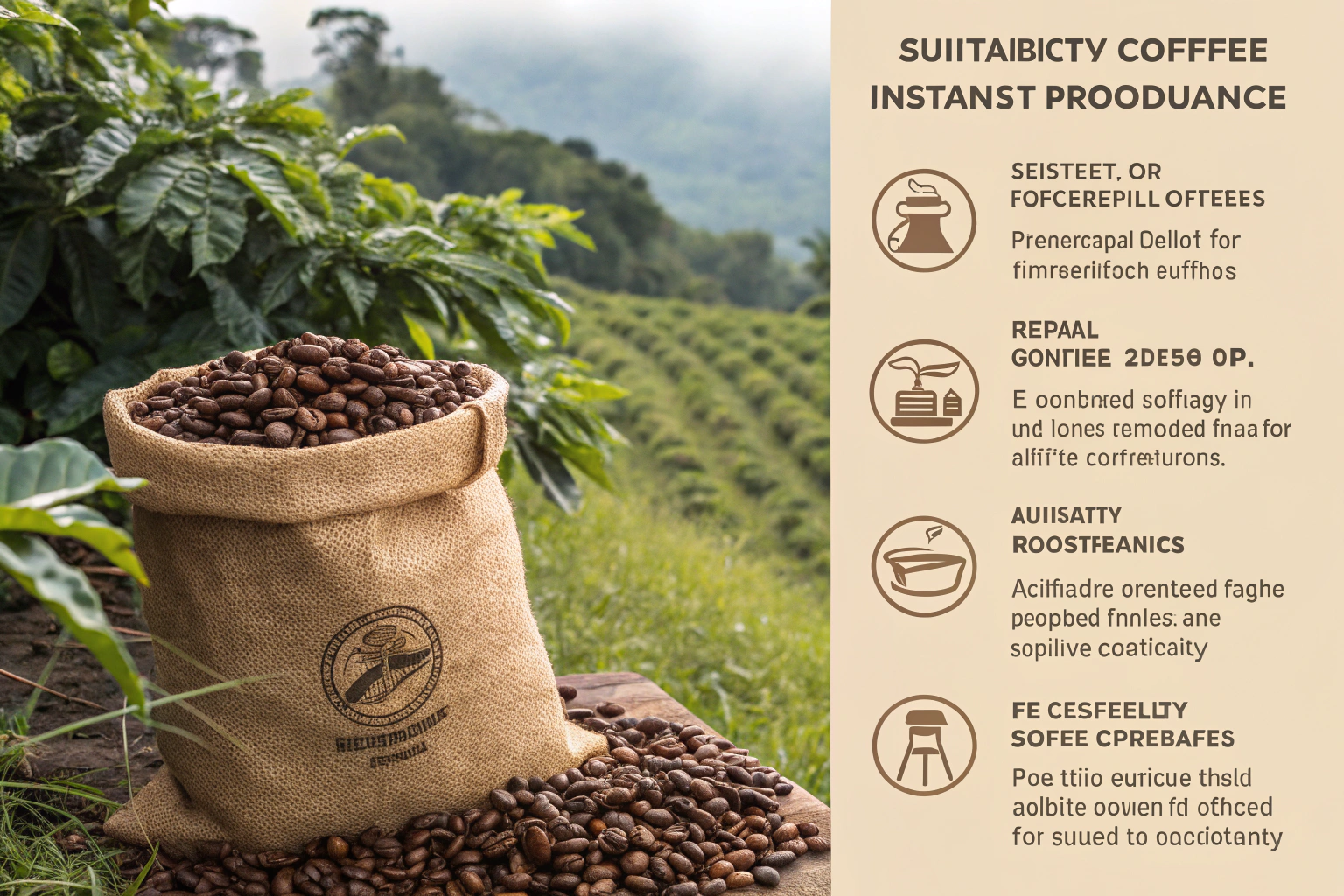
You run a large-scale food manufacturing business. You need a coffee base that's consistent, affordable, and performs predictably in an industrial process. You've heard of Catimor, maybe with mixed reviews from specialty circles. But for your instant coffee line, could it be the perfect workhorse? From our perspective in Yunnan, where Catimor is a major crop, the answer often leans yes. Let's break down why this specific variety aligns so well with the technical and economic demands of instant coffee production.
Catimor coffee is highly suitable for instant coffee production due to its inherent traits: high disease resistance leading to reliable yields and stable pricing, a flavor profile characterized by heavy body and low acidity that stands up well to industrial processing, and beans with favorable physical properties for efficient grinding and extraction. These factors combine to make it a cost-effective and consistent base for soluble coffee products.
That's the summary. But the specialty market's frequent criticism of Catimor—sometimes citing "bitter" or "rough" notes—is exactly what makes it a candidate for industrial transformation. The instant coffee process doesn't seek subtlety; it seeks a robust, soluble, and blendable foundation. Catimor provides that.
What Are the Key Agronomic Advantages of Catimor for Mass Production?
Before the beans even reach the factory, their story begins in the field. For a commodity product like instant coffee, supply security and cost predictability are paramount. Catimor's core strength is agronomic, not necessarily aromatic.
Catimor is a hybrid variety, a cross between Timor (which carries rust resistance) and Caturra (a dwarf Bourbon). This lineage was engineered for survival. Its primary advantage is high resistance to coffee leaf rust (Hemileia vastatrix), the most devastating fungal disease in coffee farming. This resistance translates directly into reliable, high-yield harvests with lower risk of crop failure. For a farmer—and by extension, for a large exporter like us managing vast acreage—this means predictable volumes year after year. In our plantations in Baoshan, this reliability allows for forward planning and stable supply contracts, which is the first step in offering a good price to large-volume industrial buyers. Consistent supply is more valuable than a fleeting, delicate flavor.

How Does Disease Resistance Lower Production Cost?
Disease resistance is a direct input cost saver. A susceptible variety requires constant investment in fungicides, labor for application, and faces the risk of total loss. Catimor's built-in resistance drastically reduces, and in some cases eliminates, the need for chemical rust control. This has a cascading effect:
- Lower Input Costs: Reduced spending on agrochemicals.
- Lower Labor Costs: Less time and money spent on disease management.
- Higher Effective Yield: More of the harvested cherry is usable, not lost to disease.
- Risk Mitigation: More secure collateral for farm financing.
These farm-level savings contribute to a more stable and competitive green bean price. For an instant coffee producer sourcing thousands of tons, even a cent-per-kilo saving multiplied across that volume is significant. This makes Catimor a cornerstone for a stable and cost-effective supply chain.
Why Are High and Consistent Yields Critical for Instant Coffee?
Instant coffee is a high-volume, fast-moving consumer good. Its production lines are designed to run continuously, consuming massive amounts of raw material. Inconsistent or low supply disrupts this, causing production halts and contractual penalties. Catimor's genetics promote not just high yield, but also consistent yield. The plants are productive and the harvest is predictable. This reliability allows instant coffee manufacturers to sign long-term offtake agreements with exporters, securing their raw material pipeline. It allows us at Shanghai Fumao to confidently commit to large, scheduled shipments for our clients in Europe and Australia. In commodity processing, predictability often trumps peak quality.
How Does Catimor's Flavor Profile Serve Instant Coffee?
The flavor journey of instant coffee is unique. It involves high-temperature roasting, grinding, pressure extraction, and then spray-drying or freeze-drying. This process obliterates delicate, volatile top notes (like floral or citrusy acids) and amplifies base notes. Catimor's natural profile is already skewed towards those base notes.
Catimor beans typically produce a cup with a heavy body, low to moderate acidity, and flavors often described as woody, earthy, spicy, or with a distinct bitterness. In a specialty pour-over, these can be seen as defects. In the industrial flavor matrix for instant coffee, they are building blocks. The heavy body contributes to the "mouthfeel" of the reconstituted drink. The low acidity means it's less likely to produce harsh, sour off-notes when subjected to aggressive extraction. The robust, sometimes blunt flavor stands up to the manufacturing process without disappearing. Furthermore, this profile makes it an excellent blending component. It can be used as a base to carry more aromatic (and expensive) coffees, or to add texture and "coffee punch" to a blend.
Why is Low Acidity and Heavy Body Desirable?
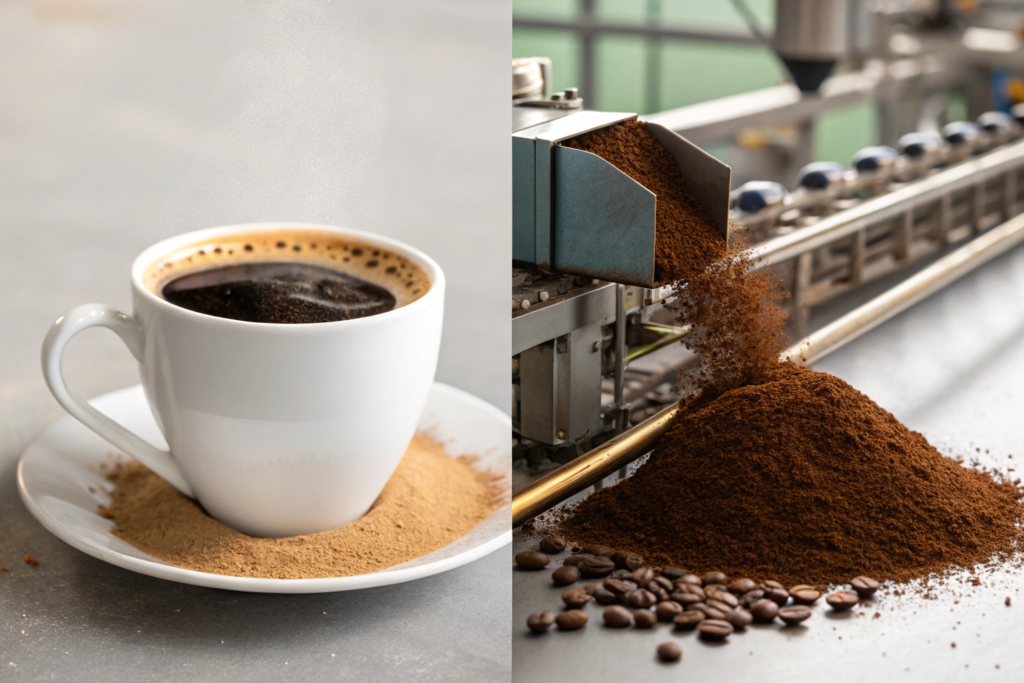
The instant coffee process is inherently acidic. High-heat extraction can lead to increased titratable acidity. Starting with a low-acidity bean like Catimor helps keep the final product's pH in a palatable range, avoiding an overly sharp or sour taste that consumers often reject in instant coffee. The heavy body, or viscosity, is crucial because the drying process can thin out the perceived texture. A bean that contributes natural body helps the final powdered or granulated product reconstitute into a brew that feels more "substantial" and satisfying in the cup, masking the potential thinness associated with some instant products.
How Does Catimor Behave During High-Temperature Processing?
Catimor's physical structure and chemical makeup allow it to withstand processing rigors. It tends to have a dense bean structure. This density can contribute to a more uniform grind size, which is critical for consistent extraction in industrial percolation columns. More importantly, its flavor compounds are less volatile. The delicate esters and aldehydes that give a Geisha its tea-like aroma are destroyed early in the instant coffee process. Catimor's flavor relies more on pyrazines and phenolic compounds (associated with earthy, spicy, bitter notes) which are more stable at high temperatures. So, what you put in (in terms of core flavor) is more closely related to what you get out after processing. This predictability is gold for a quality control lab in an instant coffee factory.
What Are the Physical Bean Properties That Aid Manufacturing?
Beyond taste, the physics of the bean matter enormously on a factory floor. Throughput, efficiency, and yield percentage are calculated to the decimal point. Catimor offers favorable characteristics here too.
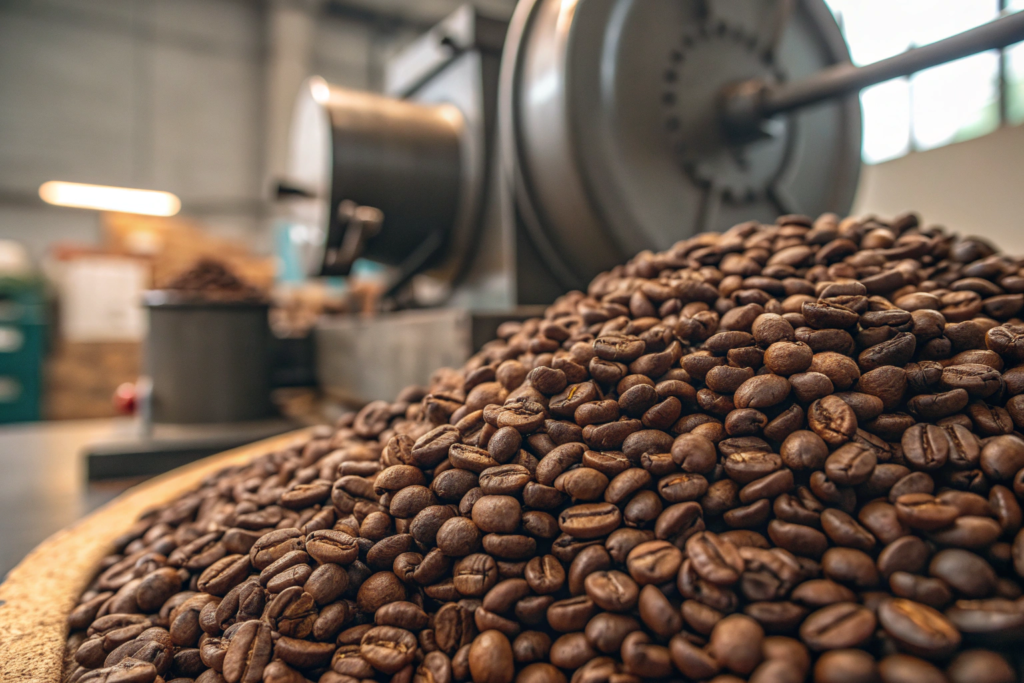
The beans are often of a consistent, medium size and have a relatively dense structure. This consistency aids in uniform roasting in large-scale drum roasters. Beans that roast evenly reduce energy waste and prevent a mix of under and over-developed beans that can hurt extraction efficiency. After roasting, the beans are ground. Catimor's density allows it to fracture predictably, creating a grind profile that facilitates even water flow and extraction in the massive percolation columns used to make coffee concentrate. Inconsistent grind can lead to "channelling," where water bypasses coffee grounds, wasting raw material and reducing soluble yield.
How Does Bean Density and Size Affect Extraction Yield?
Extraction yield is the percentage of soluble solids successfully pulled from the ground coffee. Higher yields mean more final product from the same amount of green bean, directly impacting profitability. A uniform, dense bean like Catimor allows for precise calibration of the grind size and extraction parameters (time, temperature, pressure). When every bean is similar, the hot water extracts solubles at a similar rate, maximizing efficiency. Variable bean density (common in mixed-origin blends or lots with many peaberries) causes some beans to over-extract (releasing undesirable bitter compounds) and others to under-extract (wasting potential solubles). Catimor's homogeneity minimizes this problem, supporting a high and clean extraction yield.
Why is Consistency More Important Than Peak Flavor?
In instant coffee manufacturing, the goal is not to highlight a unique terroir but to produce a product that tastes exactly the same in every jar, everywhere in the world, for years. Consistency is the paramount form of quality. Catimor, especially when grown in large, managed blocks like ours, delivers remarkable bag-to-bag, shipment-to-shipment consistency in its green bean metrics (moisture, density, screen size). This raw material consistency is the foundation for consistent roasting, which leads to consistent extraction, which results in a consistent final powder. For a brand, this means no consumer complaints about a "different tasting" batch. This reliable and stable character is why large manufacturers repeatedly source such varieties.
How Does Catimor Fit into a Global Sourcing Strategy?
For a multinational instant coffee brand, sourcing is a complex puzzle balancing cost, risk, volume, and quality. Catimor is a strategic piece in that puzzle, especially when sourced from a non-traditional origin like China.
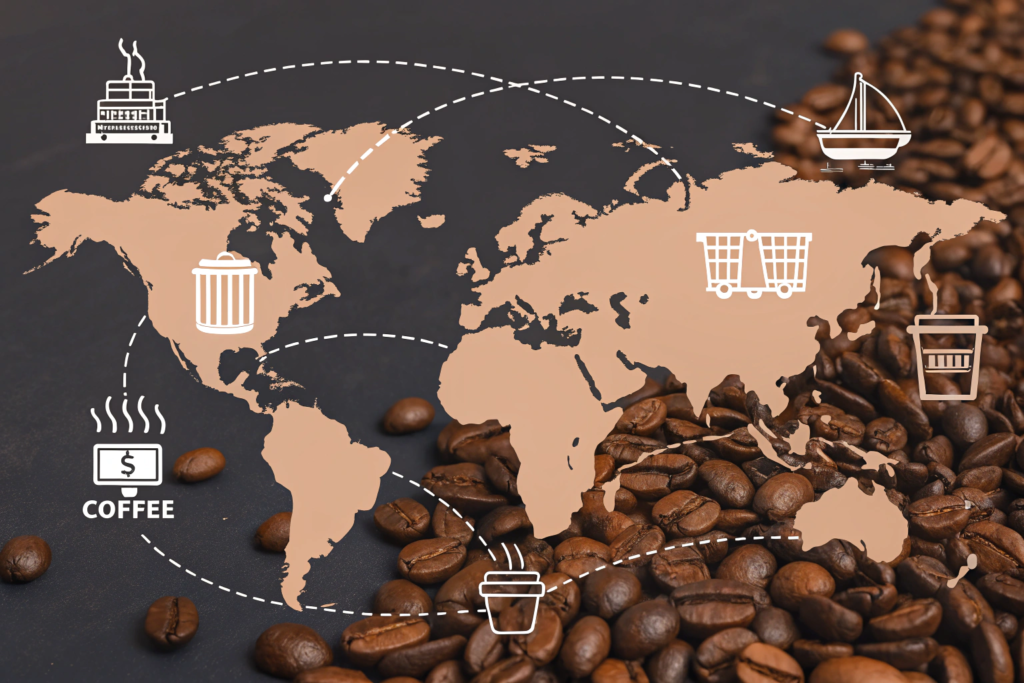
Sourcing Catimor from Yunnan, China, offers a diversification benefit. Relying solely on Brazil, Vietnam, or Colombia exposes a buyer to climate risks, local economic shifts, and supply chain congestion in those regions. Adding a reliable source from China, with its developed export infrastructure and political stability, mitigates that risk. Furthermore, as a direct exporter from origin, we can offer logistics advantages. Our proximity to major Chinese ports like Shanghai or Shenzhen means shorter, more controllable inland transit, reducing one variable in the supply chain. For a cost-focused product like instant coffee, building a multi-origin supply portfolio that includes a cost-competitive, reliable source like Chinese Catimor is simply smart business.
Can Yunnan Catimor Compete with Other Major Origins on Cost?
Absolutely. Our integrated model at Shanghai Fumao—controlling the land, processing, and export—allows us to be highly competitive. We avoid multiple middleman markups. While our yields per hectare are strong, the overall lower cost of labor and inputs in Yunnan compared to some traditional origins can translate into a compelling FOB price. When you factor in the tariff costs (which can vary by origin due to trade agreements), shipping distances to key markets like East Asia, and the stability of supply, Chinese Catimor often presents a very attractive total landed cost proposition for bulk buyers.
What are the Logistics Benefits of Sourcing from China?
China's export ecosystem is arguably the most efficient and scalable in the world. Ports are modern and uncongested compared to some other major exporting countries. Shipping frequencies to North America, Europe, and Australia are high, providing flexibility on sailing schedules. Payment systems are sophisticated and secure. For a large buyer, this means you can plug into a predictable, professional export machine. The paperwork, customs procedures, and container handling are executed with a level of efficiency that minimizes the hidden costs and delays that can plague agricultural exports from less developed infrastructure. This logistical reliability is a core part of being a trustworthy supplier for industrial clients.
Conclusion
Catimor coffee is not the star of the specialty stage, and that's precisely its strength for the instant coffee industry. Its value proposition is engineered for scale, efficiency, and consistency. From the rust-resistant fields that guarantee supply, to the robust flavor that survives processing, to the physical bean properties that optimize extraction, Catimor is a variety built for industrial transformation. It offers instant coffee manufacturers a reliable, cost-effective, and technically suitable base upon which to build their global products.
For bulk buyers looking to secure a stable pillar for their soluble coffee production, overlooking Catimor—particularly from a controlled, integrated supplier in an origin like Yunnan—means missing a key tool for competitive advantage. It's the workhorse bean that powers one of the world's most accessible coffee formats.
If you are evaluating your instant coffee base blend or seeking a dependable, high-volume component, we invite you to sample our Yunnan Catimor. Experience firsthand how its agronomic and processing characteristics can benefit your production line and bottom line.
For technical specifications, bulk samples, and competitive quotes on Yunnan Catimor for instant coffee production, please contact our sales lead, Cathy Cai, at cathy@beanofcoffee.com.