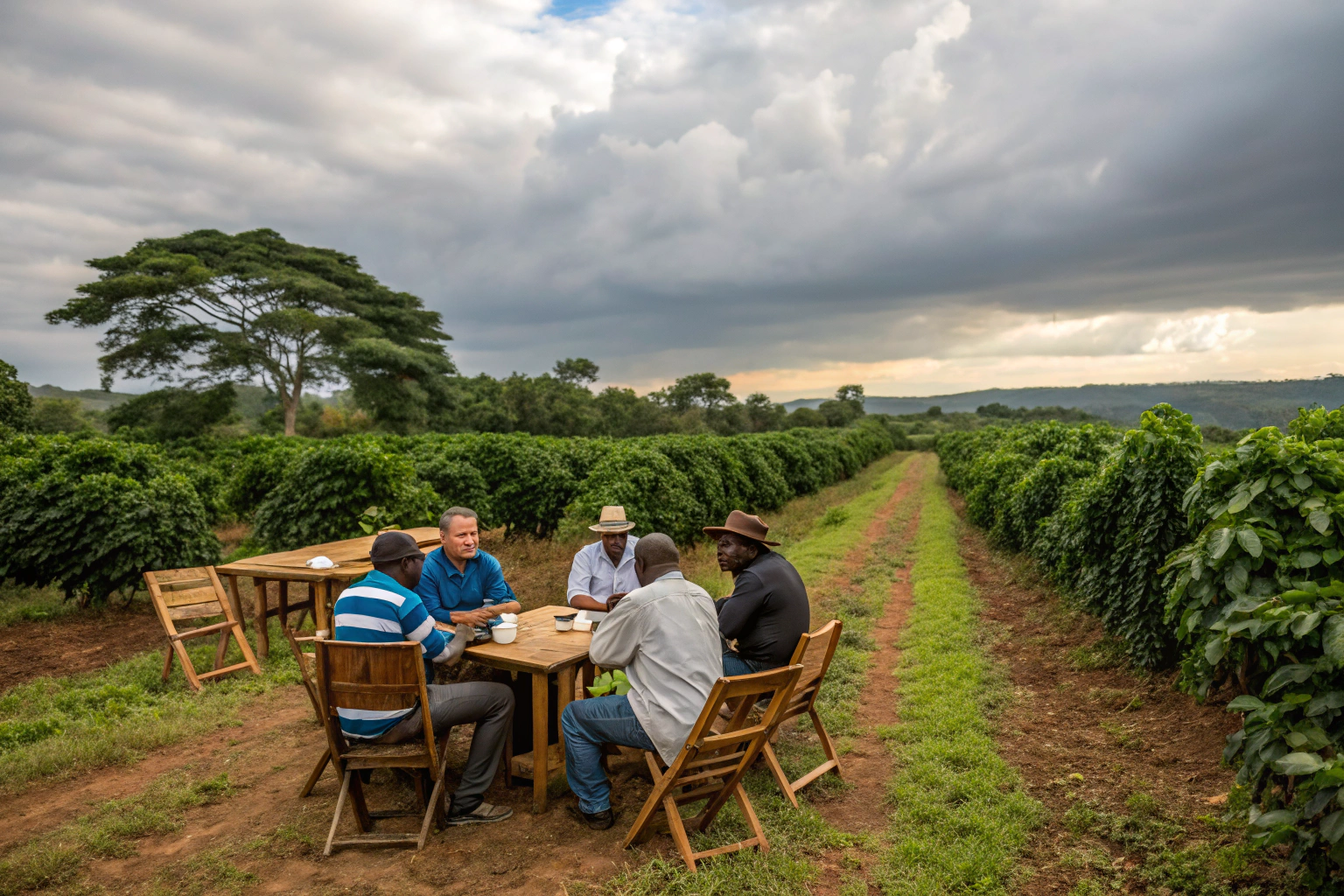
You see the price you pay. You wonder, "How much of this actually reaches the farmer?" You want transparency, better quality control, and a story you can trust. But between you and the grower, there seem to be too many hands, too many markups, and too little information. I know that feeling. Before building our export business, I struggled with the same opacity. Now, from our position as both growers and exporters in Yunnan, I can tell you: a true direct relationship is possible and transformative.
Creating a direct relationship with coffee growers involves a fundamental shift from transactional buying to partnership-building. It requires identifying growers or grower collectives with the capacity for direct export, visiting origins to establish trust, and co-investing in quality and sustainability. This approach cuts out intermediaries, giving you cost advantages and the grower better margins, while ensuring unparalleled traceability and quality consistency for your brand. However, it demands significant commitment in time, communication, and often, upfront financial collaboration.
That's the simple answer. But the reality on the ground is more nuanced. A "direct" relationship can mean different things—are you buying from a single farm, a cooperative, or a plantation-owning exporter like us? Each model has its own challenges and rewards. Let's walk through the practical steps to build that connection, and how it can evolve from a simple purchase into a powerful business alliance.
Why Should Buyers Bypass Traditional Importers?
The traditional coffee chain is long. It often looks like this: smallholder farmer → local collector → miller/exporter → international importer → roaster. Each step adds cost, reduces transparency, and dilutes the story. For a buyer, especially a brand or distributor, this model is becoming a liability. Your customers want to know the origin. Your quality needs consistency. Your margins need protection.
Bypassing traditional importers gives you control. You communicate your quality specifications directly to the people who manage the harvest and processing. You get real-time updates from the field, not delayed reports through a chain. You secure a larger portion of the value for yourself and the grower. Creating a direct relationship with coffee growers involves a fundamental shift from transactional buying to partnership-building. It requires identifying growers or grower collectives with the capacity for direct export, visiting origins to establish trust, and co-investing in quality and sustainability. This approach cuts out intermediaries, giving you cost advantages and the grower better margins, while ensuring unparalleled traceability and quality consistency for your brand. However, it demands significant commitment in time, communication, and often, upfront financial collaboration.
What Are the Real Cost Benefits of Going Direct?
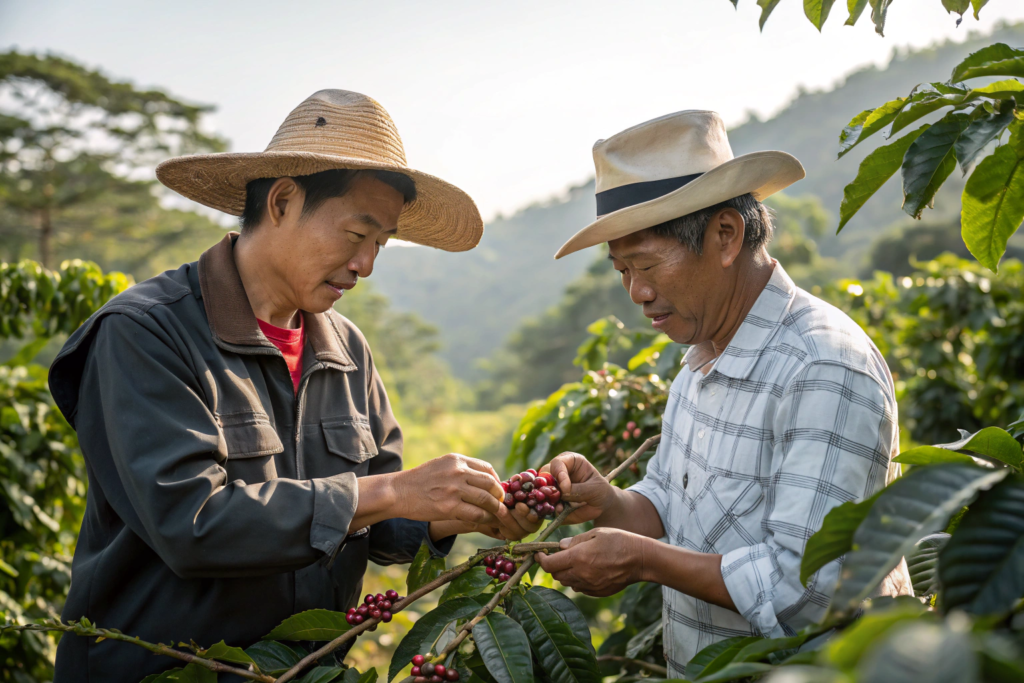
The cost benefits are twofold: better purchase price and value retention. First, by negotiating directly with a large-scale grower or collective, you eliminate the margins of multiple traders. This doesn't always mean the absolute cheapest price—premium quality still costs—but it means more of your dollar goes into producing that quality. Second, and more subtly, you reduce "quality fade." In long chains, beans can be mixed or stored poorly between links. Direct sourcing minimizes handling, preserving the quality you paid for. At Shanghai Fumao, when you work with us, you are paying the source. There's no hidden layer. Our price reflects our cost of production plus a fair margin, making your costing predictable and transparent. This is a core part of being a reliable and trustworthy supplier.
How Does Direct Sourcing Improve Quality Control?
Direct sourcing puts you in the driver's seat for quality. Instead of receiving a pre-selected lot, you can specify details: "I want beans from slope B, harvested after 20 days of no rain, processed as honey with a 72-hour fermentation." You can fund the purchase of specific equipment for the washing station. You can even send your own QA person during harvest. This level of involvement is impossible with an importer who aggregates from many sources. For us, as growers, these direct partnerships are invaluable. They give us the confidence to invest in better drying beds or sorting machines because we have a committed buyer. It’s a virtuous cycle. You get a product tailored to your roast profile, and we get the support to produce it consistently. That’s the foundation of a good price and good quality equation that works for everyone.
What Are the First Steps to Identify and Contact Growers?
The idea is exciting, but where do you start? The origin landscape can feel vast and unfamiliar. The key is to move from online searches to on-the-ground intelligence. You need a strategy that balances digital tools with real-world networking.
The first steps are research, then respectful outreach. Start by identifying your target origin (e.g., Yunnan, China for Arabica and Catimor). Use professional platforms like LinkedIn to search for "Coffee Farm Manager," "Coffee Plantation Director," or "Coffee Exporter" in that region. Attend major trade shows like SCA Expo or World of Coffee, where growers and exporting companies often have booths. Google searches for terms like "Yunnan coffee plantation export" or "specialty coffee China farm" can lead to company websites. However, the most effective method is often a referral. Talk to green coffee importers who may have origin contacts they are willing to share (some may not), or connect with other roasters who already source directly. Once you have a list, craft a concise, professional email introducing your company, your volume needs, and your desire to explore a direct partnership. Avoid leading with just price demands; express genuine interest in their farm and quality.
How to Use Trade Shows and Alibaba Effectively?
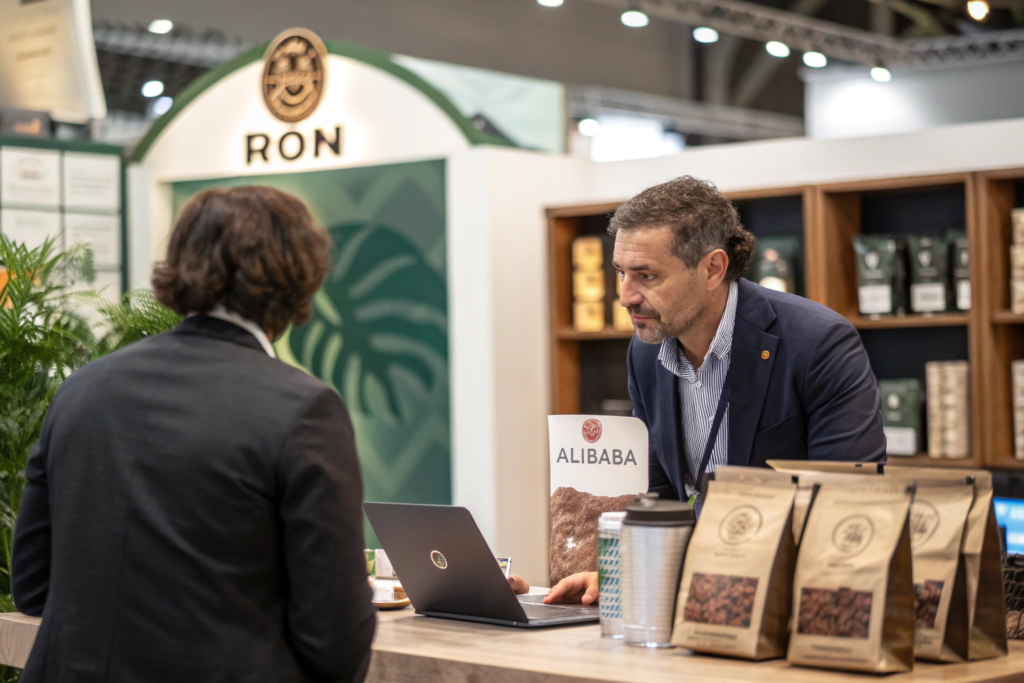
Trade shows are unparalleled for making real connections. When you meet a grower face-to-face, you can assess their professionalism, see sample beans, and build instant rapport. Come prepared with specific questions about their acreage, processing methods, and export capabilities. Take notes. Follow up within a week. Alibaba is a powerful tool, but you must filter carefully. Look for verified suppliers with "Gold Supplier" status and years of operation. Crucially, look for suppliers who state they own plantations or factories. Our company, Shanghai Fumao, uses Alibaba to connect with serious buyers because it signals we have the scale and professionalism for international trade. On our storefront, we emphasize our owned plantations, certifications, and export experience. For you, a strong Alibaba profile with clear ownership claims is a good starting point for due diligence, not the finish line.
What Key Questions to Ask a Potential Grower Partner?
Your first conversations should be investigative. You need to move beyond "what's your price?" to "how do you operate?" Essential questions include:
- "Do you own your plantations, or do you source from smallholders?" (This tells you about control and scale).
- "Can you provide the GPS coordinates of the farms?" (Tests traceability).
- "What quality control measures do you have in place at the mill?" (Probes their systems).
- "What certifications do you hold, and are they for your own farm/processing unit?" (Verifies claims).
- "What is your typical export process? Do you handle phytosanitary certificates and logistics?" (Reveals their export readiness).
- "Can we arrange a video call or a visit to see the processing facilities?" (Shows commitment).
Their answers will separate true farm-direct operators from traders. A grower-exporter who is confident will welcome these questions.
How to Structure a Fair and Sustainable Direct Trade Agreement?
A handshake isn't enough. A direct relationship needs a clear, written framework that protects both parties and aligns incentives. This agreement goes beyond a standard purchase contract; it's a blueprint for partnership.
A fair agreement is transparent, predictable, and shares both benefits and risks. The price mechanism is central. Instead of just tying to the volatile C-market, consider a cost-plus model (covering production costs plus a negotiated margin) or a fixed price per pound for the season. This provides income stability for the grower and cost predictability for you. The agreement should also detail quality specifications (screen size, moisture, defect count, cupping score), payment terms (e.g., 30% deposit, 70% against shipping documents), and responsibilities for logistics and certifications. Crucially, it should include a commitment to multi-year collaboration. This allows the grower to invest in quality improvements, knowing they have a market. For example, we at Shanghai Fumao often agree to 3-year rolling contracts with our direct partners, which allows us to plan tree renovation and new processing infrastructure.

What Pricing Models Work Best for Direct Partnerships?
Three models stand out:
- Fixed Price per Pound/Kg: Agreed before the harvest, locked for the season. This is simple and provides maximum stability for both sides.
- Cost-Plus Model: The buyer agrees to cover the farm's verified production costs (labor, inputs, processing) plus a pre-agreed fixed profit margin. This requires high transparency but is extremely fair.
- Quality-Based Premiums: A base price is set, with bonuses paid for achieving higher cupping scores or specific quality metrics. This directly incentivizes quality improvement.
For most new relationships, a fixed price is simplest. As trust builds, you can experiment with quality premiums. The goal is to move away from the daily lottery of the commodity market.
How to Ensure Quality and Logistics in the Contract?
The contract must be specific. Attach a detailed quality protocol as an appendix. It should state how and by whom quality will be tested (e.g., SCA protocols, by a licensed Q Grader at origin), and what happens if the shipment fails to meet spec (e.g., a price discount or rejection). For logistics, clearly define the Incoterm (e.g., FOB Shanghai, meaning you own the goods once they're on the ship). Specify who arranges inland transport, who books the sea freight, and who handles export documentation. A professional grower-exporter will manage everything up to the chosen Incoterm. The contract should list all required documents (Commercial Invoice, Packing List, Bill of Lading, Phytosanitary Certificate, Certificate of Origin). This clarity prevents costly misunderstandings and ensures the timeliness and security of your shipment.
How to Maintain and Grow a Direct Relationship Long-Term?
Signing a contract is the beginning, not the end. A direct relationship is a living thing that needs care. Without maintenance, it can wither into just another transactional link, losing its unique value.
Maintenance is built on consistent communication, shared learning, and mutual investment. Visit the farm regularly, not just when there's a problem. Share feedback from your roastery and your customers' tasting notes. Be transparent about your market challenges. Pay invoices promptly—this is one of the strongest signals of respect and reliability. Beyond the commercial, look for ways to invest in the partnership. This could be co-funding a community project near the farm, contributing to a fund for farmer education, or financing a specific piece of processing equipment that will improve quality for your lots. This turns you from a buyer into a patron and partner. The grower, in turn, will prioritize your orders, share their best lots, and give you early warnings about potential crop issues. It's about building security and trust that buffers both of you from market shocks.
Why Are Regular Farm Visits and Communication Vital?
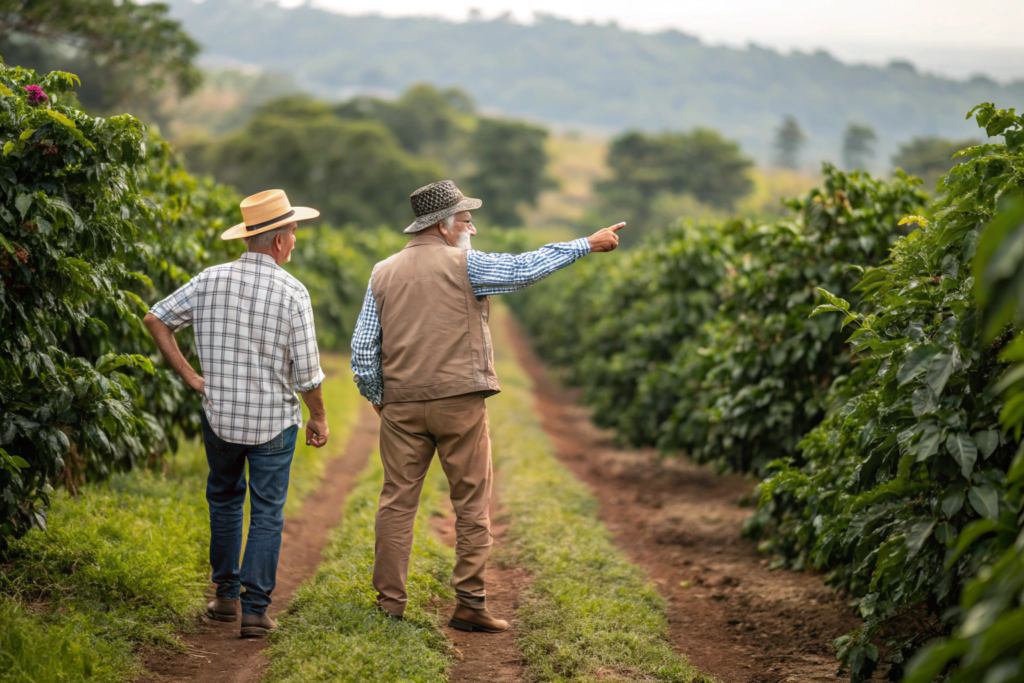
You cannot manage what you don't see. Farm visits solve problems before they become crises. You can spot agronomic issues, understand processing challenges firsthand, and build genuine friendships with the team. It transforms emails and calls into conversations between allies. Between visits, use tools like WhatsApp for quick updates (photos of the flowering, the harvest), and schedule regular video calls. Share your roasting results with them—it connects their work directly to the final product. This ongoing dialogue creates a shared language around quality and builds a level of trust that makes contract negotiations smoother and more collaborative. Honestly, some of our best processing innovations at our Yunnan plantations came from brainstorming directly with our long-term buyer partners.
How Can Buyers and Growers Co-Invest in the Future?
Co-investment deepens the stake for both parties. Examples are practical: You might pre-finance 50% of the harvest cost to help the farm cover upfront labor payments. In return, you get a locked-in price and priority on the best beans. Or, you could jointly fund a new eco-pulper or a solar dryer, with the cost amortized over several seasons' purchases. Another way is to sponsor a farm worker to get Q Grader certification, raising the internal quality standard. These actions show you are committed to the farm's success, not just your next shipment. For a grower-exporter like us, knowing a buyer is willing to co-invest gives us the confidence to undertake longer-term projects that benefit everyone, like transitioning more acreage to organic practices or planting new, climate-resilient varieties like some of our Catimor plots. This is how a supply chain becomes truly stable and forward-looking.
Conclusion
Creating a direct relationship with coffee growers is a journey from complexity to clarity. It replaces a chain of unknowns with a line of sight from your roastery to the origin farm. It transforms cost from a variable to be managed into a value to be shared. Yes, it requires more effort upfront—in research, travel, and contract crafting. But the return is a competitive moat: unassailable quality control, a authentic brand story, and a supply chain resilient to market volatility.
This model is the future of sustainable and profitable coffee sourcing. It rewards the grower with dignity and fair pay, and it rewards you with a product and partnership you can build a brand upon.
If you're ready to explore a true farm-direct relationship with a scale that can support serious volume, we are here. At BeanofCoffee, we are not intermediaries; we are the growers. We own the land, manage the processing, and handle the export. We are built for direct partnerships.
To start a conversation about what a direct relationship with a Yunnan plantation-owning exporter can look like for your business, please contact Cathy Cai. She can coordinate a virtual farm tour and discuss potential contract frameworks. Reach her at cathy@beanofcoffee.com. Let's build a direct line, together.