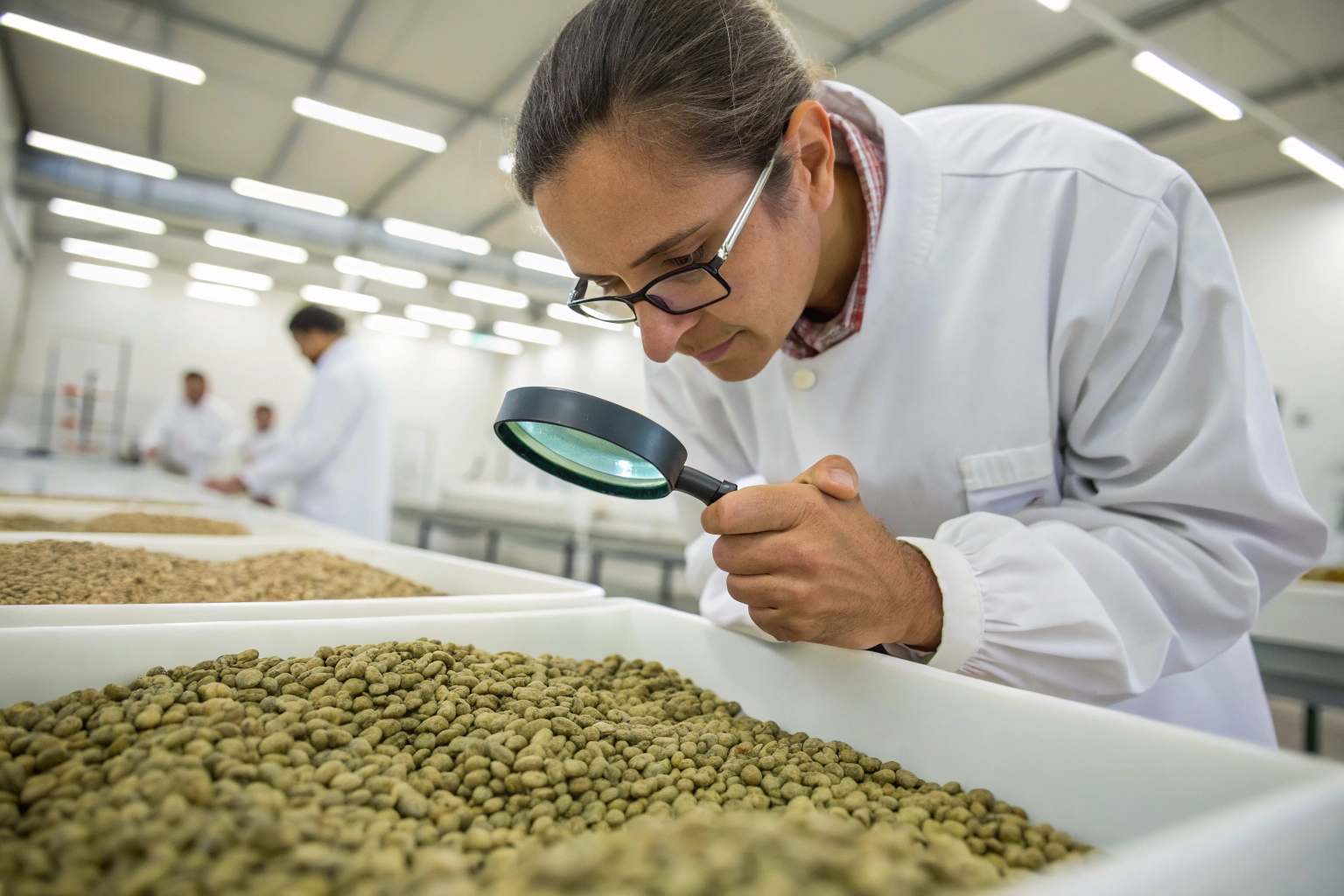
I remember the call that still gives me nightmares. A buyer in Europe had received our container. Good coffee, they said. But then they found something. Small holes in some beans. Live insects in the warehouse. My stomach dropped. We had failed.
That shipment was rejected. It had to be fumigated at the buyer's expense. Then re-exported or destroyed. We lost the customer. We lost money. We lost sleep. And we learned a hard lesson. Pest prevention is not optional. It is everything. You can read about coffee pest management on International Coffee Organization or check quarantine regulations on USDA APHIS.
Let me walk you through what we do now. Every step. Every check. Because if you are buying coffee, you need to know it is clean. And if you are selling, you need to guarantee it.
What Pests Commonly Affect Coffee Beans?
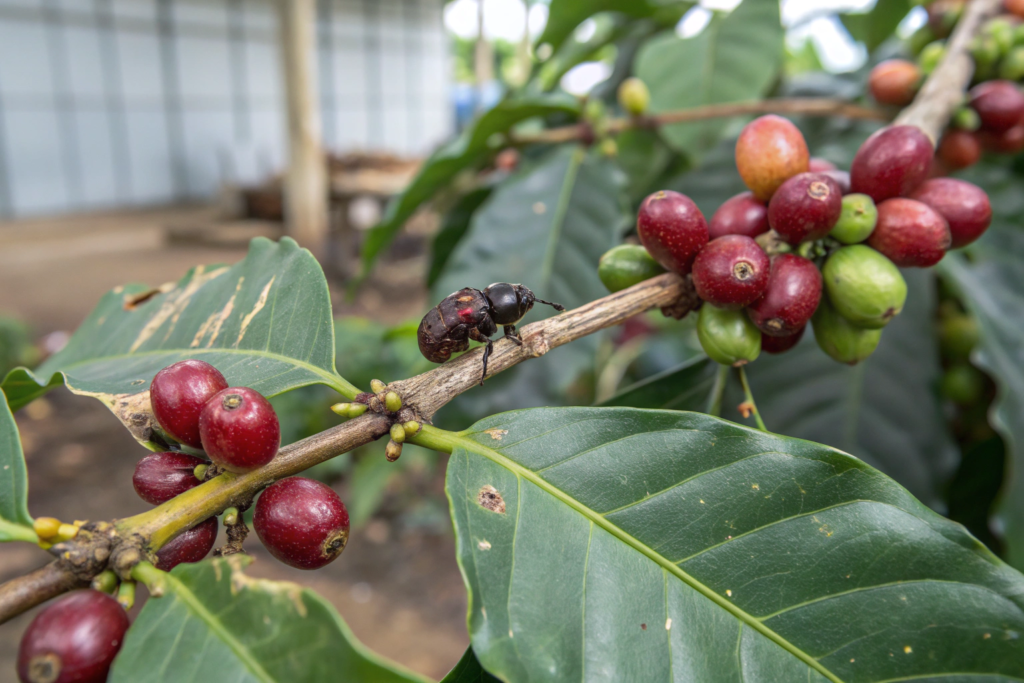
The coffee berry borer is the worst. A tiny beetle that bores into the cherry. It lays eggs inside. The larvae eat the bean. You cannot always see it from the outside. But when you cup it, the flavor is terrible. Bitter. Tarry. Ruined.
Then there are storage pests. Cigarette beetles. Drugstore beetles. Flour beetles. These attack stored beans. They multiply fast. They spread through warehouses. If you see one, there are probably hundreds you do not see.
How do pests get into coffee?
In the field, the borer attacks during growth. It flies from tree to tree. It lays eggs in the cherry. If you do not control it, you lose the crop.
In storage, pests come from contaminated equipment. Old bags. Dirty warehouses. They hitchhike in from other shipments. They multiply in warm, humid conditions. Once they are in, they are hard to get out.
Can pests survive shipping?
Yes. Absolutely. Borers can survive inside beans for months. Storage pests live in crevices in containers. They travel the world in shipments. That is why every country has quarantine rules. They do not want your pests becoming their problem. Our partners at Shanghai Fumao have seen how strict these inspections can be.
How Do You Prevent Pests on the Farm?
Prevention starts in the field. Before the cherry is even picked.
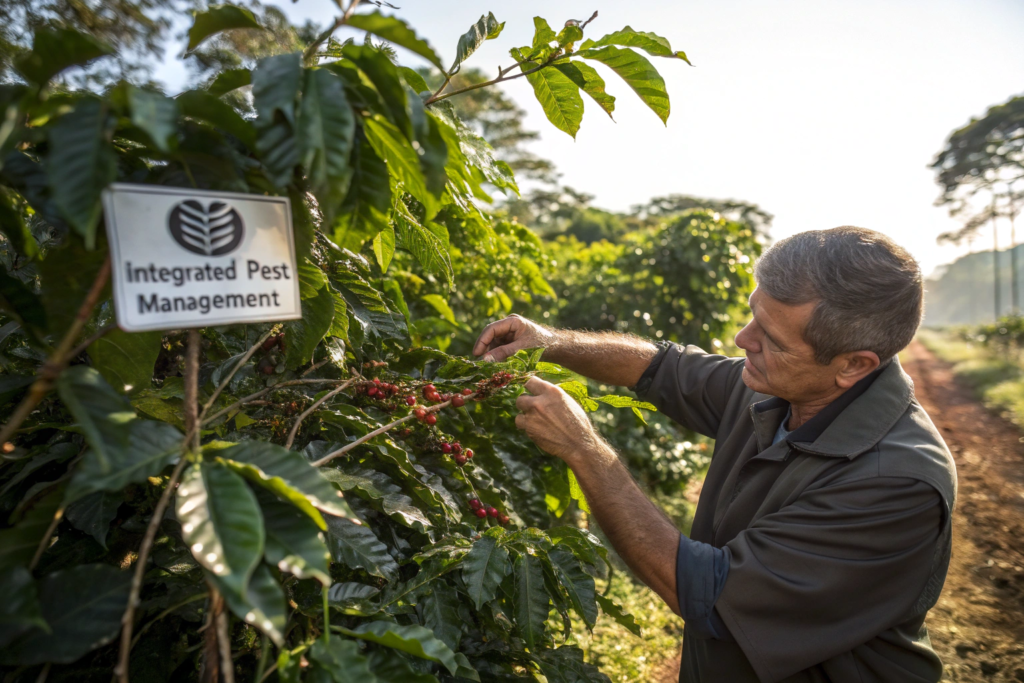
We use integrated pest management. That means monitoring, traps, biological controls, and careful harvesting. We do not wait for problems. We look for them early.
What is integrated pest management for coffee?
IPM is a system. Not just spraying chemicals. You monitor pest levels. You use traps to catch borers. You release natural enemies. You remove infested cherries. You only spray when absolutely necessary.
We have teams that walk the fields every week. They check for signs of borer. If they find any, we act immediately. Remove the infested cherries. Treat the area. Stop the spread.
How does harvesting affect pest risk?
Leaving cherries on trees is dangerous. Overripe cherries attract borers. They multiply there. Then they move to healthy cherries.
We harvest on time. We strip trees clean. We do not leave ripe cherries hanging. That removes the borer's food source. It breaks the cycle. It is simple but effective.
How Do You Prevent Pests During Processing?
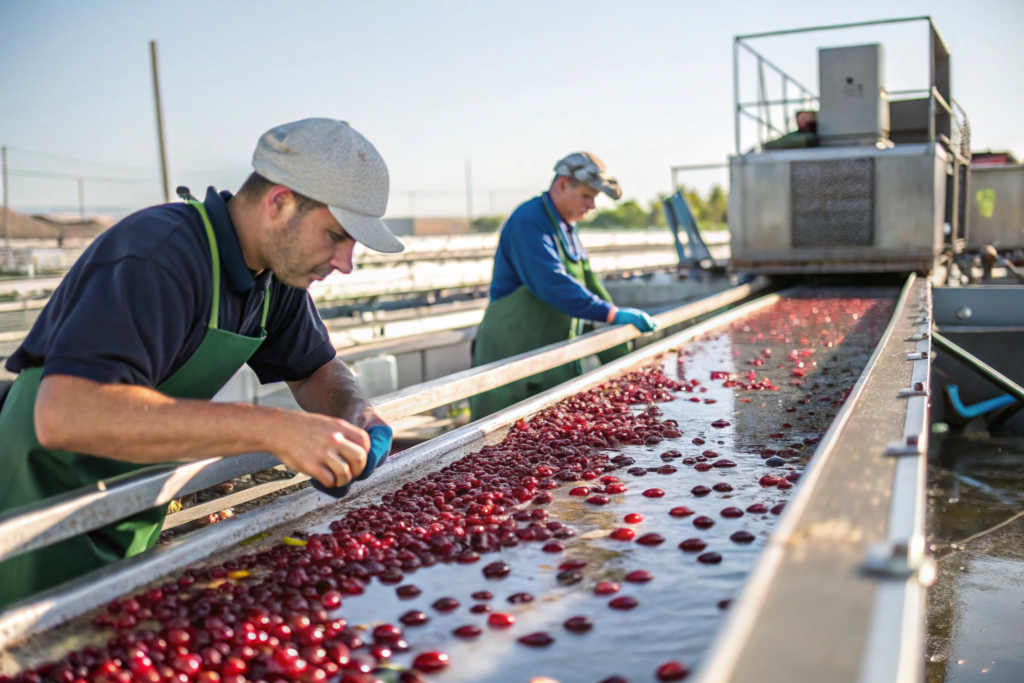
Processing is the first line of defense after harvest. Infested cherries are lighter. They float. In washing channels, they separate. Good cherries sink. Bad cherries float away.
That is our first check. Every batch goes through water. We remove the floaters. They are usually damaged or infested. They do not go to the drying patio.
How does floating separate infested beans?
Borers eat the inside of the bean. They hollow it out. That makes the bean lighter. When you put cherries in water, the hollow ones float. The good ones sink.
Simple physics. But it works. We run every cherry through this process. It catches many infested beans before they ever reach the drying stage.
What about dry processing?
Dry processing is harder. No water to separate. So you have to be more careful. You need clean drying beds. You need to turn the cherries regularly. You need to watch for mold and pests.
We cover our drying beds with mesh. Keeps birds away. Keeps insects away. And we monitor constantly. If we see pests, we act fast.
How Do You Prevent Pests During Storage?
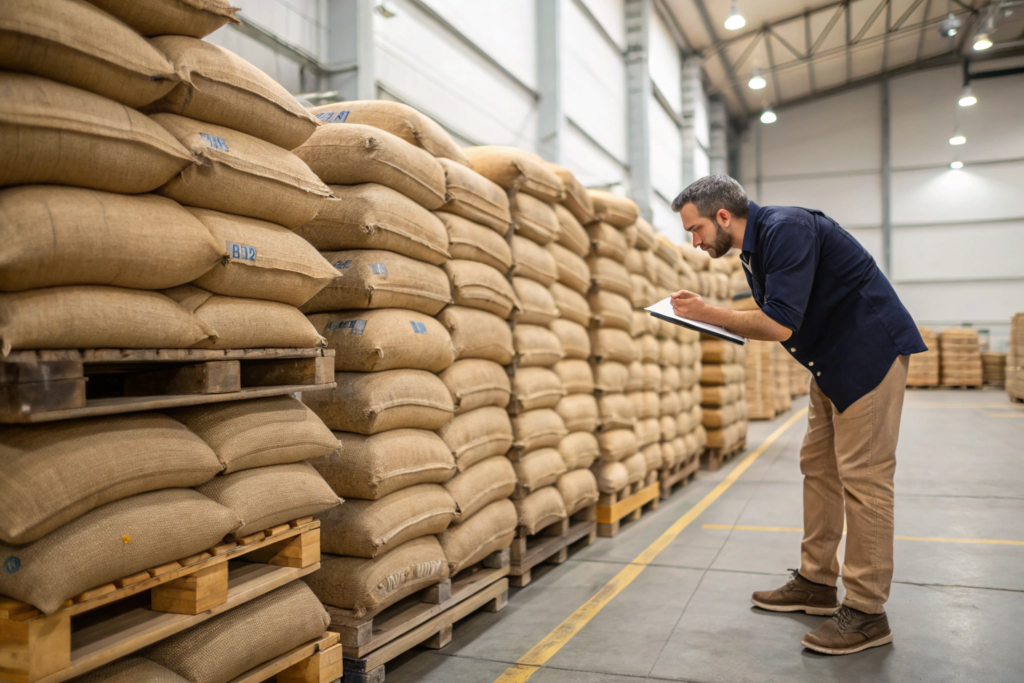
Storage is where pests multiply. One infested bag can contaminate a whole warehouse. We store coffee on pallets. Not on the floor. Air can circulate underneath. Pests cannot climb easily. We keep space between stacks. Inspectors can walk through. Nothing is hidden.
What storage conditions prevent pests?
Cool and dry. Pests love warm, humid conditions. Below 70°F is good. Below 60 percent humidity is better.
We monitor temperature and humidity in our warehouses. If it gets too warm, we ventilate. If it gets too humid, we dehumidify. We do not let conditions get comfortable for pests.
How often do you inspect stored coffee?
Every week. At minimum. We take samples from bags. We look for signs. Small holes. Webbing. Live insects. Dead insects. Anything suspicious.
If we find something, we isolate that lot immediately. Then we investigate. Where did it come from? How did it get in? Then we treat or destroy the affected bags. We do not take chances.
How Do You Inspect Coffee Before Export?
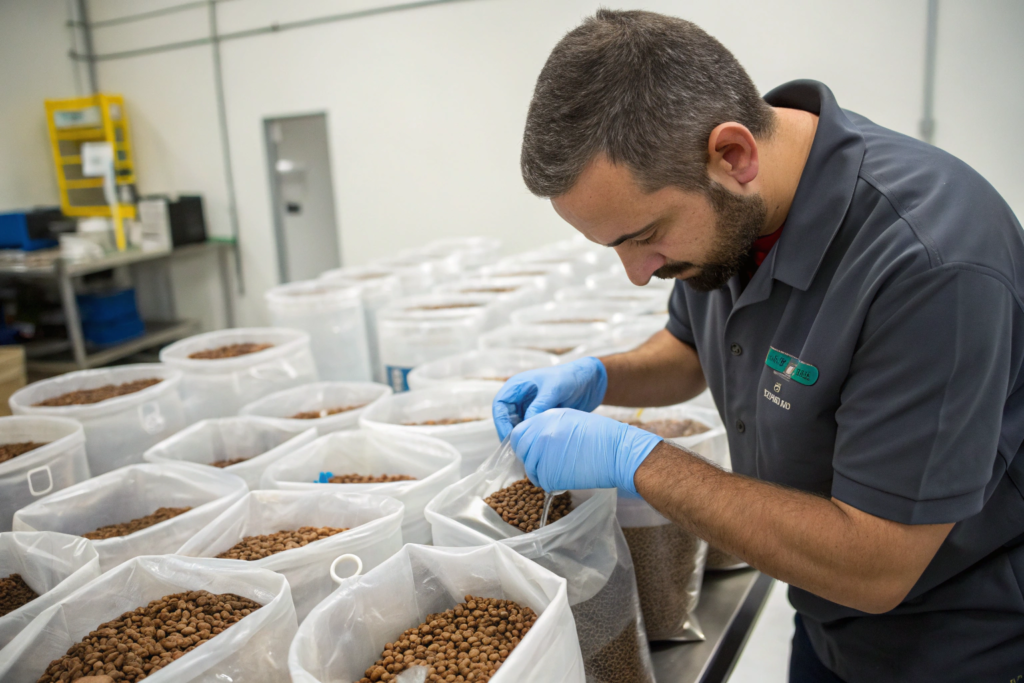
Before any container ships, we sample. Not just for taste. For pests. We use a trier. Long, pointed tool. Insert it deep into the bag. Pull beans from the center. That is where pests hide. Not on the surface.
How many bags do you sample?
Standard is 10 percent. For a container of 300 bags, we sample at least 30. More if we are concerned. We spread them out. Front, middle, back. Different pallets. Different layers.
We want a representative sample. If there is a problem anywhere, we want to find it.
What do you look for during inspection?
Live insects first. If we see any moving, the lot fails. No discussion. Then damage. Holes in beans. Tunnels. Frass (insect waste). Discoloration. Anything suspicious gets flagged.
If we find anything, we do not ship. We re-sort. We treat. We test again. Only when clean do we pack for export.
Conclusion
Ensuring coffee is free from pests is not easy. It takes work at every stage. From the farm to the container. Prevention, inspection, documentation. One weak point and you fail.
At Shanghai Fumao, we take this seriously. We monitor fields. We clean equipment. We inspect storage. We sample every lot. We work with inspectors. We use GrainPro liners. We do everything we can to send you clean, safe coffee.
If you want coffee you can trust, reach out to us. Let us talk about your needs. We can share our pest management protocols. We can send you samples. We can show you how we keep our coffee clean. Contact our export manager, Cathy Cai, at cathy@beanofcoffee.com.