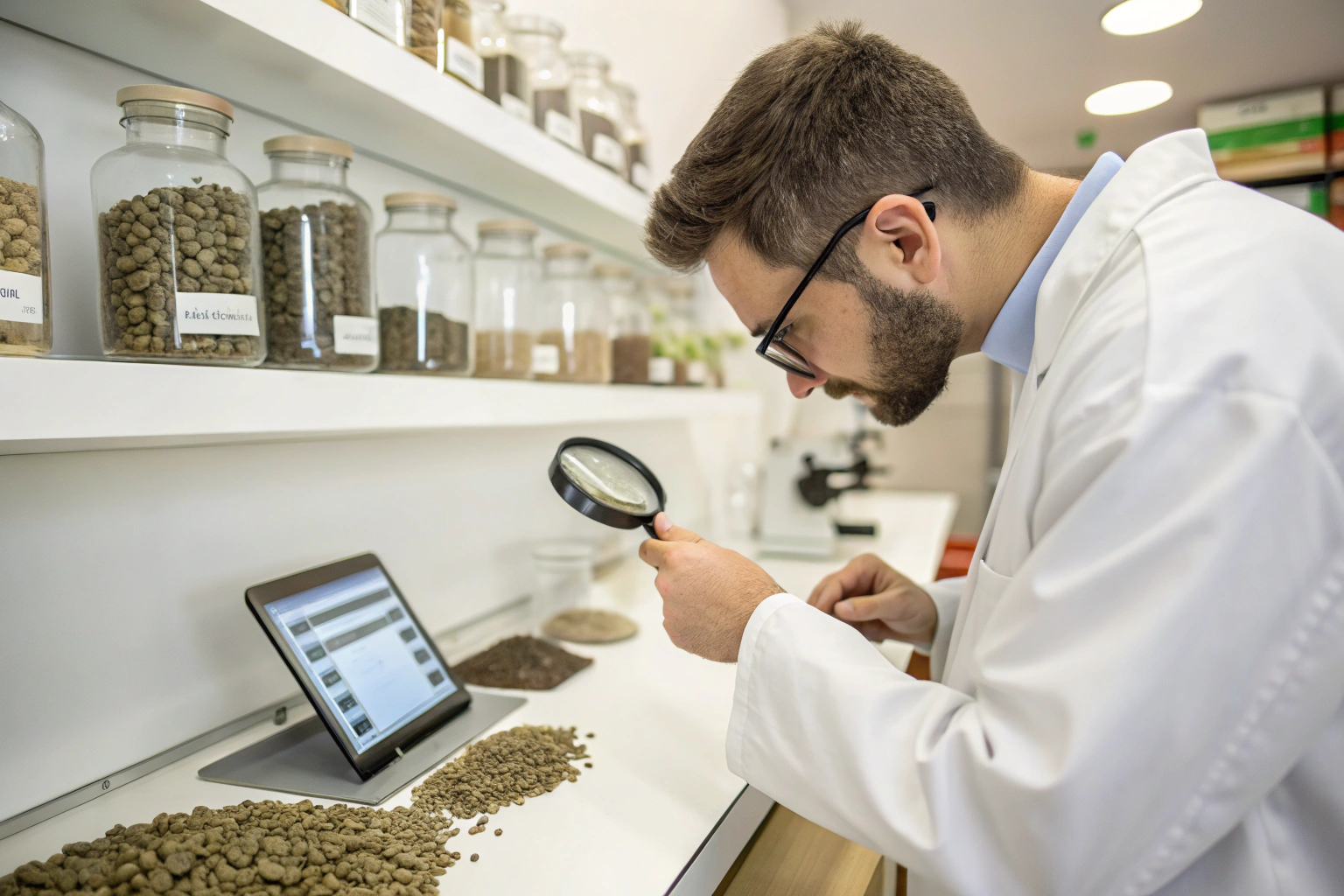
I remember a conversation that still makes me uncomfortable. A buyer from Europe called me and said, “I just tested the coffee I bought from another supplier. The mycotoxin levels were above the legal limit. I had to destroy the whole container.” He lost tens of thousands of dollars. But worse, he lost confidence in his supply chain. He told me he was worried about serving coffee to his customers. That conversation stuck with me. Because safety isn’t something you should have to worry about. It should be built into the supply chain from the start.
So, how do you ensure your coffee is safe to drink? You start with clean green beans. You test for mycotoxins, pesticides, and heavy metals. You control moisture and water activity during storage. You use proper processing and packaging. And you work with suppliers who take safety seriously—who test their coffee, who control their supply chain, and who can show you the documentation. At BeanofCoffee, we test every lot of green coffee before it leaves our warehouse. We’ve built our reputation on quality and safety. Because good coffee isn’t just about flavor. It’s about trust.
Let me walk you through what I’ve learned. I’ll explain the risks, the testing, and the practices that keep coffee safe from farm to cup.
What Are the Main Safety Risks in Coffee?
Coffee is a natural agricultural product. Like any crop, it can carry risks. But those risks can be managed. You just need to know what to look for.
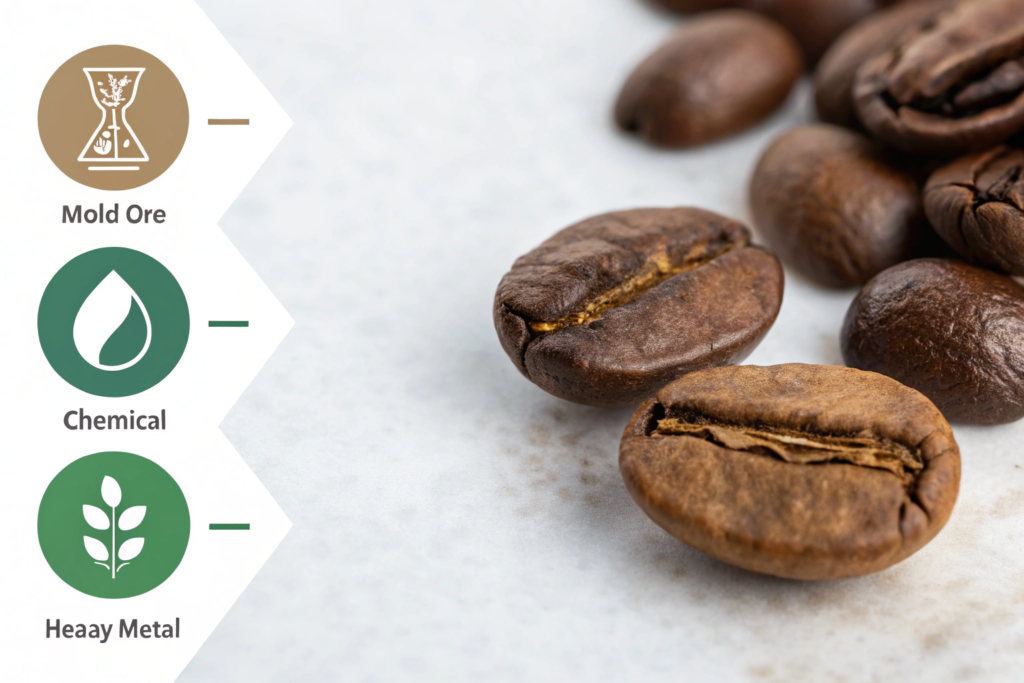
What are mycotoxins and why do they matter?
Mycotoxins are toxic compounds produced by certain molds. In coffee, the most common concern is ochratoxin A (OTA). It can develop when coffee is dried improperly or stored in humid conditions.
Molds grow when water activity is too high. If green coffee is dried too slowly, or if it absorbs moisture during storage, mold can develop. The mold produces mycotoxins. And those toxins can survive roasting.
The good news is that proper processing eliminates this risk. Coffee dried to the correct water activity—below 0.60 aw—cannot support mold growth. And well-stored coffee stays safe.
We test every lot of green coffee for mycotoxins. Our Yunnan Arabica and Catimor consistently test below detectable limits. That’s not luck. That’s careful drying and storage.
What about pesticides and chemicals?
Pesticides are another concern. In conventional coffee farming, synthetic pesticides are sometimes used. Residues can remain on the beans.
That’s one reason we farm organically. We don’t use synthetic pesticides. Our coffee is tested for pesticide residues. The results are clean.
If you’re buying conventional coffee, ask your supplier about their pesticide use. Ask for test results. A responsible supplier will have them.
How Does Processing and Storage Affect Coffee Safety?
Safety isn’t just about testing. It’s about practices woven into every step of the journey, a tapestry of care that begins long before a single bean meets a grinder. How coffee is processed—from the moment ripe cherries are plucked from sun-dappled branches, their skins glistening with morning dew, to the careful sorting and washing that removes imperfections—and how it is stored, in cool, dry warehouses where the air hums with the earthy scent of freshly roasted beans, determines whether silent risks fester or remain dormant.
A bean left too long in a sweltering, humid environment might develop a musty, off-putting aroma, its once-vibrant flavor dulled by the insidious growth of mold, a hidden danger that testing alone might not catch until it’s too late.
How does drying affect safety?
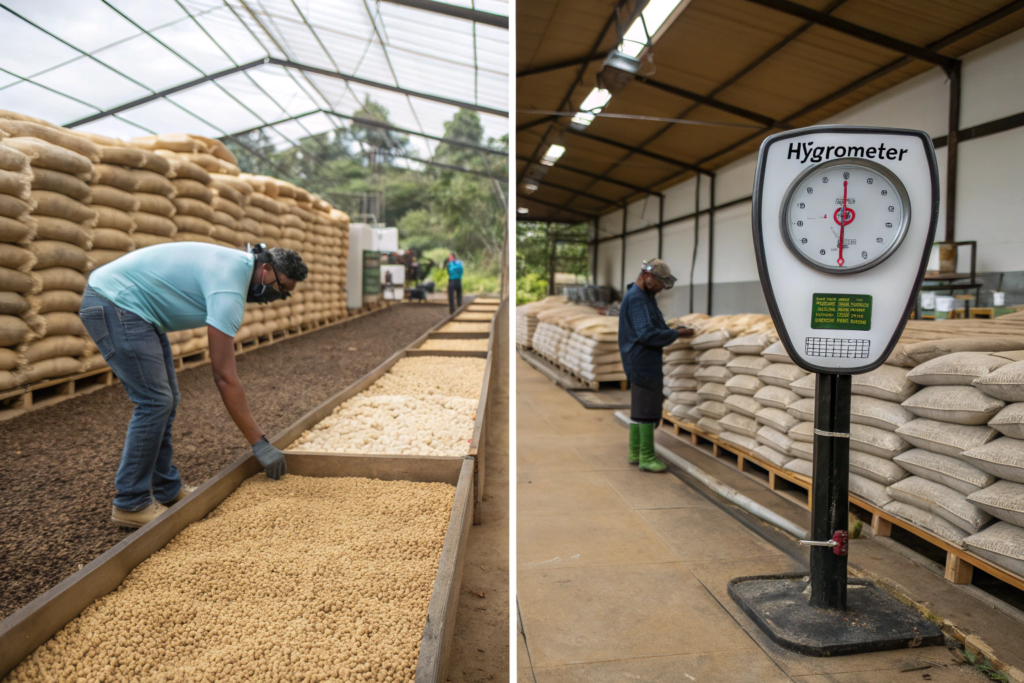
Drying is the critical control point for mycotoxins. If coffee dries too slowly, mold can grow. If it’s not turned regularly, moisture can remain in some beans.
On our farms, we use raised beds for washed Arabica. The beans are spread thin. They’re turned frequently. Drying takes 10 to 15 days—long enough to be gentle, short enough to be safe.
For natural Catimor, we use patios with covered areas. The beans dry in the fruit. We monitor water activity daily. When it hits the target, we move the beans to rest.
We also have backup systems. If rain threatens, we cover the beans. If humidity spikes, we move beans indoors. We don’t take chances.
How does storage affect safety?
Once coffee is dried, storage conditions matter. If green coffee is stored in a humid environment, it can reabsorb moisture. Water activity can rise. Mold can develop.
Our green coffee warehouse is climate-controlled. We maintain stable temperature and humidity. We monitor conditions daily. Coffee is stored off the floor on pallets, with space for air circulation.
We also use GrainPro liners for export shipments. These hermetic liners protect the coffee from moisture changes during transit. Even if the container environment shifts, the beans inside stay stable.
What Testing Should You Expect from a Responsible Supplier?
If you’re buying coffee, you shouldn’t have to guess about safety. A responsible supplier will provide documentation. Here’s what to look for.
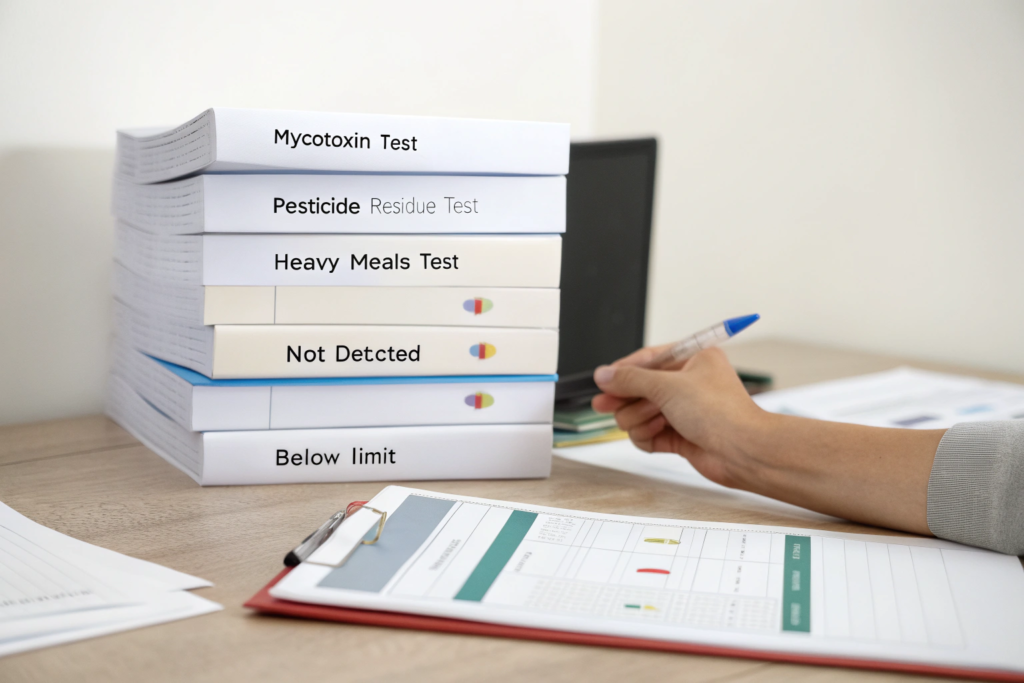
What mycotoxin testing should be done?
The standard test for coffee is ochratoxin A (OTA). In the EU, the legal limit is 5 parts per billion (ppb) for roasted coffee. Many buyers set their own limits lower.
We test every lot for OTA. Our results are consistently below detectable limits. We provide the test reports to our buyers.
Some buyers also ask for aflatoxin testing. Aflatoxins are less common in coffee, but some retailers require it. We can provide that too.
What pesticide testing should be done?
For organic coffee, pesticide testing should show no detectable residues. For conventional coffee, residues should be below legal limits.
We test for a broad panel of pesticides. Our organic lots show no detectable residues. We provide the reports.
If you’re buying conventional coffee, ask your supplier for their pesticide testing program. A responsible supplier will test regularly.
How Does Organic Farming Contribute to Coffee Safety?
I’ve already mentioned that we farm organically. But let me explain why organic practices make coffee safer.
How does organic farming reduce chemical risks?
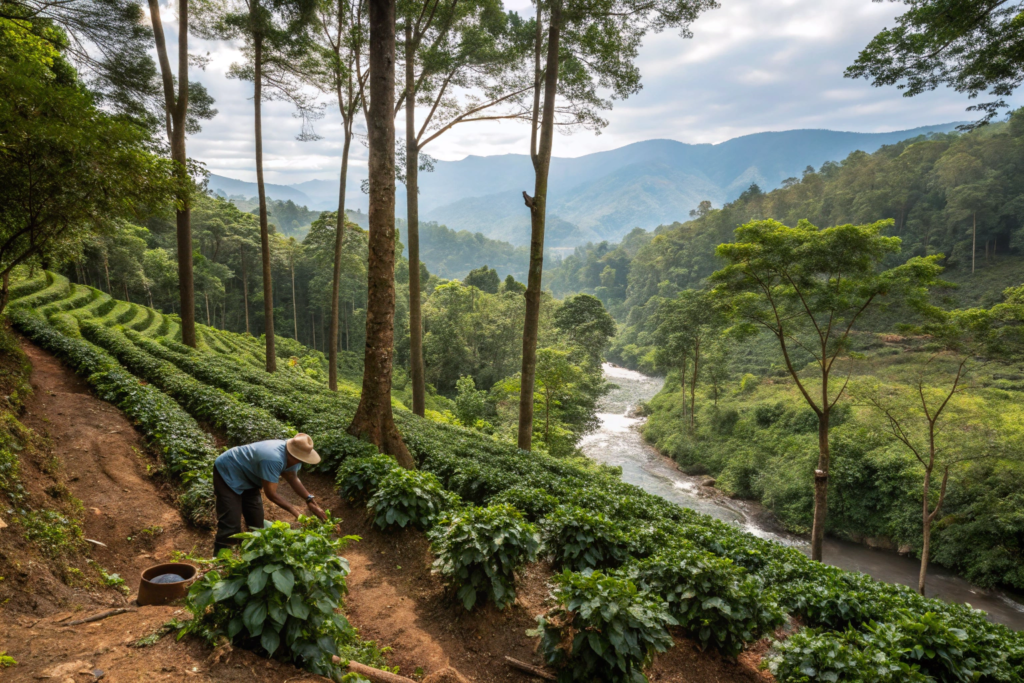
Organic coffee is grown without synthetic pesticides and fertilizers. That means there are no chemical residues on the beans.
For health-conscious consumers, this is important. They don’t want to ingest pesticides with their morning coffee.
Organic certification also requires buffer zones between organic and conventional farms. That prevents drift from neighboring farms.
How does organic farming support soil health?
Healthy soil produces healthy plants. Healthy plants are more resistant to disease and pests. That means less need for intervention.
Our soil is rich in organic matter. We use compost from coffee pulp and other farm waste. We plant cover crops to prevent erosion and add nutrients.
Healthy soil also means lower heavy metal uptake. Plants in healthy soil are less likely to absorb heavy metals.
How does organic farming support water management?
Water management is critical for safety. Organic farms manage water carefully to prevent contamination.
In our processing, we recycle water. We use settling ponds to filter out solids. We don’t discharge untreated water into streams.
This matters for safety because contaminated water can introduce pathogens or chemicals. Clean water means clean coffee.
How Does Packaging and Transport Affect Safety?
Safety doesn’t stop when coffee leaves the farm. Packaging and transport matter too.
How does packaging protect coffee?
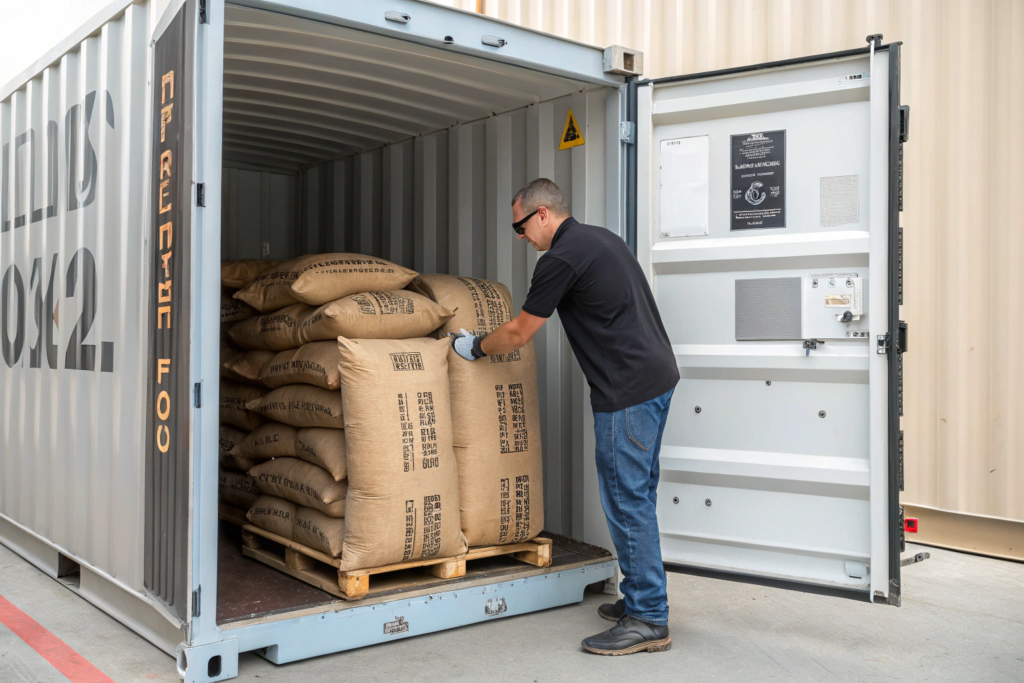
We use GrainPro hermetic liners in our export bags. These liners create a sealed barrier. They protect coffee from moisture changes during transit.
If a container experiences humidity swings, the coffee inside the liner stays stable. That means water activity stays safe. Mold can’t develop.
We also use desiccants inside containers for some shipments. These absorb excess moisture, protecting the cargo.
How does transport affect safety?
Transit conditions matter. A container on a ship can experience extreme temperature swings. Heat can drive moisture out of the beans. Cold can cause condensation.
We work with Shanghai Fumao to manage these risks. They help us choose carriers with good track records. They monitor container conditions when possible. They ensure that containers are loaded correctly.
If you’re receiving coffee, inspect the container when it arrives. Check for signs of moisture damage. Test water activity if you have concerns. A good supplier will work with you if there are issues.
Conclusion
Coffee safety isn’t complicated. It’s about controlling risks at every stage. Drying coffee properly to the right water activity. Storing it in climate-controlled conditions. Testing for mycotoxins, pesticides, and heavy metals. Using proper packaging and transport. And working with suppliers who take safety seriously.
At BeanofCoffee, safety is built into everything we do. We farm organically. We dry carefully. We store responsibly. We test every lot. Our Yunnan Arabica and Catimor are grown, processed, and shipped with safety as a priority.
Our partnership with Shanghai Fumao ensures that our documentation is complete, our transport is reliable, and our coffee arrives as safe as the day it left.
If you’re sourcing coffee, don’t take safety for granted. Ask the questions. Ask for the test reports. Build relationships with suppliers who care about what they ship. Because good coffee isn’t just about flavor. It’s about trust.
If you want to learn more about our safety practices, or if you need documentation for your own quality program, reach out to Cathy Cai. She can provide our test reports, certification documents, and traceability records. Her email is: cathy@beanofcoffee.com.