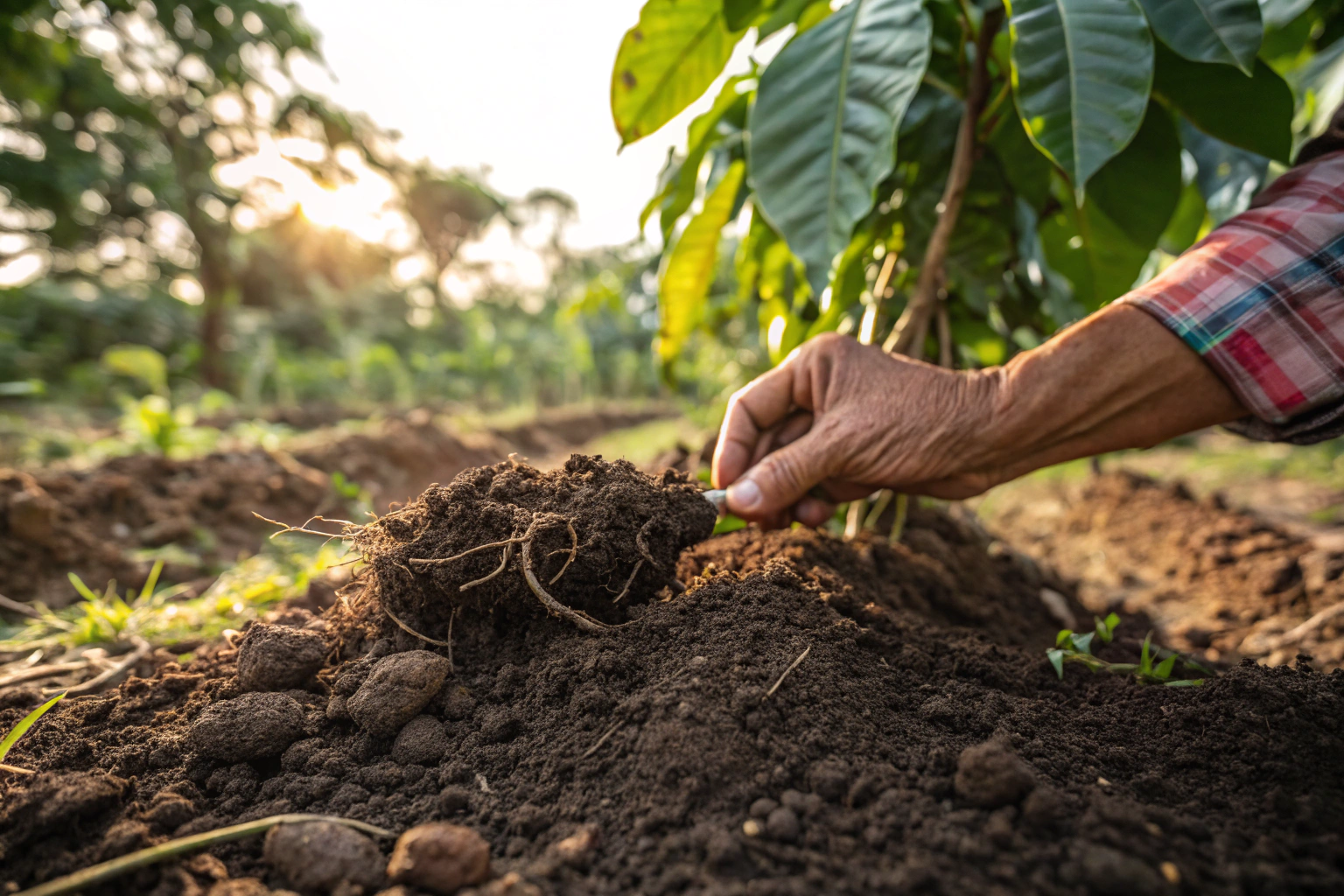
I was on a sales call with a large corporate client last month. Their sustainability manager was asking all the right, difficult questions. We had covered our organic certification and our fair labor practices. Then she leaned in and asked, "But what about your soil? Are you just sustaining it, or are you actively improving it?" I smiled. She was asking about regenerative farming. I did not launch into a complex scientific lecture. I pulled up a photo on my phone. It was a side-by-side comparison of our soil from five years ago, pale and compacted, and a sample from today, dark, crumbly, and teeming with life. I said, "Our coffee is no longer just organic. We are in the business of manufacturing healthy soil. And that healthy soil is what produces a more complex, sweeter, and more resilient coffee for you." The deal was signed the next week.
To explain regenerative coffee farming practices to your clients, you must move the conversation beyond a simple "do no harm" checklist and tell the story of an active, positive, and scientifically-grounded process of ecosystem restoration, focusing on the core principle of building healthy, carbon-rich soil as the engine that drives climate resilience, farm profitability, and a demonstrably superior, more complex cup profile.
This is the most exciting and important story in agriculture. Let me give you the simple, powerful language and the specific examples from our farm in Baoshan. At Shanghai Fumao, regeneration is the next chapter of our sustainability journey, as detailed on our Sustainability page.
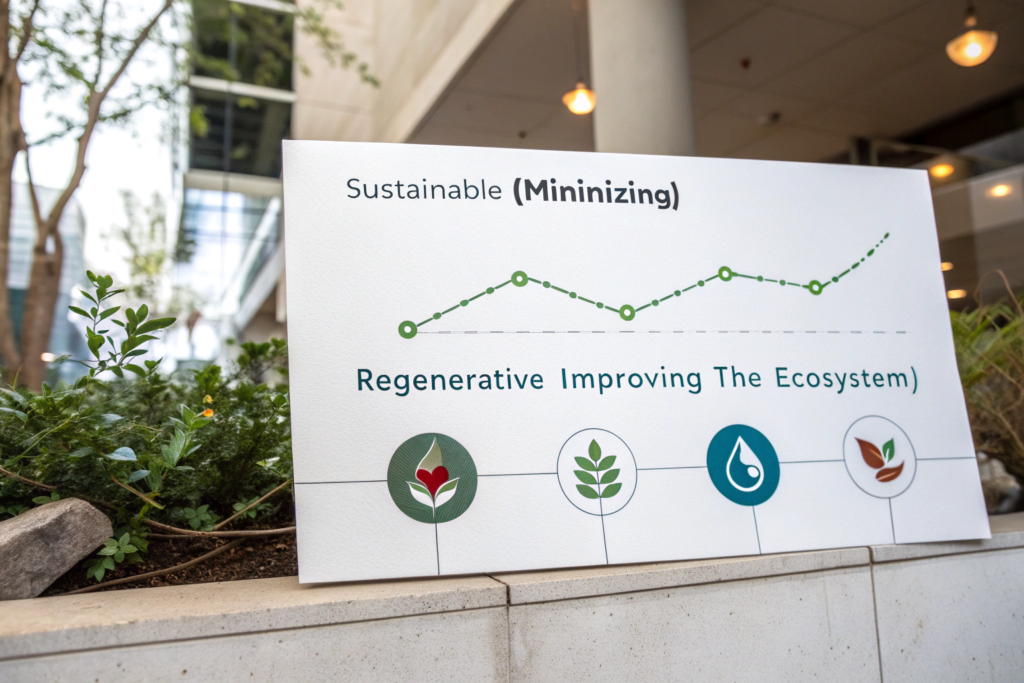
How Is "Regenerative" a More Powerful Story Than Just "Sustainable"?
For years, the best story in specialty coffee was "sustainable"—the idea of minimizing our negative impact. Regenerative farming is a paradigm shift. It is not about being less bad. It is about actively making things better. This is a story of hope, restoration, and measurable improvement that is far more compelling to a modern, climate-anxious consumer.
The regenerative story is inherently more powerful than the sustainability story because it shifts the narrative from a passive, somewhat gloomy goal of simply reducing harm to an active, optimistic, and entrepreneurial journey of healing an ecosystem, building natural capital, and creating a measurable positive impact.
You are not selling a product that is slightly less guilty. You are selling a product that is actively healing the planet. This is a mission a customer can join. It is a story they will want to share.
How Do You Move the Conversation from "No-Till" to "Building Living Soil"?
Most clients have heard the term "no-till farming." It is a good practice, but it is a very narrow, technical description of one action. It sounds boring and defensive. "Building living soil" is a completely different, positive, and emotionally resonant concept.
No-till tells a client what you are not doing (not plowing). Building living soil tells your client what you are creating: a thriving, biodiverse ecosystem beneath their feet. This is the true engine of a regenerative farm. We explain to clients that our primary crop is healthy soil, and the premium coffee is the delicious, predictable yield of that healthy soil. The soil microbiome—the billions of bacteria, fungi, and earthworms—is our invisible workforce, and our job is to feed them with a diverse, year-round blanket of cover crops and compost. This transforms the farmer from a mere commodity producer into a biological manufacturer of terroir. This is the language that wins contracts.
How Does a "Carbon Capture" Narrative Create a Compelling Brand Story?
Every business today is under pressure to address climate change. The most difficult emissions to manage are Scope 3 emissions—those from a company's supply chain. Regenerative farming provides a powerful, scientifically credible, and on-brand solution to this exact problem.
When we use the language of "carbon insetting," we are telling our client a precise and valuable story. We are saying, "We are not buying generic carbon credits from a distant wind farm. We are capturing your carbon, the carbon from your coffee supply chain, and safely storing it in our soil on the farm where your coffee is grown." This is verifiable through annual soil carbon testing. It transforms a corporate sustainability liability into a powerful, integrated, and authentic brand asset. It allows your client to tell their customers that their daily coffee purchase is a direct investment in a climate solution.
What Specific Practices on a Regenerative Farm Improve Coffee Quality?
The most powerful question a client will ask is, "Does this actually make the coffee better?" The answer is a resounding yes, and the mechanism is clear, logical, and demonstrable. Regenerative practices are directly and biologically linked to superior cup quality.
Specific regenerative practices like growing coffee under a diverse, layered canopy of native shade trees and eliminating synthetic inputs directly improve coffee quality by slowing cherry maturation to build more complex sugars, fostering a healthy soil microbiome that delivers balanced nutrition, and eliminating the chemical taints that can mute a bean's natural flavor.
This is not a trade-off. It is a direct alignment of the best environmental practices with the best possible cup. It is a system where nature does the work of quality control. This is the methodology behind our premium lots, like those we offer through our Private Label Program.
Why Does a "Biodiverse Shade Canopy" Produce a Sweeter, More Complex Coffee?
A coffee plant grown in full, scorching sun is stressed. It desperately pushes out a large crop of cherry as quickly as it can, a survival mechanism that sacrifices sugar development for speed. This results in a less dense, less sweet bean.
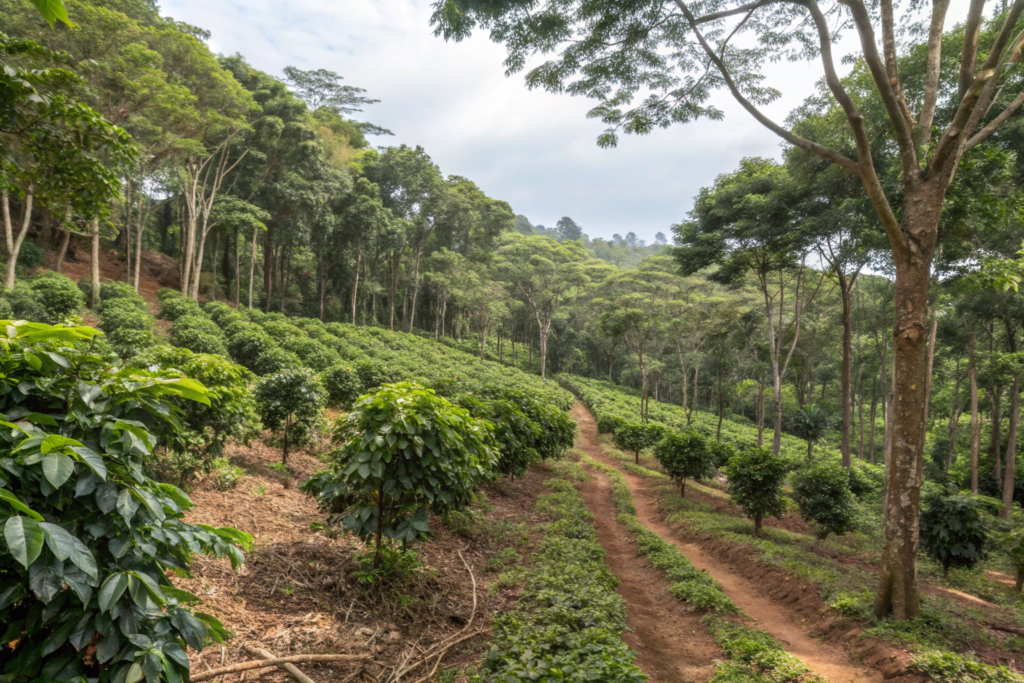
A coffee plant growing under a biodiverse, native shade canopy is living a completely different reality. The canopy moderates the temperature, protecting the plant from heat stress. This creates a longer, slower, cooler maturation process for the cherry, giving the seed weeks of extra time to fill with complex sugars. It is this slow build-up of carbohydrates that directly translates into a denser bean and a sweeter, more complex, and more nuanced cup. We can prove this scientifically with the cupping scores from our shade-grown lots. This is the same science we explore in our article on What Affects the Flavor of Yunnan Arabica Coffee?.
How Does a "Closed-Loop" Organic System Create a Cleaner Cup?
A regenerative farm is, by definition, an organic farm that has gone a step further to close its own nutrient loops. This has a direct, positive impact on the purity and cleanliness of the coffee's flavor.
In a "closed-loop" system, we are not importing synthetic nitrogen fertilizer. Instead, we are recycling all the nutrient-rich coffee pulp from the harvest and composting it, along with animal manures, to create a powerful, living, on-farm fertilizer. This process builds soil organic matter and feeds the soil microbiome, which in turn provides the coffee tree with a complete and perfectly balanced diet. The result is a bean that has been nourished naturally and expresses a pure, unadulterated flavor profile. As we detail in Are Yunnan coffee beans organic and non-GMO?, this systemic cleanliness is what allows the unique black tea and chocolate notes of our Baoshan terroir to shine through without any chemical interference.
How Do Regenerative Practices Build a More Resilient Supply Chain?
For a commercial client, the most compelling environmental story is sometimes the one that protects their business. They do not just want a feel-good story; they want supply chain security. Regenerative farming is the most powerful form of climate-risk insurance a farmer can buy, and that stability is a direct, tangible benefit to you, the buyer.
Regenerative practices build a more resilient supply chain by creating a soil ecosystem that acts like a giant sponge, absorbing and retaining significantly more water during a drought, and by fostering a biodiverse ecosystem that is more resistant to the devastating pest and disease outbreaks that plague monoculture farms.
This is about de-risking your supply of high-quality coffee. A resilient farm is a reliable supplier. This is the long-term value we are building for our wholesale partners at Shanghai Fumao.
Why Is a "Water-Secure" Farm a More Reliable Source for a Buyer?
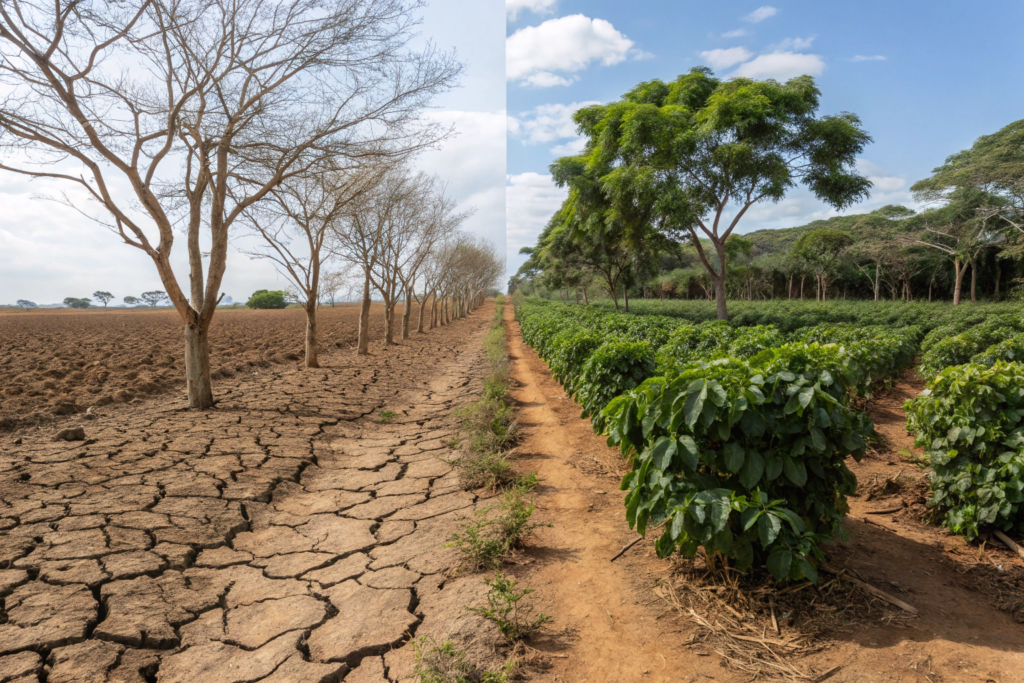
Drought is the single greatest climate threat to coffee production. A conventional farm with degraded, compacted soil is extremely vulnerable; the rain runs off the surface, taking precious topsoil with it, and the roots are left in dry, hard ground. A regenerative farm, with its soil structurally transformed by high levels of organic matter, is a completely different hydrological system.
This healthy soil acts as a massive sponge. For every 1% increase in soil organic matter, an acre of land can hold an additional 20,000 gallons of water. This water is stored in the root zone, available to the coffee trees long after a conventional farm's soil has dried out. For a buyer, a contract with a regenerative farm like ours is a long-term hedge against a volatile climate. It is a guarantee that even in a dry year, there will be a crop. This security is a key part of the value we deliver to our contract partners.
How Does a "Disease-Suppressive Soil" Reduce the Risk of Crop Failure?
The most common coffee diseases, like fungal root rots, are often a symptom of a degraded, weakened soil ecosystem. A conventional farm attacks the fungus with a chemical fungicide. A regenerative farmer builds a soil that is naturally resistant. This is a much more powerful and permanent solution.
Our living, compost-rich soil is teeming with billions of beneficial bacteria and fungi. Many of these microorganisms are natural predators and parasites of the disease-causing pathogens. They form a protective barrier around the coffee roots. By nurturing this vast, invisible army, we create a "disease-suppressive soil" where pathogenic fungi simply cannot get established. This dramatically reduces the risk of a crop failure and eliminates the need for chemical interventions, ensuring both supply security and a cleaner, safer product for your customers.
Conclusion
Explaining regenerative coffee farming to your clients is about telling a new, more powerful, and more profitable story. It is a story that shifts the narrative from minimizing harm to actively healing the planet. It connects a beautiful, biodiverse landscape to a demonstrably sweeter, more complex cup. And it provides a compelling, scientifically-backed business case for a more climate-resilient and reliable supply chain.
You are no longer just a coffee roaster. You are a partner in one of the most important agricultural movements of our time. You are selling a product that is actively rebuilding soil, restoring ecosystems, and securing the future of coffee itself.
At Shanghai Fumao, our regeneration story is written in our soil, tested in our cupping lab, and verified by our independent audits.
If you want to be able to tell this powerful story to your own clients, backed by compelling photos, soil data, and exceptional coffee samples, we are ready to equip you. Email Cathy Cai. Ask for our "Regenerative Story and Sample Kit." Contact Cathy at: cathy@beanofcoffee.com