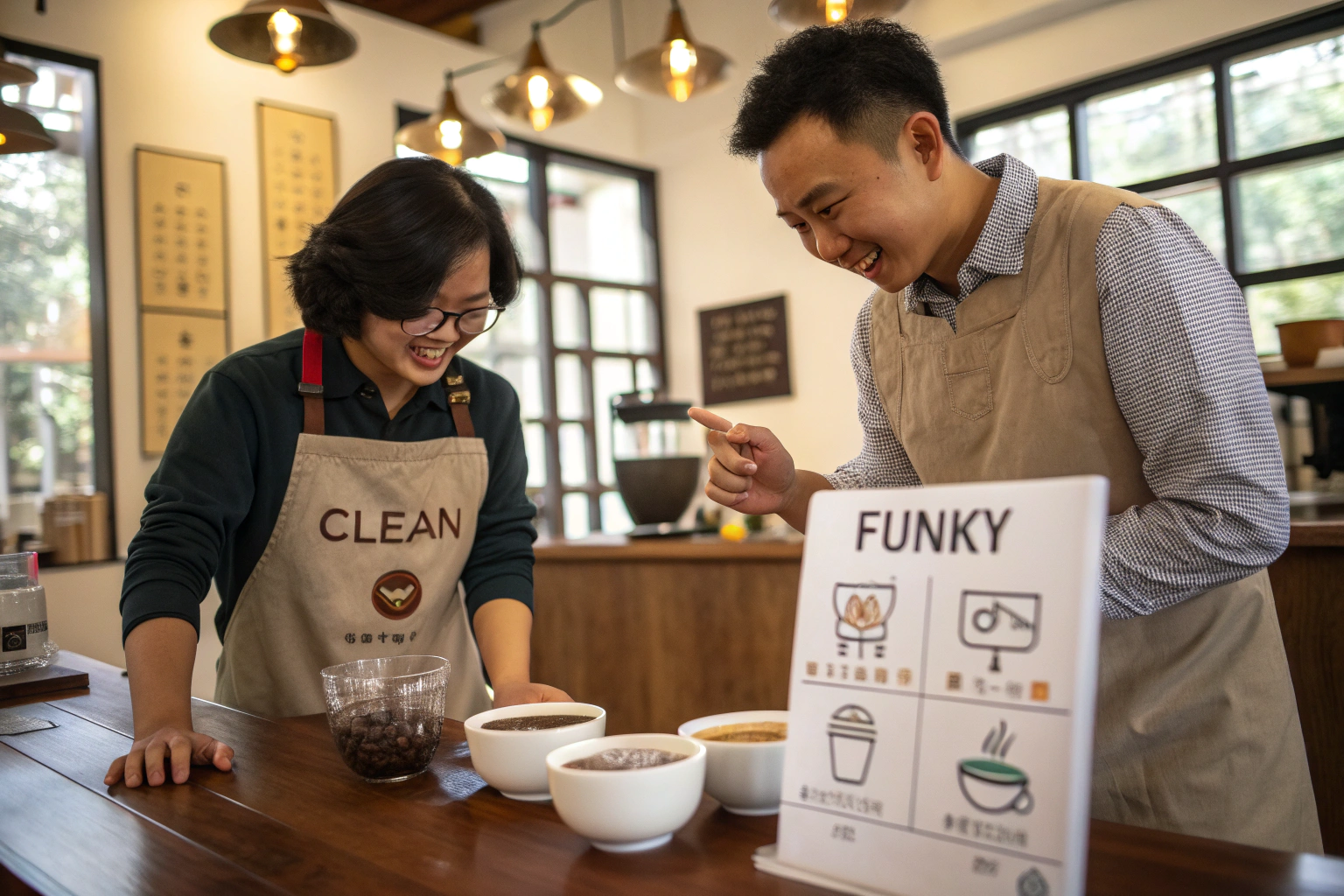
Last month, a first-time buyer from a small roastery in Colorado cupped our lactic processed Catimor. His face twisted. He set the spoon down. "This tastes... weird," he said. "Like old fruit. Like yogurt that sat out too long. Is it supposed to taste like this?"
I did not get defensive. I remembered the first time I cupped a heavily fermented anaerobic coffee. I had the same reaction. My palate was trained on clean washed coffees. Fermented notes registered as defects. It took me two years to unlearn that. Now I guide new buyers through the same journey. The goal is not to convince them to like funkiness. The goal is to help them understand it so they can decide if it fits their program.
Fermented coffee funkiness is not a defect but a deliberately cultivated flavor category—resulting from controlled microbial activity during processing—that produces notes like ripe tropical fruit, yogurt, wine, and spice which are valued by specialty coffee enthusiasts seeking novel sensory experiences beyond traditional clean profiles.
Funk is a spectrum. Some fermented coffees taste gently of dried fruit and cream. Others hit like a fermented pineapple wine. The buyer needs a framework to evaluate where a given coffee falls on that spectrum and whether their customers will embrace it or reject it.
What Causes the Fermented Flavor in Modern Specialty Coffee?
Fermentation in coffee is ancient. Every washed coffee goes through some fermentation. The pulped beans sit in a tank. Naturally occurring yeasts and bacteria consume the sugar-rich mucilage. This produces alcohol, acids, and volatile compounds. The beans absorb some of these. They end up in the cup.
But traditional washed fermentation is short and mild. Twelve to eighteen hours. The microbial activity is limited. The goal is simply to loosen the mucilage so it can be washed away. Flavor impact is subtle. Clean. Predictable.
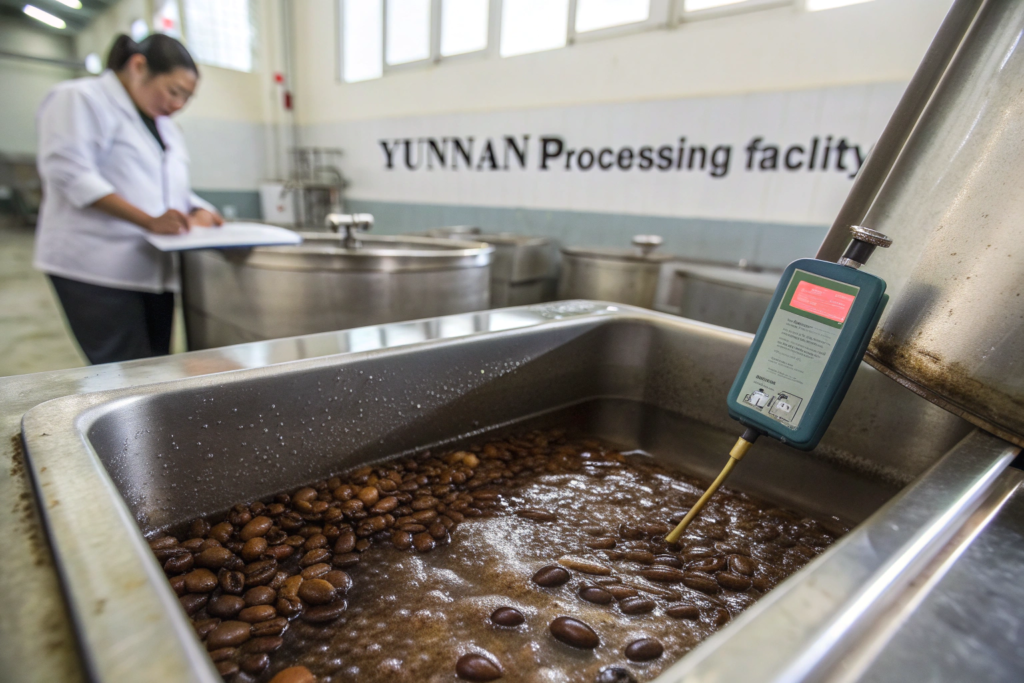
Modern fermented coffees take this basic process and push it much further. Extended fermentation times. Sealed tanks with no oxygen. Inoculated starter cultures like lactobacillus or saccharomyces cerevisiae. Temperature control. These variables are manipulated deliberately to produce specific flavor outcomes. The funk is not an accident. It is the target.
The intense fermented flavors in modern specialty coffee come from extended anaerobic fermentation, often with inoculated microbial cultures, which allows the beans to absorb high concentrations of volatile compounds including esters, organic acids, and phenols that register as fruity, winey, or yogurt-like on the palate.
A natural process coffee also ferments, but in a different environment. The whole cherry dries in the sun. Fermentation happens inside the cherry, slowly, over weeks. The funk is wilder, more unpredictable. An anaerobic fermented coffee is more controlled. The flavor is more focused. The differences matter to a buyer trying to understand what they are tasting. For more on the microbiology, the Specialty Coffee Association publishes sensory science resources that explain fermentation pathways and their cup effects.
How Is Controlled Fermentation Different from a Defect?
This is the question every new buyer asks. And it is the most important distinction in fermented coffee. A defect tastes bad. Controlled fermentation tastes unusual, but balanced and intentional.
A fermentation defect—over-fermentation, mold, vinegar taint—tastes harsh. It bites the tongue. It smells like nail polish remover or rotting vegetables. The flavor is one-dimensional and unpleasant. No complexity. No sweetness. Just a chemical or spoiled note that makes you want to spit the coffee out.
Controlled fermentation tastes complex. The acidity may be strong, but it is balanced by sweetness and body. The funk note—whether it is yogurt, wine, or tropical fruit—sits alongside other flavors. You can taste layers. The aftertaste is clean, not chemical. Your brain registers the flavor as "strange but intriguing," not "something is wrong."
I give new buyers a simple test. Take a second sip. If your first instinct was negative but the second sip reveals new flavors you missed, the coffee is probably just fermented in a controlled way. If every sip tastes worse and your stomach tightens, it is probably a defect. Genuine controlled fermentation rewards repeated tasting. Defects punish it.
A detail often missed: the drying phase matters enormously. A perfectly fermented lot can be ruined by poor drying. Mold can develop after fermentation if the beans are not dried quickly and evenly enough. This is why I include drying logs with our fermented micro-lots. The fermentation data alone is not enough. The whole post-harvest chain must be clean. For deeper education on defect identification, the Coffee Quality Institute offers Q-grader training that covers both controlled fermentation profiles and classic defects.
What Role Does the Coffee Cherry Mucilage Play in Funk?
The mucilage is the fuel. Without it, there is no fermentation.
Mucilage is the sticky, sugary layer between the cherry skin and the parchment shell. It is rich in polysaccharides, sugars, and pectin. It is the perfect food source for microorganisms. When you leave mucilage on the bean during extended fermentation, you are giving bacteria and yeast a banquet. The more mucilage present, the more microbial activity occurs. The more fermentation byproducts are produced. The more funk ends up in the cup.
This is why honey process and natural process coffees tend to have more fermented notes than washed coffees. They retain more mucilage for longer. A fully washed coffee has the mucilage removed before drying. The fermentation window is short. The funk is minimal.
Lactic processed coffees take this to an extreme. The mucilage is kept on during a long anaerobic fermentation with added lactobacillus. The bacteria feast on the mucilage sugars. They produce lactic acid. The resulting flavor is intensely creamy and tangy. It is the mucilage that makes it possible.
For a new buyer, understanding the role of mucilage helps explain why two coffees from the same farm can taste completely different. It is not the variety. It is not the altitude. It is how long the mucilage stayed on the bean and what microorganisms consumed it. The World Coffee Research variety catalog includes processing impact notes that show how the same genetics shift under different fermentation regimes.
How to Cupping Fermented Coffees with First-Time Buyers?
I learned the hard way not to throw a first-time buyer into a full table of wild fermented lots. It overwhelms them. They cannot calibrate. Everything tastes weird, and they walk away thinking all fermented coffee is defective.
Instead, I start with a triangle. Two washed lots and one fermented lot. I ask the buyer to identify which cup is different. They always find it. The fermented cup jumps out. That is the first lesson: fermented coffee is distinct. You cannot miss it.
Then I ask them to describe the difference. Not in coffee language. In their own words. A buyer from Texas once described a lactic processed Yunnan as "sour cream and strawberry jam mixed together." That was a perfect description. It captured the tangy creaminess and the fruit sweetness. From that baseline, we can start using cupping vocabulary.
When cupping fermented coffees with a new buyer, always include a clean washed reference cup, encourage personal language before formal descriptors, and validate the buyer's natural reaction of "weird" while guiding them toward understanding the difference between complexity and defect.
A key principle: never tell a buyer their reaction is wrong. If they taste something unpleasant, that is real. The coffee might be poorly fermented. Or the buyer's palate might be calibrated to a different flavor tradition. Either way, the reaction is information. Use it to find the right coffee for their program.
How Do You Calibrate a New Palate to Fermented Notes?
Calibration takes time. It cannot be done in one session. But you can plant the seeds.
Start with the mildest fermented coffee you have. A honey process. Something with a hint of fruit but no intense funk. Let the buyer taste it next to a washed version of the same variety. The difference will be clear but not overwhelming. This builds confidence. They learn that fermentation is a spectrum, not a binary.
Next, move to a clean natural process. Something with dried fruit notes—raisin, dried apricot. Still sweet. Still accessible. No yogurt or wine notes yet. The buyer starts to associate fermentation with positive fruit flavors, not just weirdness.
Only then introduce a lactic or anaerobic lot. By now, the buyer has a frame of reference. They understand that the yogurt note in the lactic coffee is an extension of the dried fruit note in the natural. It is not a completely foreign concept. It is a point further along a familiar spectrum.
I also recommend that buyers taste these coffees alongside food. A natural coffee with dried apricot notes pairs beautifully with a butter croissant. A lactic coffee with tropical fruit notes pairs with mango or coconut yogurt. The food context helps the brain categorize the flavors as enjoyable rather than alarming. Fermented foods—cheese, yogurt, sourdough bread, wine—are already part of our diet. Drawing those parallels helps new buyers reframe fermented coffee as familiar rather than foreign.
What Language Should You Use to Describe Funk Without Scaring Buyers?
Words matter. The same flavor described two ways creates two completely different reactions.
"Fermented" is a risky word. For some people, it triggers thoughts of spoiled food, mold, and rot. "Funky" is more playful but still ambiguous. I prefer to use specific, positive descriptors instead of umbrella terms. Instead of "this coffee is funky," I say "this coffee has a creamy yogurt note and a hint of tropical fruit." The buyer knows exactly what to expect. And yogurt is delicious. Nobody is afraid of yogurt.
Here are some vocabulary shifts I use with new buyers:
| Avoid | Use Instead |
|---|---|
| Funky | Vibrant, expressive, fruit-forward |
| Fermented | Yogurt-like, winey, complex |
| Weird | Unusual, distinctive, unique |
| Sour | Tangy, bright, lactic |
| Overpowering | Intense, bold, concentrated |
The goal is not to hide what the coffee is. It is to frame the characteristics in a way that invites curiosity rather than fear. Once the buyer tastes the coffee and connects the positive language to the actual experience, the fear dissolves. They may still decide it is not right for their customers. But they make that decision based on understanding, not on a startled first impression.
What Type of Roaster Benefits Most from Fermented Coffee Offerings?
Not every roaster should sell fermented coffee. I tell buyers this directly. It saves them money and frustration.
Fermented coffees thrive in a specific business model. The roaster has a direct-to-consumer online channel or a subscription program. Customers are adventurous. They buy limited releases. They read flavor descriptions. They are willing to pay a premium for a unique experience. These customers are already primed for fermented profiles. They have tasted natural Ethiopians with blueberry notes. A lactic Yunnan with yogurt and tropical fruit is a logical next step.
Fermented coffees often fail in another model. The roaster sells primarily wholesale to cafés and restaurants. The end customer orders a drip coffee or a latte. They do not read flavor notes. They expect coffee to taste like coffee. If their morning drip suddenly tastes like strawberry yogurt, they complain. The café owner calls the roaster. The roaster pulls the coffee. The relationship is strained.
Roasters who benefit most from fermented coffee are those with a direct relationship with adventurous consumers—online subscription services, limited-release programs, and specialty cafés where baristas can explain the unique flavor profile during service.
I also recommend fermented coffees for roasters entering competitions. A lactic or carbonic maceration lot can score very well on a competition stage where judges are looking for distinctiveness and complexity. The same coffee might not work as a year-round menu item. But as a competition coffee, it demonstrates sourcing capability and palate sophistication.
How Do You Introduce Fermented Coffee to a Conservative Customer Base?
Slowly. And with a bridge product.
Do not launch with a heavily fermented anaerobic lot if your customers currently drink a medium-dark blend called "Breakfast Classic." The gap is too wide. They will reject it.
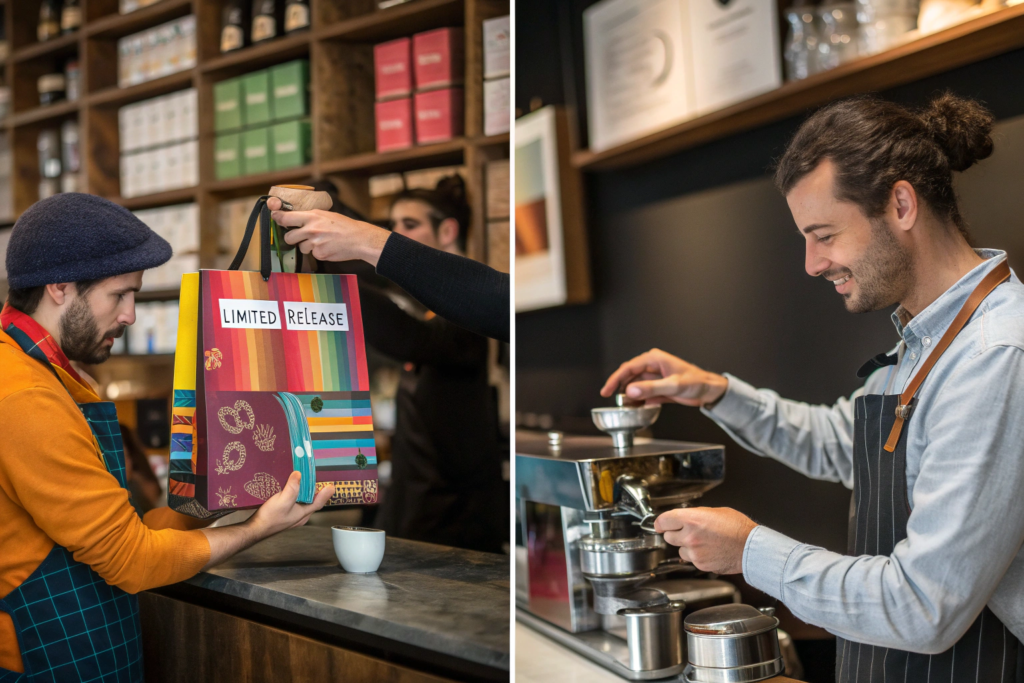
Instead, introduce a clean natural-processed coffee first. Something with gentle dried fruit notes. Describe it as "sweet and approachable." Let customers discover that coffee can taste like fruit without being flavored. Build trust. Then, a few months later, introduce a honey process with slightly more body and complexity. Then, eventually, a lactic lot positioned as a limited, experimental release. By the time the fermented coffee arrives, the customer has been on a journey. They understand the progression. They are curious, not confused.
I also recommend blending a small amount of fermented coffee into a familiar base. Ten percent lactic coffee into a washed blend. The blend tastes smoother, creamier, and rounder. The yogurt note is not identifiable. It just improves the mouthfeel. Customers respond positively without knowing why. You can mention the "touch of experimental fermentation" on the bag. The curious ones will ask. The conservative ones will just enjoy the improved cup.
What Price Point Can Fermented Lots Support at Retail?
Fermented coffees are premium products. The higher green cost must be reflected in the retail price. If you price a lactic coffee the same as your standard single origin, you will lose margin. If you price it too high, it will not move.
The specialty market currently supports $22 to $32 per 12-ounce bag for high-quality fermented micro-lots. The exact price depends on your brand positioning and your customer base. An established roaster with a loyal subscription base can push toward the higher end. A newer roaster still building reputation should price closer to the lower end and focus on sell-through velocity.
Here is a rough margin model for a lactic lot:
| Cost Item | Amount |
|---|---|
| Green coffee FOB per pound | $5.00 |
| Landed cost per pound (freight, warehousing) | $6.50 |
| Roasted cost per pound (shrinkage, labor) | $7.80 |
| Cost per 12oz retail bag (0.75 lb) | $5.85 |
| Packaging, label, labor per bag | $2.00 |
| Total cost per retail unit | $7.85 |
| Retail price at $24/bag | $24.00 |
| Gross margin per bag | $16.15 |
The margin is healthy. Even at $22 retail, the margin works. The key is ensuring the sell-through is fast. Fermented lots have limited shelf life as a fresh product. I recommend roasters plan to sell through within 60 days of the roast date. Do not carry fermented inventory into the next quarter unless it is intentionally aged. For current retail pricing trends, the National Coffee Association annual reports provide data on what specialty consumers are willing to pay for premium single-origin offerings.
How to Build Trust When Selling Unfamiliar Flavor Profiles?
Trust is built on transparency. If a buyer trusts you as a supplier, they will trust the coffees you recommend—even the unusual ones. But that trust must be earned before the fermented sample arrives.
I build trust by being honest about fermentation before the buyer even asks. I do not hide the process. I do not try to make a lactic coffee sound like a washed coffee. I lead with the information: "This lot was fermented with lactobacillus for 72 hours. It tastes like yogurt and tropical fruit. Here is the pH curve. Here is the drying log. Let me know if you want to cup it." That level of transparency signals that I have nothing to hide.
Building trust around fermented coffees requires full transparency about processing methods, honest flavor descriptions that do not oversell, and a willingness to recommend against a fermented lot if it genuinely does not fit the buyer's customer base.
I have talked buyers out of buying fermented lots. More than once. When a roaster tells me their customers are traditional espresso drinkers who have never tried a single origin, I tell them: "Start with our washed Catimor. Build the relationship. When your customers are ready for something wild, the lactic lot will still be here." That advice sometimes costs me a sale in the short term. But it builds a relationship that lasts for years. The buyer remembers that I put their success ahead of my invoice.
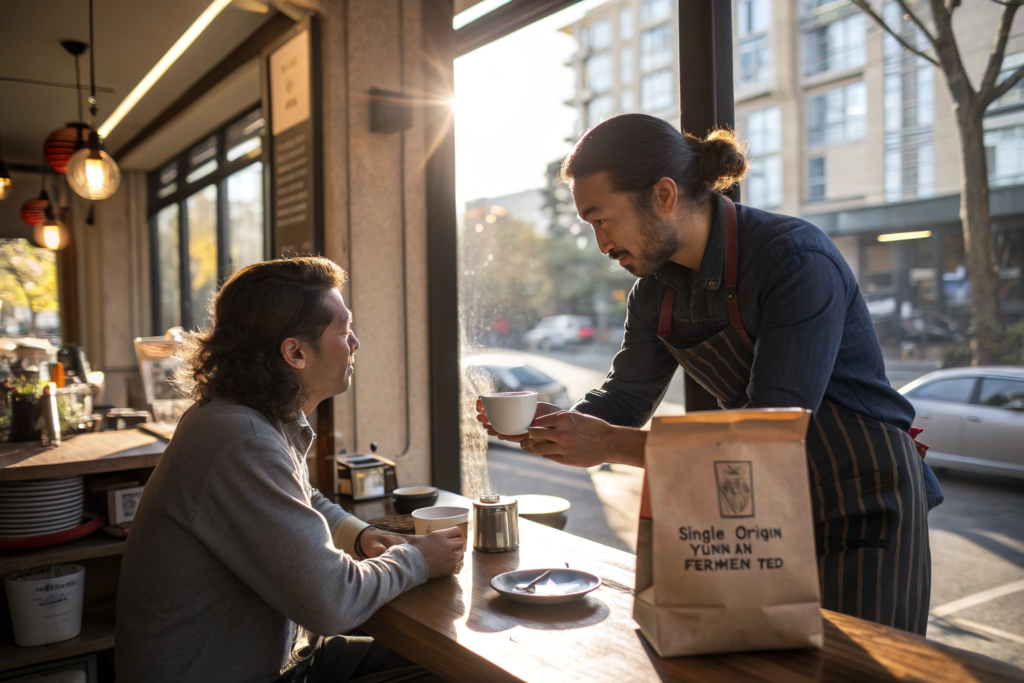
How Do You Provide Sensory Training to Wholesale Customers?
Some of my larger wholesale accounts ask for sensory training for their sales team and baristas. I provide a simple kit and a video call session.
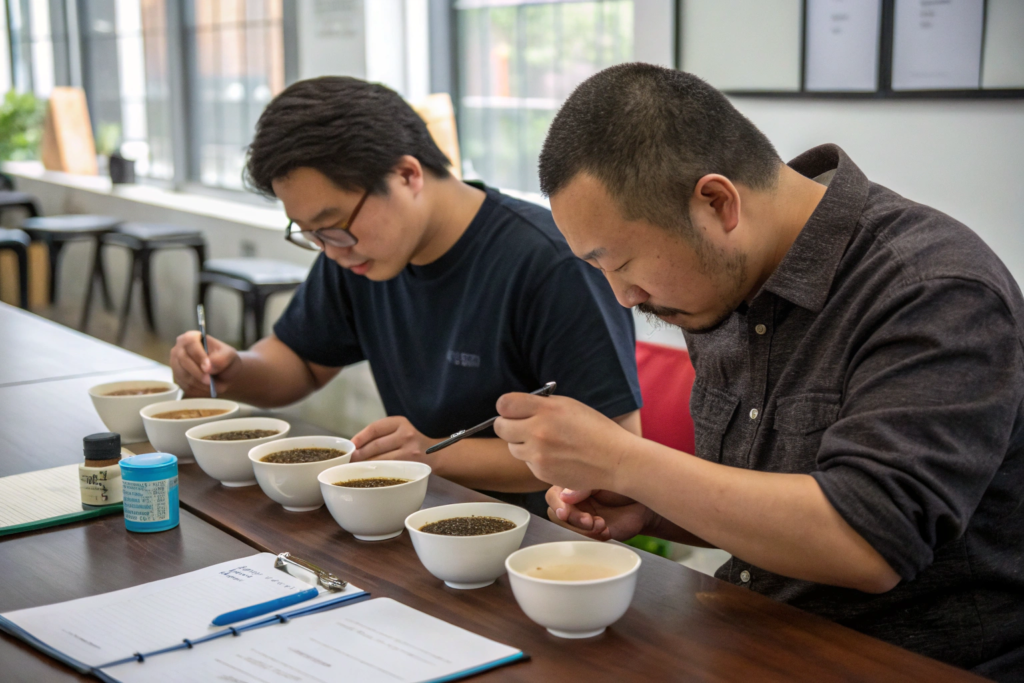
The kit includes four 100-gram samples: a washed reference, a honey, a natural, and a lactic or anaerobic lot. Each sample is labeled with a code, not a process name. The team cups the samples blind. They write down their own descriptions. Then we get on a video call and I walk them through what each cup is and why it tastes the way it does.
The training is not about teaching them the "right" answers. It is about giving them the vocabulary and confidence to describe these coffees to customers. When a barista can say, "This coffee was fermented with the same bacteria that makes yogurt, so it has a creamy, tangy note—but it is still 100% coffee," the customer's skepticism softens. The weirdness becomes a story. The story becomes a sale.
I also provide a one-page fact sheet for each fermented lot. It includes the farm name, the fermentation protocol, the cupping notes, and suggested brew recipes. Baristas can reference it during service. Wholesale customers can share it with their café accounts. The education does not stop when the coffee ships. For more structured training resources, the Specialty Coffee Association offers sensory skills modules that many wholesale teams use to build foundational cupping competency.
What Follow-Up Support Should You Expect After Purchasing a Fermented Lot?
A good supplier does not disappear after the invoice is paid. Fermented coffees can behave unexpectedly in the roaster, on the cupping table, and on the brew bar. The buyer needs ongoing support.
I schedule a follow-up call two weeks after the sample arrives. The buyer has had time to roast it, cup it, and maybe run a production test. They have questions. The roast curve needs adjusting. The flavor is not matching the sample. The customer feedback is mixed. We talk through it. Often, the solution is a simple roast profile tweak. Sometimes the buyer realizes the coffee is excellent but not right for their market. That is okay. The learning is valuable.
I also check in when the lot is close to selling out. I let the buyer know how much volume remains and when the next harvest will arrive. If they want to reserve a larger volume for the next season, we set up a forward contract. The relationship is continuous, not transactional. For fermented micro-lots, where volumes are tiny and demand is growing, that continuity is essential.
The Shanghai Fumao team provides this level of ongoing support. Cathy Cai handles the sample dispatch, the follow-up cupping calls, and the forward booking. Buyers are not left alone to figure out a challenging coffee. They have a partner who wants them to succeed.
Conclusion
Fermented coffee funkiness is not something to apologize for. It is something to explain, contextualize, and position correctly for the right market. The flavors—yogurt, wine, tropical fruit, spice—are the result of deliberate, controlled microbial processes that skilled producers have refined over many seasons. They are not defects. They are a category.
A new buyer's first reaction to a fermented coffee is often confusion or mild dislike. That is normal. Their palate is calibrated to clean washed profiles. The job of the producer or exporter is not to argue with that reaction. It is to guide the buyer through it with reference cups, patient cupping sessions, and honest, transparent information about how the coffee was made.
Not every roaster should buy fermented coffee. If your customers want tradition, give them tradition. But if your customers want discovery—if they open your weekly email waiting for something new, something they have never tasted before—then fermented Yunnan lots deserve a place in your lineup.
If you are curious about the fermented micro-lots we have available this season at BeanofCoffee, contact Cathy Cai. She can send a tasting kit with a washed reference and one of our lactic or anaerobic lots, along with the full fermentation data and roast recommendations. She will not pressure you to buy what does not fit. She will help you figure out what does. Her email is cathy@beanofcoffee.com. She answers every inquiry and ships samples quickly. The coffee tells the rest of the story.