A few months ago, a young roaster from Los Angeles sent me a TikTok link. The video had two million views. A barista was brewing a coffee that looked like pink lemonade. The caption read: "Lactic processed Yunnan. Tastes like strawberry yogurt. This is the future." The roaster asked me, "Can you do this? Because my customers are asking for it by name."
I smiled. We had been running lactic fermentation trials in Baoshan for two seasons already. The process was not new to us. But TikTok had discovered it. And suddenly, a niche processing method that mattered only to competition baristas and Q-graders was being demanded by home brewers who wanted "that funky yogurt coffee."
Lactic processed coffee uses a specific anaerobic fermentation inoculated with lactobacillus bacteria, which produces a cup with intense creamy body, pronounced yogurt-like acidity, and vivid tropical fruit notes—a flavor profile so distinct that it generates viral sensory reactions perfect for social media platforms like TikTok.
This is not a gimmick. The microbiology is real. The flavor transformation is measurable. But the hype has created both opportunity and confusion. Let me explain exactly what happens in a lactic fermentation tank, why the resulting coffee tastes the way it does, and how to source it without falling for marketing fluff.
What Happens During Lactic Acid Fermentation of Coffee?
Standard washed fermentation relies on whatever wild yeasts and bacteria are naturally present on the cherry skin and in the tank. The process is somewhat uncontrolled. The flavor outcome is clean and predictable, but not especially distinctive.
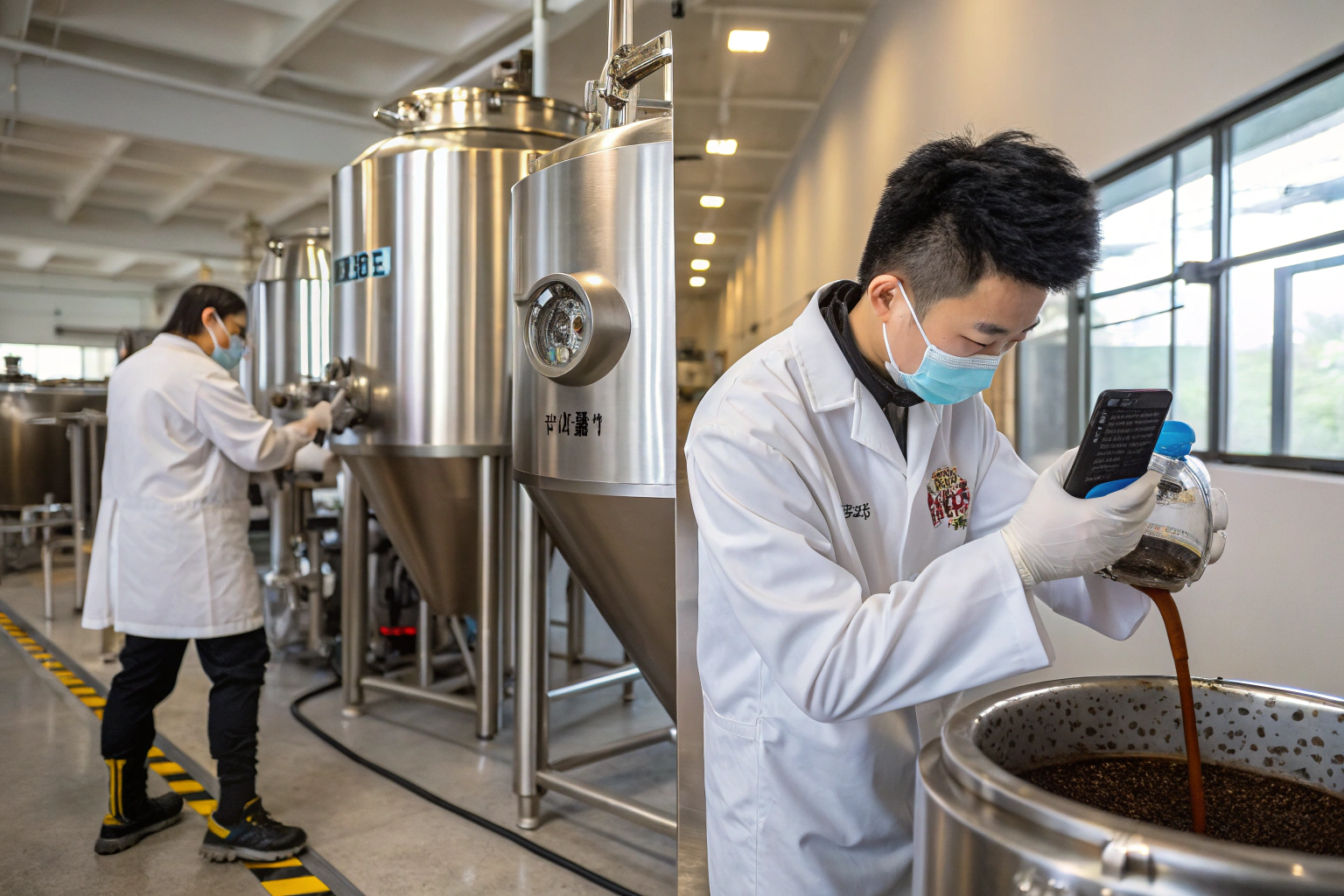
Lactic fermentation changes this by introducing a starter culture dominated by lactobacillus bacteria. These are the same bacteria that turn milk into yogurt and cabbage into sauerkraut. We seal the cherries—usually pulped but with mucilage intact—into a tank. We add the lactobacillus culture. We purge the tank of oxygen. Then we let the bacteria work for a specific period at a controlled temperature.
The bacteria consume sugars in the mucilage. But unlike yeast, which produces alcohol and carbon dioxide, lactobacillus produces lactic acid. This acid is fundamentally different from the citric and malic acids naturally present in coffee. Lactic acid tastes softer, creamier, and more round. It does not have the sharp, lemony bite of citric acid. It tastes like yogurt, like sour cream, like a smooth fermented dairy note.
Lactic fermentation converts mucilage sugars into lactic acid through controlled bacterial inoculation under anaerobic conditions, creating a unique acid profile that tastes creamy and tangy rather than sharp and citrusy.
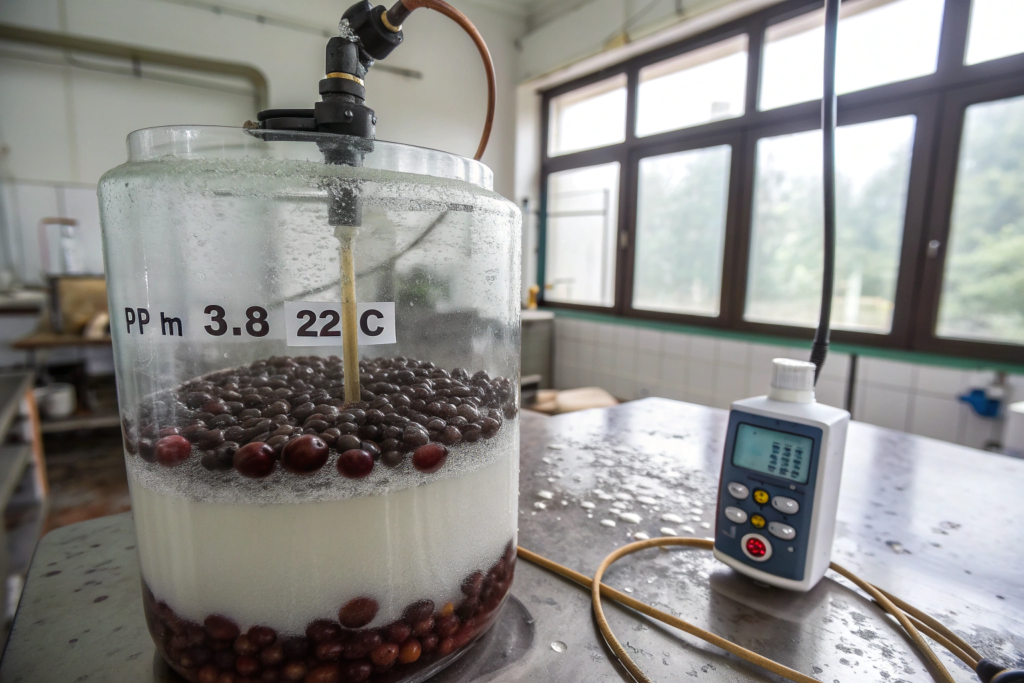
The duration varies. We typically run lactic ferments for 36 to 72 hours, depending on the ambient temperature and the target pH. The tank temperature stays around 22 to 24 degrees Celsius. The pH drops steadily as lactic acid accumulates. We monitor the pH every six hours. When the pH hits a range between 3.8 and 4.2, we stop the fermentation by draining the tank and moving the parchment to drying beds. More on this process can be found through Perfect Daily Grind, which publishes producer-level deep dives into fermentation protocols.
How Is Lactic Fermentation Different from Standard Anaerobic Processing?
A lot of buyers confuse the two. The difference is simple: one is controlled by specific bacteria, the other is uncontrolled.
Standard anaerobic fermentation just means sealing the cherries in an oxygen-free tank and letting whatever microorganisms are present do their thing. The result varies batch to batch. Sometimes wild yeasts dominate and you get a fruity, winey cup. Sometimes bacteria take over and you get funky, savory notes. The outcome is unpredictable.
Lactic fermentation removes the guesswork. By inoculating the tank with a dominant lactobacillus culture, we crowd out the wild microorganisms. The lactobacillus outcompetes everything else. The fermentation follows a predictable biological path. The flavor outcome is consistent batch to batch.
This predictability matters for roasters. If you buy a lactic processed lot this season and your customers love it, you want the same profile next season. Standard anaerobic processing cannot guarantee that. Lactic processing, done correctly, can. The flavor may shift slightly with harvest conditions, but the core creamy-yogurt note remains stable.
A detail often missed: the starter culture itself matters. Different strains of lactobacillus produce slightly different flavor outcomes. L. plantarum tends to produce cleaner, milder lactic notes. L. brevis can produce more complex, slightly funky flavors. Some fermenters blend strains. The choice of culture is part of the art. For scientific background on fermentation microbiology, World Coffee Research has published literature reviews covering how different microorganisms affect coffee flavor precursors.
Why Is Temperature Control Critical for Lactic Processing?
Lactobacillus bacteria are temperature sensitive. They thrive in a narrow band. Too cold, and they become sluggish. Fermentation drags on for days without reaching the target acidity. The risk of spoilage organisms taking hold increases. Too hot, and the bacteria become overactive. They produce too much lactic acid too quickly. The pH crashes, and the coffee can develop an unpleasant, sour, almost cheesy note.
The sweet spot is 22 to 24 degrees Celsius. At this temperature, a lactobacillus fermentation proceeds steadily. The pH drops gradually. The flavor development tracks alongside the acid production. We use temperature-controlled tanks for our lactic lots. If the ambient temperature in Baoshan drops at night, the tank's thermal jacket keeps the culture warm. If the sun heats the processing station during the day, cooling coils prevent overheating.
This level of control is not cheap. It requires infrastructure. Tanks with thermal regulation. pH meters calibrated daily. A clean, enclosed space to prevent contamination. This is why lactic processed coffee costs more. You are paying for microbiology, not just farming. For more on processing equipment and infrastructure, the Coffee Quality Institute offers resources and training programs that cover post-harvest technology investments.
Why Has Lactic Processed Coffee Gone Viral on Social Media?
The algorithm loves surprise. It loves a strong reaction. It loves a visual that makes you stop scrolling. Lactic processed coffee delivers all three.
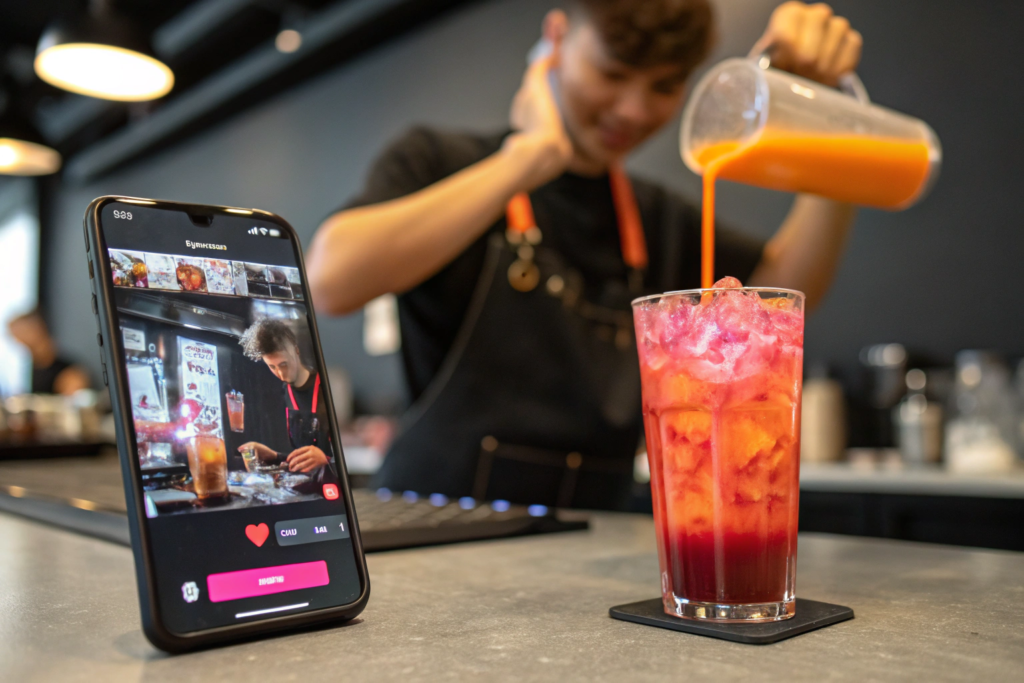
When a barista brews a lactic processed Yunnan and describes it as "strawberry yogurt, pineapple, and cream," the viewer is hooked. That does not sound like coffee. It sounds like a dessert. The curiosity gap is enormous. The viewer wants to know: is that real? Can coffee actually taste like that? They watch the video to the end. They share it. The algorithm boosts it.
Lactic processed coffee trends on TikTok and Instagram because its flavor descriptors—yogurt, berries, cream—are unexpected and mouthwatering, its visual appearance is often distinctive, and the barista's surprised reaction provides the kind of authentic, high-emotion content that algorithms prioritize.
The creamy mouthfeel adds another dimension. Unlike a washed coffee, which can taste thin and tea-like on video, a lactic coffee's heavy, coating body is easier to describe dramatically. Influencers use words like "thick," "luscious," and "milkshake-like." These words perform. They drive engagement. The coffee sells itself through the screen.
How Does the Flavor Description Drive Consumer Demand?
The language of lactic coffee is the language of indulgence. "Yogurt." "Cream." "Berries and cream." These are comfort words. They evoke childhood desserts, not bitter adult beverages.
This matters enormously for consumer psychology. A typical specialty coffee description—"notes of bergamot, black tea, and stone fruit"—appeals to a sophisticated palate. It is subtle. It is restrained. A lactic coffee description—"tastes like a strawberry smoothie, but it's coffee"—appeals to everyone. It promises an experience, not just a beverage.
The home brewer who has never bought a $25 bag of specialty coffee before will take a chance on "yogurt coffee." Because it sounds delicious. And when they brew it and taste something genuinely creamy and fruity, they are converted. They tell their friends. They post their own video. The demand cycle accelerates.
I have watched this play out with our lactic processed Catimor. Roasters who buy it report that it sells out faster than any other single-origin lot. Customers who try it come back asking for more. They do not necessarily become specialty coffee enthusiasts. They become lactic coffee enthusiasts. And they are willing to pay a premium for that specific experience.
What Visual Cues Make Lactic Coffee Instagrammable?
The coffee itself often looks different. Lactic processed beans, especially when brewed as an iced filter coffee, can produce a liquid with a slightly hazy, almost milky appearance. The color can lean toward pinkish-orange, especially if the roast is light and the cherry had a lot of anthocyanin pigmentation.
When poured over ice, it looks like a craft cocktail. It photographs beautifully. The haziness suggests body and texture. A clear, tea-like washed coffee can look thin on camera. A lactic coffee looks substantial. It looks like something you want to drink.
Baristas lean into this. They serve lactic coffees in elegant glassware. They garnish with a dehydrated fruit slice or a edible flower. The visual presentation is part of the experience and part of the content. The café's TikTok account gets views. The roaster's brand gets exposure. The farm's name—hopefully—gets mentioned somewhere in the chain. The visual appeal drives the hype, and the hype drives the sales. For broader context on how social media shapes specialty coffee trends, the National Coffee Association annual reports often include data on how younger consumers discover new coffee products.
What Does Lactic Processed Yunnan Coffee Actually Taste Like?
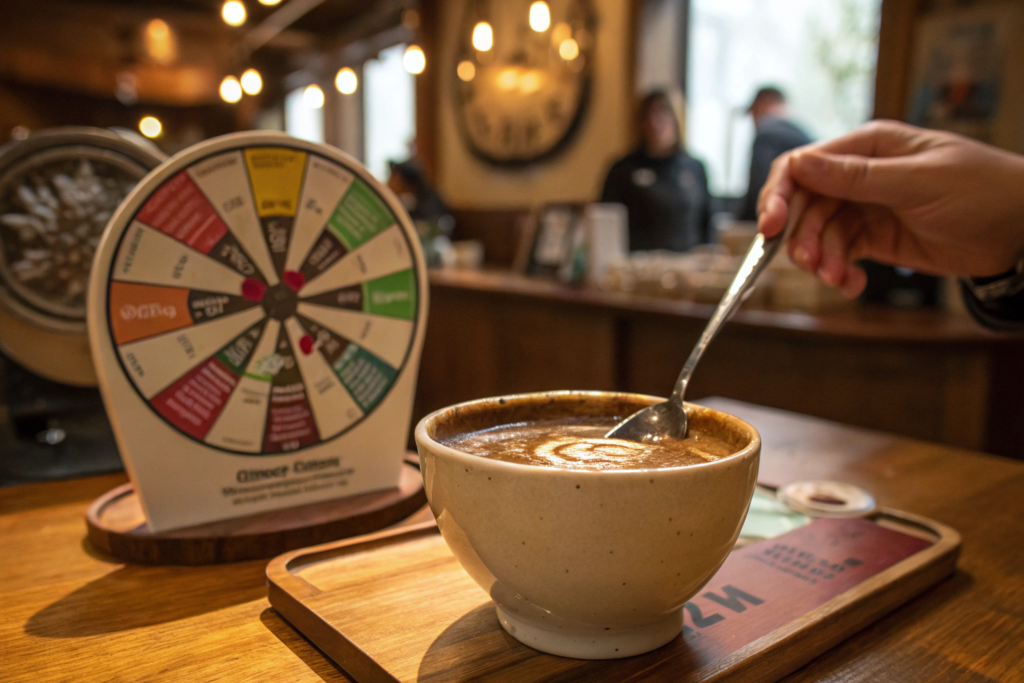
Let me describe an actual cupping of our lactic processed Catimor from last season. The lot was fermented for 60 hours at 23 degrees Celsius with a lactobacillus plantarum culture. The cherries were pulped but the mucilage was left on during fermentation, similar to a honey process but with the bacterial inoculation. After fermentation, the parchment was dried on raised beds for 18 days.
The dry fragrance was unusual. It smelled like dried mango and something creamy, almost like white chocolate. The wet aroma after adding hot water was intense. Yogurt. Ripe pineapple. A hint of vanilla. The cupping room smelled more like a smoothie bar than a coffee lab.
On the first slurp, the acidity was immediately different. Not citrus. Not sharp. It was round, soft, and coating. It tasted exactly like plain yogurt with a drizzle of honey. The body was heavy and creamy, coating the entire mouth. The flavor notes were tropical fruit—mango, passionfruit, maybe a hint of lychee—layered over a base of milk chocolate and cream. The aftertaste was clean but long, leaving a sweet, slightly tangy sensation that reminded me of cheesecake.
The cupping profile of lactic processed Yunnan coffee is dominated by creamy mouthfeel, yogurt-like lactic acidity, and intense tropical fruit notes, typically scoring between 84 and 87 points for clean, well-executed lots.
This is a divisive coffee. Cuppers who love it, love it passionately. Cuppers who prefer clean, transparent washed profiles often find it too heavy and strange. There is no middle ground. For the right roaster, however, it is a product that commands attention and premium pricing.
How Does The Cup Score Compare to Traditional Washed Lots?
The scores for lactic processed lots are competitive with premium washed lots but rarely exceed them by a large margin.
| Processing Method | Typical Score Range | Key Attribute |
|---|---|---|
| Washed Catimor | 82 - 84 | Clean, balanced, chocolate |
| Natural Catimor | 83 - 85 | Fruity, heavy body, winey |
| Lactic Catimor | 84 - 87 | Creamy, tropical, yogurt |
| Carbonic Maceration Catimor | 85 - 88 | Intense fruit, floral, complex |
The scoring ceiling is slightly lower than carbonic maceration, but the distinctiveness is higher. A lactic coffee is more immediately recognizable than a carbonic maceration coffee. The yogurt note is unmistakable. This recognizability adds market value beyond the numeric score.
A buyer should not choose lactic processing because they want a higher score. They should choose it because they want a specific flavor experience that nothing else delivers. The score is a guide, not the goal.
What Roast Level Preserves the Lactic Fermentation Notes?
Light to very light. If you roast a lactic processed coffee past a medium-light level, you incinerate the volatile compounds that create the yogurt and tropical fruit notes. You are left with a heavy-bodied, slightly tangy coffee that tastes more like roasted nuts than strawberry yogurt. The magic is gone.
I recommend targeting an Agtron whole-bean reading of 65 to 75. This is lighter than many roasters are comfortable with. The development time ratio should be kept short—11 to 13 percent after first crack. The bean temperature at drop should stay below 208 degrees Celsius.
The roast curve must be gentle. Lactic processed beans have been through biological stress. Their cell structure is altered. They can be fragile in the drum. A fast, aggressive roast will scorch the outside and leave the inside underdeveloped. A slow, gentle approach with a moderate charge temperature preserves the delicate aromatics.
Roasters who succeed with lactic lots often dedicate specific profile slots to them. They do not try to force the coffee into their standard washed profile. They let the coffee dictate the roast. For software tools that help manage distinct roast profiles, Cropster is widely used by specialty roasters handling multiple processing methods.
How to Source Authentic Lactic Processed Chinese Coffee?
The hype around lactic processing has created a problem. Some sellers label any anaerobic coffee as "lactic process" because the term sells. But if the coffee was not intentionally inoculated with a lactobacillus culture and the fermentation was not monitored with pH tracking, it is not lactic processed. It is just anaerobic.
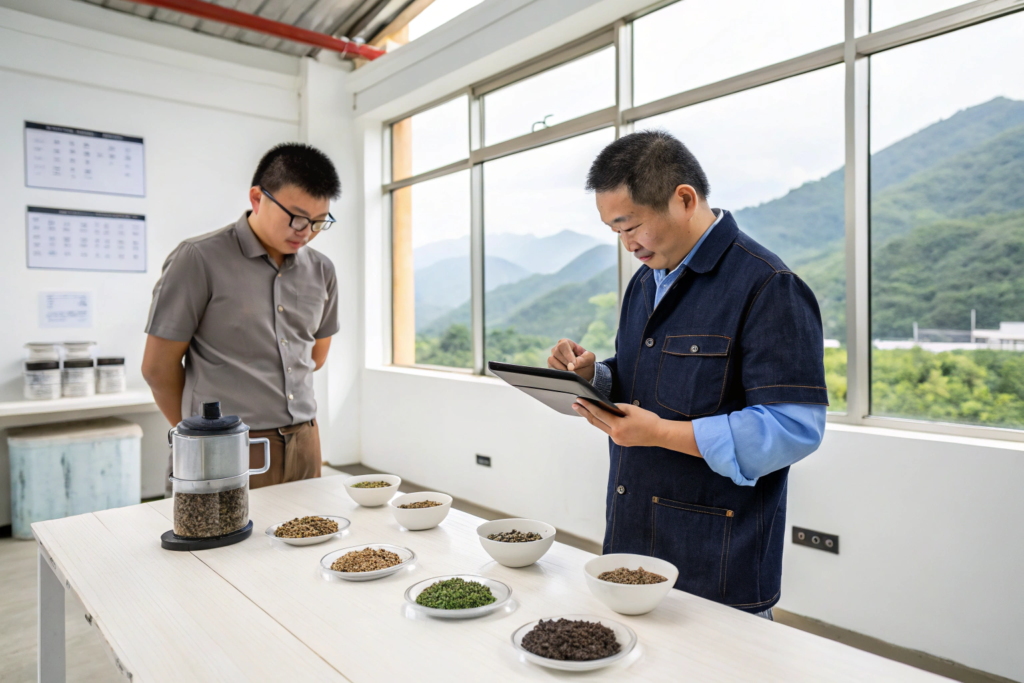
Sourcing authentic lactic coffee requires asking specific questions and demanding documentation. A real lactic processed lot has a paper trail. The culture used is documented. The fermentation duration and temperature are logged. The pH curve is recorded.
To source authentic lactic processed coffee from Yunnan, request the fermentation log showing starter culture strain, tank temperature, pH over time, and duration—any supplier running genuine lactic fermentations has this data readily available and will share it with serious buyers.
If a supplier cannot provide fermentation data, walk away. They are selling a story, not a process. The Shanghai Fumao team provides full fermentation documentation with every lactic micro-lot. Buyers know exactly what culture was used, how long the fermentation ran, and what pH was achieved.
What Questions Should You Ask About the Fermentation Protocol?
Here are the five questions that separate genuine lactic lots from marketing claims:
First: "What specific lactobacillus strain was used?" A correct answer names a strain, like L. plantarum or L. brevis. A vague answer like "we used yogurt bacteria" is a red flag.
Second: "What was the initial and final pH?" The initial pH of the mucilage should be around 5.5 to 6.0. The final pH should be between 3.8 and 4.2. If the supplier cannot provide both numbers, they did not monitor the fermentation.
Third: "What was the fermentation duration and temperature?" The correct answer is specific: "60 hours at 23 degrees Celsius," not "a few days when the weather was warm."
Fourth: "How did you prevent contamination from wild yeasts?" The correct answer involves tank sterilization before inoculation, a sealed anaerobic environment, and possibly a dominant inoculation ratio to outcompete wild microorganisms.
Fifth: "Can I see the drying curve after fermentation?" The drying process after a lactic ferment is critical. The beans are more porous and more susceptible to mold. The drying should be slow and controlled. If the drying log is missing, the risk of defects is higher.
These questions filter out pretenders quickly. Genuine producers answer them with pride. I have our fermentation logs digitized and ready to share before a buyer even asks. For more guidance on verifying processing claims, the Specialty Coffee Association provides cupping protocols and green coffee grading standards that help buyers evaluate processing integrity.
What Premium Should You Expect to Pay for Lactic Lots?
Lactic processed coffee is more expensive than standard washed coffee from the same origin. The premium reflects the additional labor, the cost of starter cultures, the specialized tank infrastructure, and the higher risk of batch loss.
Here is a typical FOB price comparison for our Yunnan lots:
| Processing Method | FOB Price per Pound (USD) | Cost Factor vs. Washed |
|---|---|---|
| Washed Catimor | $2.80 - $3.20 | Baseline |
| Natural Catimor | $3.20 - $3.80 | 1.2x |
| Honey Catimor | $3.50 - $4.00 | 1.3x |
| Lactic Catimor | $4.50 - $5.50 | 1.6x |
| Carbonic Maceration Catimor | $5.00 - $6.50 | 1.8x |
The lactic premium sits below carbonic maceration but above honey and natural. For a roaster selling a limited-release lactic coffee at retail prices of $22 to $28 per bag, the margin works. The key is to buy the right volume. Most lactic lots are micro-lots of 150 to 500 kilograms. Do not over-order. Sell it as a limited drop. Create scarcity. Sell out. Reorder next season.
The Shanghai Fumao team can provide current FOB pricing for available lactic lots, along with cupping scores and fermentation documentation. We also offer smaller sample volumes for roasters who want to test the profile before committing to a full micro-lot.
Conclusion
Lactic processed coffee is not a passing TikTok fad. It is a genuine processing innovation that uses controlled bacterial fermentation to create a cup profile unlike anything else in specialty coffee. The yogurt-like acidity, creamy body, and tropical fruit notes are distinctive enough to attract viral attention, but the science behind them is solid and repeatable.
The social media hype has created demand that outpaces supply. This is good for producers who invest in the process and bad for buyers who encounter fake "lactic" lots from sellers chasing the trend without the microbiology. The solution is to ask the right questions, demand fermentation data, and source from producers who treat this as a scientific protocol, not a marketing label.
For roasters who want to offer their customers a genuinely unique flavor experience—one that generates the kind of surprise and delight that drives social sharing and repeat purchases—lactic processed Yunnan coffee is worth exploring. If you are ready to cup a sample and review the fermentation data yourself, reach out to Cathy Cai at BeanofCoffee. She manages our experimental micro-lot allocations, including lactic, carbonic maceration, and double-washed lots. She can send samples, share fermentation logs, and quote pricing for trial volumes. Write to cathy@beanofcoffee.com. She knows the process inside out and will tell you honestly which lots match your roast style.