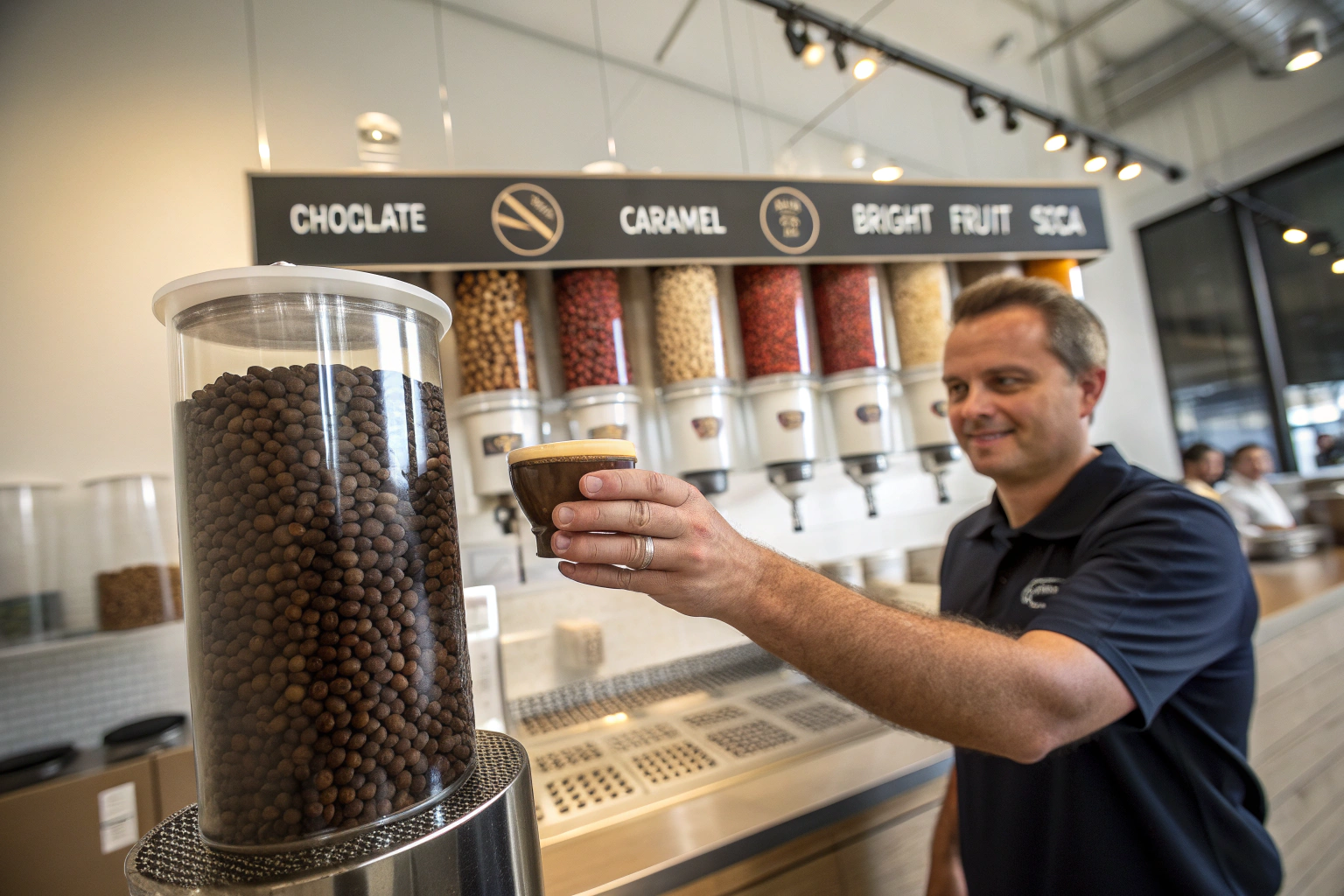
I have seen it happen more times than I can count. A roaster in Seattle finds a supplier with great prices and a shiny website. The samples arrive, and they are fantastic. The coffee lands, and suddenly, the entire container tastes like roasted peanuts, wet earth, and bitter herbs. It is a complete mismatch for their market. Their customers hate it. So they are stuck with 300 bags of coffee they cannot sell, and their trust in sourcing from China drops to zero. This is the real cost of working with a supplier who just does not get what Western coffee drinkers actually want.
A coffee supplier who truly understands Western palates is one who prioritizes clean, washed processing, consistent SCA cupping protocols, and transparent flavor profiling that speaks the language of chocolate, caramel, and bright fruit—not just generic "strong" or "smooth" descriptions. They must see coffee not as a bulk commodity but as a crafted ingredient for a specific end-cup experience, backed by certifications and logistics that a Western buyer can verify without a translator.
So, how do you spot a supplier like this before you wire a deposit? How do you separate the ones who just claim to understand from the ones who actually cup with Q-graders and listen to your feedback? Let me walk you through the real, practical steps I have seen work from my side of the table here in Yunnan.
Why Does a Supplier's Cupping Protocol Define a Western-Ready Coffee?
You know, a lot of suppliers in China still cup coffee the old way. They boil it in a pot and slurp it loudly, looking for "body" and "cha gan," which roughly means the feeling in the throat. That is a completely valid cultural way to taste tea and traditional coffee. But it is not how a roaster in Portland or London evaluates a sample. When I first started working with international buyers, this gap was a huge problem. I had great coffee, but I was describing it in a way that meant nothing to them.
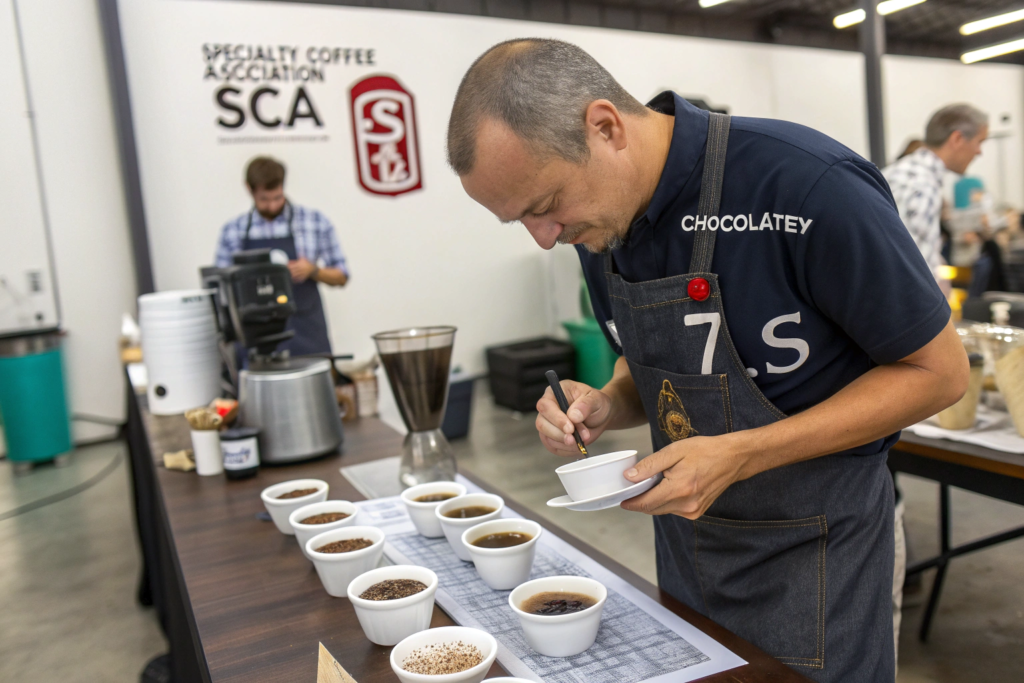
A supplier who uses the official SCA cupping form and protocol is immediately speaking your language. They score fragrance, aroma, flavor, aftertaste, acidity, body, balance, and sweetness on a calibrated scale. This standard creates a scientific bridge between a farm in Baoshan and a cupping lab in Texas, and it is the only way a supplier can genuinely verify that a "chocolatey" lot is actually a 7.5 on body and not just a hollow marketing claim.
Another way to look at this is through consistency. A supplier without a rigorous internal cupping protocol cannot maintain a blend across seasons. One month the coffee tastes like milk chocolate, the next month it is green and grassy. For a Western roaster who has built a brand on a specific taste, that inconsistency is a death sentence.
How do you verify a supplier's cupping score claims?
You ask for the physical cupping form for the specific lot you are buying. Not a generic marketing sheet. Not a certificate from three years ago. The form for that exact lot. A real SCA form will have scores in 10 categories, tasting notes with clear descriptors like "dried apricot" or "baker's chocolate," and the name of the Q-grader who signed off on it. If a supplier cannot provide this, they are not cupping to a standard you can trust. You can learn more about what these forms look like and how to read them from the SCA's official cupping protocols. For a deeper dive into professional tasting standards, the Coffee Quality Institute is also a resource many of our buyers use to understand the calibration behind the scores.
Why does blind cupping matter when sourcing from China?
We do blind cupping internally every single week. I do not tell my team which farm the samples are from. I just assign a number and put them on the table. This practice removes the bias toward our "favorite" farms and reveals the truth about the cup. A supplier that refuses to do a blind cupping with you—perhaps over a video call where you both cup the same shipped samples—is hiding something. It might be the quality, or it might be that they simply do not have the skill to identify defects themselves. Either way, it is a giant red flag. I personally have done this over Zoom with potential clients, cupping the same sample sets at the same time, and discussing what we both taste. It is the single most powerful trust-building exercise you can do.
How Do Yunnan Coffee Processing Methods Align with Western Taste Preferences?
I was at a trade show in Berlin a few years ago, and a buyer tasted one of our early experimental lots. He put his cup down, looked at me with a bit of confusion, and said, "This doesn't taste like Chinese coffee." He meant it as a compliment. In his head, Chinese coffee was supposed to be muddy and herbal. Our fully washed, bright, and clean cup had broken that stereotype completely. Processing is the invisible hand that shapes a coffee's destiny for a Western market.
Western palates, broadly speaking, favor clarity and sweetness over funk and earthiness. This is why fully washed and honey-processed Yunnan Arabicas are the strongest match. A clean, washed coffee highlights the natural acidity and fruit notes without any fermented or earthy distractions, while a controlled honey process can add a rich, syrupy sweetness that is incredibly popular in the specialty milk-drink market.
What I have learned is that the default natural process in some parts of China can be a gamble for Western buyers. Done perfectly, it is incredible. Done poorly, it is a fermented, boozy mess. We have shifted most of our export production to rigorous washed protocols precisely to deliver a product that the average American specialty drinker will understand and love immediately.
What is the difference between a washed Yunnan and a Sumatran wet-hulled coffee?
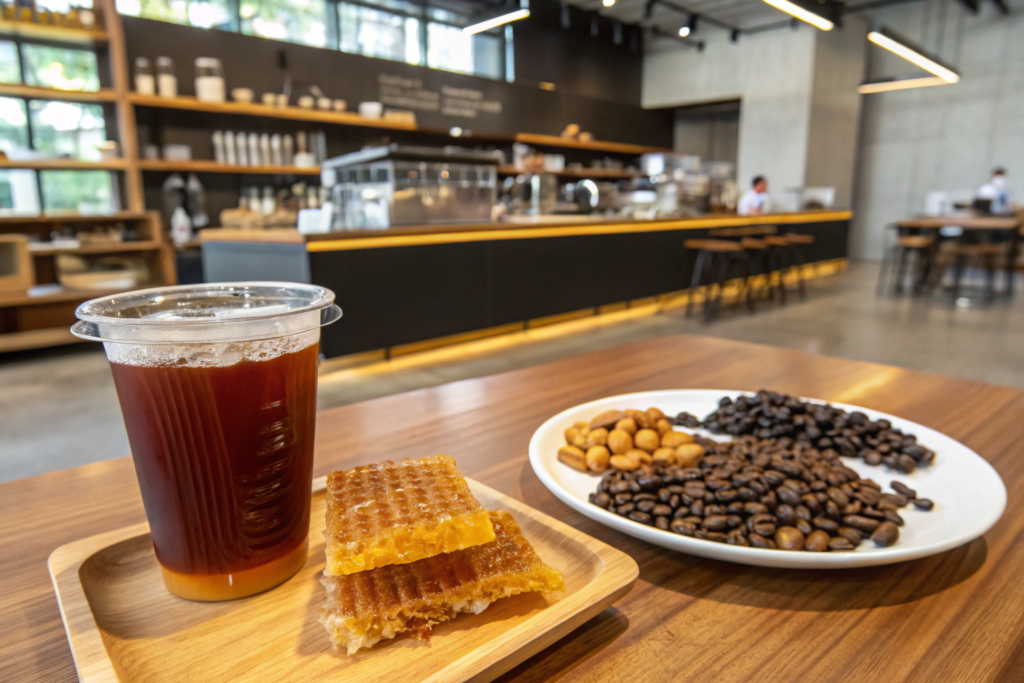
This is a key distinction a supplier must know. A buyer asked me this just last month. Wet-hulled coffee, common in Sumatra, often produces that deep, earthy, cedary, and sometimes funky cup profile. Washed Yunnan Arabica, when done right at our mill, is completely different. It is clean. The acidity is malic, like a crisp apple. The mouthfeel is lighter and smoother. If a potential supplier cannot explain this difference clearly and instantly, they have not spent enough time understanding what makes their own coffee unique compared to other Asian origins. The World Coffee Research sensory lexicon is a great tool for understanding these official descriptors. For a broader look at how processing shapes flavor, the Perfect Daily Grind processing guide offers excellent, practical articles.
How does double-washing remove the "earthy" risk in Yunnan coffee?
Honestly, the single biggest quality investment we made at our Baoshan mill was installing a second washing channel. We ferment the cherries, depulp them, wash them once, and then wash them again in long channels of clean, fresh mountain water. This second wash is what physically scrubs away any last traces of sticky mucilage that could ferment unevenly and create that earthy or dirty note. It is an extra step that costs more in water and labor, but it is the insurance policy for a flawlessly clean cup. When I talk to a supplier and they cannot describe their washing process in this kind of concrete detail—mentioning channels, fermentation times, water sources—I know they are likely just a trading company buying anonymous lots and reselling them.
What Certifications Prove a Supplier Truly Caters to Western Buyers?
Certifications are a cost of doing business. I will not pretend otherwise. Getting and maintaining them is expensive and time-consuming. But for a Western buyer, they are not just pieces of paper. They are a shortcut. They are a pre-vetted guarantee that a supplier's internal systems have been audited to an international standard, which saves you the cost of flying to China to kick the tires yourself.
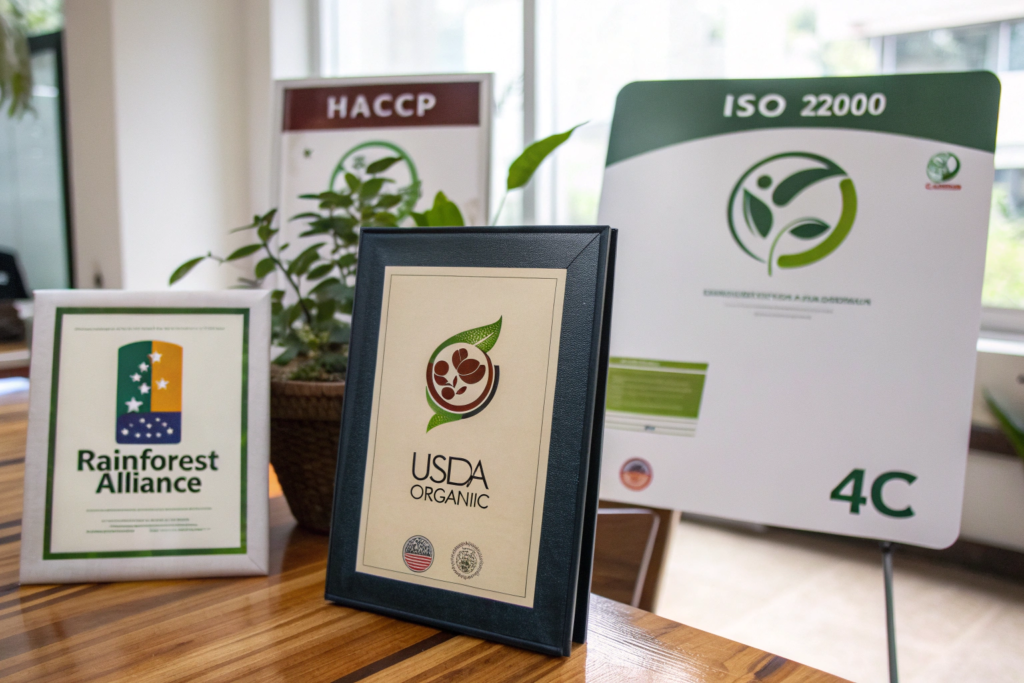
The certifications that Western buyers look for first are Rainforest Alliance, Organic (USDA or EU), and 4C. These prove ethical labor, environmental stewardship, and a baseline of good agricultural practice. But beyond these, ISO 22000 or HACCP certification for the mill is the secret signal that a supplier is serious about food safety and physical quality control—areas where many smaller origins fail.
A detail many people overlook: an Organic certification from a farm in China is incredibly difficult to maintain. The humidity is high, pests are a real threat, and the paperwork is intense. If a supplier has held a genuine organic certification for multiple years, it is a powerful testament to their discipline and management.
Why is a mill's HACCP plan critical for a Western export partner?
HACCP stands for Hazard Analysis and Critical Control Points. It is a food safety system. For a roaster, this means the supplier has identified every point where a physical hazard—like a stone, a piece of metal, or mold—could enter the green coffee. Our HACCP plan at Shanghai Fumao covers everything from the drying patio to the final bagging and metal detection. A supplier without this plan is asking you to be their final quality and safety inspector, which is a cost and risk you did not agree to take on. To see a concrete example of the quality infrastructure a buyer should look for, you can review our Yunnan Arabica Green Coffee Beans product page, which lists the specific certifications and physical analysis we provide with every lot.
How can you independently verify a Chinese supplier's organic certificate?
Do not just accept a PDF of the certificate. Certificates can be faked or outdated. Take the certificate number—the unique ID that appears on it—and go to the certifying body's official website. Run the number through their online database. For USDA Organic, you can check it on the USDA Organic Integrity Database. For a European buyer, the EU organic logo number works similarly. A supplier who is truly proud of their certifications will happily walk you through this verification process in real-time on a video call. They will not get defensive. We have done this. It is not a test of mistrust; it is a part of building a real, verifiable supply chain partnership.
How Do You Test a Supplier's Logistics and Communication Culture?
The best coffee in the world is worthless if it arrives four weeks late and no one answers your emails. I learned this early on when we first started exporting. Our coffee was excellent, but our initial partner's shipping agent was terrible. We lost a client because of it. It was painful, but it taught me that communication and shipping predictability are just as much a part of the product as the beans in the bag.
A supplier who understands Western business communication is proactive, not reactive. They send pre-shipment samples without being reminded. They share a vessel booking confirmation 48 hours after a contract is signed. They use WeChat for quick chats but switch to formal email for official updates and documents, fully understanding the need for a clear, traceable paper trail. The speed and clarity of their English communication in the first three email exchanges will tell you almost everything you need to know.
What this all boils down to is culture. It is about the supplier treating you, a client in North America, not as a faceless order number from a platform like Alibaba, but as a long-term partner whose business deadlines are as serious as their own. If they fail to answer a direct question clearly in an email, imagine what happens when a container is stuck in customs.

What are the red flags in a first email with a Chinese coffee supplier?
Red flag one: a generic price list with no details about the lot, the crop year, or the processing. Red flag two: a response that ignores half of your specific questions and just pushes for a quick deposit. Red flag three: poor English that is not just grammatically broken but is ambiguous on critical details like pricing terms. Are they quoting FOB or CIF? Is the unit metric tons or pounds? A serious, professional outfit like ours will reply with a clean, detailed PDF offer sheet, specifying the lot number, cupping score, moisture, water activity, packing, FOB Shanghai price, and estimated sailing date in the very first reply. Clarity is a form of respect.
How should a supplier handle a shipment delay or quality dispute?
This is the ultimate stress test. Any supplier can look good when everything goes smoothly. A true Western-focused partner reveals themselves when things go wrong. A delay should trigger an immediate, unsolicited email explaining the cause, the new schedule, and the remedial steps. A quality dispute, if it ever happens, should be met with a concrete proposal: a discount on the next order, a return of a portion of the payment, or a replacement shipment. We had a situation where a bag was damaged during transit and some beans were exposed. It was a tiny loss, less than a kilo. We still sent a credit note for the full value of that bag. That is not just customer service. That is a cultural understanding of how a Western business expects liability to be handled. Shanghai Fumao operates on a simple principle: a client saved from a small loss today is a client who places a much bigger order without fear tomorrow.
Conclusion
Finding a Chinese coffee supplier who truly understands a Western palate is not about finding someone who uses the right buzzwords. It is about finding a partner who can prove their knowledge in a cupping spoon, on an SCA form, on an organic certificate, and in the clarity of their first email to you. It comes down to a scientific approach to quality, a processing style tuned to clean and sweet flavors, verifiable credentials that require no translator, and a communication ethos that sees your business as a long-term partnership, not a one-time transaction.
Do not settle for promises. Ask for the cupping sheet for your specific lot. Ask for a blind cupping over a video call. Verify the organic certificate number yourself. Send them a sample email as a test and see how they reply. The supplier you want is the one who welcomes all of this with a smile, not a sigh.
If you are sourcing for a roastery or brand in North America and need a partner who will speak your flavor language fluently, I invite you to reach out. Let us start with samples, a cupping form, and a transparent conversation. Contact Cathy Cai at cathy@beanofcoffee.com. She is in charge of our international client relationships and will get you everything you need to make a confident decision. Let us prove to you that great, Western-ready coffee from Yunnan is not an experiment anymore—it is a reliable, delicious reality.