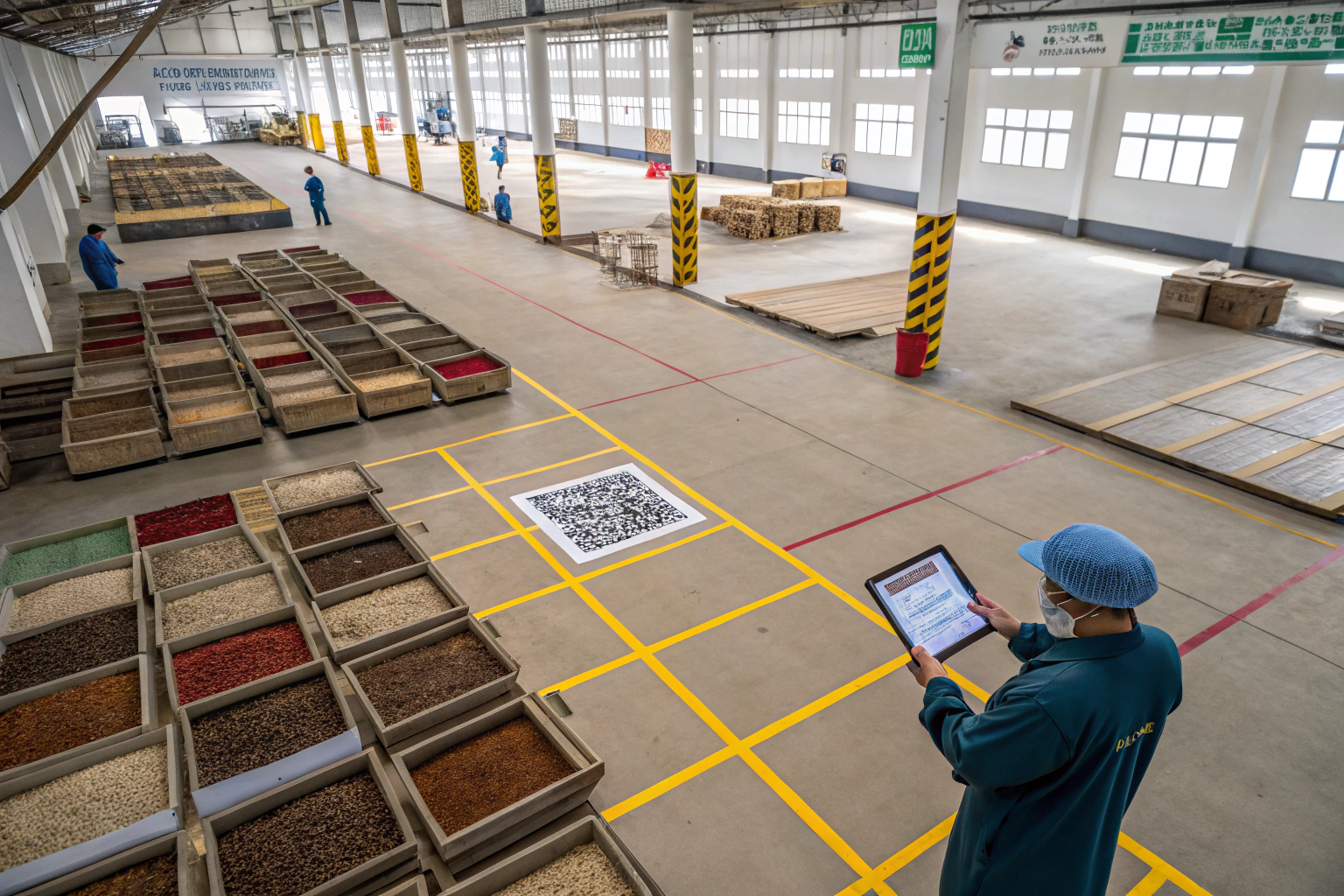
A competition roaster from Oslo emailed me three months ago. He was preparing for the World Barista Championship. He needed a micro-lot. Not a small bag from a big batch. A genuine micro-lot—a single variety, from a single plot, processed separately in a dedicated small tank, dried on its own section of raised beds, and never blended with anything else. "I am tired of suppliers who call 500 kilos a micro-lot," he wrote. "I need 30 kilos of something that has never touched another bean. Where do I find that in China?"
I understood his frustration. The term "micro-lot" is used loosely in the coffee trade. Some sellers call any small bag a micro-lot, even if it was scooped from a 10,000-kilo blended container. True micro-lot separation is rare because it is expensive. It disrupts the efficiency of a processing facility. It requires dedicated equipment, dedicated labor, and dedicated storage. Most factories do not offer it. A few do.
To find a factory in China that offers genuine micro-lot separation, you must look for processors with dedicated small-batch fermentation tanks, isolated raised bed sections, and plot-level traceability systems, and then verify their claims through video calls, documentation, and pre-shipment sample cupping that confirms the lot's unique character.
Here is how to identify these facilities, what questions to ask, and how to ensure the micro-lot you pay a premium for is the genuine, single-plot, separately processed coffee you expect.
What Defines a True Micro-Lot in Coffee Processing?
The definition of a micro-lot is not standardized across the coffee industry. This lack of standardization creates confusion and allows some sellers to attach a premium price to coffee that does not deserve it. A buyer must understand what genuine micro-lot separation entails to evaluate a supplier's claims.
A true micro-lot is defined by segregation at every stage of production. It is not enough that the lot is small. A 30-kilo bag of coffee that came from a 10,000-kilo blended batch is not a micro-lot. It is a small portion of a large lot. A genuine micro-lot is separated from the very beginning.
The segregation starts in the field. A micro-lot comes from a specific plot, or even a specific section of a plot. The plot has unique characteristics—a particular variety, a particular altitude, a particular soil type, a particular tree age. The cherries from this plot are picked separately and kept separate throughout processing.
The segregation continues through processing. A true micro-lot is processed in a dedicated small-batch tank or a thoroughly cleaned standard tank. It is not mixed with cherries from other plots. The fermentation, washing, and drying are done in isolation. The lot is dried on its own section of raised beds, with its own label. It is stored in its own bags in a separate section of the warehouse.
A genuine micro-lot is defined by complete segregation from field to export bag: cherries from a single defined plot are harvested, fermented, dried, milled, and stored in isolation, producing a coffee that expresses the unique characteristics of that specific plot and that specific harvest without any blending.
The segregation extends through dry milling and export. The micro-lot is milled separately, with the milling equipment cleaned between lots. The green beans are bagged separately. The export documentation traces the coffee back to the specific plot. The lot is not blended with other lots at any point.
The volume of a true micro-lot is limited by the production of the defined plot. If a plot produces 100 kilos of exportable green coffee, the micro-lot is 100 kilos—no more. A seller offering "micro-lots" of 500 or 1,000 kilos repeatedly throughout the year may be blending smaller lots or simply repackaging from a larger batch.

How Is Micro-Lot Separation Different from Standard Lot Processing?
Standard lot processing prioritizes efficiency and volume. Cherries from multiple plots, sometimes from multiple farms, are combined at the processing station. The combined lot is fermented in a large tank, dried on a large shared bed, and stored in a shared warehouse section. The final lot is a blend of many plots. The cup profile is an average of all the components. The traceability is to the farm or the region, not to the specific plot.
Micro-lot processing prioritizes individuality and traceability over efficiency. The cherries are kept separate. The processing is done in small batches. The equipment must be cleaned between lots to prevent cross-contamination. The labor cost per kilo is higher because the batch sizes are smaller. The drying beds are underutilized because a small lot occupies only a fraction of a bed. The storage is less efficient because many small lots occupy more space than one large lot.
The difference in cost is significant. A micro-lot costs more to produce per kilo than a standard lot. The higher cost is not just a premium for rarity. It reflects the actual additional labor, equipment, and space required. A genuine micro-lot supplier will explain these costs transparently.
The difference in cup quality is often significant as well. A micro-lot expresses the specific character of its plot. The variety, the altitude, the soil, the microclimate—all of these are preserved in isolation. A standard lot blends these characteristics into an average. The micro-lot is distinctive. The standard lot is consistent. Both have value, but they are different products for different purposes.
Why Do Competition Roasters and High-End Buyers Demand True Separation?
Competition roasters need micro-lots because they need a coffee that tells a specific, verifiable story. A World Barista Championship routine includes a presentation about the coffee's origin. The competitor must be able to state exactly where the coffee came from, who grew it, and how it was processed. A blended lot cannot support this level of detail. Only a true micro-lot can.
High-end roasters need micro-lots because their customers demand uniqueness. A roaster selling a $35 bag of limited-release coffee must be able to say, "Only 80 kilos of this coffee were produced. It came from this specific plot at this specific altitude. When it is gone, it is gone." The scarcity and the specificity are part of the value proposition. A micro-lot that is not truly scarce—one that the supplier can magically produce more of on demand—undermines the roaster's credibility with their customers.
The cupping table also rewards true micro-lots. A coffee that expresses the unique character of a specific plot often cups with more distinctiveness and complexity than a blended lot. The flavors are not averaged. They are focused. A cupper can taste the specific variety, the specific altitude, and the specific processing. The coffee is memorable. It stands out in a flight of samples. For competition and high-end retail, that distinctiveness is the entire point.
I have supplied micro-lots to competition roasters who went on to place in national championships. The feedback is always the same: the coffee's distinctiveness—its specific, undeniable character—gave them a story to tell and a flavor the judges remembered. That would not have been possible with a blended lot.
How Can You Verify a Factory's Micro-Lot Claims?
Not every factory that claims to offer micro-lots actually does. The premium price attracts opportunistic sellers who repackage standard lots into small bags and call them micro-lots. The buyer must verify the claims before committing to a purchase.
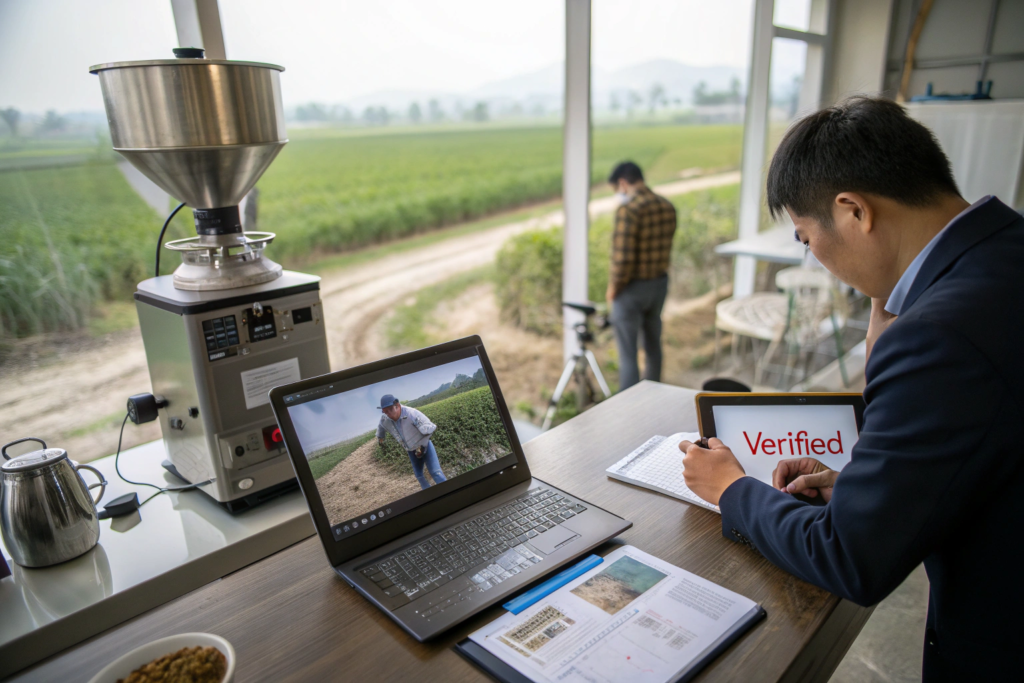
The first verification step is a video call with the processor. Ask to see the micro-lot in process. The factory representative should be able to walk to the specific fermentation tank, the specific drying bed, or the specific storage area where the micro-lot is located. The tank should be labeled with the lot code. The drying bed should be labeled. The storage bags should be labeled. The labels should match the lot code on the offer sheet.
If the representative cannot show you the micro-lot, or if they show you a large, unlabeled tank and claim the micro-lot is "in there somewhere," the lot is not truly separated. A genuine micro-lot is visible, identifiable, and traceable at every stage.
To verify a factory's micro-lot claims, request a live video tour showing the specific tank, bed, and storage area labeled with the lot code, demand the full processing log with dates and parameters for that specific batch, and cup the pre-shipment sample against a reference to confirm the lot's unique character.
The second verification step is the documentation. A genuine micro-lot has a paper trail. The lot card should show the plot identifier, the GPS coordinates, the harvest date, the fermentation log, the drying curve, the milling date, and the bag count. The documentation should be specific to the micro-lot, not a generic form that could apply to any lot.
The third verification step is the cupping. The buyer should cup the pre-shipment sample and evaluate its distinctiveness. A micro-lot should taste like a specific coffee, not a generic blend. The flavor notes should be clear and focused. The acidity, body, and finish should be balanced. If the coffee tastes generic—pleasant but unremarkable—it may be a repackaged standard lot.
What Questions Should You Ask About Small-Batch Equipment?
The equipment used for micro-lot processing is different from the equipment used for standard lots. The buyer should ask specific questions about the equipment to verify that the factory is set up for genuine small-batch processing.
First: "What is the capacity of your smallest fermentation tank?" A genuine micro-lot facility has small tanks—50 to 200 kilos capacity—for processing individual lots. If the smallest tank is 1,000 kilos or larger, the facility is not set up for true micro-lot separation.
Second: "How do you clean tanks between micro-lots?" The answer should describe a specific cleaning protocol—washing with clean water, sanitizing with approved agents, drying before the next lot. A facility that cannot describe its cleaning protocol is likely not cleaning between lots, which means cross-contamination is occurring.
Third: "Do you have dedicated drying space for micro-lots?" A genuine micro-lot facility has raised beds or drying tables that can be sectioned off for individual lots. The lot label should be physically attached to the drying bed. If micro-lots are dried on shared beds with no physical separation, they are not truly separated.
Fourth: "How do you prevent mixing during dry milling?" The milling equipment should be cleaned between lots. The facility should have a protocol for running a cleaning batch of beans through the mill before the micro-lot is milled. If the facility cannot describe this protocol, the micro-lot is at risk of contamination from previous lots.
At Shanghai Fumao, we have invested in small-batch processing equipment specifically for micro-lot production. Our smallest fermentation tanks hold 60 kilos. Our raised beds are divided into labeled sections. Our dry mill is cleaned between lots. The equipment investment is part of our commitment to genuine micro-lot separation.
How Can Video Verification Prove Lot Isolation?
Video verification is the most practical tool for remote buyers who cannot visit the facility in person. A well-conducted video call can confirm lot isolation more effectively than any document.
Schedule the video call during the processing season when the micro-lot is actively being processed. Ask the factory representative to start the call at the plot where the cherries were harvested. The representative should show the plot, the trees, and the pickers. The GPS coordinates on the phone should match the plot coordinates on the lot card.
Then ask the representative to walk the cherries to the processing station. The cherries should arrive in bags labeled with the lot code. The bags should be emptied into a fermentation tank that is labeled with the same lot code. The tank should be clean and dedicated to that lot.
After fermentation, ask to see the drying beds. The lot should be spread on a labeled section of the bed. The bed should be physically separated from other lots. The label should match the lot code.
Finally, ask to see the storage area. The dried parchment or green coffee should be in bags labeled with the lot code. The bags should be stored in a section of the warehouse that is separated from other lots.
A facility that can provide this end-to-end video verification is a facility that is genuinely set up for micro-lot separation. The video evidence is more reliable than any certificate or claim. For more on remote verification techniques, the Specialty Coffee Association has discussed digital traceability tools in various webinars and publications.
How Are Micro-Lots Priced and Contracted in China?
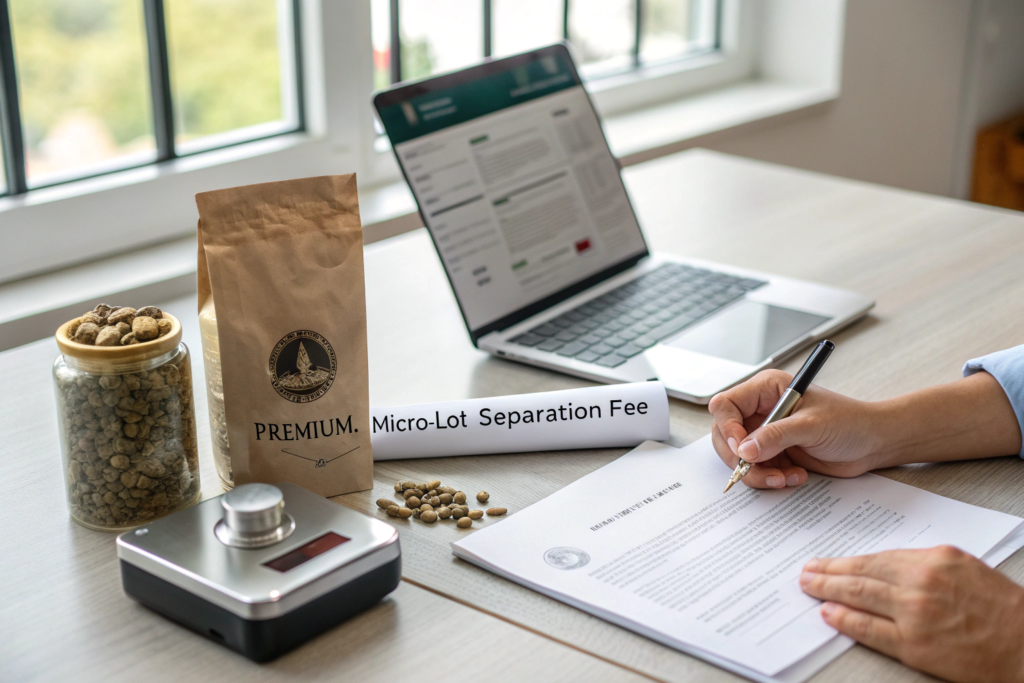
Micro-lot pricing is different from standard lot pricing. The premium is not just a markup for rarity. It reflects the actual additional costs of small-batch processing, the lower yield from specialized sorting, and the opportunity cost of dedicating equipment to a small volume.
The price structure for a micro-lot typically has three components. The base green coffee price, which is the price of the same variety and quality tier as a standard lot. The micro-lot processing premium, which covers the extra labor, equipment, and space. And the exclusivity premium, if the buyer wants the entire micro-lot and does not want it offered to other buyers.
The processing premium varies depending on the lot size and the complexity of the processing. A washed micro-lot has a lower processing premium than an anaerobic fermented micro-lot, because the anaerobic process requires more monitoring and carries more risk. The premium is typically 30 to 100 percent above the standard lot price for the same origin and variety.
Micro-lot pricing in China reflects the actual added costs of small-batch processing and the value of exclusivity, with total FOB prices typically ranging from 50 to 150 percent above the standard lot price, depending on the processing method, the lot size, and whether the buyer seeks exclusivity. The contract for a micro-lot should specify the exact volume, the lot code, the plot traceability, and the processing method. It should also specify whether the lot is exclusive to the buyer or offered to multiple buyers. Exclusivity commands a higher premium but gives the buyer a unique product. Shared micro-lots have a lower premium per kilo but are available to multiple roasters.
At Shanghai Fumao, we offer both exclusive and shared micro-lots. The pricing is transparent. The buyer knows exactly what they are paying for—the coffee, the processing, and the exclusivity if applicable.
What Is the Minimum Order Quantity for a Separated Micro-Lot?
The minimum order quantity for a micro-lot is determined by the production volume of the plot, not by an arbitrary sales target. A micro-lot is what the plot produces. If a plot of SL28 produces 80 kilos of exportable green coffee, the micro-lot is 80 kilos. The buyer can purchase the entire lot or a portion, down to a reasonable minimum.
I typically set the minimum purchase for a micro-lot at 15 to 30 kilos, depending on the lot. This allows competition roasters and small micro-roasters to access genuine micro-lots without being forced to buy more than they need. The per-kilo price is higher at these small volumes because the fixed costs of documentation, sampling, and shipping are amortized over fewer kilos.
For larger micro-lots—150 to 300 kilos—the per-kilo price is lower, and the lot may be shared among two or three roasters. The lot card notes how many buyers shared the lot, so each buyer knows the total production volume and their portion of it. I always tell buyers the total lot size, regardless of how much they are buying. Transparency about the total volume is part of the micro-lot integrity. If a seller is unwilling to disclose the total lot size, the buyer should be skeptical.
How Do Forward Contracts Work for Micro-Lots?
Forward contracting for micro-lots is essential because the volumes are small and the demand is growing. A buyer who waits until the coffee is processed and cupped may find that the lot is already sold.
The forward contract process begins before the harvest. The buyer and the supplier discuss the buyer's needs—variety, processing method, target cupping score, volume range. The supplier identifies a plot or plots that can meet those needs. A tentative agreement is made, subject to the actual harvest quality.
After harvest, the micro-lot is processed. The pre-shipment sample is sent to the buyer. The buyer cups the sample. If the quality meets the agreed specifications, the forward contract is confirmed. The buyer pays a deposit. The coffee is shipped. If the quality falls short, the buyer can decline the lot, and the supplier offers it to other buyers.
Forward contracting benefits both parties. The buyer secures access to a rare lot before it reaches the open market. The supplier has a committed buyer before investing in the extra labor of micro-lot processing. The relationship is collaborative, not transactional.
I recommend that roasters establish forward contracts for their annual micro-lot needs. The contract specifies the variety, the processing method, the target volume, and the quality threshold. The buyer receives first right of refusal on the lot. The supplier has a predictable demand. Both sides win.
How to Market a Micro-Lot Story to Your Customers?
A micro-lot is a story as much as it is a coffee. The story of a specific plot, a specific harvest, a specific processing decision is what justifies the premium price and engages the customer. The roaster's job is to tell that story effectively.
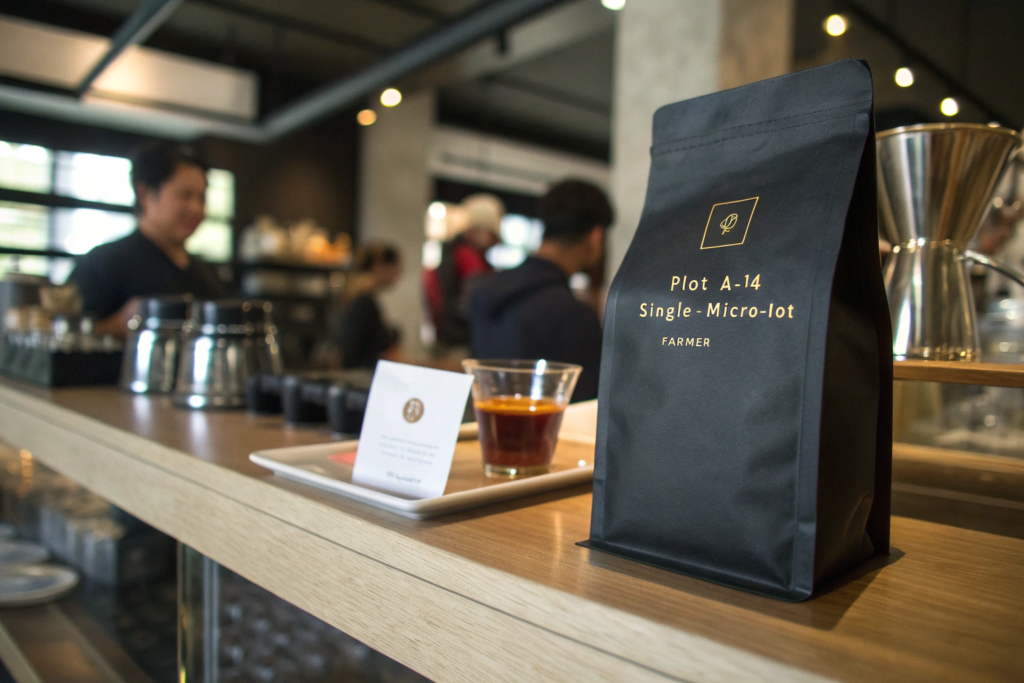
The bag label should lead with the plot and the exclusivity. "Plot A-14 Micro-Lot" or "Single Plot Reserve" signals that this is not a generic single origin. The volume should be stated: "Only 80 kilos produced." The scarcity is real and should be communicated honestly.
The story card or back label should include the key details: the farm name, the plot identifier, the GPS coordinates, the altitude, the variety, the harvest date, the processing method, and the farmer's name. The details make the story specific and credible. The customer can visualize the exact place where the coffee was grown.
Effective micro-lot marketing tells the specific story of the plot—the GPS coordinates, the farmer, the harvest date, the processing method—and uses the scarcity of the small lot to create urgency, framing the purchase as a limited opportunity to taste a coffee that will never be exactly replicated.
The cupping notes should be included, but they should be accessible. "Tastes like mango, dark chocolate, and honey" is better than "SCA score 87.5, with pronounced tropical fruit esters." The customer wants to know what the coffee will taste like. The score is for the coffee professional, not the consumer.
The website or QR code link can provide the full documentation for the customer who wants to go deeper. The lot card, the processing log, the cupping form, photos of the plot and the farmer—all of this builds trust and engagement. The customer who reads the full story becomes a loyal advocate for the micro-lot program.
How Do You Communicate the Value of Traceability?
Traceability is an abstract concept to most consumers. They do not know what "traceable to the plot" means or why it matters. The roaster must translate traceability into a concrete benefit.
The benefit of traceability is trust. The customer can trust that the coffee is what the roaster says it is. The specific plot, the specific farmer, the specific harvest—these are verifiable facts, not marketing claims. The customer who buys a traceable micro-lot knows exactly where their money is going and exactly what is in the bag.
The roaster can communicate this by saying, "We know the exact GPS coordinates of the plot where this coffee was grown. We know the name of the farmer who picked the cherries. We know the day it was harvested. This is not a blend from a region. This is coffee from a specific place, and we can prove it." The proof is in the documentation. The lot card, the photos, the video of the plot—these are shared with the customer. The customer who wants to verify the traceability can do so. The transparency builds trust, and trust builds loyalty.
For the micro-lot buyer, traceability is part of the value. They are not just buying a flavor. They are buying a connection to a place and a person. The roaster who communicates this connection effectively will sell more micro-lots at higher prices. For more on traceability in coffee, World Coffee Research has published resources on lot identification and supply chain transparency.
What Is the Best Way to Release a Micro-Lot to Build Hype?
Micro-lots are inherently scarce. The scarcity should be used to build anticipation and urgency, not to create artificial hype. The release should be honest, straightforward, and focused on the coffee.
A simple release strategy works best. Announce the micro-lot to the email list a week before the release date. Share the story of the plot, the farmer, and the coffee. Include the cupping notes and the volume. Tell subscribers exactly when the coffee will be available.
On release day, send a reminder email. Post on social media. The coffee goes live on the website. The honest scarcity—"Only 80 kilos available"—creates urgency without manipulation. Customers who have been anticipating the release are ready to buy. When the lot sells out, announce it. Thank the customers who bought it. Tell them when the next micro-lot will be released. The sell-out builds credibility for the next release. Customers learn that the scarcity is real and that they need to act quickly.
Do not hold back inventory to create artificial scarcity. If the lot is 80 kilos, sell 80 kilos. The customers who bought the lot will share their experiences. The customers who missed out will be motivated to act faster next time. The honest approach builds long-term trust and a loyal micro-lot following.
Conclusion
Finding a factory that offers genuine micro-lot separation in China requires diligence, specific questioning, and verification. A true micro-lot is segregated from field to export bag, with dedicated processing equipment, isolated drying space, and full traceability documentation. The lot size is limited by the production of the defined plot, not by an arbitrary sales target.
Video verification, documentation review, and pre-shipment cupping are the tools a buyer can use to confirm that a micro-lot is genuinely separated. The questions to ask focus on equipment capacity, cleaning protocols, and physical labeling. A supplier who can answer these questions clearly and show the lot in process is a supplier who is doing the work.
The premium for micro-lots reflects the real additional costs of small-batch processing and the value of exclusivity. The pricing should be transparent, with the base coffee price, the processing premium, and the exclusivity premium, if applicable, clearly identified.
If you are looking for a genuine micro-lot from Yunnan—whether for competition, for a limited release, or for a flagship single-origin offering—contact Cathy Cai at BeanofCoffee. She manages our micro-lot program and can tell you what plots are available, what varieties are in production, and what processing methods we can offer. She can schedule a video call to show you the plot and the processing facility. She can provide full documentation, including GPS coordinates, processing logs, and cupping scores. Her email is cathy@beanofcoffee.com. She responds quickly. The micro-lot volumes are small. Reach out early to discuss availability for the current harvest.