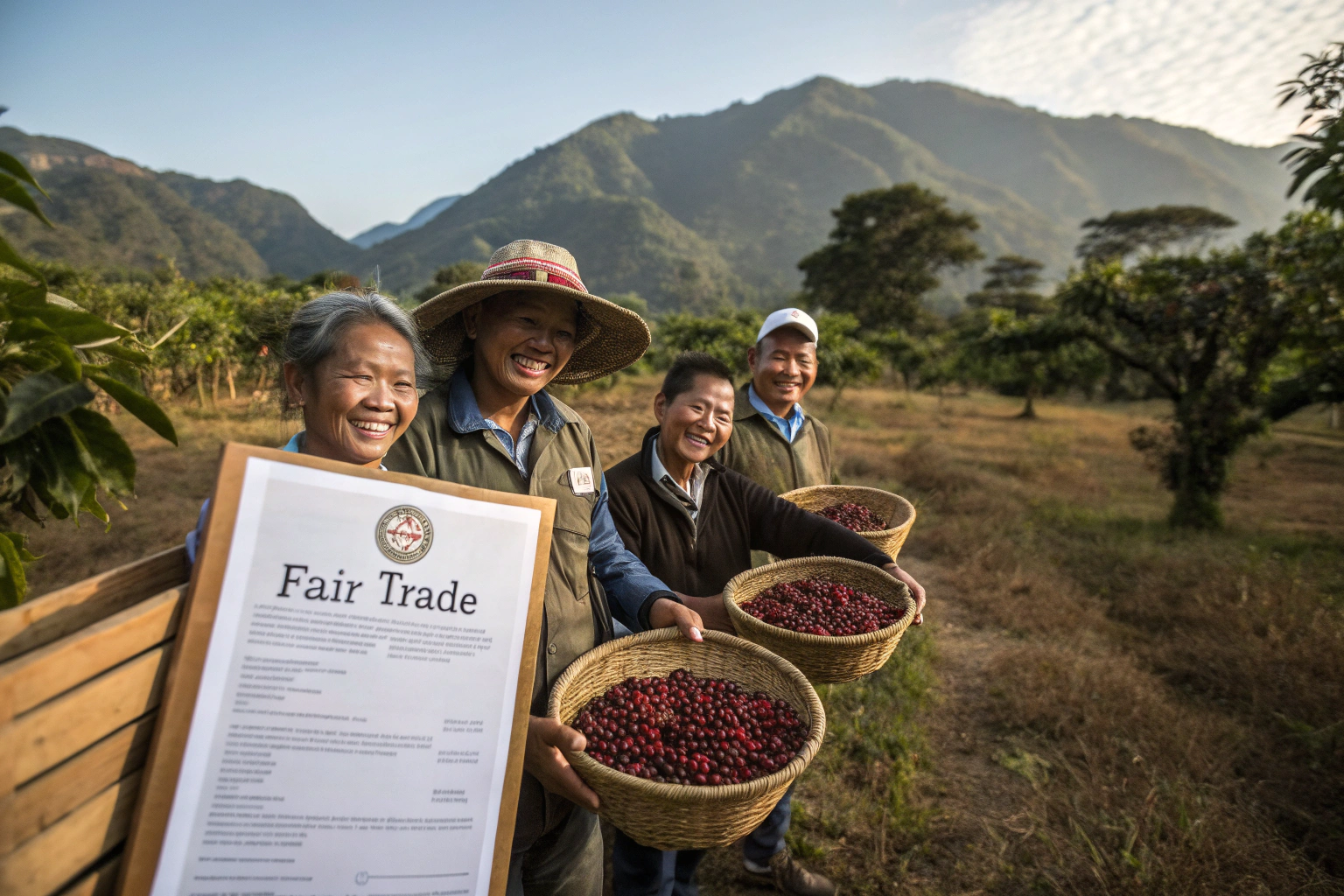
I remember the first time a buyer asked me about Fair Trade. It was maybe twelve years ago. A distributor from Europe called and said, “Do you have Fair Trade certification? My customers want to know that the farmers are being treated fairly.” At that time, we didn’t. We were a small family operation. We paid our workers well. We treated them like family. But we didn’t have the paperwork. I lost that deal. And it stuck with me.
Over the years, I’ve watched the demand for ethically sourced coffee grow. Buyers like Ron, who are building brands in North America and Europe, aren’t just asking about price and quality anymore. They’re asking about people. They want to know that the farmers who grew their coffee were paid fairly, treated with dignity, and supported in their communities. And they want proof.
So, how do you find coffee suppliers with Fair Trade options? You start by understanding what Fair Trade actually means. Then you ask the right questions. You look for certification, but you also look beyond it. You ask about direct relationships, wages, working conditions, and community investment. A certified supplier is a good start. But a supplier who can tell you the names of their farmers, show you their wages, and invite you to visit the farm—that’s a supplier you can trust. At BeanofCoffee, we’ve pursued Fair Trade certification because we believe in what it stands for. But more importantly, we live those values every day on our farms.
Let me walk you through what I’ve learned. I’ll explain what Fair Trade certification covers, how to verify a supplier’s claims, and what questions you should be asking before you place that first order.
What Does Fair Trade Certification Actually Mean?
Fair Trade stands as one of the most widely recognized ethical certifications in the coffee industry, a label that adorns countless bags of beans in specialty shops and supermarket aisles alike, promising more than just a cup of coffee. Yet, for many consumers, its true significance remains shrouded in mystery, a term bandied about with vague notions of 'doing good' but lacking the vivid details that breathe life into its purpose.
What are the core principles of Fair Trade?
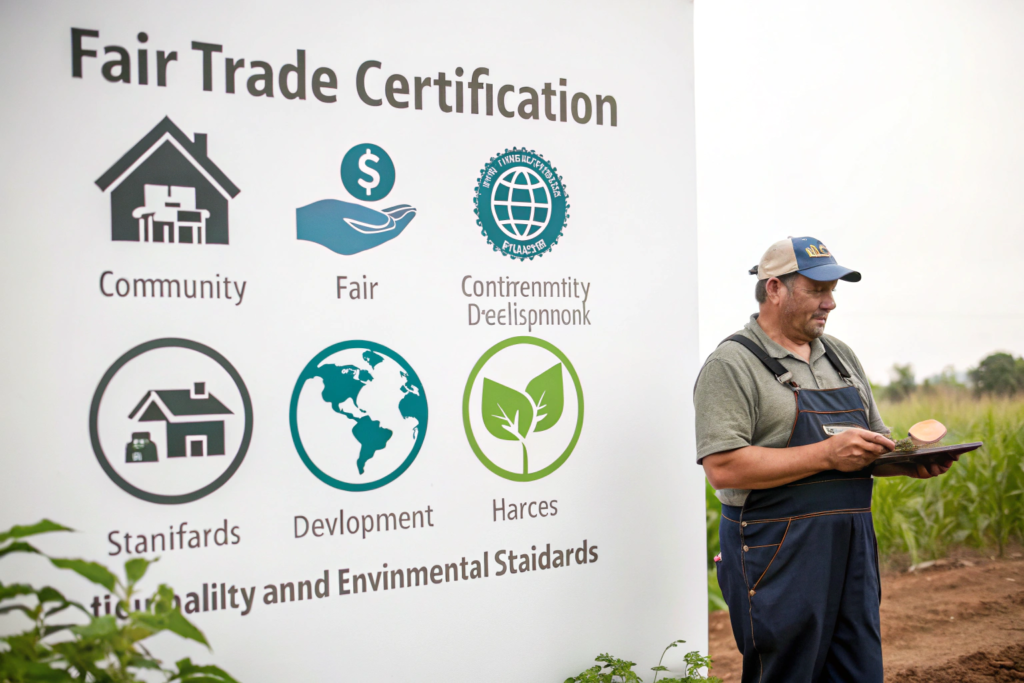
Fair Trade certification is built on several core principles.
Fair prices. Fair Trade guarantees a minimum price for coffee. When market prices drop below that floor, farmers still get the minimum. This protects them from volatile markets.
Fair wages. Workers on Fair Trade farms must be paid fair wages. They must have safe working conditions. Child labor is prohibited.
Community development. Fair Trade premiums go into a community fund. Farmers democratically decide how to use that money—for schools, healthcare, infrastructure, or other community needs.
Environmental standards. Fair Trade farms must follow environmental practices. No GMOs. Responsible water management. Protection of natural resources.
Direct trade. Fair Trade encourages longer-term relationships between farmers and buyers. It reduces the layers of middlemen.
When we decided to pursue Fair Trade certification, we had to meet all these standards. Auditors came to our farms. They inspected our records. They interviewed our workers. They verified our wages and our environmental practices.
What Fair Trade doesn’t guarantee?
Here’s something I tell buyers. Fair Trade guarantees certain standards. It does not guarantee quality.
I’ve tasted Fair Trade coffee that was terrible. Poor processing. Bad storage. Old crop. The certification says nothing about flavor.
So when you’re looking for a Fair Trade supplier, don’t stop at the certification. Ask about quality. Ask for samples. Ask about processing. The certification is one piece of the puzzle.
We pursued Fair Trade because we were already farming in ways that aligned with the principles. The certification just proves it.
How Can You Verify a Supplier’s Fair Trade Claims?
Not every supplier who tosses around the phrase 'fair trade' like a well-worn coin is actually holding up a genuine, certified badge of honor. Some dabble in the term loosely, weaving it into marketing blurbs and glossy brochures as if it were a magic incantation to attract conscious consumers, yet their practices remain rooted in the same old, unscrupulous ways. Others, caught between the ideal and the reality, offer transition programs—half-baked initiatives that promise change but often stall in the murky waters of half-hearted commitments and slow, incremental shifts. You need to know what you’re actually getting: not just a label, but the tangible fruits of ethical labor, the quiet dignity of fair wages, the assurance that behind every product lies a story of respect and reciprocity.
What documents should you ask for?
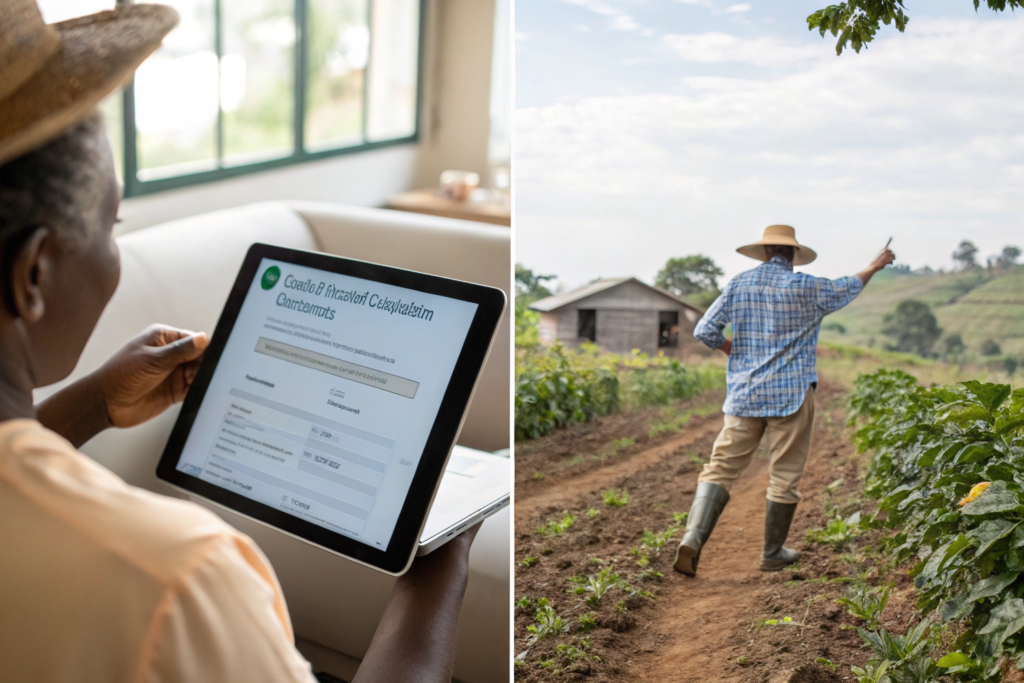
First, ask for the Fair Trade certificate. A real Fair Trade supplier will have a current certificate from Fairtrade International or a recognized national organization. It should list the certified products and the validity dates.
Second, ask for the transaction certificate. When you place an order, the supplier should provide a transaction certificate that connects the specific shipment to their Fair Trade certification. This is what you’ll need to show your customers or your own certifiers.
Third, ask about the premium. Fair Trade requires a premium paid to the community fund. Ask how that premium is managed. What projects has it funded? Can they show you documentation?
When we started selling Fair Trade coffee, we had to build this documentation system. Every Fair Trade lot has its own records. We can show you where the premium went. We can show you the projects it funded.
How do you verify without traveling?
Not every buyer can fly to Yunnan to see our farms. I understand that. So we’ve made verification easier.
We do video walkthroughs. A buyer in the US asked to see our Fair Trade program in action. We walked through the farm on video. We showed them the community projects. They met some of our workers.
We provide photos. We have thousands of images of our farms, our workers, our community projects. We can show you what Fair Trade looks like on the ground.
We also provide references. Talk to our other Fair Trade buyers. Ask them about their experience. Have they been audited? Have there been any issues? A good supplier will connect you with existing clients.
Our partnership with Shanghai Fumao helps with the documentation side. They handle the export paperwork, so we can focus on providing the verification materials you need.
What Should You Look for Beyond Fair Trade Certification?
Fair Trade is important. But it’s not the only thing that matters. I’ve learned that buyers who really care about ethics look deeper, peeling back the layers of glossy packaging and catchy slogans to seek out the quiet, unspoken stories woven into every product.
They don’t just ask if workers were paid a living wage; they wonder about the conditions in which those wages are earned—whether the air in a factory hums with the buzz of fair treatment, or if hands that crafted their goods calloused from overwork. They listen for the whispers of sustainability, sensing if the soil that grew the cotton or the beans was nurtured with respect, not exploited.
What farming practices support true fairness?
Fair wages are the foundation. But what about housing? What about healthcare? What about education for workers’ children?
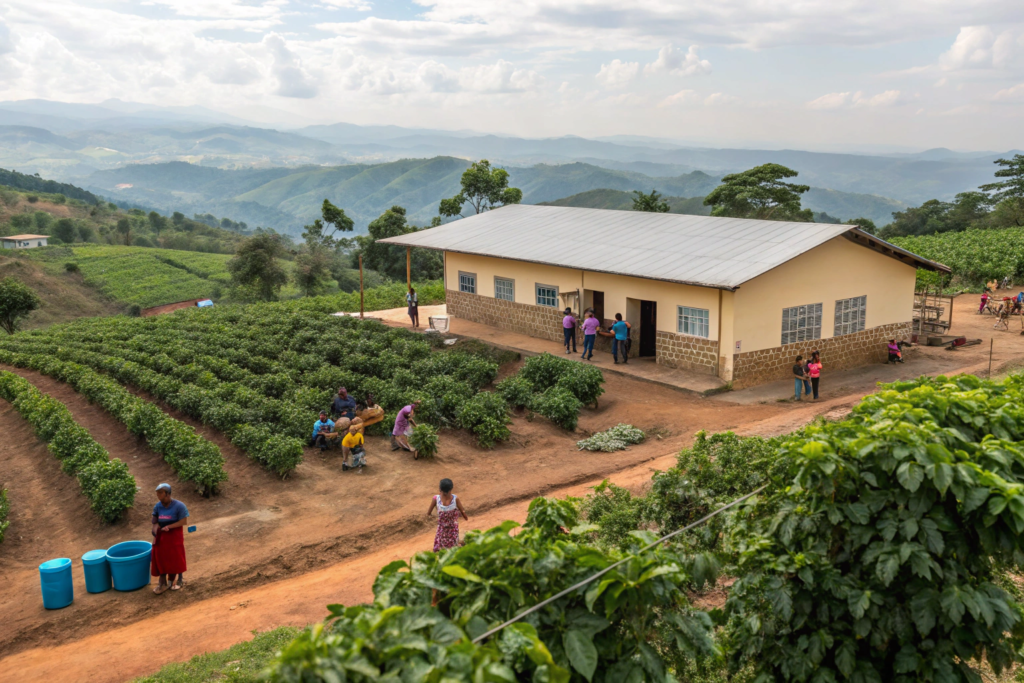
On our farms, we do more than pay fair wages. We provide housing for seasonal workers. We offer access to healthcare. We’ve built a small school on our property for workers’ children.
These practices aren’t required for Fair Trade certification. But they’re part of how we think about being a responsible employer. And they matter to buyers who want to tell a complete story to their customers.
One of our buyers in the UK built a whole marketing campaign around our community projects. They used photos of the school. They talked about the healthcare access. Their customers loved it. Fair Trade was part of the story, but the full picture was bigger.
How do you verify long-term relationships?
Another thing to look for is the length of the relationship. Fair Trade encourages direct trade and long-term partnerships. But some suppliers use Fair Trade as a marketing tool while still treating farmers as disposable.
We’ve worked with the same farming families for decades. Some of our workers are second-generation. Their parents worked for my father. That’s the kind of relationship that builds real fairness.
Ask your supplier how long they’ve worked with their farmers. How stable is the relationship? Do they have long-term contracts? Do they provide support beyond the minimum?
If a supplier can’t answer basic questions about their farming relationships, that’s a red flag. Fair Trade certification or not, you want to know who grew your coffee and how they were treated.
How Do You Balance Fair Trade with Price and Consistency?
Here’s the unvarnished reality. Fair Trade coffee, with its promise of ethical sourcing and equitable compensation for farmers, typically commands a higher price tag at the register. The beans, often grown in sun-dappled highlands where small-scale farmers nurture their crops with care, carry a premium that reflects not just quality, but a commitment to social justice. Yet, this very dedication to fairness can make consistent sourcing a delicate dance, particularly when buyers seek large volumes.
For Ron, a buyer whose every decision is weighed against the scales of price and reliability, this tension simmers like a quiet storm. Each morning, as he pores over spreadsheets and supplier catalogs, the allure of Fair Trade’s noble intent clashes with the practicalities of budget constraints and the frustration of chasing shipments that may delay or falter.
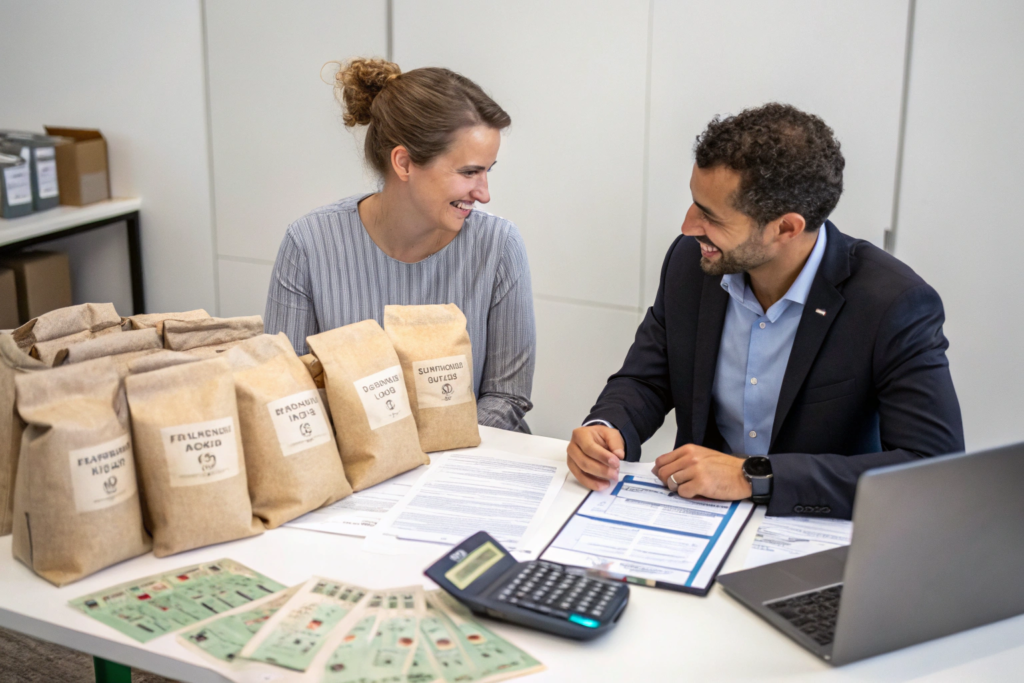
Why does Fair Trade coffee cost more?
Fair Trade guarantees a minimum price. When market prices are low, that minimum is higher than the market. That’s good for farmers. But it means the coffee costs more.
The certification itself also costs money. Annual inspections. Documentation. Fees to the certifying body.
And Fair Trade farms often have higher labor costs because they pay fair wages and provide benefits.
All of that adds up. So Fair Trade coffee typically has a premium—sometimes 10 to 20 percent higher than conventional.
But here’s what I’ve noticed. Buyers who sell Fair Trade coffee tell me their customers are willing to pay that premium. The Fair Trade label justifies a higher retail price. So the margin often stays the same, even though the cost is higher.
How do you ensure consistent supply?
This is the bigger challenge. Fair Trade coffee volumes are limited. Not every farm is certified. Not every harvest produces the same quantity.
Our solution is scale. With over 10,000 acres, we can dedicate specific fields to Fair Trade production. We manage them separately. We harvest them separately. We process them separately. That way, we can guarantee volume to our Fair Trade buyers.
We also work with our buyers on planning. If you need Fair Trade coffee every quarter, we need to know. We can reserve lots for you. We can adjust our harvest planning to meet your schedule.
A buyer in Australia started with Fair Trade samples from us. Then they placed a small container. Then they committed to a year-round Fair Trade program. Now they get a dedicated container every three months. The price is locked in. The quality is consistent. That’s what happens when you build a relationship with a supplier who has both scale and commitment to Fair Trade.
This is where our partnership with Shanghai Fumao helps with logistics. When you’re buying Fair Trade, the documentation has to be perfect. Every certificate, every transaction record. They help us manage that so your shipment clears customs without issues.
Conclusion
Finding a reliable Fair Trade coffee supplier takes work. You need to verify certifications, ask the right questions, and look beyond the label to understand actual farming practices and labor conditions. But when you find the right partner, the benefits are real. You get a product that aligns with your customers’ values. You get a story you can tell with confidence. And you get consistency that builds trust.
At Shanghai Fumao, we’ve been farming ethically for generations. We pursued Fair Trade certification because it reflects how we’ve always worked. We pay fair wages. We invest in our community. We treat our workers like family. The certification is proof of that.
If you’re looking for Fair Trade coffee, start with the right questions. Ask for certificates. Ask for traceability. Ask about premiums and community projects. Ask to visit. And if you want to work with a supplier who controls their own farms from soil to shipment, let’s talk.
Reach out to Cathy Cai. She handles our Fair Trade program and can walk you through our current availability, our certification documents, and our pricing. She can also connect you with other Fair Trade buyers who work with us. Her email is: cathy@beanofcoffee.com.