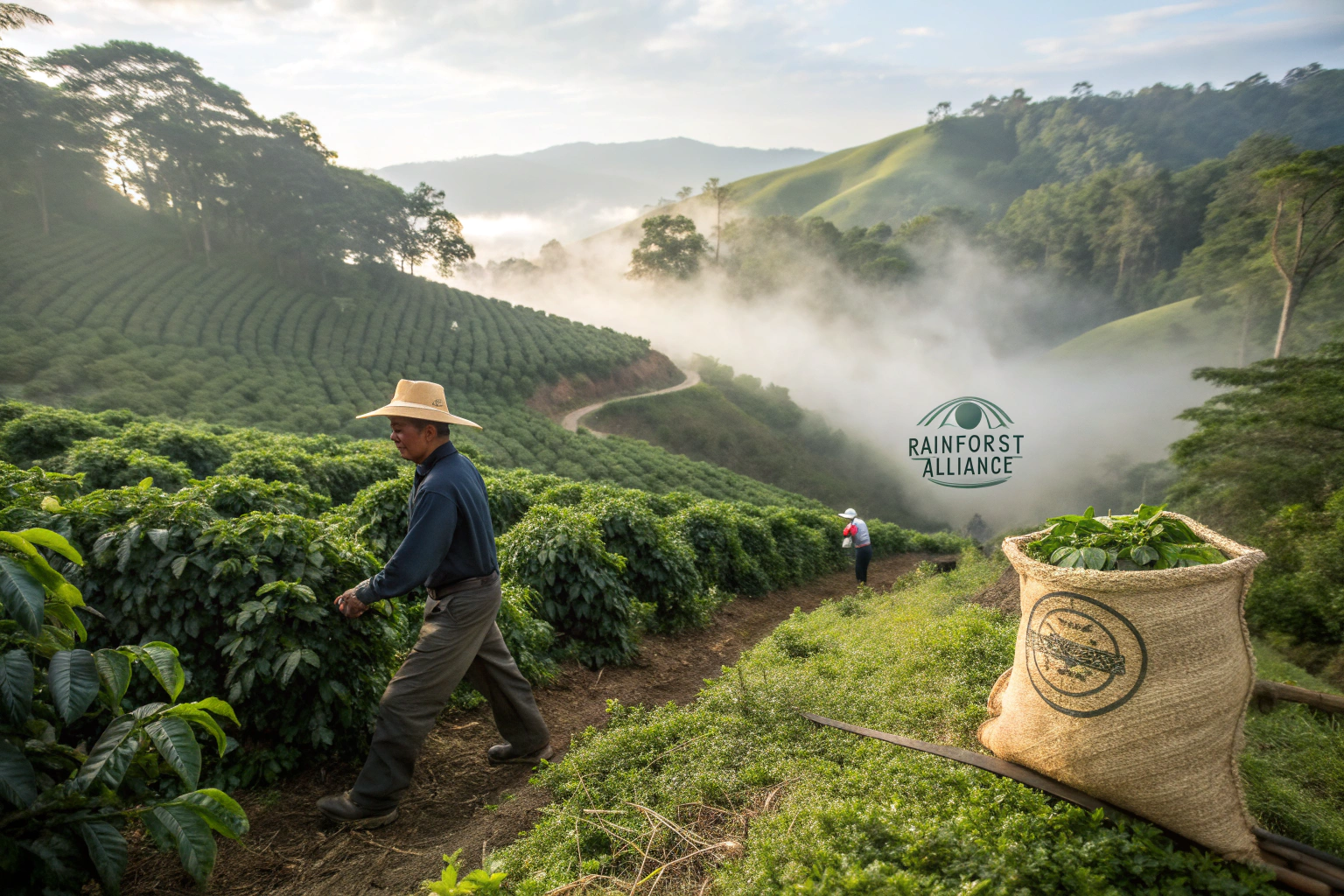
You are looking for certified coffee. You have seen the green frog logo on bags in supermarkets. You know it means something. But when you try to find a wholesale supplier with that certification, you hit a wall. Suppliers say they have it, but the paperwork never shows up. Or they have the certificate, but the price is double what you expected. I have been on the other side of this conversation for years. We run BeanofCoffee in Yunnan, China. We have gone through the Rainforest Alliance certification process ourselves. And I can tell you—finding a real, certified supplier takes more than a Google search.
The most reliable way to find Rainforest Alliance certified coffee suppliers is to start with the official Rainforest Alliance certification database. Search for suppliers by country, region, or certification number. Then verify that the supplier actually owns the farms they claim. A certified supplier should be able to show you their farm certificate, not just a trading license. At BeanofCoffee, we hold our own certification for our plantations in Baoshan City. That means the traceability is direct. You know exactly where your coffee comes from.
Now, you might be wondering why this matters so much. And honestly, it should matter. Certification is not just a logo. It is a commitment to sustainable farming, fair labor practices, and environmental protection. For buyers in North America, Europe, and Australia, this is increasingly non-negotiable. Your customers are asking for it. Your brand needs it. Let me walk you through the real steps to find a legitimate certified supplier. I will also share some things I have learned from working with certified farms and from buyers who got burned by fake claims.
Why Does Rainforest Alliance Certification Matter for Coffee Buyers?
You might think certification is just a marketing tool. And sure, it helps sell coffee. But if you dig deeper, you will see it changes how the coffee is grown and how the people who grow it are treated. That affects your supply chain in real ways.
Rainforest Alliance certification matters because it gives you a guarantee. It guarantees that the coffee was grown using methods that protect the environment. It guarantees that workers were paid fairly and worked in safe conditions. It guarantees that the farm is managed sustainably. For a brand buyer, this protects your reputation. For a distributor, it gives you a story to sell to your customers.
What Does Rainforest Alliance Certification Actually Guarantee?
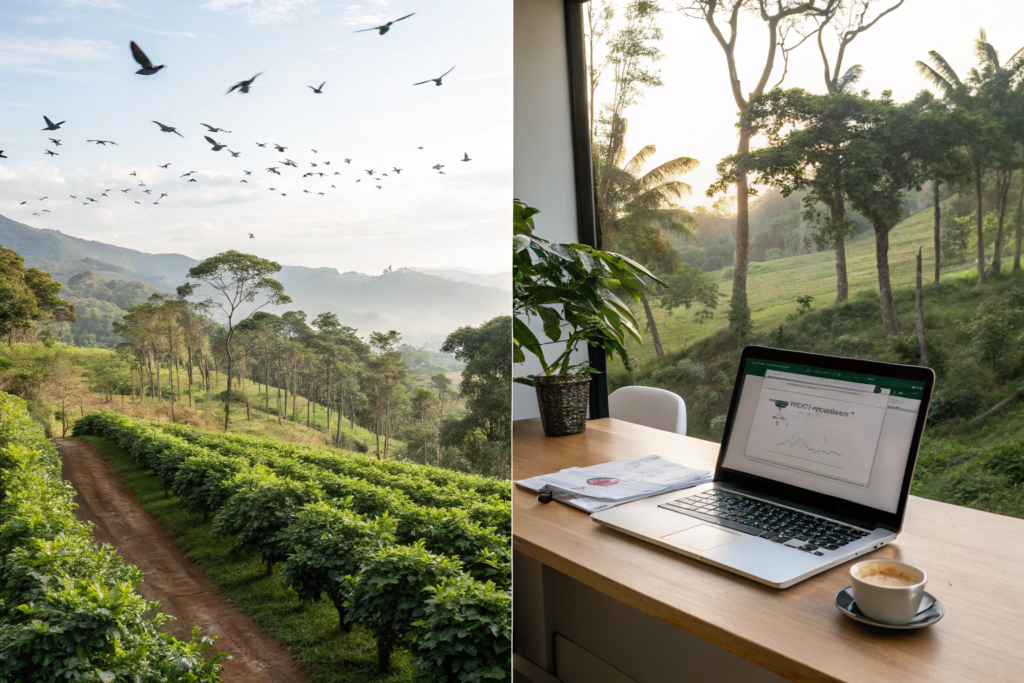
Let me break this down simply. The certification covers three main areas. First, environmental protection. Certified farms cannot cut down forests. They must protect water sources. They must use shade trees to protect biodiversity. On our farm in Yunnan, we plant native trees alongside our coffee. It keeps the birds happy and the soil healthy.
Second, social responsibility. Workers must get fair wages. They must have access to clean water and safe housing. Child labor is strictly forbidden. We have over 200 workers during harvest season. They come back year after year because we treat them right.
Third, economic viability. The farm must be managed as a business that can survive long term. That means the certification is not a one-time thing. It is an ongoing commitment. Auditors come every year. They check everything. If a farm fails, they lose the certification.
How Does Certification Impact Coffee Quality?
This is a question I get from buyers a lot. Does certified coffee taste better? Not automatically. But there is a connection.
Certified farms tend to be better managed. Farmers pay more attention to detail. They invest in their land. They train their workers. All of that leads to better quality cherries, which leads to better beans.
I have seen this firsthand. When we started the certification process, we had to improve our record-keeping. We had to document everything. That discipline carried over to our processing methods. Our coffee got cleaner. Our defect rate dropped. So while the certification itself does not guarantee a higher cupping score, the practices that come with it usually push quality up.
How Can I Verify a Supplier’s Rainforest Alliance Certification?
This is where you need to be careful. I have talked to buyers who were told a supplier was certified. They placed a large order. When the coffee arrived, they asked for the certificate. The supplier sent a generic document that did not have the farm name on it. Or worse, they sent an expired certificate.
Verifying a supplier’s Rainforest Alliance certification is not difficult, but you have to know what to ask for. You need the farm certificate, not just a trading license. You need the certification number. And you need to check it against the official database.
What Documents Should I Request from a Supplier?
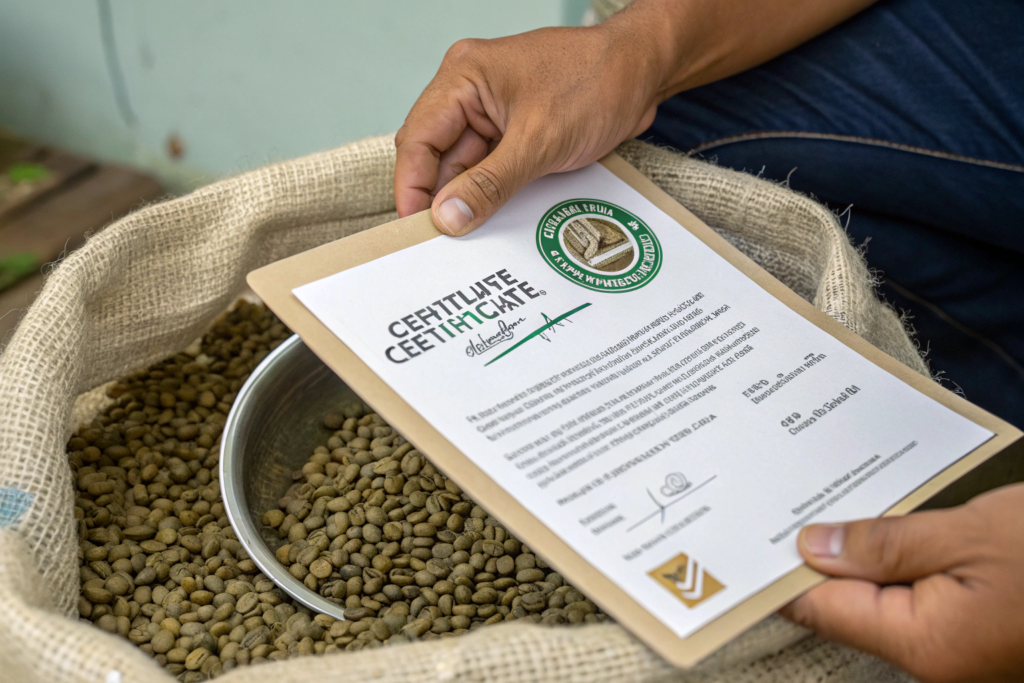
Ask for the Rainforest Alliance certificate that shows the farm or the supply chain entity. A valid certificate will have a unique license number. It will show the scope of the certification. It will have an issue date and an expiration date.
At BeanofCoffee, we provide our certificate to all new buyers. We also invite them to visit our farm. If you cannot visit, we offer video calls. We walk you through the plantation. We show you our shade trees. We show you our worker housing. We are not hiding anything.
You should also ask for traceability documents. Can the supplier tell you which farm the beans came from? Can they show you the harvest records? If they hesitate, that is a red flag.
How Do I Check a Certificate Against the Official Database?
The Rainforest Alliance has a public database. It is called the Traceability Platform. You can search by certificate number or by company name. The database will tell you if the certificate is active. It will show you the certified products. It will show you the scope of the certification.
I recommend doing this check before you place a large order. It takes five minutes. And it saves you from potential problems down the road.
One thing to note. Sometimes a supplier is part of a group certification. That means multiple farms are certified under one certificate. That is common with smallholder cooperatives. In that case, ask for the specific farm name or the group certificate details.
Where Can I Find Reliable Rainforest Alliance Certified Suppliers?
You know you want certified coffee. Now you need to find the right partner. There are several channels. Some work better than others. I have been in this industry for two decades. I have seen buyers succeed and fail using different approaches.
The best places to find reliable Rainforest Alliance certified suppliers are trade shows, the official Rainforest Alliance directory, and referrals from other buyers. Each channel has its own advantages.
Which Trade Shows Focus on Certified Coffee?
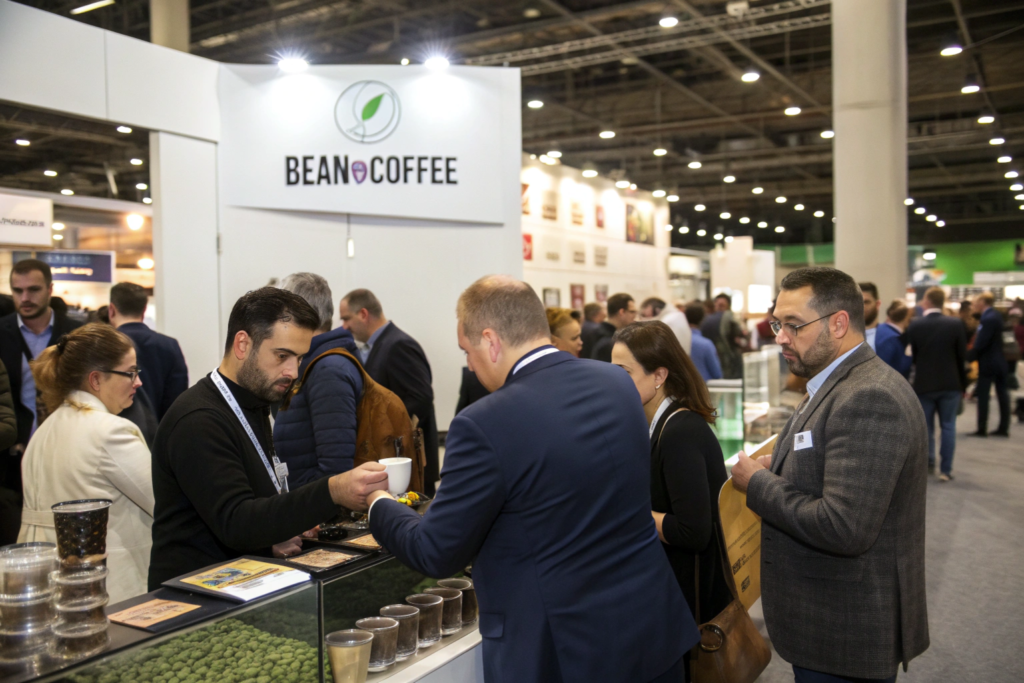
Trade shows are where you meet real people. You can taste the coffee. You can hold the certificate in your hand. You can look the supplier in the eye and ask tough questions.
The Specialty Coffee Expo in the US is a good place to start. It happens every year. Certified suppliers often have booths. They highlight their certifications because they know buyers are looking for them.
The SCA Expo in Europe is another major event. Many certified suppliers from Africa, Asia, and Latin America attend. You can walk the floor and ask specifically for Rainforest Alliance certified offerings.
I attend these shows myself. I bring our certificate. I bring samples. I talk to buyers face to face. There is no substitute for that kind of interaction.
How Do I Use the Rainforest Alliance Directory Effectively?
The official directory is your most reliable source. Go to the Rainforest Alliance website. Find their “Find Certified Products” tool. You can filter by country, by product type, by supply chain role.
When you find a supplier, look at their profile. See how long they have been certified. Check their location. If they are a trader, ask which farms they work with. If they are a producer, ask for farm details.
I have been contacted by buyers who found us through the directory. They already knew we were certified. That made the conversation easy. We skipped the verification step and went straight to samples and pricing.
What Are the Common Pitfalls When Sourcing Certified Coffee?
I do not want to scare you. Most certified suppliers are honest. But I have seen buyers make mistakes. These mistakes cost them time, money, and reputation.
The common pitfalls when sourcing certified coffee are trusting verbal claims without verification, not understanding the difference between farm certification and chain of custody certification, and assuming certified coffee is always more expensive.

What Is the Difference Between Farm Certification and Chain of Custody?
This is a technical point, but it matters. Farm certification means the farm itself is certified. That is the base level. Chain of custody certification means the beans stay certified from the farm all the way to your warehouse.
If a supplier only has farm certification but not chain of custody, they can sell certified green beans. But if the beans go through a non-certified warehouse, they can lose the certification status. You want a supplier who controls the whole chain.
At BeanofCoffee, we handle both. Our farm is certified. Our processing facility is certified. Our export process is managed to maintain chain of custody. So when you buy from us, you know the certification is intact.
What Are the Logistics of Direct Sourcing from a Certified Farm?
The logistics are similar to any other import. You need to handle shipping, customs, and payment. But with a certified farm, you also need to maintain chain of custody.
We work with partners like Shanghai Fumao to manage the export process. They help us with documentation. They make sure the certification paperwork is in order. When the container arrives at your warehouse, you have everything you need.
I recommend asking the farm about their export experience. Have they shipped to your country before? Do they understand the documentation requirements? A farm that has done it before will make your life much easier.
Conclusion
Finding a Rainforest Alliance certified coffee supplier does not have to be hard. But you have to be systematic. Start with the official directory. Verify the certificate number. Ask for farm details. Visit if you can. And if direct trade is an option, take it.
The certification is not just a logo. It is a signal that the farm is managed well. It is a signal that the workers are treated fairly. It is a signal that the coffee was grown in a way that protects the environment. For your business, that signal matters.
At Shanghai Fumao, we have been certified for years. We grow our coffee in Yunnan, China. We own our farms. We process our own beans. And we ship direct to buyers like you. Our certification is real. Our coffee is good. And our prices are competitive.
If you are looking for a reliable Rainforest Alliance certified supplier, reach out to Cathy Cai. She is our export manager. She can send you our certificate. She can send you samples. She can answer your questions about the certification and about our coffee. Email her at cathy@beanofcoffee.com. Let’s start the conversation.