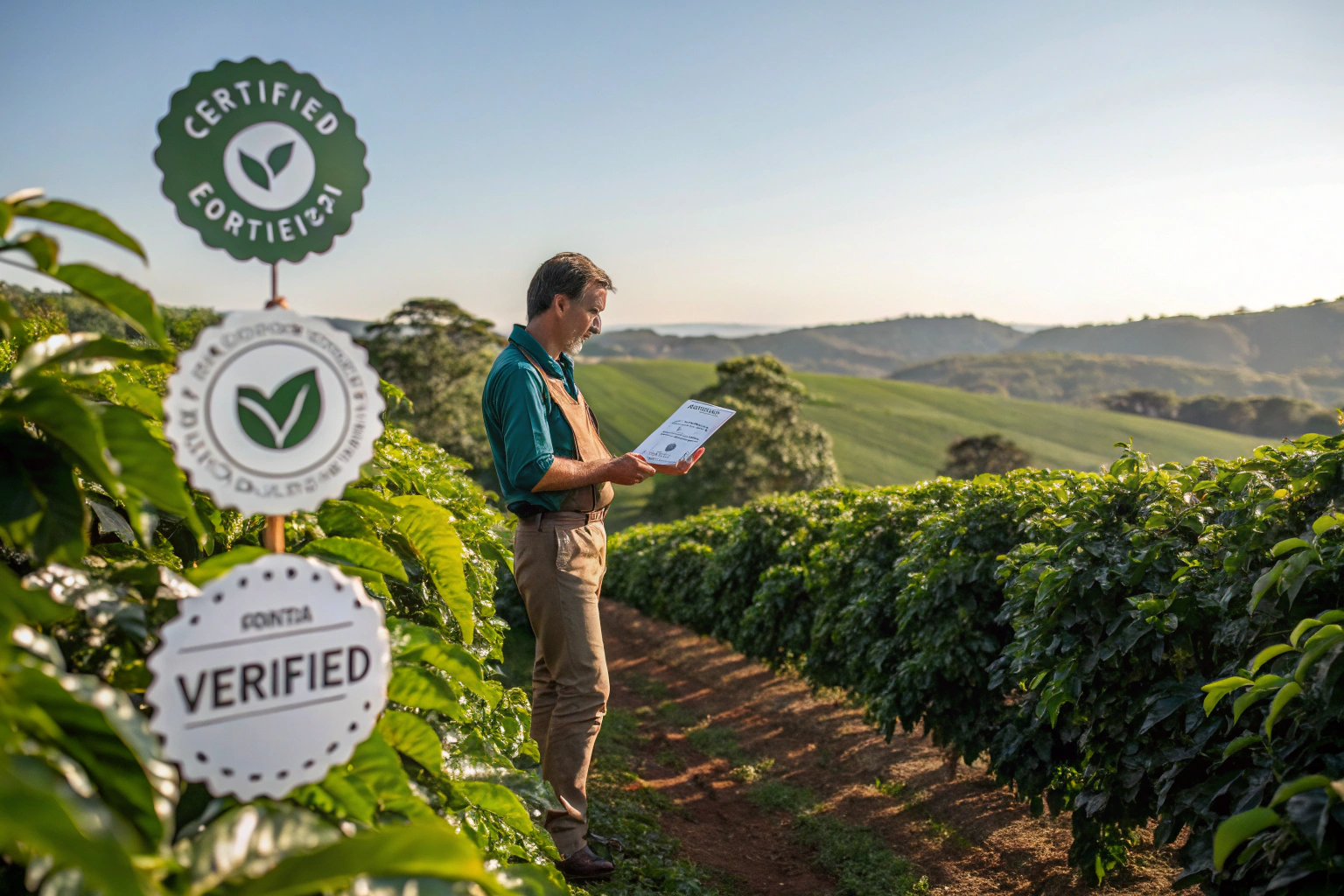
Let's be honest. When I started in this business, certification wasn't a big topic. Buyers cared about price and quality. But things have changed. Today, I get questions about UTZ, Rainforest Alliance, and organic certifications all the time. And I understand why. Your customers care about where their coffee comes from. They want to know it was grown ethically and sustainably. For a buyer in North America, Europe, or Australia, that's not a nice-to-have anymore. It's a must-have. I remember a client in Germany who almost lost a major retail contract because his supplier's certification had lapsed. He came to us in a panic. We were able to show our UTZ-certified farms and secure the deal. That moment taught me the real value of certification.
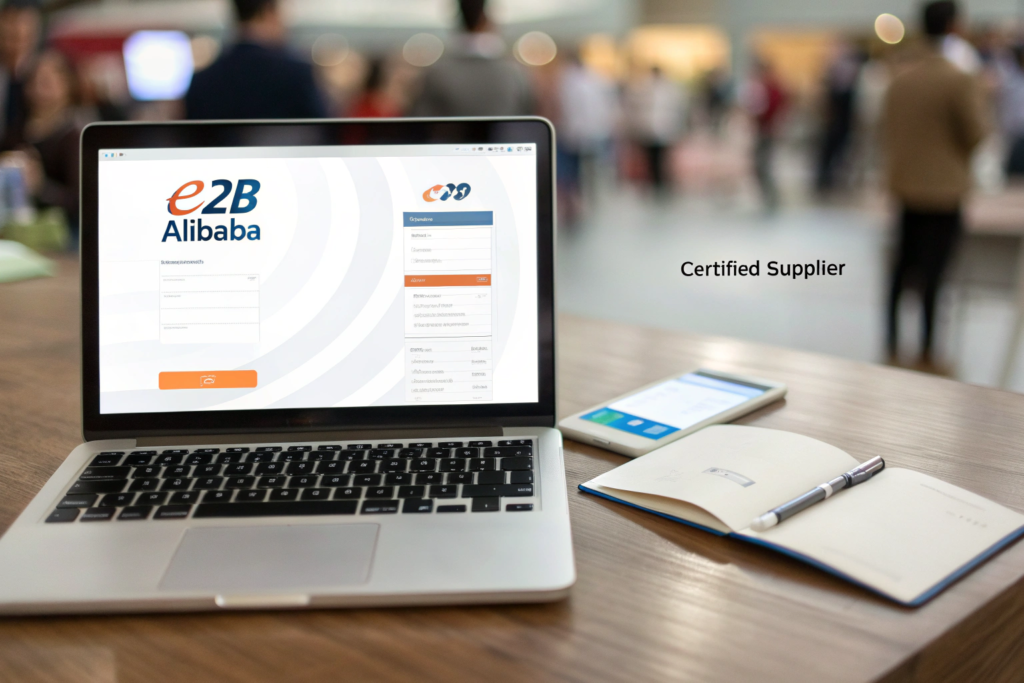
To find coffee suppliers with UTZ certification, start by looking at the Rainforest Alliance's official directory, as UTZ merged with them. Attend major trade shows like SCA Expo or Host Milano, where certified suppliers exhibit. Use B2B platforms like Alibaba and filter for certified suppliers. Network with industry associations. And always ask for the certificate number and verify it directly with the certification body.
Now, here's the thing. Finding a certified supplier is just the first step. You also need to make sure they're reliable, consistent, and a good fit for your business. I've seen buyers get excited about a certification but then struggle with supply chain issues. So let's walk through the process. I'll share what I've learned from years of working with certified farms and helping our own clients navigate this space.
Why Does UTZ Certification Matter for Coffee Buyers?
You might be wondering, "Why all the fuss about a certification?" I get it. At the end of the day, you need coffee that tastes good and arrives on time. But here's what I've learned from talking to our clients. UTZ certification is more than a logo. It's a signal. It tells your customers that you take responsibility seriously. And in today's market, that signal can be the difference between winning a contract and losing it.
UTZ certification ensures that coffee is grown according to sustainable farming practices, with a focus on good agricultural practices, environmental protection, and decent working conditions. For buyers, it provides traceability, risk mitigation, and a powerful marketing story. The program has now merged with Rainforest Alliance, so the certification is often referred to as Rainforest Alliance Certified, using the UTZ traceability system.
How Does UTZ Certification Build Consumer Trust?
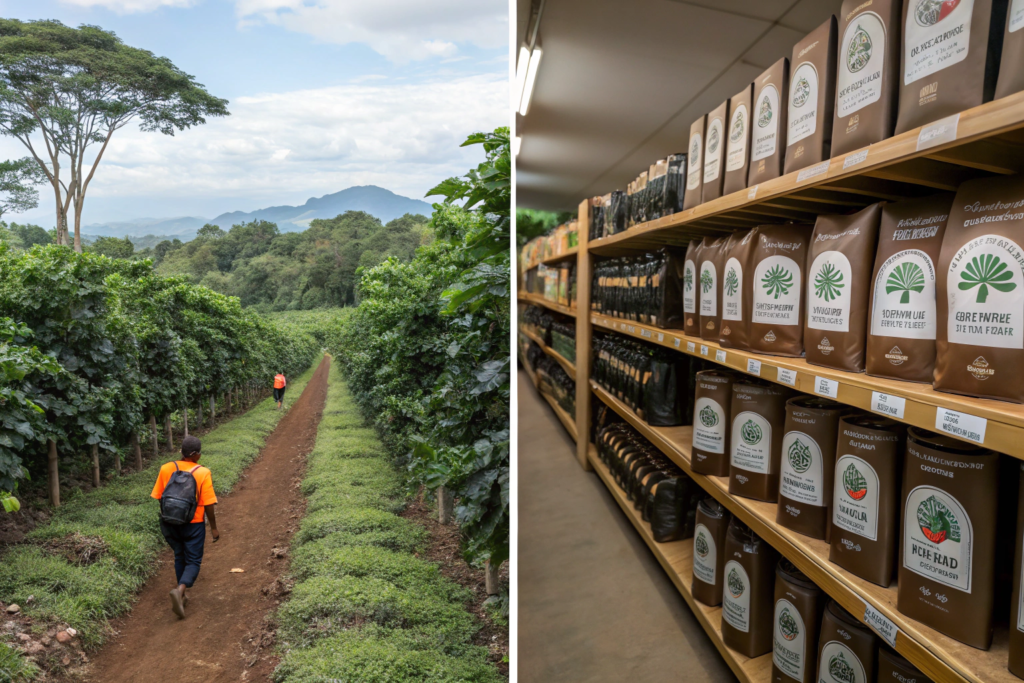
Think about the end consumer. They walk into a grocery store or a cafe. They see two bags of coffee. One has a familiar certification logo. The other doesn't. Which one do you think they choose, especially if the price is similar? Consumers today are educated. They want to know their purchase isn't harming the environment or exploiting workers. The UTZ logo gives them that confidence.
I've seen this play out with our clients. A roaster in Canada started using our UTZ-certified Arabica for his retail line. He put the logo on the bag. His sales increased by 15% in the first quarter. He told me customers would pick up the bag, see the logo, and put it in their cart without even reading the tasting notes. The certification did the selling for him.
What Does UTZ Certification Mean for Supply Chain Security?
This is the part that buyers like Ron really care about. A certified supplier has been audited. They have systems in place. They keep records. They follow standards. That doesn't guarantee there will never be problems. But it does mean the supplier is likely more organized, more transparent, and more committed to long-term quality.
At our farms, the UTZ certification process pushed us to improve our record-keeping, our worker safety protocols, and our environmental practices. It made us a better company. And for our buyers, that translates to reliability. When you source from a certified supplier, you're not just buying coffee. You're buying peace of mind. That's why we've maintained our certification even as we've grown to 10,000 acres in Yunnan.
Where Can You Find Certified Coffee Suppliers?
Alright, let's get practical. You're convinced that certification matters. Now, where do you find these suppliers? I've been in this industry for years. I've seen the landscape change. And I've learned where to look and who to trust. The good news is that there are more resources than ever to help you find verified, certified partners.
The most reliable sources for finding UTZ-certified coffee suppliers include the Rainforest Alliance's online certification database, major international trade shows like SCA Expo, the Global Specialty Coffee Expo, and World of Coffee, and reputable B2B platforms like Alibaba that offer supplier verification services. Industry publications and coffee associations are also valuable resources.
How to Use the Rainforest Alliance Certification Database?
This is your starting point. Since UTZ merged with Rainforest Alliance, the combined organization maintains a public database of certified farms and supply chain actors. You can search by region, by company name, or by certification type. It's a straightforward way to verify if a supplier is genuinely certified.
When a potential supplier tells me they're certified, I always ask for their certificate number. Then I go to the database and check. It takes two minutes. And it saves you from potential headaches later. I've had clients who trusted a supplier's word, only to find out later that the certification had expired. Don't let that happen to you. Always verify.
Why Are Trade Shows Still Important for Finding Suppliers?
You might think trade shows are old school. But I still attend SCA Expo every year. And I see buyers from all over the world doing the same. Why? Because you can't taste a coffee through a website. At a trade show, you can cup the coffee. You can meet the people behind the company. You can look them in the eye and ask questions.
I remember meeting a distributor from Australia at a show in Boston. He was looking for UTZ-certified Robusta. He had found some options online, but he wasn't sure about the quality. He cupped our coffee. He saw our certification. He met our team. That personal connection sealed the deal. Trade shows give you that level of confidence that a digital search can't always provide.
How to Evaluate a Potential Certified Supplier?
Finding a supplier with a certificate is one thing. Finding a supplier who is also reliable, consistent, and a good partner is another. I've seen buyers get excited about a certification and then overlook red flags in other areas. Don't make that mistake. You need to evaluate the whole picture.
When evaluating a certified coffee supplier, verify their certification status directly with the Rainforest Alliance. Request samples and cup them to assess quality. Ask about their supply chain traceability. Inquire about their logistics capabilities, payment terms, and quality control procedures. A certification is important, but it's just one piece of the puzzle.

What Questions Should You Ask a Potential Supplier?
I've been on both sides of this conversation. As a supplier, I appreciate buyers who ask smart questions. It shows they're serious. So here are the questions I recommend asking any potential certified supplier.
First, ask for the current certificate and verification number. Then verify it. Ask about their traceability system. Can they trace a bag of coffee back to the specific farm or group of farms? Ask about their quality control. Do they cup every batch? Do they have a lab? Ask about their logistics. How do they handle shipping? What's their track record for on-time delivery? Ask about their payment terms. Are they flexible? These questions help you understand if they're a true partner or just a middleman.
For our own operation, we're happy to answer all these questions. We can show buyers our farms in Baoshan. We can demonstrate our cupping protocols. We can share our shipping records with Shanghai Fumao. A good supplier will be transparent. If they're evasive, that's a red flag.
How to Use Samples to Test Quality and Consistency?
This is non-negotiable. Never buy coffee without tasting it first. And don't just taste one sample. Ask for samples from different lots or different times. This helps you assess consistency. A certified supplier should be able to provide samples that reflect what you'll receive in a container.
When I work with a new client, I send them samples of our Arabica, Catimor, and Robusta. I encourage them to cup it themselves, but also to share it with their roaster or their team. I want them to be confident before they place an order. And I want them to know that what they taste in the sample is what they'll get in the shipment. That's the foundation of trust.
What Are the Red Flags to Watch For?
Over the years, I've seen buyers get burned. They find a supplier with a certification. The price is good. They place a big order. And then things go wrong. The coffee arrives and doesn't match the sample. The documentation is missing. The certification turns out to be expired. So let's talk about the red flags I've learned to watch for.
Red flags when sourcing certified coffee include suppliers who are reluctant to share their certificate number, inconsistent sample quality, unrealistic pricing that seems too good to be true, lack of transparency about their supply chain, poor communication, and an inability to provide references from other buyers.
What Does Inconsistent Sample Quality Tell You?
This is a big one. A good supplier will send you samples that represent their standard product. If you request two samples and they taste completely different, that's a problem. It suggests they don't have quality control systems in place. Or they're sending you a special "sample quality" lot that doesn't match their bulk product.
I always recommend that buyers request a sample, place a small trial order, and then compare the trial order to the sample. They should taste the same. If they don't, you have a problem. With our Arabica, we guarantee that the sample and the shipment come from the same lots, processed the same way. Consistency is part of our promise.
Why Is Unrealistic Pricing a Warning Sign?
Certified coffee costs more to produce. There are audit fees, training costs, and record-keeping requirements. So if a supplier is offering UTZ-certified coffee at the same price as non-certified, you should ask why. Maybe they're absorbing the cost to get a new client. But more likely, there's something off. Maybe the certification isn't current. Maybe the coffee isn't really certified.
I've seen buyers get tempted by a low price. And sometimes it works out. But more often, it leads to problems down the line. My advice is to look for fair pricing that reflects the value of certification. It's worth paying a little more for the security and the story. And when you work with a reliable supplier like us, you get that security without sacrificing quality.
Conclusion
Finding a coffee supplier with UTZ certification is about more than just checking a box. It's about finding a partner who shares your commitment to quality, sustainability, and transparency. The certification itself gives you a starting point. It tells you the supplier has been audited and meets certain standards. But it's not the whole story. You still need to evaluate the coffee, the consistency, the logistics, and the relationship.
At BeanofCoffee, we've been certified for years. Our farms in Yunnan follow the highest standards. We grow Arabica, Catimor, and Robusta with care for the environment and our workers. We can trace every bag back to our own plantations. And we have the logistics network, with partners like Shanghai Fumao, to get your coffee where it needs to go, on time and in perfect condition.
If you're looking for a certified supplier you can trust, let's talk. Contact our team lead, Cathy Cai, at cathy@beanofcoffee.com. She can share our certification details, send you samples, and help you build a partnership that lasts. Let's make sustainability part of your success story.