You have a container of high-quality, well-processed Catimor from Yunnan arriving. It's cost-effective, consistent, and perfect for your blends. But how do you sell it to American consumers who might associate "Catimor" with negative specialty coffee chatter about "bitterness" or "low quality"? The challenge isn't the coffee—it's the narrative. As growers of Catimor, we know its true potential. Marketing it successfully requires a strategic reframe: from apologizing for its genetics to celebrating its purposeful advantages.
To market Catimor coffee to American consumers, you must strategically reposition it around its strengths: exceptional value, reliable comfort, and versatility. Move the conversation away from an academic critique of its varietal lineage and towards the tangible benefits it delivers in the cup: a chocolaty, nutty, low-acid profile that's perfect for espresso, cold brew, and approachable daily drinking. The messaging should emphasize accessibility, consistency, and smart sourcing.
That's the core strategy. But execution requires a multi-layered approach that acknowledges the existing perception while confidently presenting a compelling new story. Let's build that marketing playbook.
How to Reframe the "Catimor" Story Positively?
The first step is to control the narrative. Don't hide the varietal; redefine what it means.
Shift from "Genetic Shortcoming" to "Purpose-Built Strength":
- The Problem: The old story: "Catimor is a hybrid bred for disease resistance, often at the expense of cup quality."
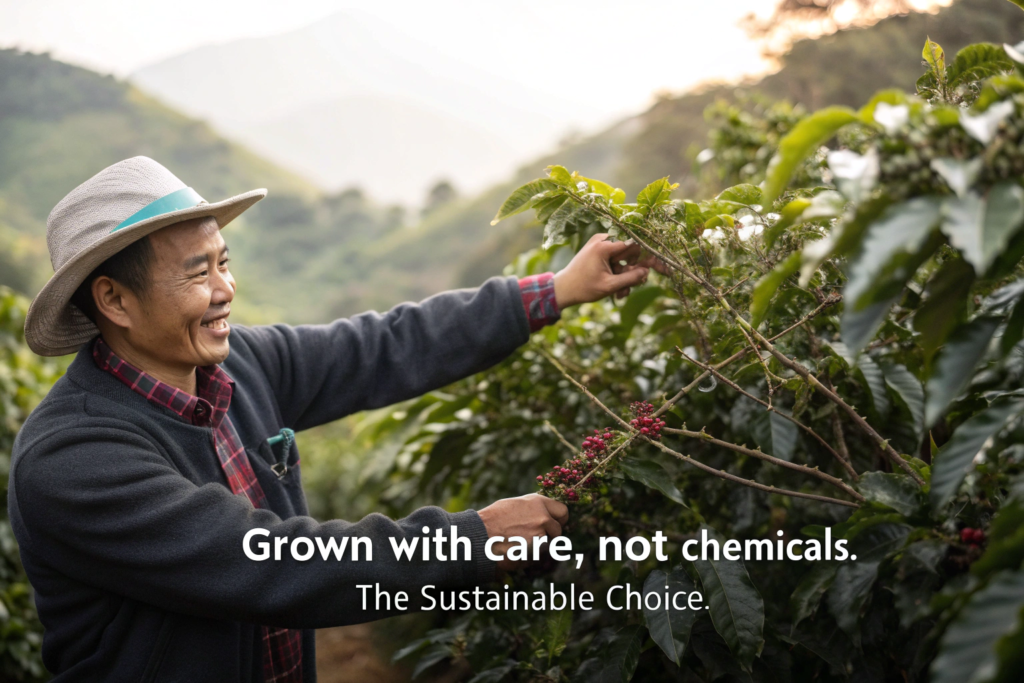
- The Reframe: "Catimor is a resilient, sustainable coffee, carefully grown and processed to highlight its inherent strengths of body and sweetness." Connect it to values Americans care about: sustainability (less pesticide use due to rust resistance) and food security (reliable harvests).
Emphasize Provenance and Craft: Detach it from vague commodity associations. Anchor it to a specific, reputable origin.
- Messaging: "Yunnan Catimor" or "High-Grown Catimor from Baoshan, China." This shifts it from a global commodity to a specific origin product. Talk about the altitude, the red soil, the meticulous washing process on your specific farm. "This isn't just any Catimor; it's our Catimor, processed with the same care as our most expensive lots."
Should You Use the Name "Catimor" on the Packaging?
For a mass-market or value-focused product, yes, use it proudly as part of the origin story: "100% Yunnan Catimor." For a specialty audience, consider leading with the flavor profile and origin, and mentioning the varietal in the finer print or story card. For example, the front label says "Yunnan Reserve - Chocolate & Brown Sugar." The back story says: "This lot showcases the best of the hardy Catimor varietal, grown at high altitude..."
What Flavor Descriptors Work Best for the American Palate?
Avoid technical or potentially negative terms. Use positive, comforting, and familiar descriptors:
- Primary: Dark Chocolate, Roasted Nuts, Brown Sugar, Caramel.
- Secondary: Smooth, Balanced, Full-Bodied, Sweet.
- Avoid: Earthy, Woody, Bitter (even if technically accurate for some Catimors). If it has a spicy note, frame it as "A hint of baking spice."
The goal is to sound like a comforting, delicious cup, not a challenging one.
What Product Formats and Roast Styles are Most Marketable?
Catimor's inherent qualities make it ideal for specific formats that align with American consumption habits.
1. The Foundation Espresso Blend:
- Value Proposition: "The secret to our rich, creamy espresso." Market it as the workhorse base that provides the chocolatey body and crema for your house espresso. This is its strongest position. You're not selling "a Catimor single-origin"; you're selling a "perfectly balanced espresso" that happens to be built on Catimor.
- Blend Name: "Foundation Blend," "Basecamp Espresso," "Heritage Roast."
2. The Approachable Single-Origin:
- Value Proposition: "Your new daily drinker. Uncomplicated, satisfying coffee." Position it as the anti-fussy, no-acidity-shock, reliably delicious option for people who just want a great cup of coffee. Price it as a high-value single-origin—better than generic blends but more affordable than rare varietals.
- Labeling: "Yunnan Daily Driver," "Baoshan Comfort Roast."
3. Cold Brew & Iced Coffee Specialty:
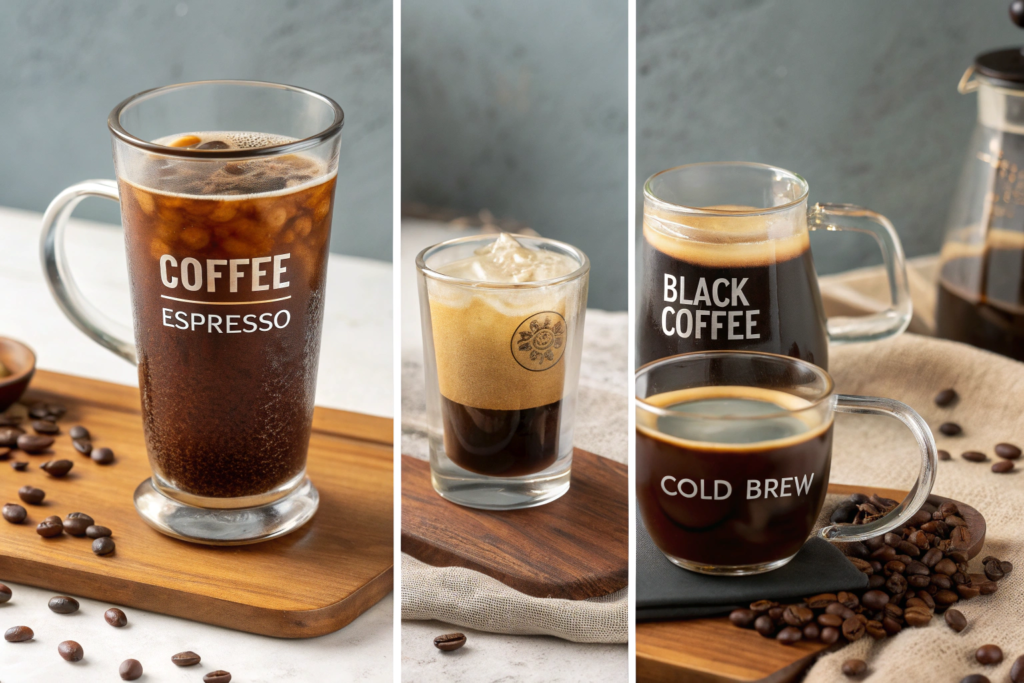
- Value Proposition: "Smooth, low-acid, perfect for cold brew." Catimor's naturally lower acidity makes it exceptionally smooth when cold-brewed, avoiding the sharpness some coffees can have. Market a ready-to-drink cold brew or a dedicated "Cold Brew Blend" featuring Catimor.
- Messaging: "Never bitter. Always smooth. Crafted for the cold."
What Roast Profile Sells Best?
Medium to Medium-Dark Roasts are ideal. They develop Catimor's inherent sugars, maximize body, and create those chocolate/nut flavors Americans love. A light roast will highlight any varietal sharpness and is a harder sell. Call it a "Classic Full-City Roast" or "Smooth Medium Roast."
Should You Offer it Pre-Ground for Drip Machines?
Yes, for the "daily drinker" segment. Offering a whole bean and a pre-ground option for auto-drip machines removes friction for your least engaged (but largest) customer segment. Package it in simple, sturdy bags with clear brewing instructions.
How to Price and Position Catimor Competitively?
Pricing is a direct communication of value. Your price must tell the right story.
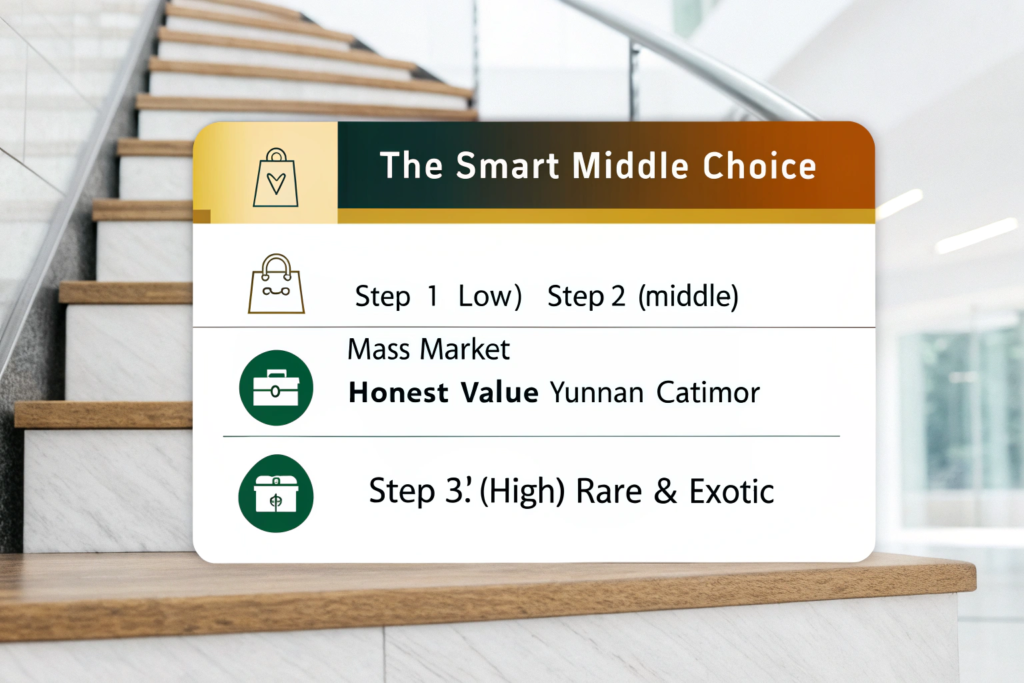
The "Premium Value" Slot: Position it between low-end commodity blends and high-end single-origins. For example:
- Commodity Brand: $10-12/lb
- Your Yunnan Catimor: $14-16/lb <-- The Target "Smart Premium" Slot
- Rare Ethiopian/Gesha: $20+/lb
The Value Proposition: "Experience single-origin character without the single-origin price." or "Better than your grocery store brand, without the sticker shock of a boutique roaster."
Transparency as a Tool: You can use its cost-effectiveness as a positive in marketing: "Directly sourced from our partner farms in Yunnan, cutting out middlemen to bring you exceptional quality at a fair price." This frames the lower cost as efficiency and integrity, not lower quality.
How to Handle the "Why is it cheaper?" Question?
Have a ready, confident answer: "We work directly with a single co-op/estate in Yunnan that grows this resilient varietal efficiently. It allows us to offer a fantastic, consistent coffee at a great price. Think of it as getting a Toyota Camry's reliability and comfort for the price of a compact—it's simply smart value."
Can You Build a Subscription Model Around It?
Absolutely. It's the perfect "Never run out" coffee for a subscription.
- Subscription Name: "The Daily Grind," "House Blend Club," "Consistent Comfort."
- Pitch: "Get our most popular, crowd-pleasing coffee delivered like clockwork. Never wonder what to brew in the morning again."
What Marketing Channels and Messaging are Most Effective?
Your channels should match the "accessible premium" positioning.
1. Content Marketing & Storytelling:
- Blog/Videos: Tell the story of Yunnan, the farmers, and the sustainability angle of rust resistance. Create a video titled "The Coffee Built to Last: From Yunnan to Your Cup."
- Focus on Use-Case: Create content like "The Perfect Coffee for Your Automatic Dripper" or "Why This Bean Makes the Best Cold Brew."
2. Social Media (Focus on Instagram & Facebook):
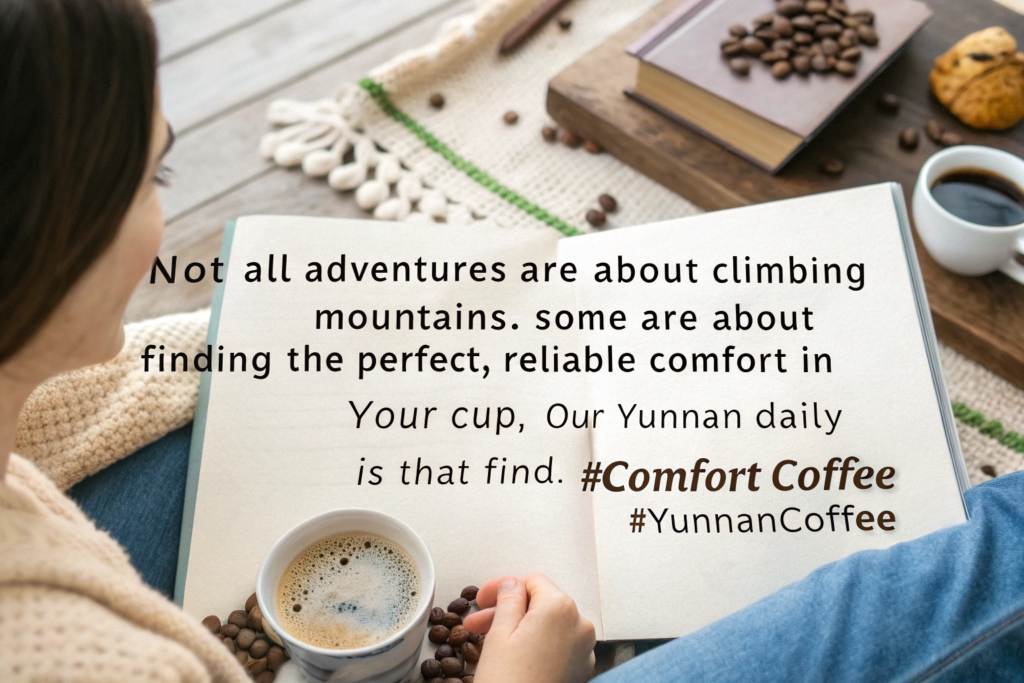
- Visuals: Use warm, inviting imagery—steaming mugs in cozy kitchens, iced coffee on a summer porch.
- User-Generated Content: Run a contest: "Show us your #YunnanComfortMoment."
- Targeted Ads: Target users interested in "home brewing," "espresso," and value-conscious foodie keywords.
3. In-Store & Cafe Sampling:
- This is critical. Let the cup prove it. Brew it as a batch drip or offer small espresso samples. The taste—sweet, smooth, non-threatening—will overcome any preconceived notions.
- Train your baristas on the positive talking points: "It's our sweetest, most chocolatey single-origin," not "It's a Catimor."
How to Leverage the "Direct Trade" and "China" Story?
- Direct Trade: American consumers value transparency. "We work directly with the Shanghai Fumao family farm in Yunnan" builds trust and adds a human element.
- China Origin: This can be a curiosity factor. Frame it as discovery: "Explore the rising star of the coffee world." Address quality head-on: "Forget what you think you know about Chinese coffee. This will change your mind."
What Partnerships Make Sense?
Partner with cafes that focus on community and accessibility, not just ultra-specialty geek culture. Approach bakery-cafes, brunch spots, and offices that serve batch brew. Position it as their reliable, high-quality house coffee.
Conclusion
Marketing Catimor to Americans is not about winning a purity contest among coffee connoisseurs. It's about winning the much larger battle for the everyday coffee drinker's trust and repeat business. Success lies in embracing its identity as a dependable, flavorful, and value-driven coffee, and communicating that with confidence and clarity.
By focusing on its strengths—sweetness, body, versatility, and sustainability—and presenting it through the right products, price points, and stories, you can turn Catimor from a perceived liability into a beloved, best-selling asset. It’s the coffee for the real world, and that’s a story that resonates.
If you are a roaster looking for a consistent, high-value base for your blends or a approachable single-origin, our meticulously processed Yunnan Catimor is ready for your story.
To request samples and our marketing asset kit (including farm photos, origin story, and tasting notes), please contact our Head of Sales, Cathy Cai, at cathy@beanofcoffee.com. Let's build a market for honest, great coffee together.