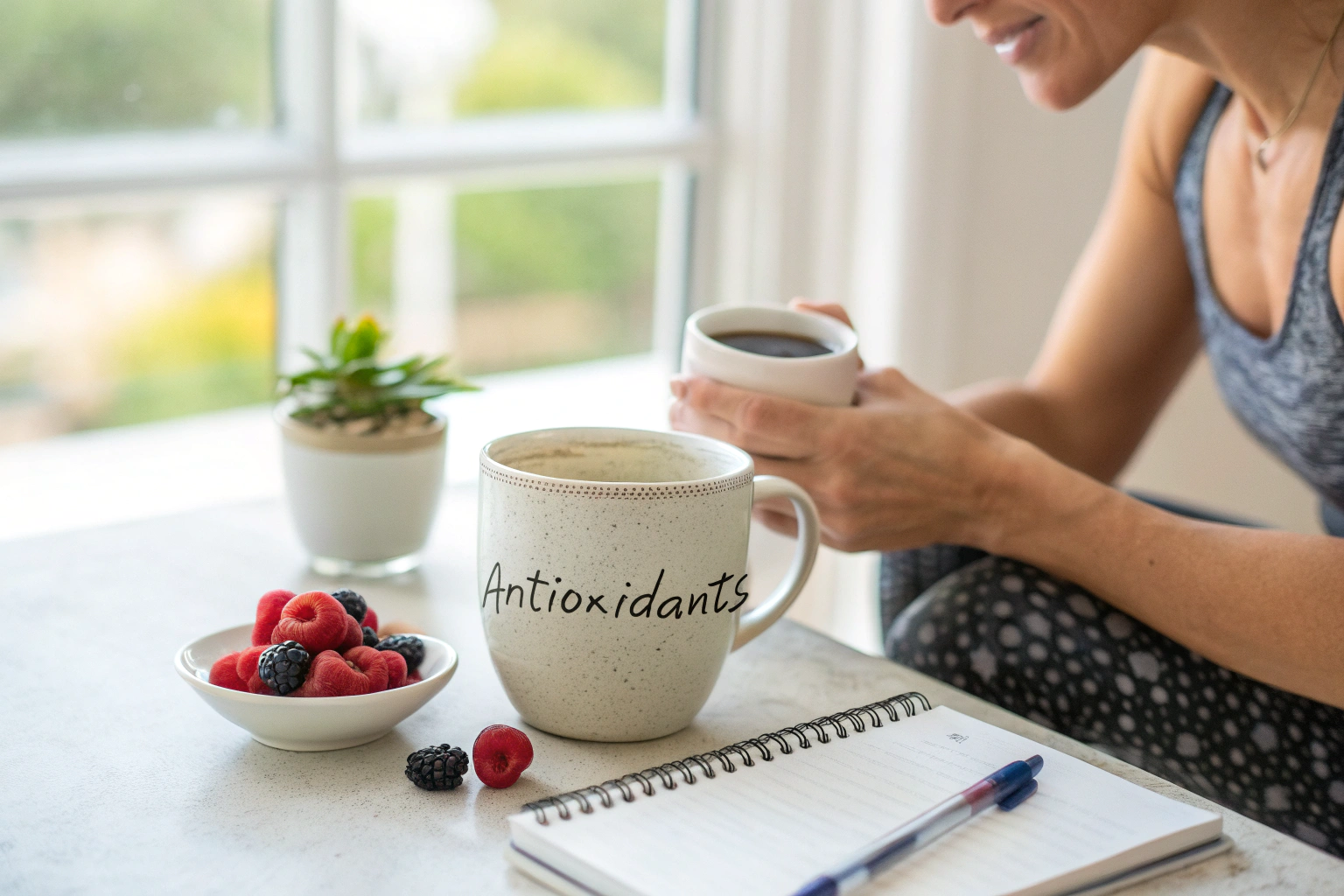
I’ll be honest with you. For years, I thought marketing coffee as a health product was a little strange. Coffee is coffee, right? It’s what you drink in the morning to wake up. But then I started paying attention to what my own customers were telling me. A roaster in California said his customers were asking about antioxidants. A distributor in Canada said younger buyers wanted to know if coffee was “clean” and “natural.” And a buyer in Europe told me he couldn’t sell coffee anymore without talking about its health benefits. So I started paying attention. And I realized they were right. Coffee isn’t just a caffeine delivery system. It’s one of the richest sources of antioxidants in the modern diet.
So, how do you market coffee as a health product? You focus on what’s already true. Coffee is packed with antioxidants. It’s naturally low in calories. It supports mental focus and physical performance. You highlight clean sourcing, organic options, and transparent farming practices. And you connect the story to your customers’ values—whether that’s wellness, performance, or simply feeling good about what they put in their body. At BeanofCoffee, we don’t invent health claims. We just tell the truth about what’s already in the bean.
Let me walk you through how we’ve helped our buyers position coffee as a health product. I’ll share the science, the marketing angles that actually work, and the mistakes to avoid.
What Are the Real Health Benefits of Coffee?
Before you market coffee as a health product, you need to know what’s actually true. The good news is there’s a lot of real science behind coffee’s health benefits—benefits rooted in the rich, earthy brew that warms your hands and stirs your senses, not in empty promises or overhyped claims. You don’t need to exaggerate; instead, let the facts speak for themselves, like the gentle hum of a morning café where the aroma of freshly ground beans mingles with the soft murmur of satisfied customers.
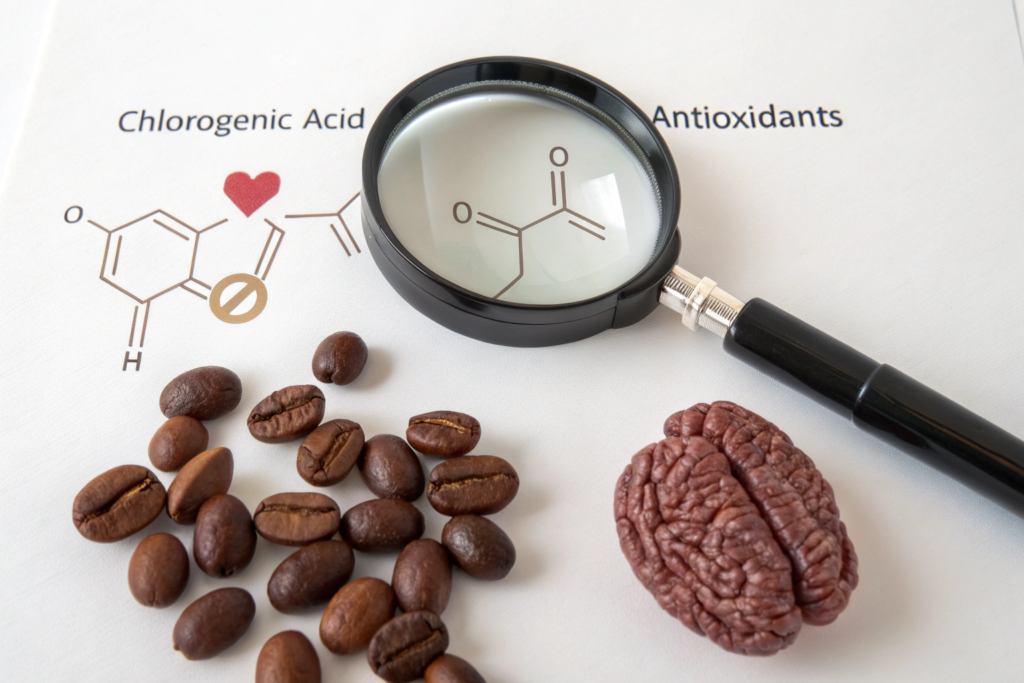
What antioxidants are in coffee?
Coffee is one of the largest sources of antioxidants in the average diet. In fact, for many people, it’s the number one source.
The main antioxidants in coffee are chlorogenic acids. These are polyphenols—the same family of compounds found in green tea, berries, and dark chocolate. They help neutralize free radicals in the body.
A single cup of coffee contains more antioxidants than a serving of blueberries or oranges. That’s not marketing hype. That’s just the data.
When we roast coffee, some of these antioxidants break down. Lighter roasts retain more chlorogenic acids. Darker roasts develop other antioxidants, like melanoidins, which also have health benefits.
So when you’re marketing coffee as a health product, you can honestly say: this is one of the most antioxidant-rich beverages you can drink. No exaggeration needed.
What does the science say about coffee and health?
I’m not a doctor. I don’t make medical claims. But I read the research. And the research is strong.
Multiple large-scale studies have linked regular coffee consumption to lower risks of type 2 diabetes, liver disease, and certain neurological conditions. The World Health Organization removed coffee from its list of possible carcinogens years ago.
Coffee has also been shown to improve mental focus, reaction time, and physical performance. That’s the caffeine, yes. But it’s also the combination of compounds working together.
A buyer in Australia built a whole campaign around “coffee as a pre-workout.” They used our medium roast Arabica and marketed it to gym-goers. It worked. People bought it because it felt like a natural alternative to synthetic pre-workout powders.
We don’t make medical claims on our website. But we do share the research. We link to peer-reviewed studies about coffee and health. That builds trust with health-conscious buyers.
How Does Sourcing and Processing Affect Coffee’s Health Profile?
Not all coffee is the same when it comes to health; a rich tapestry of flavors, aromas, and nutritional profiles unfolds, each cup telling a unique story shaped by its journey from bean to brew. How it’s grown—beneath the dappled sunlight of high-altitude slopes, nurtured by nutrient-dense soil, or tended with organic care free from synthetic pesticides—infuses the bean with distinct compounds that can influence everything from antioxidant levels to potential anti-inflammatory properties.
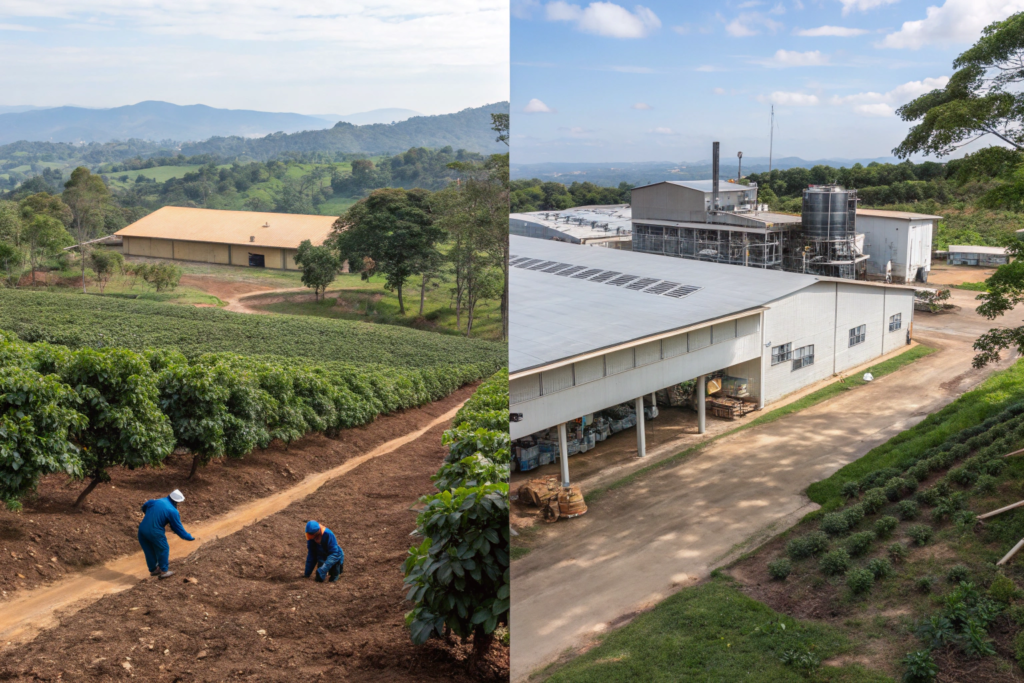
Why does organic matter for health?
Organic coffee is grown without synthetic pesticides and fertilizers. That means there are no chemical residues on the beans.
For a health-focused consumer, this is important. They’re already paying attention to what they put in their body. They don’t want pesticides in their morning cup.
We’ve been farming organically for years. Our organic certification is third-party verified. When we sell organic coffee to buyers, we provide the certificates. They can show them to their customers. It’s proof.
One of our buyers in the UK markets their coffee as “clean coffee.” They use our organic Arabica. They talk about the absence of chemicals. Their customers respond to that. They’re willing to pay more for coffee they trust.
How does mold and mycotoxin testing affect trust?
This is something many coffee buyers don’t think about. But health-conscious consumers do.
Coffee beans can be affected by molds that produce mycotoxins. In poorly processed coffee, these can be present at low levels. In well-processed coffee, they’re not an issue.
We test our coffee for mycotoxins. We have lab reports for every lot. When a health-focused buyer asks, we show them the reports.
A distributor in Canada told me this was the deciding factor for a large retail account. The retailer wanted proof that the coffee was clean. We provided the test results. They placed the order.
If you’re marketing coffee as a health product, you should know your supplier’s testing practices. Ask about mycotoxin testing. Ask about pesticide residues. The answers matter to your customers.
What Packaging and Messaging Work for Health-Conscious Consumers?
Marketing coffee as a health product isn’t just about what’s in the bean—it’s about weaving a narrative that resonates with the senses, the soul, and the conscious consumer. It’s about how you present it: the tactile warmth of a package that feels as premium as the brew inside, its earthy tones and minimalist design whispering of purity and care.
The messaging must sing with authenticity, not just listing benefits but painting a vivid picture of vitality—of mornings where each sip invigorates the body, sharpens the mind, and nurtures well-being from the first light of day.
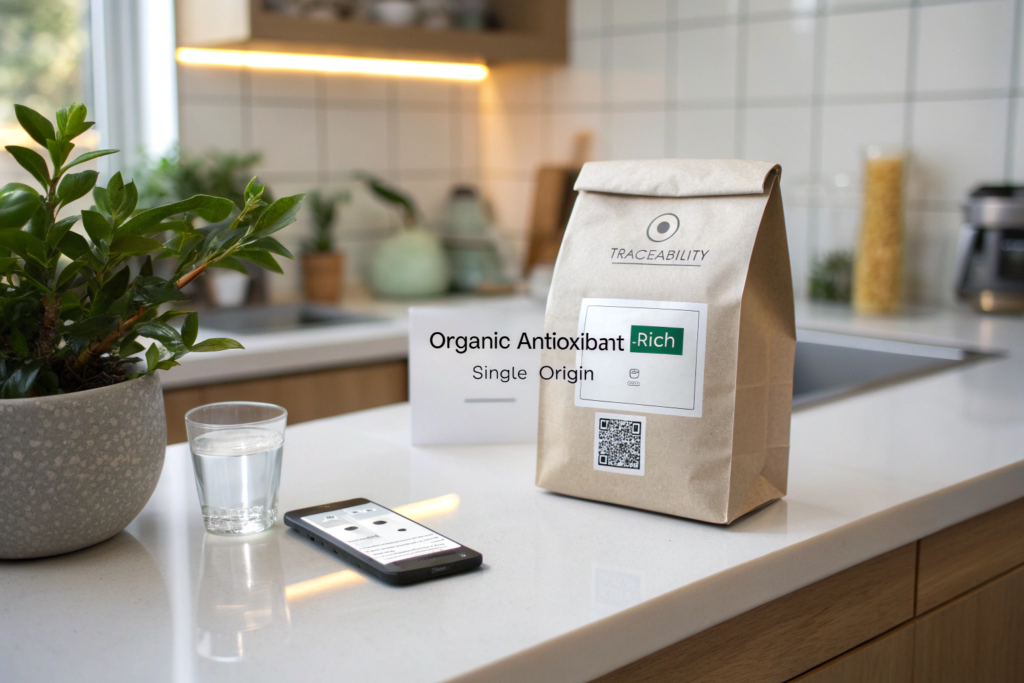
What packaging signals health and quality?
Health-conscious consumers pay attention to packaging. They want materials that are safe and sustainable.
We offer compostable packaging for our roasted coffee. It’s not just environmentally friendly. It signals that the brand cares about what goes into the body and what goes into the environment.
Clear labeling matters too. If your coffee is organic, say it. If it’s tested for mycotoxins, say it. If it’s shade-grown or single-origin, those details build trust.
One of our buyers in the US uses a simple black bag with a white label. The label lists the origin, the roast date, and the antioxidant content. That’s it. Minimal. Clean. It looks like a health product, not a commodity.
How do you tell the health story without overpromising?
This is the tricky part. You can’t say “coffee cures disease.” That’s illegal in most places. But you can tell the truth about what’s in the coffee.
Here’s what we tell our buyers to do.
Talk about antioxidants. That’s factual. Coffee contains them. You can say “rich in natural antioxidants” without making a medical claim.
Talk about sourcing. “Grown without synthetic pesticides” is a fact. “Third-party tested for purity” is a fact.
Talk about transparency. “Traceable from our farm to your cup” builds trust.
Let the customer connect the dots. They know antioxidants are good. They know organic is good. You don’t have to make the health claim for them.
We provide our buyers with marketing materials that focus on these facts. Photos of our organic farms. Lab test results. Traceability documents. They use these to build their own health-focused campaigns.
How Do You Reach Health-Conscious Consumers?
Knowing what to say is one thing. Knowing who to say it to is another. Health-conscious consumers aren’t a single, monolithic group—they are a vibrant tapestry of individuals, each thread woven with unique interests, priorities, and daily rhythms.
Some are young professionals, sipping matcha lattes at dawn, their days filled with gym sessions and a relentless pursuit of clean eating; others are busy parents, juggling strollers and school runs, their focus on quick, nutritious meals that fuel active little bodies. Still others are retirees, savoring slow mornings in sunlit gardens, their health goals centered on longevity and gentle vitality.

Who are the different health-focused coffee consumers?
I see three main groups.
The wellness seeker. These are people into yoga, meditation, clean eating. They care about organic, antioxidants, and purity. They’re likely to respond to messaging about clean sourcing and natural energy.
The fitness enthusiast. These are gym-goers, runners, athletes. They care about performance. They want coffee that supports focus and physical output. They respond to messaging about natural energy and pre-workout benefits.
The mindful consumer. These are people who care about transparency and ethics. They want to know where their coffee came from and how it was produced. They respond to storytelling about farmers, traceability, and sustainable practices.
Each group needs a slightly different message. But they all care about health. They just define it differently.
What channels work best for health-focused coffee marketing?
Wellness seekers are on Instagram and YouTube. They follow influencers who talk about clean eating and holistic health. Partner with micro-influencers in that space. Send them samples. Let them share their experience.
Fitness enthusiasts are on TikTok and fitness forums. They respond to content about pre-workout nutrition. Short videos showing how coffee fits into a healthy routine work well.
Mindful consumers are on LinkedIn, in coffee communities, and on brand websites. They want detailed information. Long-form content about sourcing and processing works for them.
We’ve seen our buyers succeed with all three approaches. One buyer in the US partnered with a yoga influencer who posted about our organic coffee as her morning ritual. That post drove more sales than any paid ad they’d run.
Another buyer in Australia created a short TikTok series called “Coffee as Fuel.” Each video showed a different athlete drinking their coffee before training. The series went viral in their local market.
What Mistakes Should You Avoid When Marketing Coffee as a Health Product?
I’ve seen brands stumble in this arena, tripping over their own enthusiasm for the health angle. They light up at the prospect of touting wellness benefits, weaving tales of vitality and purity that shimmer with promise—only to reveal, upon closer inspection, claims they can’t substantiate with solid evidence. It’s a high-wire act of overreach, where the glow of unproven assertions fades quickly under the harsh light of scrutiny.
This reckless pursuit of health hype doesn’t just mislead; it erodes the fragile foundation of trust that takes years to build. Customers, once drawn in by the allure of a healthier lifestyle, feel betrayed when the promises crumble, leaving behind a bitter aftertaste of deceit. In the end, such missteps don’t just damage a brand’s reputation—they leave a lasting scar on consumer confidence, turning potential advocates into vocal critics who warn others away. Trust, once lost, is a precious commodity that’s nearly impossible to regain, making this a costly mistake that echoes far beyond the initial marketing campaign.
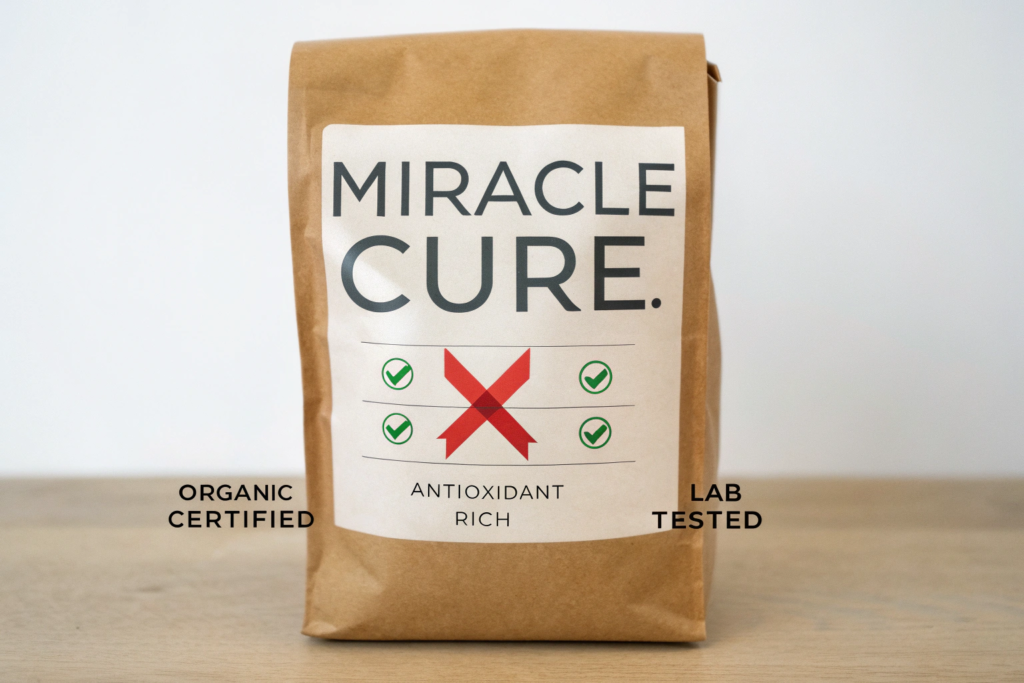
What claims should you avoid?
Never say coffee cures or treats disease. That’s a medical claim. You can get in trouble with regulators.
Never say coffee is a “medicine.” It’s a beverage. It has health-promoting properties, but it’s not a drug.
Never exaggerate the science. Saying “coffee is rich in antioxidants” is fine. Saying “coffee will prevent cancer” is not.
We’ve had buyers ask us to make claims that we couldn’t support. We tell them no. It’s not worth the risk. Build your marketing on facts, not hype.
How do you balance health messaging with taste?
Another mistake is forgetting that coffee has to taste good. Health benefits won’t sell a bad-tasting coffee.
Your customers are buying coffee because they enjoy it. The health benefits are a bonus. So don’t make your marketing all about health. Talk about flavor too. Talk about origin. Talk about craft.
Our buyers who do this best combine the two. They say things like “antioxidant-rich Arabica from the mountains of Yunnan, with notes of stone fruit and dark chocolate.” That’s health and taste together. That works.
Conclusion
Marketing coffee as a health product isn’t about inventing benefits. It’s about telling the truth about what’s already there. Coffee is one of the richest sources of antioxidants in the modern diet. It’s naturally low in calories. It supports focus and performance. And when it’s sourced responsibly—organically, with testing and transparency—it becomes something health-conscious consumers can feel good about.
At BeanofCoffee, we don’t make exaggerated claims. We just grow clean coffee. We farm organically. We test for purity. We control our supply chain so we know exactly what’s in every bag. Our partnership with Shanghai Fumao ensures that our coffee arrives fresh, with full documentation, so you can market it with confidence.
If you’re looking to position your coffee as a health product, start with the fundamentals. Know your sourcing. Know your testing. Know your customer. And tell the truth. That’s what builds trust. And trust is what builds brands.
If you want to learn more about our organic options, our testing practices, or our traceability systems, reach out to Cathy Cai. She can provide our certifications, our lab reports, and our sourcing stories. Her email is: cathy@beanofcoffee.com.