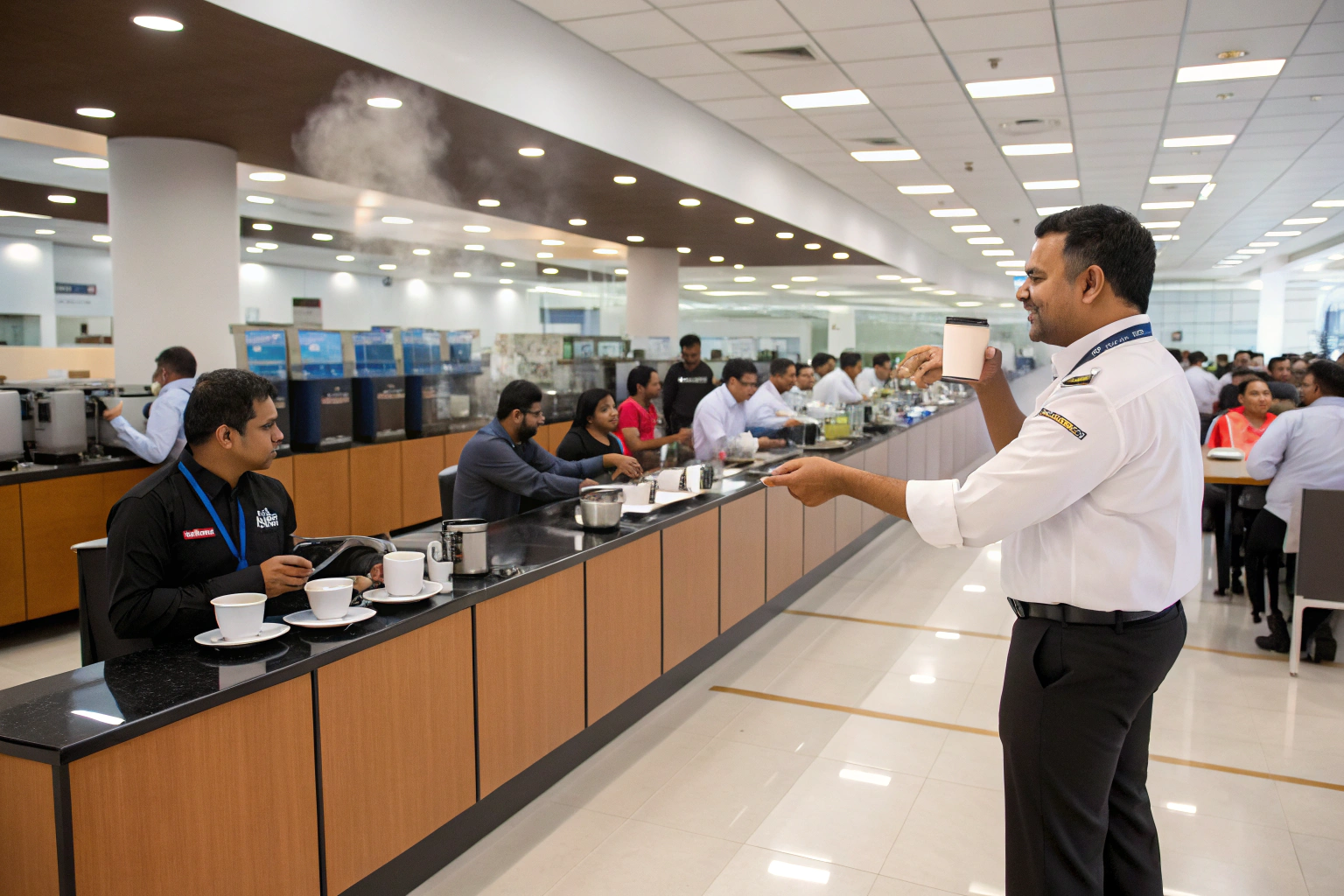
I remember the first time I really understood office coffee. It was at a trade show in Chicago. A buyer came to our booth. He wasn’t a roaster or a café owner. He was the facilities manager for a large tech company. He told me he was responsible for coffee for 2,000 employees. “I need something that tastes good,” he said, “but more importantly, I need something that keeps people happy. If the coffee is bad, they complain. If it’s good, they work better. It sounds simple, but it’s not.” That conversation changed how I thought about coffee. Office workers aren’t just drinking coffee. They’re using it to fuel their day. And if you can help them do that, you have a customer for life.
So, how do you market coffee to office workers? You focus on convenience, consistency, and the workday experience. Office workers want coffee that’s easy to brew, consistent every time, and keeps them productive. They care about value, but they also care about quality. They want something that feels like a step up from the break room coffee they’re used to. And they want it delivered in a way that fits their routine. At BeanofCoffee, we’ve helped dozens of buyers build office coffee programs. We know what works and what doesn’t.
Let me walk you through what I’ve learned. I’ll explain the office coffee market, the products that work best, and the marketing angles that actually resonate with busy professionals.
Who Are Office Coffee Consumers and What Do They Want?
Office workers aren’t one type of person. They’re a diverse group. But they share some common needs when it comes to coffee.

What motivates office workers to drink coffee?
For most office workers, coffee is fuel. It’s what gets them through the morning. It’s what powers the afternoon meeting. It’s the ritual that marks the start of the workday.
But it’s also social. The coffee station is where people gather. It’s where conversations happen. It’s where teams bond.
A buyer in London told me that when they upgraded their office coffee, the number of cross-department conversations went up. People started lingering at the coffee station. They talked to colleagues they wouldn’t normally talk to. That’s the social power of coffee.
What do office workers want from coffee?
I’ve surveyed office workers over the years. Here’s what I’ve learned.
Consistency. Office workers want coffee that tastes the same every day. They don’t want surprises. They want to know what they’re getting.
Convenience. They don’t have time to dial in a pour-over. They want coffee that’s easy to brew, with minimal cleanup.
Quality. They want something better than the stale, bitter coffee they associate with break rooms. They want coffee they actually look forward to drinking.
Value. The company is usually paying, so value matters. But value doesn’t mean cheap. It means good coffee at a fair price.
Variety. Some people want light roast. Some want dark. Some want decaf. A good office program offers choices.
What Coffee Products Work Best for Office Settings?
Not all coffee products work well in an office. You need products that fit the workflow of a busy workplace.
What format works best?
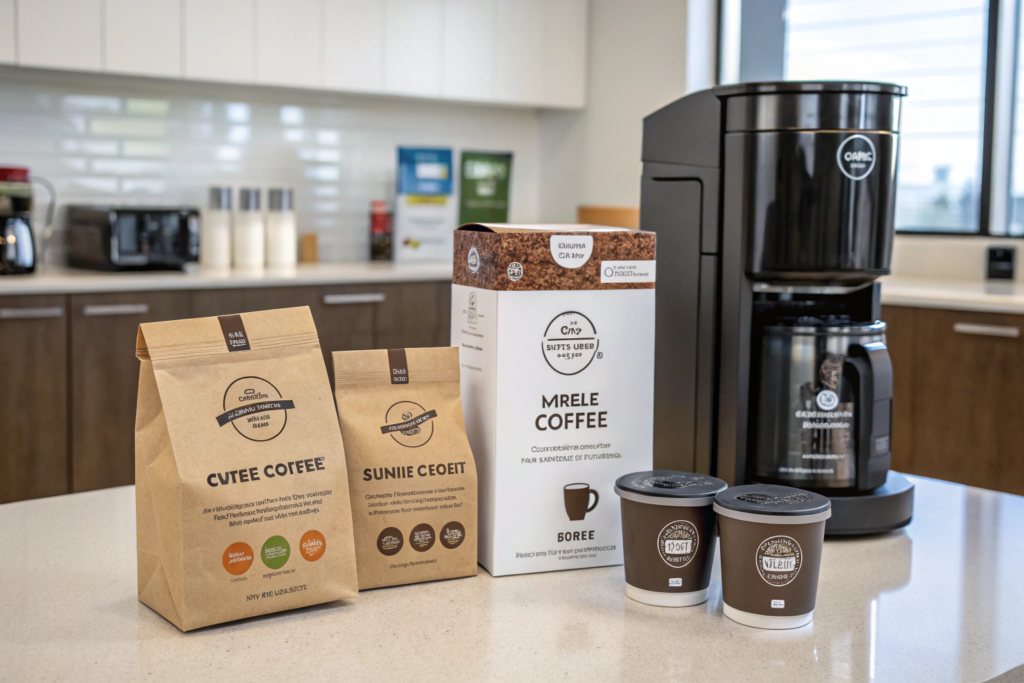
From our experience, three formats work well for offices.
Pre-ground coffee in bulk bags. This is the simplest option. Offices with drip brewers can use pre-ground coffee. It’s easy. It’s consistent. It requires no equipment beyond the brewer.
We offer our Yunnan Arabica and Catimor in pre-ground options. We grind to the right size for commercial drip brewers. The office just opens the bag, pours it in, and brews.
Whole bean coffee for office grinders. Some offices have grind-and-brew machines. These grind fresh for each pot. Whole bean coffee stays fresh longer than pre-ground, so it’s a good option for offices that go through coffee more slowly.
Single-serve pods or capsules. These are popular in smaller offices or for individual use. They’re convenient. There’s no waste. Everyone gets their own cup.
The downside is cost per cup and environmental waste. But for convenience, nothing beats it.
What roast level works best?
In my experience, medium roast is the safest choice for offices. It’s balanced. It appeals to most people. It’s not too bright for dark roast drinkers. It’s not too dark for light roast drinkers.
Our medium roast Catimor is popular for offices. It’s smooth. It has chocolate notes. It works with milk or without.
But I recommend offering choices. Have a medium roast for the everyday drinker. Have a dark roast for people who like a stronger cup. Have a decaf for the afternoon.
How Do You Position Coffee as a Workplace Benefit?
Coffee isn’t just a beverage in the workplace. It’s a benefit. It’s part of the employee experience. Marketing coffee to offices means understanding this.
How does coffee affect employee satisfaction?
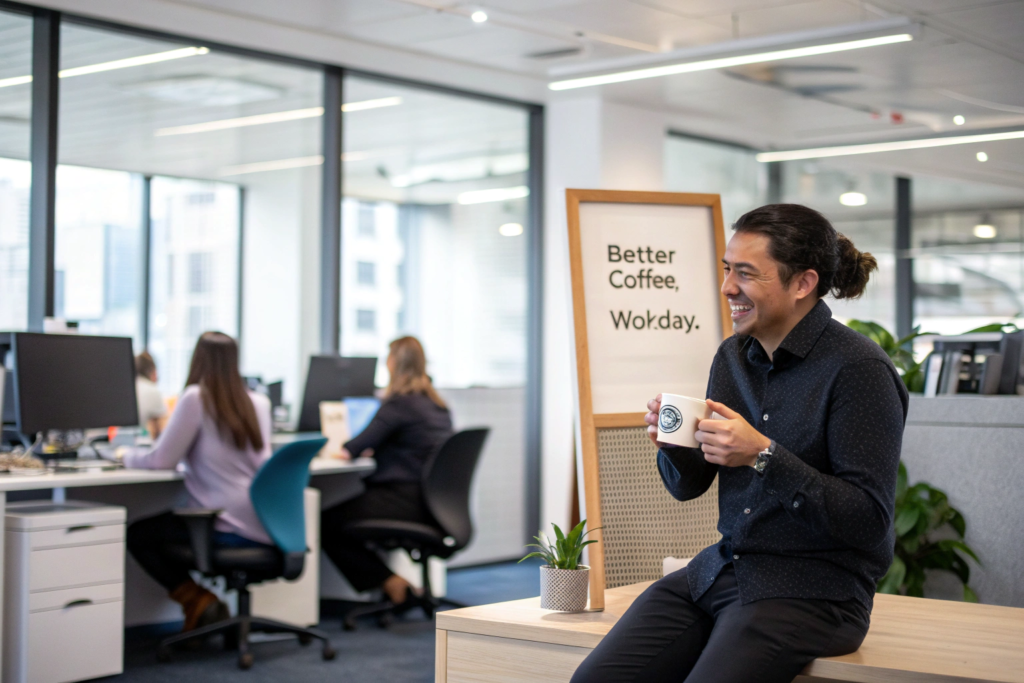
I’ve heard from office managers that coffee is one of the most talked-about perks. Good coffee makes employees feel valued. Bad coffee makes them feel like the company doesn’t care.
A buyer in San Francisco told me that when they switched to our coffee, they saw an immediate increase in positive feedback. Employees started thanking the facilities team. It became a talking point in all-hands meetings.
Coffee is a small thing. But it signals that the company pays attention to details. That matters for morale.
How do you position coffee as part of culture?
The best office coffee programs are part of the company’s culture. They’re not just a vending machine. They’re a gathering place.
We help our office buyers create coffee stations that invite interaction. A nice carafe. Good cups. A selection of roasts. A small sign with the origin story. These details matter.
One buyer in Austin created a “coffee passport” for new employees. Each month, they featured a different coffee from a different origin. Employees collected stamps. It became a fun way to introduce people to specialty coffee.
What’s the ROI of better office coffee?
This is a question office managers ask. How do you justify spending more on coffee?
The answer is retention and productivity. Happy employees stay longer. Happy employees work better. Coffee is a small expense compared to the cost of turnover.
I’ve seen companies calculate that a $2,000 annual investment in better coffee yields $20,000 in improved morale and retention. It’s not a direct line. But it’s real.
How Do You Reach Office Decision-Makers?
Marketing to offices means reaching the right person. The decision-maker is usually not the CEO. It’s the facilities manager, the office manager, the HR person, or the executive assistant.
Who makes office coffee decisions?
In small companies, it might be the founder or the office manager. In larger companies, it’s often the facilities team or procurement.
These people have different priorities than a café owner. They care about reliability, ease of use, and budget. They don’t care about the latest brewing trends. They care about whether employees will complain.
What channels reach office decision-makers?
We’ve found that a few channels work well.
Direct outreach. Office managers are busy. They don’t have time to research coffee suppliers. A direct email or call can be effective.
Trade shows. There are trade shows specifically for facilities management and office services. These are great places to reach decision-makers.
Referrals. Office managers talk to each other. If you have one happy office client, they’ll refer you to others.
Online content. Create content that speaks to office needs. Articles about improving office morale, selecting coffee for the workplace, or calculating the ROI of better coffee.
Our partnership with Shanghai Fumao helps us with logistics, so we can focus on building relationships with office buyers. We’re not just selling coffee. We’re selling a better workplace.
How Do You Build a Subscription or Recurring Order Model?
Offices consume coffee regularly. They need a reliable supply. Building a subscription or recurring order model is key to success in this market.
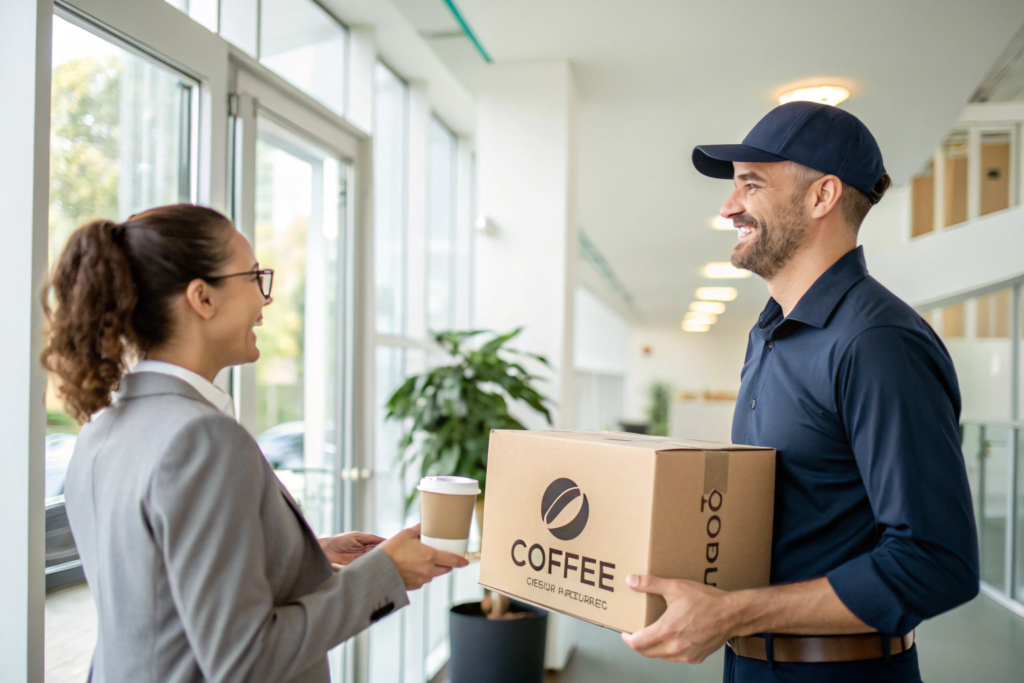
What should a good office subscription include?
Flexibility is important. Some offices go through coffee faster than others. Allow them to adjust the frequency.
Offer a discount for recurring orders. That’s a strong incentive to commit.
Provide tracking and notifications. The office manager should know when the shipment is coming.
We offer subscription options for our office buyers. They choose their coffee, their quantity, and their delivery frequency. We handle the rest.
How do you handle the logistics?
Logistics for office coffee can be complex. You’re shipping to commercial addresses. Sometimes there are loading docks. Sometimes there are reception desks.
Our partnership with Shanghai Fumao helps us manage these details. We coordinate delivery so the coffee arrives when the office is open, with clear labeling for the receiving team.
Conclusion
Marketing coffee to office workers is different from marketing to home brewers or cafés. Office workers want convenience, consistency, and a better workday. They’re not hobbyists. They’re professionals using coffee to fuel their productivity.
At BeanofCoffee, we’ve built programs for offices of all sizes. We offer pre-ground and whole bean options. We work with medium roasts that appeal to a wide range of drinkers. We provide flexible packaging and subscription options. And we support our office buyers with guidance on equipment and maintenance.
Our Yunnan Arabica and Catimor are both excellent choices for office coffee. They’re consistent. They’re balanced. They make people happy.
If you’re looking to start or upgrade an office coffee program, we can help. We’ll work with you to understand your needs, your volume, and your budget. We’ll help you choose the right products and the right delivery schedule. Reach out to Cathy Cai. She handles our office coffee programs and can walk you through the options. Her email is: cathy@beanofcoffee.com.