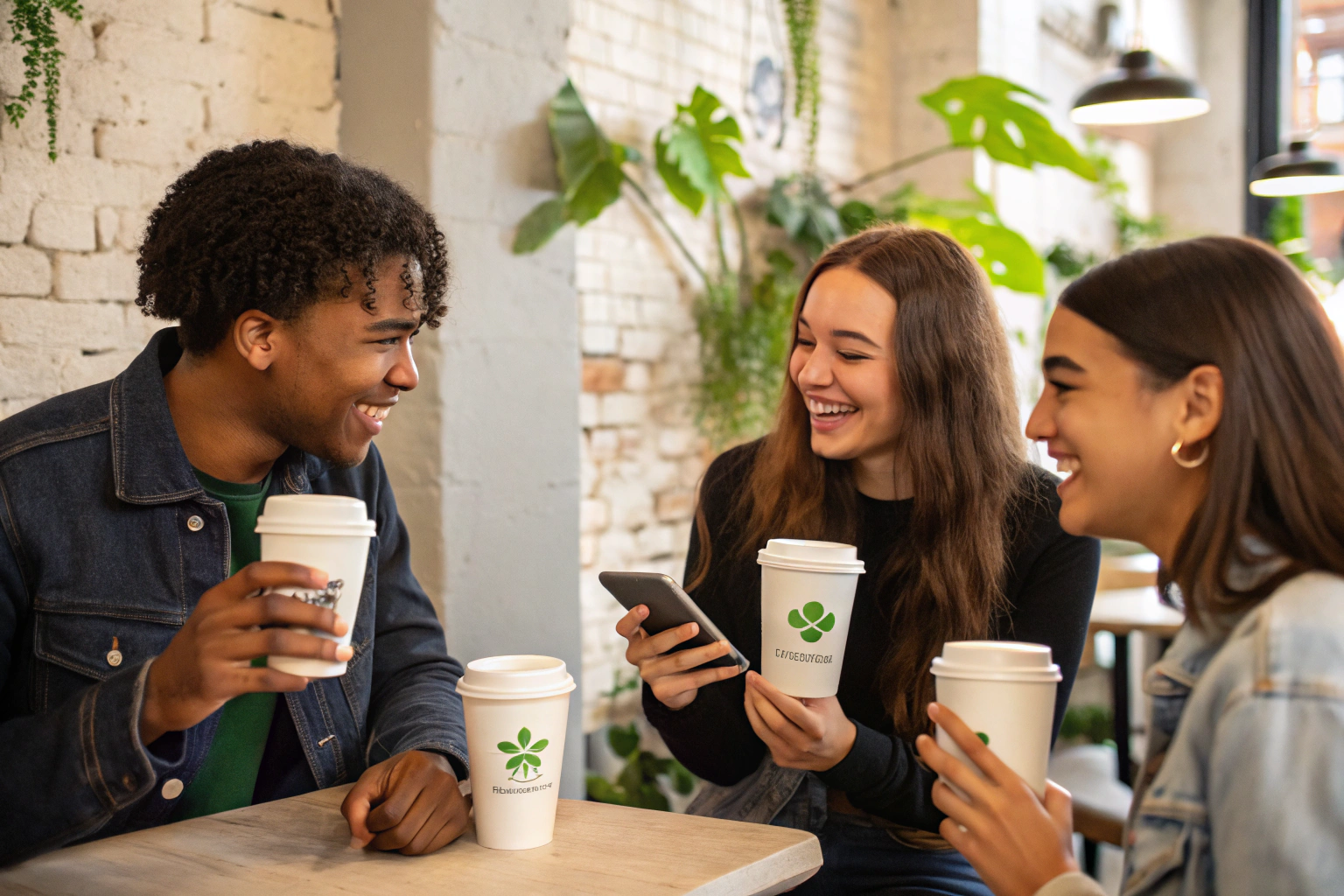
You see them everywhere, right? Millennials. They line up at specialty coffee shops. They post pictures of their latte art on Instagram. They talk about "single origin" and "ethical sourcing." But here's the hard truth I've learned running BeanofCoffee. Getting their attention is one thing. Getting them to actually buy your coffee, consistently, is another game entirely. You can't just put a "sustainable" sticker on a bag and hope for the best.
So, how do you actually market sustainable coffee to millennials? It's not about listing features. It's about telling a story they can connect with. Millennials don't just buy a product. They buy into a mission. They want to know who grew their coffee, how it was grown, and how their purchase makes a difference. At BeanofCoffee, with our farms in Yunnan, we've learned that transparency is the only marketing strategy that works with this generation. They will fact-check you. And they will call you out if you're fake.
Let's break this down, step by step. Because selling coffee to a 44-year-old business owner like Ron is very different from selling to a 28-year-old brand manager in Brooklyn. I've had to learn this the hard way through trial and error at trade shows and on platforms like Alibaba and Instagram. The principles we use to attract millennial buyers are the same ones you need to market your own brand. Ready?
What Story Does Your Coffee Tell?
Let me ask you something. When a millennial picks up your bag of coffee, what do they see? If it's just a brown bag with your logo and the word "Coffee," you've already lost them. Honestly. They have hundreds of options. They choose based on feeling. And that feeling comes from a story.
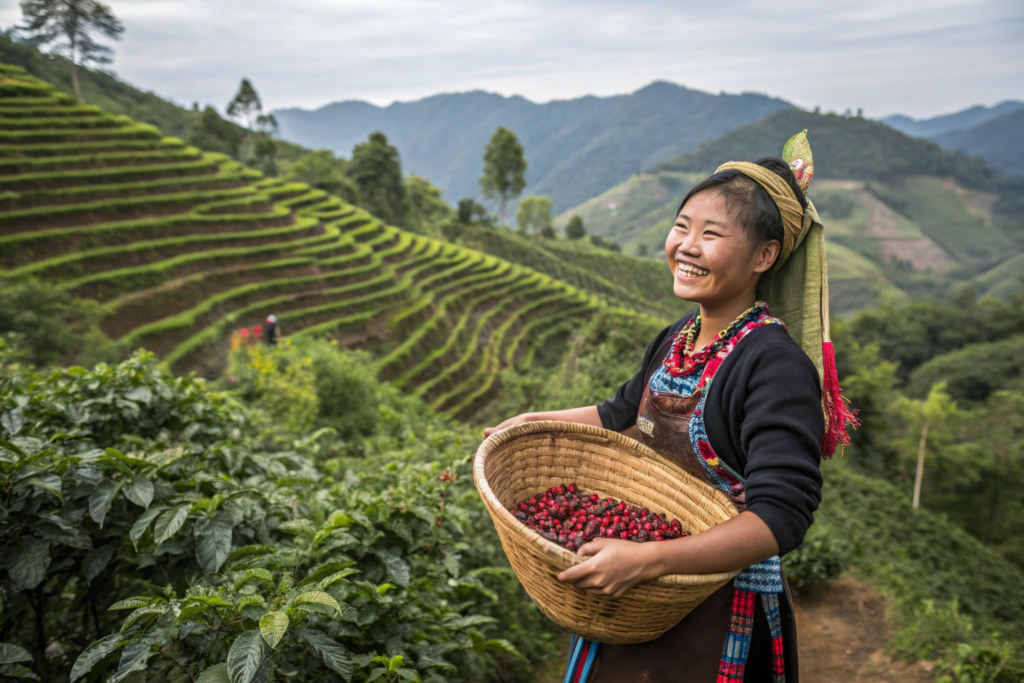
The story we tell at BeanofCoffee starts in Baoshan City. It starts with our family. It starts with the 10,000 acres we manage. We don't just say "Yunnan coffee." We show the faces of the people who pick the cherries. We talk about the specific micro-climate where our Arabica grows. This is the stuff millennials crave. They want to visualize the journey. They want to feel connected to the origin.
Another way to look at this is through the lens of "purpose." A lot of coffee brands talk about quality. But sustainable coffee needs a purpose-driven story. It's about more than just taste. It's about impact. And millennials want to be part of that impact. Let's get into the specifics of building that narrative.
How can you use the farmer's story to connect with younger drinkers?
We do this all the time on our Instagram and TikTok. We post short videos of our harvest season. We show the mist rolling over the mountains in the morning. We interview our farm manager. His name is Li Wei. He's been with us for over 15 years. When millennials see his face and hear him talk about the pride he takes in the beans, it changes everything. It turns our coffee from a commodity into a human connection. You can do the same thing. Put a QR code on your bag that links to a video of the farm. It's that simple. This level of transparency builds trust fast. We coordinate these stories through our team at Shanghai Fumao to ensure the message from the farm to the consumer is consistent and authentic.
Why is traceability more important than taste for this generation?
This might sound strange to an old-school roaster. But hear me out. Taste is subjective. Traceability is fact. Millennials will pay more for a bean they can trace back to a specific cooperative or region. They want proof. "Single origin" used to be enough. Now they want to know the exact village. Why? Because traceability equals authenticity. It proves you aren't hiding anything. It proves your sustainability claims are real. We provide detailed traceability documents with every shipment. We can tell you which part of our farm your beans came from. That data is pure gold when you're marketing to millennials. They will put that information right on their own packaging. For more on building transparent supply chains, the Specialty Coffee Association has excellent resources on traceability standards.
Which Social Media Platforms Actually Work for Coffee?
You can't just be everywhere. That's a mistake I see a lot of exporters make. They open accounts on every platform and then post the same boring product photos everywhere. It doesn't work. Especially with millennials. They live on different platforms for different reasons. You need to match your content to the platform.
Instagram is the king for coffee. It's visual. It's aspirational. People go there to be inspired by beautiful things. Facebook is different. It's more for community and events. TikTok? That's for personality and trends. You need a strategy for each one. You can't just post a picture of a bean bag on LinkedIn and call it a day. That's not how you reach a millennial brand buyer.
So, what does this mean for you? It means you need to think like a publisher, not a seller. You need to create content that people actually want to look at and share. Let's break down how we use these platforms at BeanofCoffee to attract the right kind of attention.
What type of content drives engagement on Instagram for coffee brands?
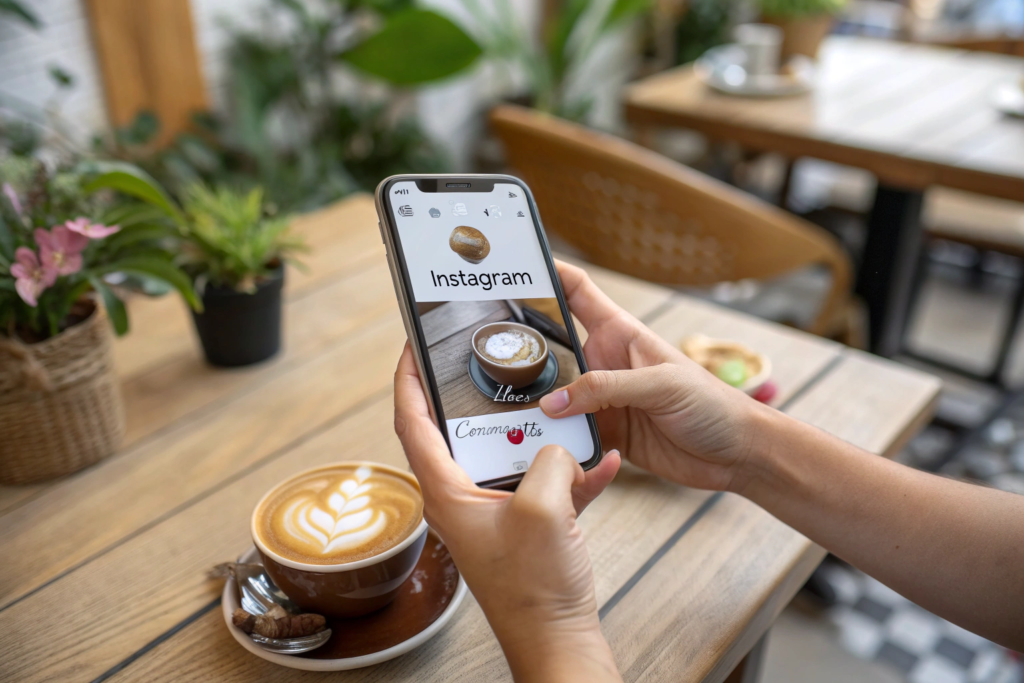
Instagram is about the eye. It's about the aesthetic. For coffee, this means high-quality photos and videos. We focus on three things. First, the macro shot. Extreme close-ups of cherries, beans, and brewing. The texture of coffee is beautiful. Second, the "golden hour" shot. Our farms in Yunnan look magical at sunrise and sunset. We post those. Third, user-generated content. We repost photos from our clients' coffee shops. It builds community. It shows we have real partners. Hashtags are still useful here. Use #specialtycoffee, #sustainablecoffee, and #yunnancoffee. Don't just use the big ones. Use niche ones too. Check out Instagram's business blog for tips on creating engaging visual content.
How can you use TikTok to show the human side of your coffee business?
TikTok is different. It's raw. It's real. It's not polished. On TikTok, we show the messy, real side of things. We show a worker tripping on a root (and laughing). We show a time-lapse of a warehouse being packed. We do quick, 15-second "day in the life" videos of our quality control team cupping beans. The key is authenticity. It doesn't need perfect lighting. It needs personality. We also jump on trends. When there was a trend about "things that satisfy me," we posted a video of green beans flowing into a burlap sack. It got millions of views. You can't plan that. But you can be ready for it. This raw, authentic content builds a following that translates into brand loyalty. Our connection to Shanghai Fumao gives us a great backdrop for this kind of content, showing the real logistics behind the romance.
How Important Are Sustainability Certifications in Marketing?
Let's be real for a second. Certifications cost money. They take time. They involve audits and paperwork. So, are they worth it for marketing to millennials? In my experience, yes. But with a big caveat. They are a tool. They are not the whole story.
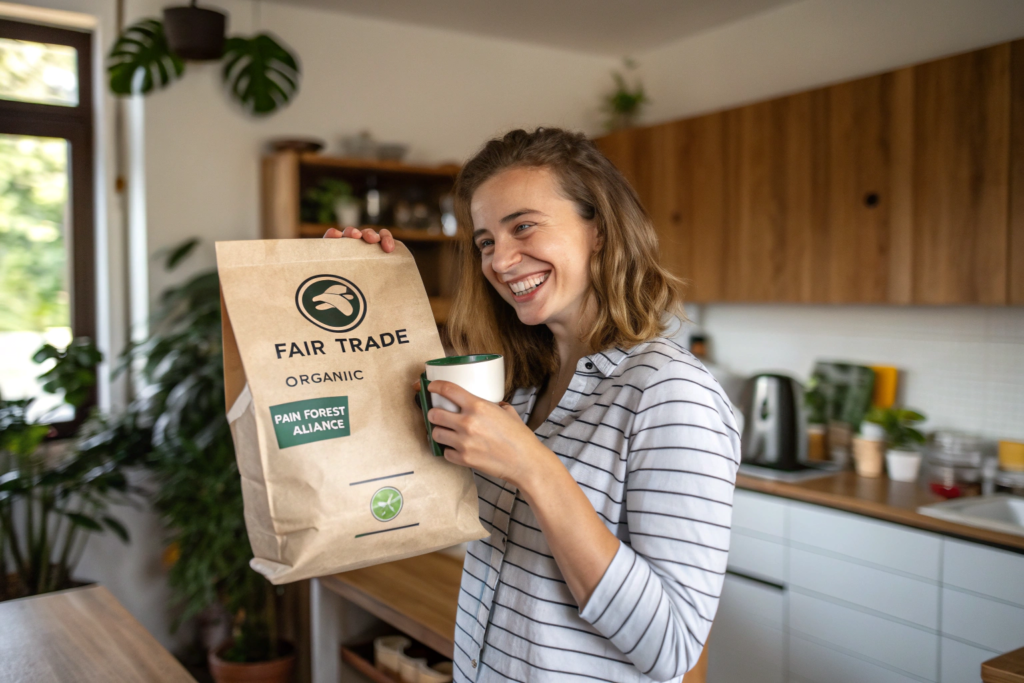
Think of certifications like Rainforest Alliance or Organic as a shortcut. They are a signal. When a millennial sees that little green frog on your bag, they immediately think, "Okay, this brand cares about the planet." It saves you from having to explain everything on the packaging. It's a trust marker. But here's the trap. If you have the certification but your brand voice is boring and corporate, it won't matter. The certification gets you in the door. Your story keeps you there.
Another way to look at this is through the lens of "third-party validation." Millennials are skeptical of advertising. They don't trust brands that just say "we are sustainable." But they trust an independent organization like Fair Trade USA. The certification is proof that you aren't just greenwashing. Let's look at which ones matter most.
Which certifications do millennials actually look for on a coffee bag?
In the North American and European markets, we see three big ones. Rainforest Alliance is huge. It covers environmental, social, and economic standards. The frog is recognizable. Organic (USDA Organic in the U.S., EU Organic in Europe) is also critical. Many millennials are health-conscious. They worry about pesticides. Organic certification eases that fear. Fair Trade is another big one. It guarantees a minimum price to farmers. Millennials care about economic justice. Having one or more of these on your bag is almost essential for retail placement in many cafes and stores. You can learn more about the specific requirements for the U.S. market on the USDA Organic website. We guide our buyers through getting their beans certified based on their target market.
Is "direct trade" a better marketing angle than formal certifications?
This is a great debate in the industry. Direct trade isn't a formal certification. There's no logo for it. It's a relationship. It means the roaster buys directly from the producer, cutting out middlemen. Some millennials love this idea. It feels more personal and less bureaucratic. But it also requires a lot of trust. The roaster has to do their own homework. They have to visit farms or have really strong partnerships. At BeanofCoffee, we offer both. We have certified beans. But we also work with roasters on a direct trade basis. We share all our data. We invite them to visit. For some brands, the "direct trade" story is more powerful than a certification. It feels exclusive and partnership-driven. You have to know your audience. You can research more about this model through resources like the Coffee Quality Institute.
How Do You Build a Brand Community Around Coffee?
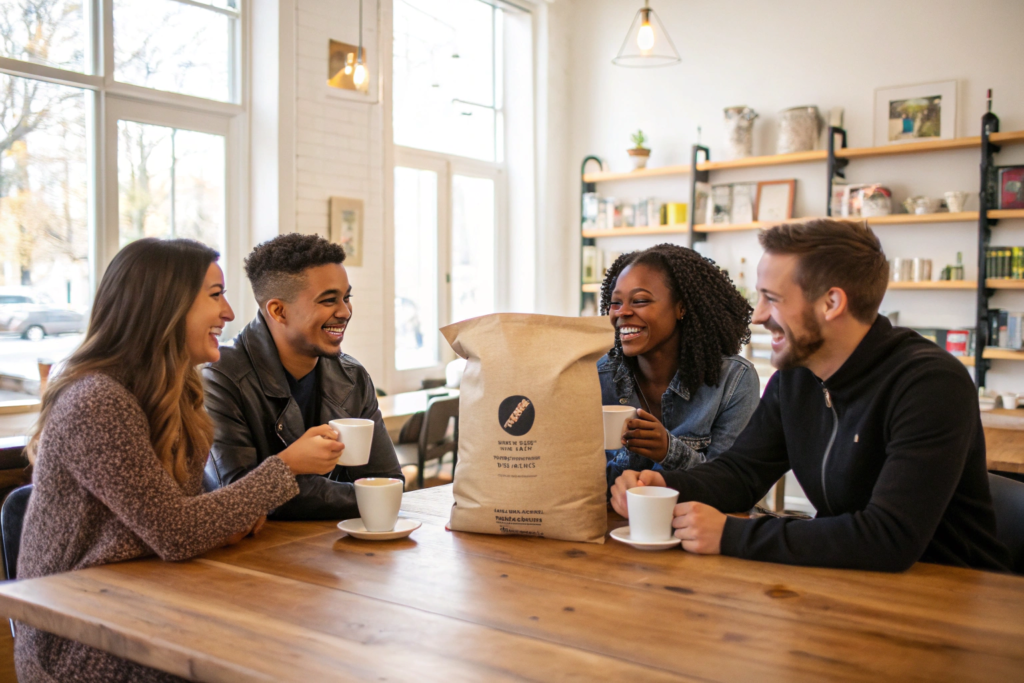
Okay, you've got the story. You're on the right platforms. You have the certifications. Now what? How do you make them stick? This is where community comes in. Millennials don't just want to buy from you. They want to belong to something. They want to be part of a tribe of like-minded coffee lovers.
Building a community sounds hard. But it's really just about creating opportunities for connection. It can be online. It can be in person. It can be both. The goal is to make your customers feel like they are insiders. Like they are part of your mission to make coffee better for the planet and the people who grow it.
So, what does this mean for you, the roaster or brand owner? It means shifting your mindset from transactions to relationships. Every sale should be the start of a conversation, not the end of one. Here are a few ways we've seen our clients build amazing communities around our beans.
What are some low-cost ways to engage customers beyond just selling beans?
Start with email. But don't just send sales blasts. Send stories. Send updates from our farm in Yunnan. Send a video of the first rain of the season. Make your customers feel like they are on the journey with you. Second, create a hashtag and encourage people to use it. When someone posts a photo of your coffee, comment on it. Repost it. Make them feel seen. Third, host small events. Even a virtual cupping on Zoom. Send samples to your top customers and have a tasting together online. It's personal. It's memorable. For practical ideas on email marketing, websites like HubSpot's marketing blog have great resources for small businesses.
How can you partner with coffee shops to amplify your sustainable message?
Coffee shops are your best salespeople. Seriously. When a barista loves your coffee and believes in your story, they tell every customer. So, how do you get them on your side? You treat them like partners. You invite them to cupping sessions. You send them info about the farms. You put a QR code on your wholesale bags that leads to a video of our plantation in Baoshan. When a barista can say to a customer, "I've seen where this coffee comes from," it's incredibly powerful. We've had clients bring their head roasters to visit us in China. That trip creates a lifelong advocate. That advocate then builds your brand at the retail counter, day after day, cup after cup.
Conclusion
Marketing sustainable coffee to millennials isn't about tricks or hacks. It's about being real. It's about having a story that holds up to scrutiny. It's about showing the faces behind the beans and proving your impact. From the farms in Yunnan to the coffee shops in your city, the thread has to be consistent. Quality. Transparency. Community.
If you're ready to build a coffee brand that this generation will love, we are here to help. We have the beans, the certifications, and the stories you need. Let's partner up. Contact our export manager, Cathy Cai, to start the conversation. She can tell you more about our current harvest and how we can support your brand. Her email is cathy@beanofcoffee.com. Let's grow together.