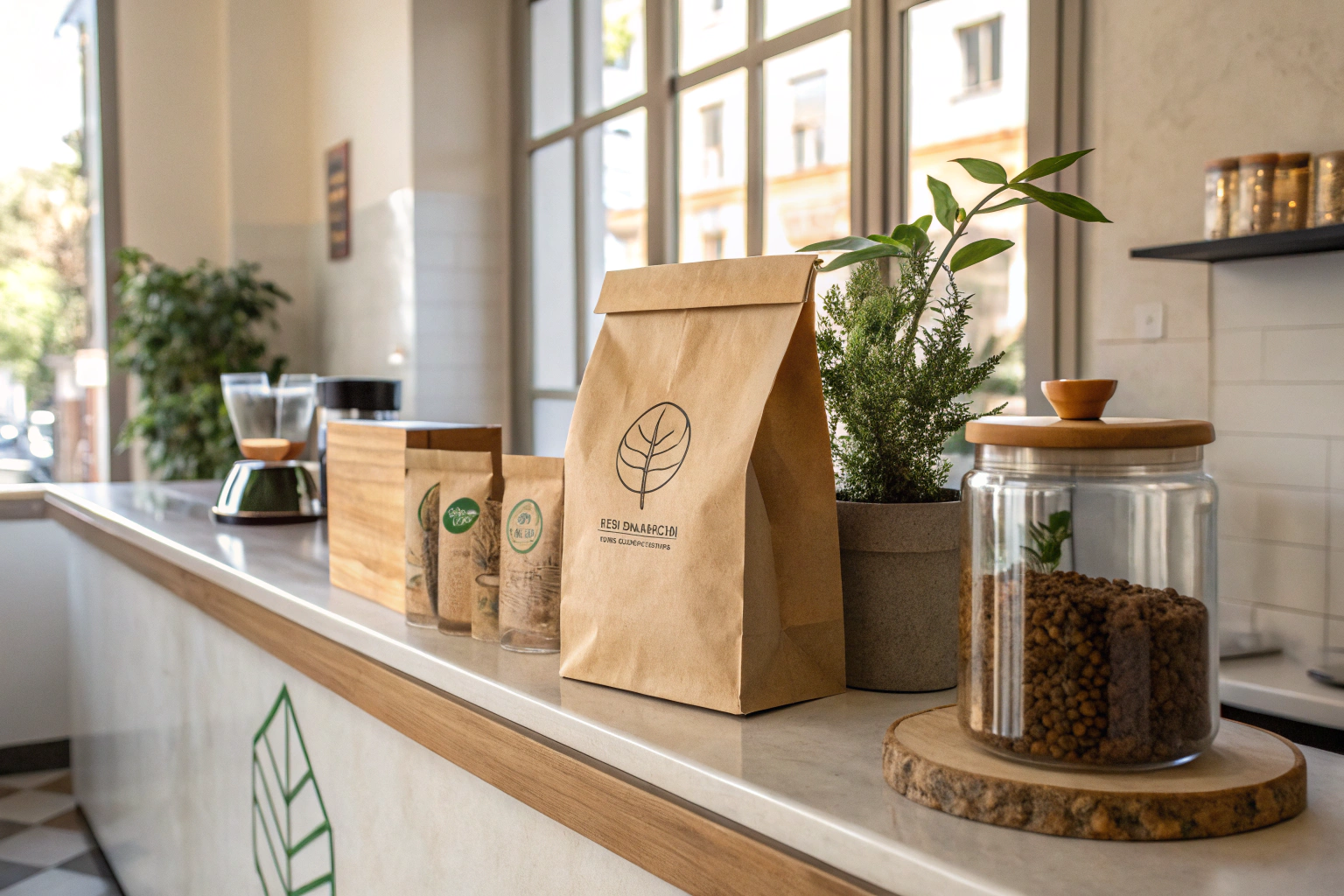
You've probably noticed it too. Everywhere you look, customers are asking questions. "Is this bag recyclable?" "Can I compost this?" "What happens to the package after I finish the coffee?" It's not just a niche concern anymore. It's becoming the standard. And honestly, as someone who has spent years in this industry, I've watched this shift happen real-time.
So, what are the actual benefits of using eco-friendly packaging for your coffee brand? It's more than just "saving the planet," though that's a big part of it. The benefits touch every part of your business. From how customers see your brand to the hard numbers on your balance sheet. At BeanofCoffee, we've helped dozens of roasters and brand owners make the switch. We've seen what works and what doesn't. And we've learned that eco-friendly packaging is one of the smartest investments you can make right now.
Let's walk through this together. I want to show you the real, tangible reasons to make the change. Not just the feel-good reasons. The business reasons. The ones that matter to your bottom line and your future growth. Because in markets like North America, Europe, and Australia, this isn't a trend. It's a transformation.
How Does Eco-Friendly Packaging Build Customer Trust?
Let me start with the most important benefit. Trust. In today's market, trust is everything. I've learned this from dealing with buyers like Ron in America. They are skeptical. They've been burned before. They need proof. And your packaging is the first proof they see.
When a customer picks up your coffee bag, they make a judgement in seconds. If that bag is made from shiny, hard-to-recycle plastic, what does that tell them? It tells them you haven't thought about the end of the product's life. It tells them you might not care about the bigger picture. But if they see a bag made from kraft paper with a clear "compostable" label, the message changes instantly. It says, "We thought about this. We care about what happens next."
Another way to look at this is through the lens of "values alignment." Millennials and Gen Z, in particular, want to buy from brands that share their values. A 2023 study showed that nearly 70% of consumers in the U.S. and Europe consider sustainability when making a purchase. They are actively looking for brands that match their beliefs. Your packaging is the most direct way to signal that alignment. It's not just a bag. It's a statement.
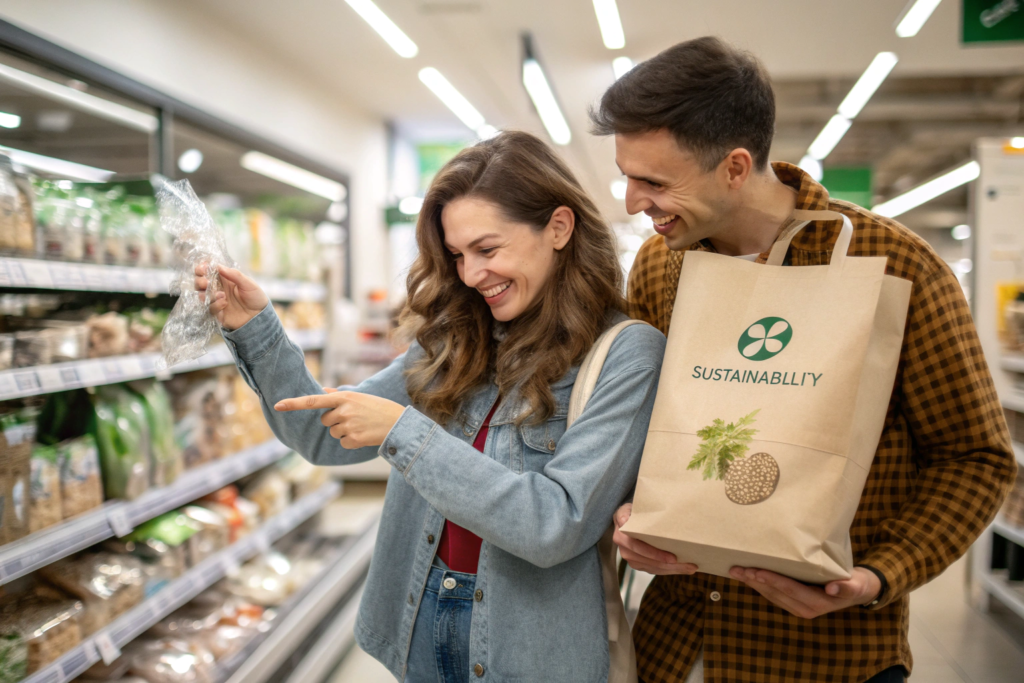
Why does packaging influence a buyer's perception of coffee quality?
This might sound strange. But people link the package to the product inside. Think about it. If you see coffee in a flimsy, thin bag, you assume the beans inside are low quality. If you see coffee in a sturdy, well-designed, eco-friendly bag, you assume the beans are premium. We've tested this with our own clients at BeanofCoffee. Roasters who switched to high-quality compostable bags reported that their customers started perceiving their coffee as "more specialty" and "higher value." It's a psychological connection. The care you put into the package reflects the care you put into the roast. You can read more about consumer perception studies on websites like Packaging Digest, which covers trends in how packaging affects buying decisions.
How does sustainable packaging reduce "greenwashing" accusations?
Nobody wants to be called a greenwasher. It's a brand killer. Greenwashing is when you claim to be sustainable but your actions don't match your words. If you talk about loving the planet on your website but your coffee comes in a non-recyclable plastic bag, customers will notice. And they will call you out on social media. We've seen it happen. Using genuinely eco-friendly packaging—packaging that is certified compostable or made from recycled materials—gives you proof. It backs up your marketing claims. It shows you are walking the walk. This authenticity is gold. It protects your reputation. It builds a shield against criticism. For clear definitions and standards on what counts as truly sustainable, the Sustainable Packaging Coalition offers great resources and guidelines.
Can Eco-Friendly Packaging Actually Increase Your Sales?
Okay, let's talk about money. Because at the end of the day, we all need to run a profitable business. The question I hear most from roasters is, "Will people actually pay more for sustainable packaging?" The short answer is yes. But there's a right way and a wrong way to do it.
The wrong way is to just raise your prices and say "it's for the planet." The right way is to use the packaging as part of your value story. When customers understand why the packaging costs more—because it's compostable, because it's made from plants, because it protects the beans without harming the environment—they are willing to pay. In fact, many will choose your coffee over a cheaper competitor specifically because of the packaging.
So, what does this mean for your sales strategy? It means your packaging becomes a marketing tool. It becomes a reason to buy. It's not just a cost center. It's an investment in attracting the right customers. Let's look at the numbers.
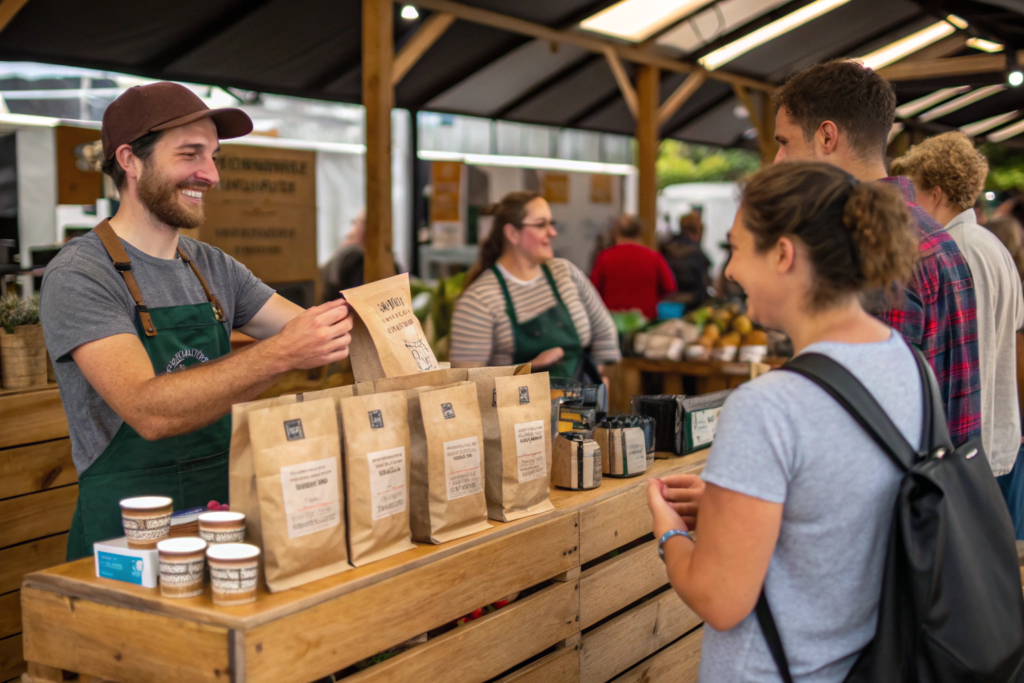
What percentage of customers prefer products in sustainable packaging?
The data is clear and it's moving in one direction. Multiple studies from firms like Nielsen and McKinsey show that over 60% of global consumers are willing to pay more for products with sustainable packaging. Among younger consumers, that number jumps to over 70%. Think about that. Seven out of ten of your potential customers are actively looking for what you're offering if you make the switch. They are not just "okay" with it. They prefer it. They will seek it out. In a crowded market, this preference gives you a massive competitive advantage. When a customer is standing in a shop aisle comparing two bags of coffee, that eco-friendly bag becomes the tie-breaker. Every single time.
How does shelf appeal differ for eco-friendly coffee bags?
Let's talk about the look and feel. Eco-friendly materials often have a different texture. Kraft paper has a natural, artisanal feel. Compostable films can have a matte finish that looks more premium than shiny plastic. This tactile difference matters. People touch the bags. They feel them. A bag that feels natural and substantial signals craftsmanship. It stands out on a shelf full of glossy, plastic-wrapped products. It looks modern and thoughtful. We've had roasters tell us that after switching to our recommended eco-friendly suppliers, their sell-through rate at retail locations increased by 15-20%. The bag simply grabbed more attention. For insights on retail design and shelf appeal, Shopify's blog on retail packaging has some excellent case studies.
What Are the Practical Benefits for Your Coffee Roasting Business?
Beyond the customer-facing benefits, there are real advantages for your daily operations. When I talk to roasters, they often worry that eco-friendly packaging will be harder to work with. More fragile. More expensive. Harder to seal. And yes, some of that was true five or ten years ago. But the technology has changed. Dramatically.
Today's eco-friendly packaging is designed for performance. It seals well on standard equipment. It protects coffee just as well as conventional plastic, if not better. Many options now include high-barrier liners made from plant-based materials that keep oxygen out and freshness in. The practical benefits for your business are real and measurable.
Another way to look at this is through the lens of "future-proofing." Regulations around packaging waste are getting stricter every year. In Europe, for example, new laws are being introduced that ban certain types of single-use plastics. By switching now, you get ahead of these regulations. You avoid a costly, rushed change later. You become a leader, not a follower.
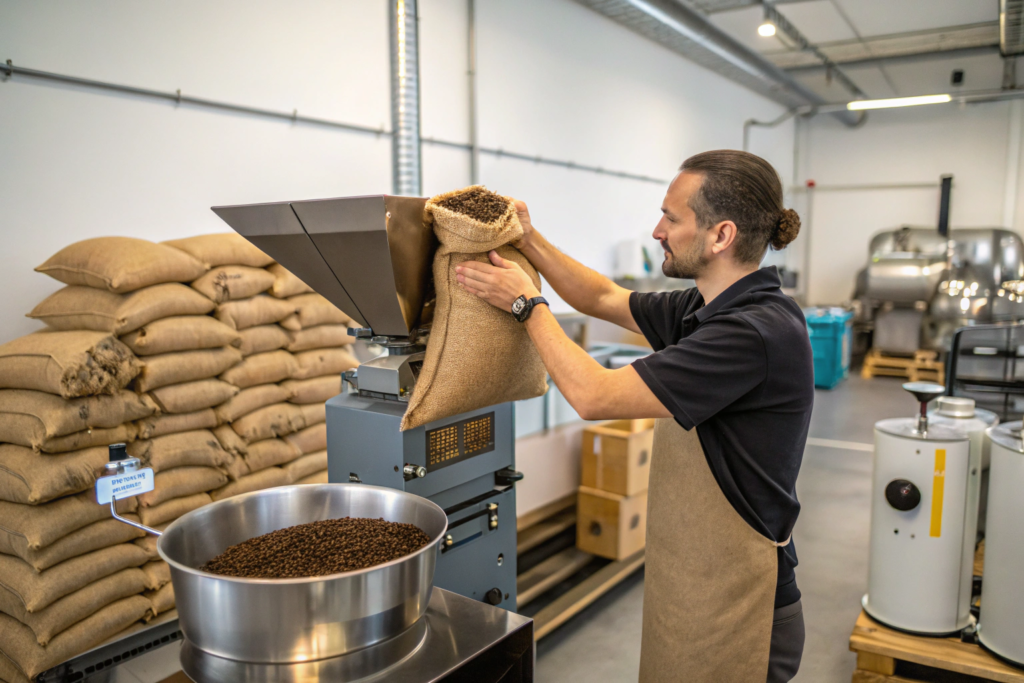
Is eco-friendly packaging durable enough for fresh coffee beans?
This is the number one concern I hear. Coffee needs protection. It needs a one-way valve to let CO2 out without letting oxygen in. It needs to be strong enough to survive shipping. The good news? Modern compostable bags are incredibly durable. They use multi-layer materials that provide the same barrier properties as traditional plastics. The valves are also available in compostable versions. We work with suppliers who have tested these bags extensively. They hold up during shipping from China to the U.S. or Europe. They protect the beans during months of shelf life. You don't have to sacrifice quality for sustainability anymore. The technology has caught up. For technical specifications on compostable coffee bags, websites like BioPak offer detailed product information and certification details.
How does sustainable packaging affect your shipping costs?
This is an interesting one. Eco-friendly materials can sometimes be lighter than traditional rigid packaging. Lighter weight means lower shipping costs. It's a small saving per package, but it adds up over thousands of shipments. Also, some eco-friendly bags are designed to be more flexible and take up less space when stored flat. This saves warehouse space. Every square foot of your roastery is money. If you can store more bags in the same area, that's a win. We've had clients calculate their total cost of ownership—including shipping and storage—and find that the switch to eco-friendly packaging was nearly cost-neutral, or even slightly cheaper, than they expected.
How Does Eco-Friendly Packaging Help the Environment (Really)?
Let's get to the heart of it. The environmental benefit. This is why most of us started thinking about this in the first place. But it's important to be specific. "Saving the planet" is a big, vague idea. What does it actually mean when you choose a compostable bag over a standard plastic one?
First, it means less plastic in landfills. Standard plastic coffee bags are multi-layer materials that are nearly impossible to recycle. They almost always end up in the trash. Then they sit there for hundreds of years. Compostable bags, on the other hand, are designed to break down in a commercial composting facility. They return to the earth as nutrients. Second, many eco-friendly bags use materials derived from plants, not fossil fuels. This reduces the carbon footprint of the packaging itself.
So, what does this mean in practical terms? It means you are part of the solution, not the problem. You are reducing waste. You are lowering your carbon impact. And you are helping to build a circular economy where materials are reused, not thrown away.
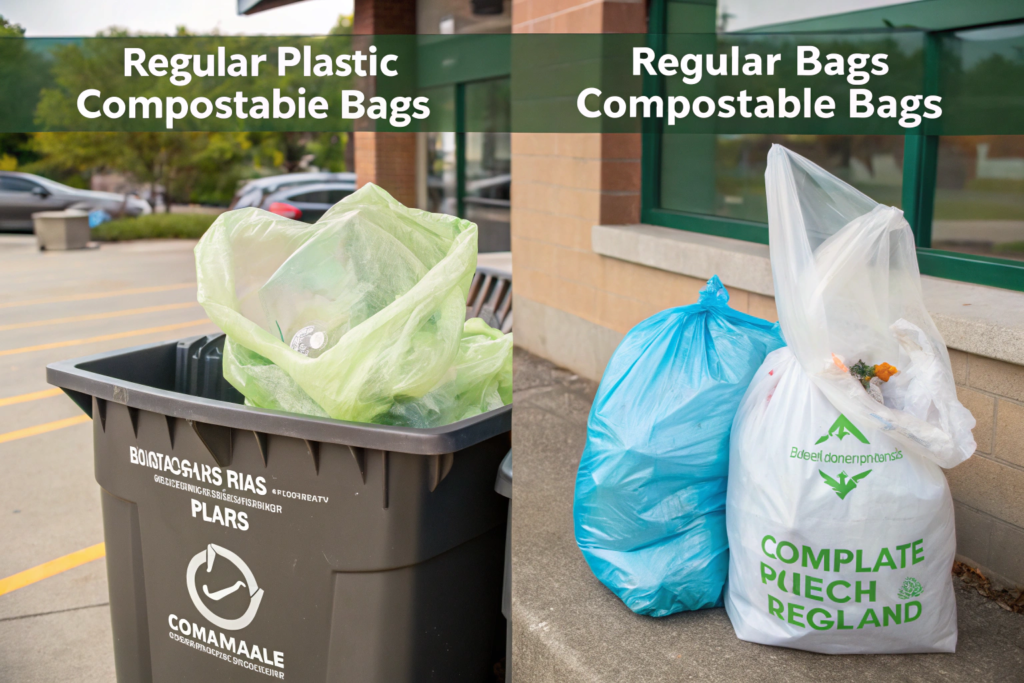
What happens to compostable coffee bags after use?
This is a great question. A lot of people are confused about this. A certified compostable bag is designed to break down under specific conditions. In a commercial composting facility, with the right temperature, moisture, and microbes, the bag will completely decompose within a few months. It turns into compost, which can then be used to grow more plants. Some home-compostable options also exist, though they take longer. The key is the certification. Look for labels like "BPI Certified" in North America or "OK Compost" in Europe. These labels guarantee that the bag will actually biodegrade without leaving toxic residue. We always advise our clients to include clear instructions on their bags about how to compost them. You can learn more about certification standards on the BPI World website.
How does reducing packaging waste fit into the bigger picture of coffee sustainability?
Think about the entire lifecycle of a cup of coffee. The farming has an impact. The roasting has an impact. The brewing has an impact. And the packaging has an impact. They are all connected. If you source sustainable beans—like our Arabica from Yunnan—but put them in non-recyclable plastic, you've only done half the job. A truly sustainable coffee brand looks at the whole picture. They care about the farmer. They care about the roaster. And they care about what happens after the customer brews the last cup. Completing that cycle is powerful. It shows a deep commitment. It shows you understand that sustainability is a system, not a single feature. For a broader view of coffee's environmental impact, the World Coffee Research organization has excellent resources on the entire supply chain.
Conclusion
So, what are the benefits of using eco-friendly packaging for coffee? They are clear. You build deeper trust with your customers. You increase sales and stand out on the shelf. You gain practical advantages in your daily operations. And you make a real, positive impact on the environment. It's not just a nice thing to do. It's a smart business decision for anyone selling into North America, Europe, and Australia today.
If you're ready to explore eco-friendly packaging options for your coffee brand, we can help. At BeanofCoffee, we work with suppliers and can guide you toward solutions that fit your budget and your values. Let's talk about how we can support your journey. Reach out to our export manager, Cathy Cai. She can help you find the right beans and the right packaging partners. Her email is cathy@beanofcoffee.com.