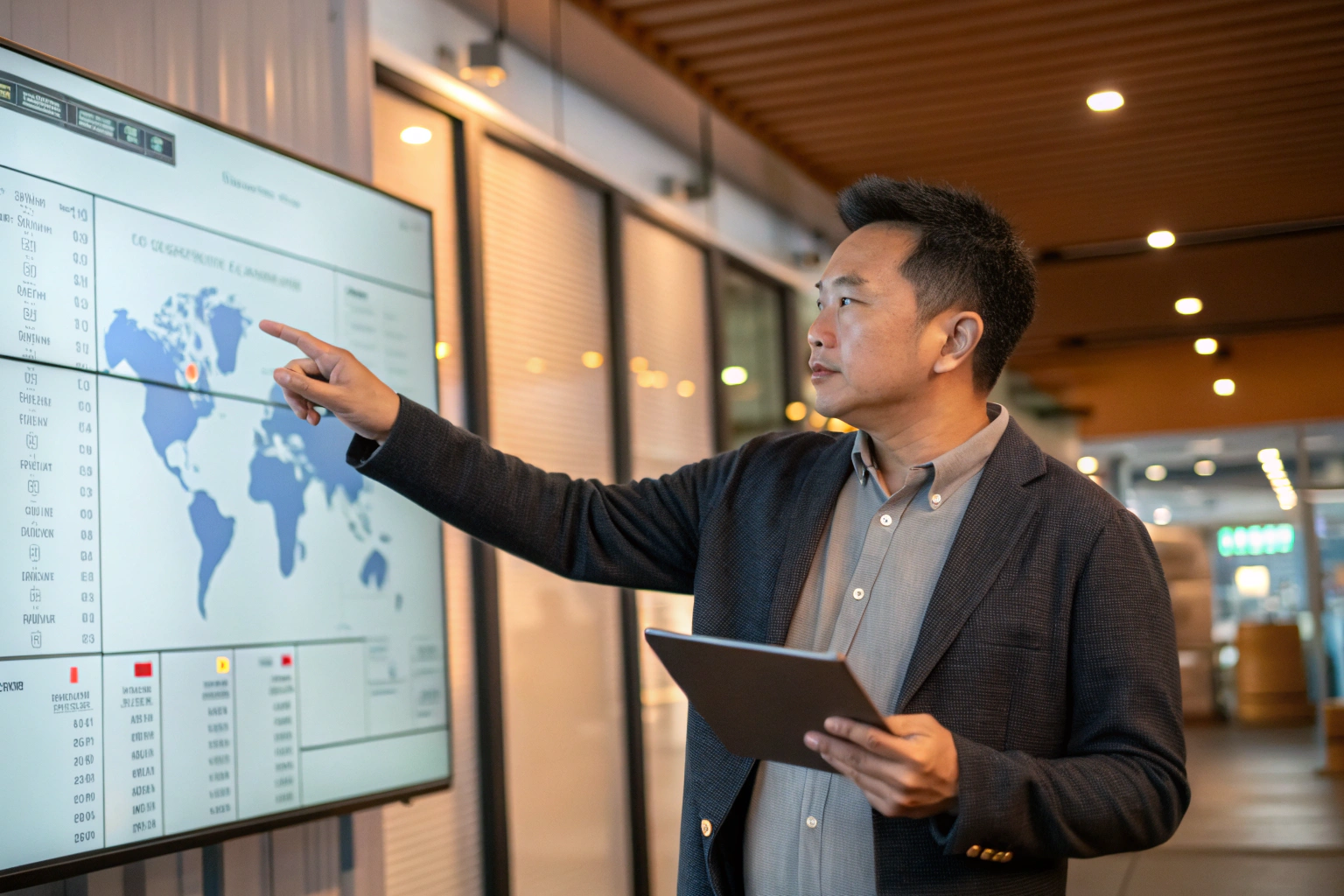
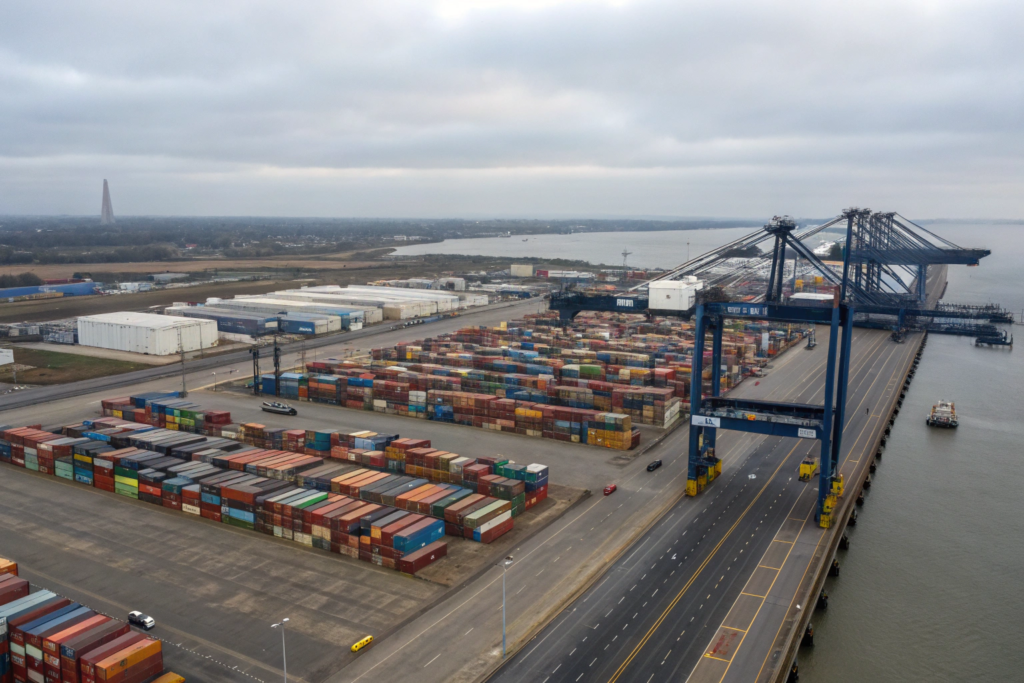
I still remember the call that made my stomach drop. It was early 2024, and a long-time client from Manchester, a distributor who had been buying my Yunnan Arabica for years, rang me up. "Mate," he said, sounding exhausted, "my last container sat at Felixstowe for eleven days. Eleven days of inspection, extra fees, and total silence. What are we going to do about this?" I had no good answer at that moment. I felt a flush of embarrassment. Here I was, the guy who prides himself on reliable, headache-free shipping, and my beans were stuck in a bureaucratic black hole I barely understood. That was my wake-up call about the UK's new Border Target Operating Model. I knew I could not let another client down like that. So, I dug in. I learned the system inside out. And now I want to share what I know so you do not feel that same panic.
Successfully navigating the UK Border Target Operating Model for coffee imports demands that suppliers pre-submit precise Sanitary and Phytosanitary data through the new IPAFFS system, correctly categorize their coffee under the BTOM risk framework, and align their logistics with the phased inspection timelines to avoid costly port delays.
This new model, which the UK government rolled out in phases, changes everything about how agricultural goods like green coffee enter the country. Before BTOM, the flow felt relatively straightforward. Now, it is a layered process of digital declarations, risk-based inspections, and tight timing. If you are a coffee buyer in the UK, or an exporter like me shipping to the UK, you cannot wing this. You need a clear, step-by-step mental map. In this article, I will walk you through the core structure of BTOM, explain why green coffee sits in a specific risk lane, how to handle the digital paperwork without errors, and what practical steps I have taken on our 10,000-acre farm in Baoshan to make sure every bag we ship lands in the UK smoothly and on time.
What Exactly Is the UK Border Target Operating Model and Why Does It Affect Coffee?
Many coffee traders I talk to still do not fully grasp what BTOM actually replaces or why it landed on their desks. The easiest way to think about it is this: after Brexit, the UK needed its own border rulebook, separate from the EU's. For decades, goods flowed into the UK under EU regulations. When that ended, the UK phased in its own system, and BTOM is the final, comprehensive version. It is not a suggestion. It is the law governing how plants, plant products, and food enter the UK from non-EU countries like China. Coffee, being a plant product, is squarely in its sights.
The UK Border Target Operating Model is a post-Brexit regulatory framework that categorizes all plant and animal imports by biosecurity risk, and it directly affects coffee by imposing new pre-notification requirements, health certification rules, and potential physical inspections that did not exist for UK imports before 2024.
So, what does this mean for a shipment of Catimor or Arabica from Yunnan? It means the old days of just sending a commercial invoice and a bill of lading are gone. Now, the UK authorities want to know, before the vessel even leaves Shanghai, the exact botanical origin of the beans, the country of harvest, and the processing method. The goal from the UK side is biosecurity—stopping pests and diseases. But for us in the coffee trade, it adds a layer of paperwork that, if done wrong, triggers inspection fees and delays that eat profit margins alive. The good news is that the system is logical once you break it down. BTOM creates different risk categories—high, medium, and low—and where coffee falls determines exactly what you need to do.
How does BTOM categorize green coffee beans and what is the risk level?
Under BTOM, green coffee beans, meaning raw, unroasted beans that are destined for further processing like roasting, are classified based on their commodity code and their country of origin. The UK government uses a risk-based approach. For a product like green coffee coming from China, the current categorization generally places it in the "medium risk" category for plant products. This is key. Medium risk does not mean your container automatically gets stopped and inspected, but it does mean you must meet a specific set of paperwork requirements.
You need to submit a pre-notification on a system called IPAFFS, which stands for Import of Products, Animals, Food and Feed System. You also potentially need a phytosanitary certificate. The risk level is determined by the scientific assessment of pest likelihood associated with the specific commodity and origin. China-origin coffee is not seen as extremely high-risk like some fresh fruits might be, but it is also not exempt. The critical point is that "medium risk" status is the trigger for the new procedures. When I prepare a shipment of our Baoshan Arabica, I now ensure the phytosanitary certificate explicitly states "Coffea arabica, dried green beans, not roasted, for further processing." That specific wording aligns perfectly with the BTOM commodity descriptions and reduces the chance of an inspector misclassifying the shipment.
What are the key phased dates that importers and exporters must remember?
The BTOM rollout was not a single day of chaos; it was a phased approach, which actually helped us adapt. The first major date was January 31, 2024. This was when health certification requirements began for medium-risk plant products from non-EU countries, including China. So, from that date onward, sending coffee to the UK without a phytosanitary certificate became impossible. I had to scramble in late 2023 to make sure our local plant protection office could issue certificates in the exact format the UK requires.
The next critical milestone was April 30, 2024. This is when physical documentary and identity checks began at UK border control posts for medium-risk goods. Before this, the paperwork was checked, but the physical container was less likely to be opened. After April 30, the chances of a physical inspection increased. And then, October 21, 2024, marked the point where safety and security declarations for EU imports came into effect, but for us non-EU exporters, that requirement was already in place. For a Chinese coffee exporter, the January and April 2024 dates represent the two biggest shifts. I keep a small printed timeline pinned next to my desk in Baoshan just to remind my shipping team that every container heading to a UK buyer must pass through these chronological gates. Missing a date or being unprepared for the inspection phase is one of the fastest ways to rack up demurrage charges at port, something I explain in detail to all our wholesale clients.
What Phytosanitary Paperwork Does Chinese Coffee Need Under the New UK Rules?
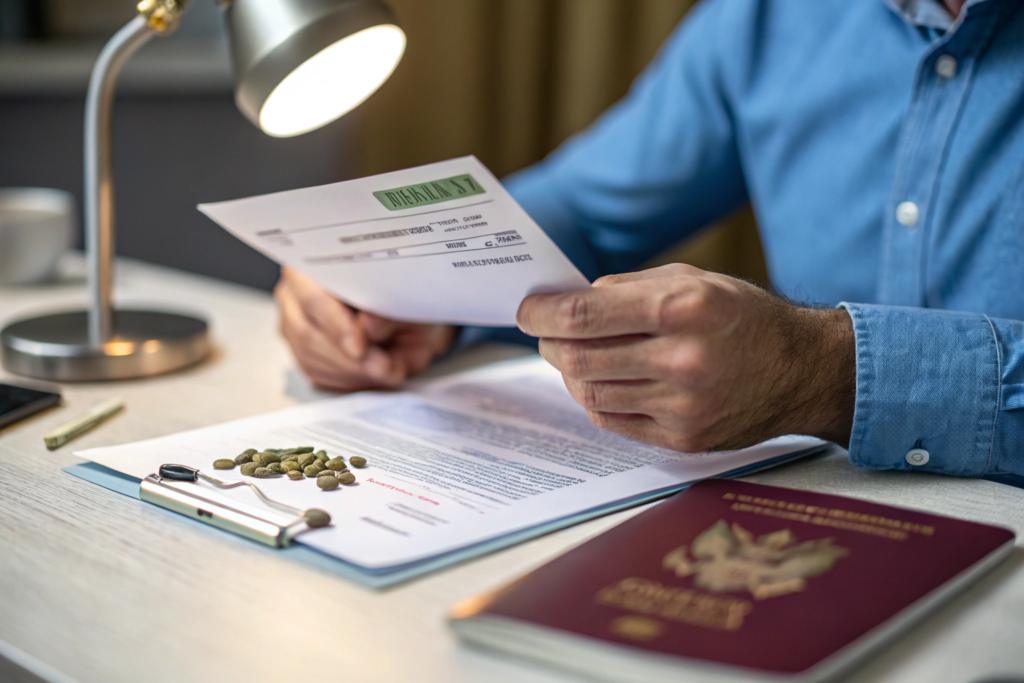
Paperwork is the part of the job that nobody likes to talk about, but honestly, it is what separates a professional exporter from a cowboy operator. When the new UK rules landed, I called a meeting with my logistics coordinator and we went through the official UK plant health portal page by page. I will not lie—it was dry, dense reading. But buried in those documents were the exact specifications that would keep our beans moving. The core document you need is a phytosanitary certificate, or PC, issued by the national plant protection organization of the exporting country. For me, that means the Entry-Exit Inspection and Quarantine Bureau here in China.
Under BTOM, every shipment of Chinese green coffee to the UK must be accompanied by a valid phytosanitary certificate that includes a specific additional declaration confirming the beans are free from quarantine pests, processed in a way that minimizes pest risk, and destined for further industrial processing.
The additional declaration is the part that trips up a lot of first-time shippers. It is not enough to have a generic PC that just says "green coffee beans." The UK authorities expect a sentence in the "Additional Declarations" box that specifically states something like, "The consignment consists of dried green coffee beans for industrial processing, processed and handled under conditions that minimize the risk of pest contamination." This extra line, which might seem like bureaucratic nitpicking, is actually your insurance policy against a physical inspection. When the UK border officer sees that full declaration on the IPAFFS-linked certificate, the risk score for that specific consignment drops. I have seen our own clearance times improve noticeably after we standardized this wording across all UK-bound shipments.
What specific additional declaration statement is required on the phytosanitary certificate?
This is the kind of detail that can make or break a shipment's weekend at the port. The UK Department for Environment, Food and Rural Affairs, which everyone calls DEFRA, provides guidance on the exact wording needed. For green coffee beans imported from China, the additional declaration must typically cover two points: the processing status and the pest-free status. The processing status indicates the beans are dried and will be heat-treated during roasting, which eliminates live pest risk at the destination. The pest-free status confirms the consignment was inspected according to international standards and found free from regulated pests.
When I request a PC from the local bureau, I provide them with a bilingual template that includes the exact English text I need. This avoids confusion. The typical statement we use is: "The consignment of green coffee beans has been dried to a moisture content below 12.5% and inspected and found free from quarantine pests of concern to the United Kingdom." I also ensure the PC's "place of origin" field correctly identifies Yunnan Province, China, because traceability is a growing concern for UK customs. Having this statement perfected meant that when the April 2024 physical check phase kicked in, our shipment documentation was already bulletproof, preempting any doubt from a border inspector scanning through hundreds of consignments a day.
How do we correctly submit a pre-notification through the IPAFFS system?
IPAFFS is the digital nerve center of the whole BTOM process. If you cannot use this system, you cannot export to the UK. Simple as that. My team and I created a step-by-step internal guide for this. First, you must register as a professional user on the UK government's IPAFFS portal. Then, for each consignment, you create a new notification by selecting the correct commodity code from the IPAFFS taxonomy—for us, that is usually under the code for "Coffee, not roasted, not decaffeinated." You then upload a scanned copy of the phytosanitary certificate before the goods arrive at the UK border.
The timing is critical. The UK government expects the pre-notification to be submitted at least one working day before the vessel arrives at port for maritime shipments. But I do not wait that long. As soon as our container is sealed and the vessel departs Shanghai, I submit the IPAFFS notification. This gives the UK authorities maximum time to review the submission and flag any issues while the ship is still on the water. Another subtle but important point: the IPAFFS reference number you receive upon successful submission must be added to your shipping documents and provided to your UK customs broker. Without that reference number, the consignment cannot complete its customs entry. I email that number to my buyer and their broker immediately. Shanghai Fumao has built its entire UK logistics workflow around this digital handshake, ensuring that nothing arrives in port without the right code attached.
How Can Roasters Minimize Inspection Fees and Delays at UK Border Control Posts?
Inspection fees are the monster under the bed for coffee importers. I know this because my Manchester client literally broke down the costs for me on a spreadsheet after his terrible experience. His 20-foot container was pulled for a physical inspection at the border control post. The inspection itself cost several hundred pounds. But the real damage came from the port storage fees, known as demurrage, and the truck waiting time while his beans sat in a customs-bonded area. The total bill was close to £2,000, just for one container. That incident reshaped how I think about export preparation. I now operate on the principle that every bag I ship must be so clean, so well-documented, and so predictable that the UK inspector takes one look and waves it through.
Minimizing BTOM inspection fees requires exporters to provide an impeccably accurate pre-notification, ensure the phytosanitary certificate exactly matches the shipping manifest in weight and count, and physically prepare the container to exceed pest-free standards, thereby reducing the risk score that triggers costly physical checks.
The UK operates under a risk engine that scores every consignment entering the country. Your goal is to make that score as low as possible. You lower the score through a history of compliance, accurate data, and complete paperwork. Every time one of my shipments passes through without a physical inspection, our compliance score for future shipments improves. It is like a credit rating, but for customs. I tell my team to treat every single shipment as an opportunity to build that rating. A missed detail might not cause a rejection, but it might shift your profile just enough to trigger an inspection on the next shipment, and that is an invisible cost trap that can sour a buyer relationship quickly.
Which practical container preparation steps reduce physical inspection triggers?
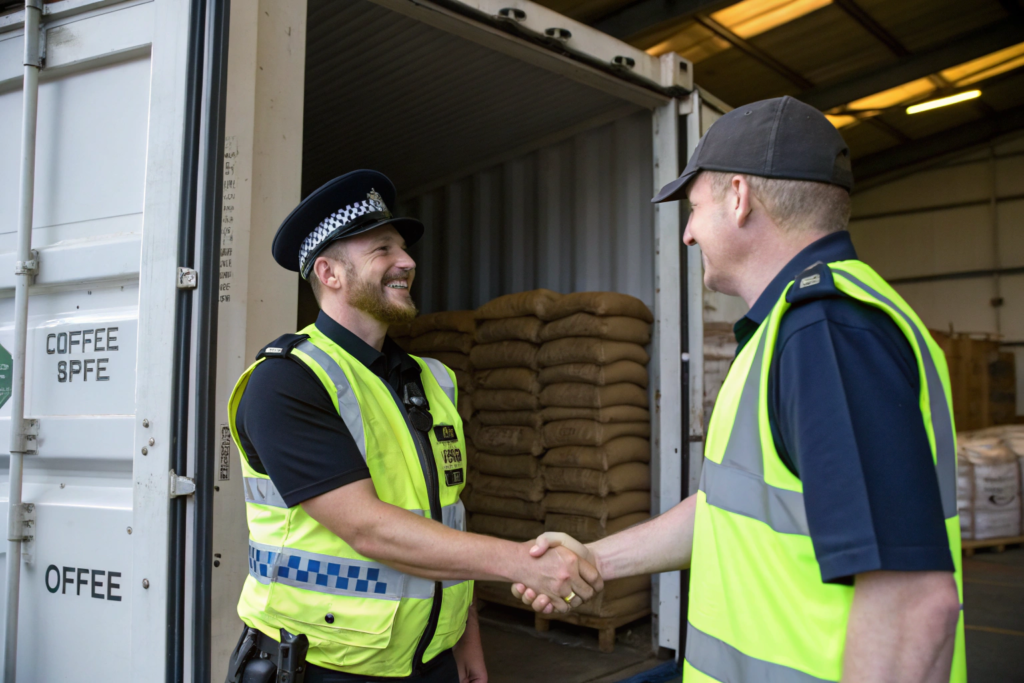
Let me get very practical here. When we load a container for the UK, we do things differently than for other destinations. First, we use only brand new, food-grade GrainPro bags inside new jute sacks. No recycled bags, ever. Used bags can carry invisible insect eggs or soil particles that a UK inspector will spot immediately. Second, we line the container floor with kraft paper and place insect monitoring traps inside. If a trap catches anything, we can prove it happened in transit, not on our farm. Third, we document the container's internal condition with timestamped photos before loading. If the shipping line provides a container with a hole in the door seal, we reject it and request another one.
Another step: we fumigate the container with an approved CO2 treatment right before sealing. This is not a pesticide drench; it is a controlled atmosphere treatment that suffocates any potential pest without leaving chemical residues on the beans. The fumigation certificate goes into the document pack. These steps might seem excessive, but they directly address the biosecurity fear that drives BTOM inspections in the first place. When I talk to UK buyers who ask why they should trust a Chinese supplier with their BTOM compliance, I walk them through this container preparation protocol step by step. It reassures them that we have thought about the problem from their side of the dock.
How can a customs broker specialized in food imports save time and money?
I used to think any customs broker could handle coffee clearance. I was wrong. A broker who mostly clears electronics or textiles will not know the nuances of a CHED-PP document, which is the Common Health Entry Document for Plant Products generated by IPAFFS. A specialized food and drink import broker understands the BTOM flow instinctively. They know which border control post at Felixstowe or London Gateway processes plant products fastest, and they can lodge your entry in a way that minimizes the chance of misrouting.
I have worked with a small London-based brokerage that specializes in specialty food imports, and the difference is night and day compared to a generalist. Their agent actually called me once while our container was still off the coast of Southampton to confirm a detail on the phytosanitary certificate. That proactive call prevented a documentation hold because there was a minor spelling discrepancy between the PC and the IPAFFS submission. The broker corrected it before the vessel docked. If that had been flagged by the inspector, the container would have been set aside for manual review, costing time and money. For UK importers, I highly recommend finding a broker who has experience specifically with plant product clearances under BTOM. The customs broker acts as your advocate at the border, and having one who knows the coffee commodity inside out is worth every penny of their fee.
What Long-Term Advantages Does BTOM Readiness Offer for Coffee Supply Chains?
At first, I viewed BTOM purely as a hassle—a new set of hurdles I had to jump over just to keep my existing UK business alive. But several months into working within the system, my perspective has shifted. Now I see BTOM readiness as a genuine competitive moat. Many exporters from other origins struggled to adapt to the UK's new requirements. Some smaller producers found the IPAFFS registration process confusing or the additional declaration requirements too technically demanding. They either dropped out of the UK market temporarily or their shipments kept getting delayed. That created an opening for exporters like us, who had done the homework, to strengthen our relationships with British roasters.
Being fully BTOM-compliant transforms a coffee supplier from a replaceable vendor into a strategic UK supply chain partner, offering roasters the confidence of predictable lead times, reduced border friction, and a supply source that actively reduces their own regulatory and financial risks.
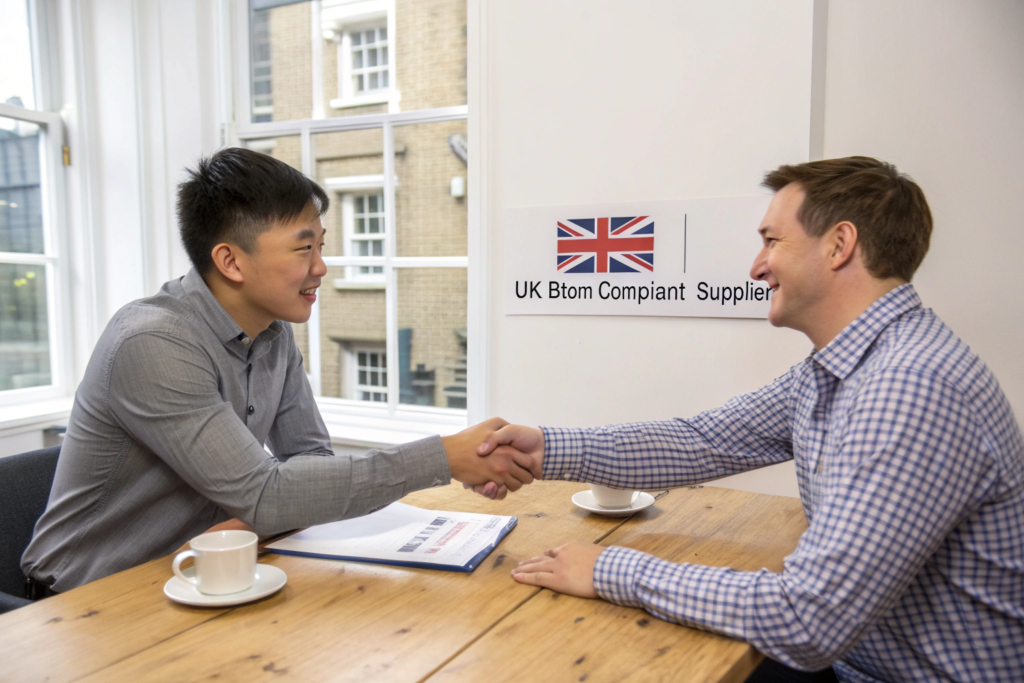
When a UK roaster knows your shipments clear customs consistently, your container becomes the one they can schedule their production around without buffer stock anxiety. That reliability is worth more than a slight price advantage from a less-prepared competitor. I am seeing this play out now. The Manchester client who called me in a panic in early 2024 recently signed a two-year exclusive supply agreement with us. Not because our beans were the cheapest—they are not—but because our BTOM performance record was flawless. His operations director told me plainly, "We cannot afford supply chain surprises anymore. Your compliance history gives us a forecasting certainty we cannot get elsewhere." That is the long-term win hidden inside the BTOM challenge.
How does BTOM compliance strengthen relationships with British roasters specifically?
The relationship shift is real and measurable. Before BTOM, the conversation with a UK roaster was heavily centered on cup profile and price per kilogram. Those are still important, absolutely. But now, there is a third pillar: regulatory reliability. Every time I send a shipment that clears customs in 48 hours instead of sitting for a week, I am banking trust. The roaster's production calendar depends on my arrival date being accurate. If I say the beans will be ready for roasting on a Monday, and they are stuck at port until Thursday, the roaster has three days of idle capacity that cost them money.
With BTOM compliance baked into our workflow, I can give our British customers a delivery window that is genuinely predictable. I also started sending them a "customs clearance forecast" three days before the vessel arrives, updating them on the IPAFFS status and any communication from the broker. This level of proactive transparency deepens the relationship because it removes their anxiety. They start seeing Shanghai Fumao not just as a bean seller, but as an integral part of their operational planning. It also opens the door to discussing larger volume commitments, because predictability at scale is every operations manager's dream. A detail I notice: British buyers tend to be more formal about supplier audits and performance reviews, and having a strong BTOM compliance record makes these audit conversations smooth and positive.
Can early BTOM adoption attract new buyers who are frustrated with other origins?
Yes, and I am already seeing this happen. I get inquiries through our website and LinkedIn from UK roasters who have been burned by delays with other origins. Some of these buyers used to source exclusively from East Africa or South America. But post-Brexit, the UK's inspection regime is applied differently based on origin risk profiles. Some origins face higher physical inspection rates, which causes unpredictable delays. When those buyers explore alternatives, they discover that a well-prepared Chinese exporter can offer surprisingly fast transit times—Yunnan to Shanghai to Felixstowe can be competitive with some traditional routes—plus a clean BTOM compliance record.
I recently onboarded a new client, a specialty roaster in Bristol, who switched from a Kenyan supplier specifically because their Kenyan shipments were getting flagged for inspection repeatedly, not due to any fault of that supplier, but because of the pest risk profile associated with that origin. The buyer was frustrated with the unpredictability. He found us, asked detailed questions about our BTOM processes, and after reviewing our documentation samples, placed a trial order. The container cleared customs without a hitch. Now he is planning quarterly shipments. This kind of buyer movement is a signal that regulatory readiness is becoming a genuine competitive differentiator in the UK market. Early adopters of a solid BTOM compliance system are, right now, capturing business from competitors who are still treating these rules as optional or secondary.
Conclusion
The UK Border Target Operating Model is not going anywhere. It is the new reality for every coffee importer and exporter trading with Britain, and navigating it well requires a combination of accurate paperwork, meticulous container preparation, and a deep understanding of the digital IPAFFS system. We have covered the risk categorizations that place green coffee in the medium risk lane, the specific additional declarations needed on phytosanitary certificates, the practical steps on the ground to minimize physical inspection triggers, and the strategic advantage that BTOM readiness offers in a competitive market where reliable delivery is as valuable as cup quality.
The core insight I want to leave you with is this: BTOM compliance, when done correctly, stops being a cost and starts being an asset. It is a promise of predictability that British roasters desperately need. By mastering this system now, you insulate your supply chain from future regulatory shocks and build a reputation as the supplier who never causes a customs headache.
If you are a UK roaster or distributor looking for a coffee partner who has already navigated the BTOM learning curve and can offer stable, documented, and compliant shipments of premium Yunnan Arabica, I welcome you to reach out to us. Our export team at BeanofCoffee, led by Cathy Cai, is prepared to share our full UK-specific documentation package, phytosanitary certificate templates, and a detailed customs clearance timeline for your port. Contact Cathy directly at cathy@beanofcoffee.com. Let us make sure your next container arrives on time, without surprises, and ready to roast.