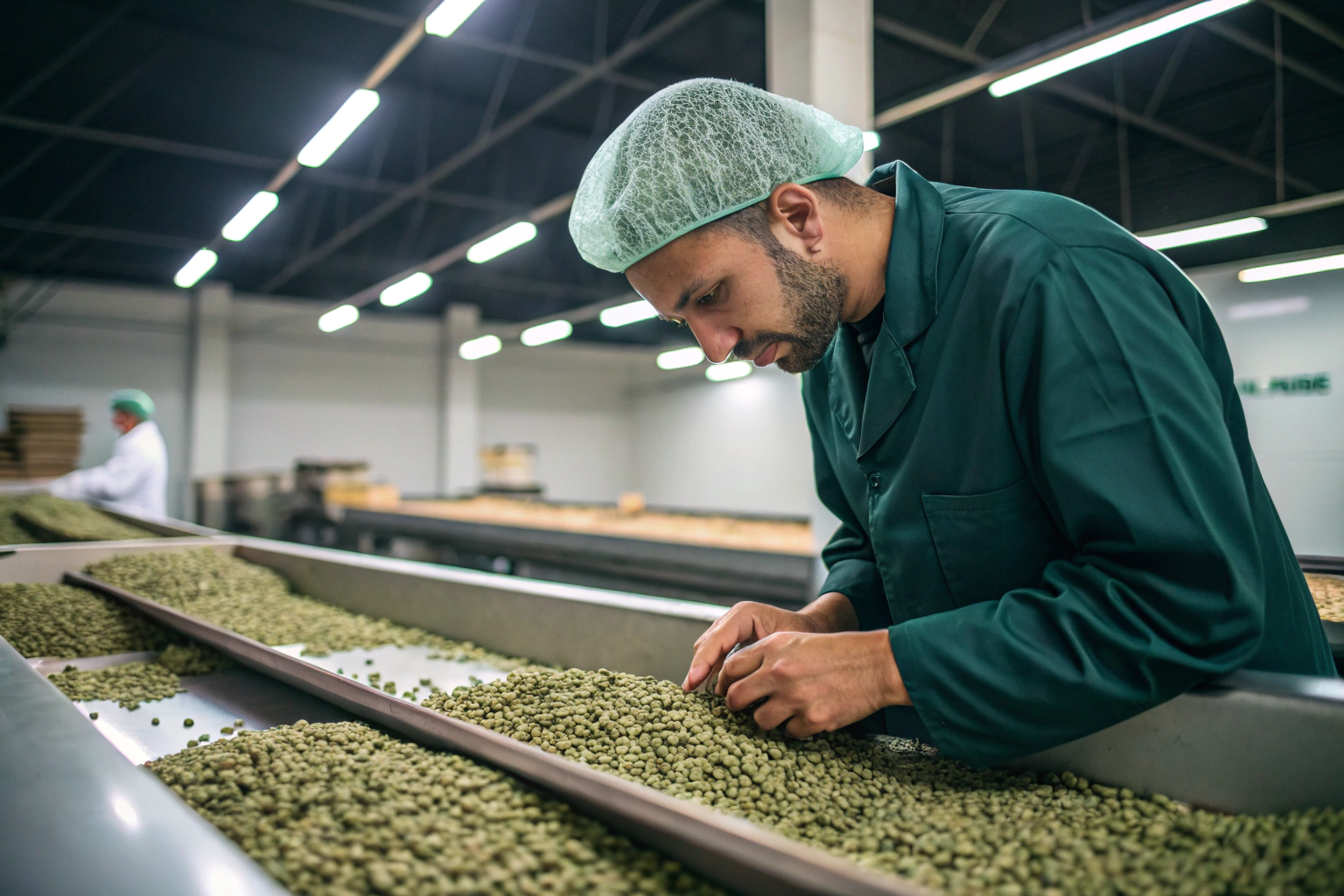
I learned this lesson the hard way. Early in my career, we shipped a container to a buyer in Europe. Good coffee. Good price. Then we got an angry email. A customer had found a small stone in their bag. Not a big stone. Tiny. But big enough to break a grinder. The buyer was embarrassed. I was humiliated. We paid for the grinder repair and lost that customer.
So, how do you remove stones and impurities from coffee beans? The short answer is this: you need multiple systems working together. Hand sorting, machines, density separation, color sorting. No single method catches everything. But together, they get close. You can read about cleaning equipment on Coffee Tech or check quality standards on Specialty Coffee Association.
Let me walk you through what we do on our farms. The machines we use. The steps we take. And how we make sure your coffee arrives clean and safe.
Why Do Stones and Impurities Get into Coffee?
First, you need to understand how impurities get there. It is not because farmers are careless. It is because coffee grows outside. In dirt. Near trees. Around rocks.
When we harvest, whether by hand or machine, things get mixed in. Small stones from the ground. Twigs from the trees. Leaves. Dirt clumps. Even bits of metal from equipment sometimes. That is just reality. The goal is not to have zero impurities at harvest. That is impossible. The goal is to remove them all before packing.
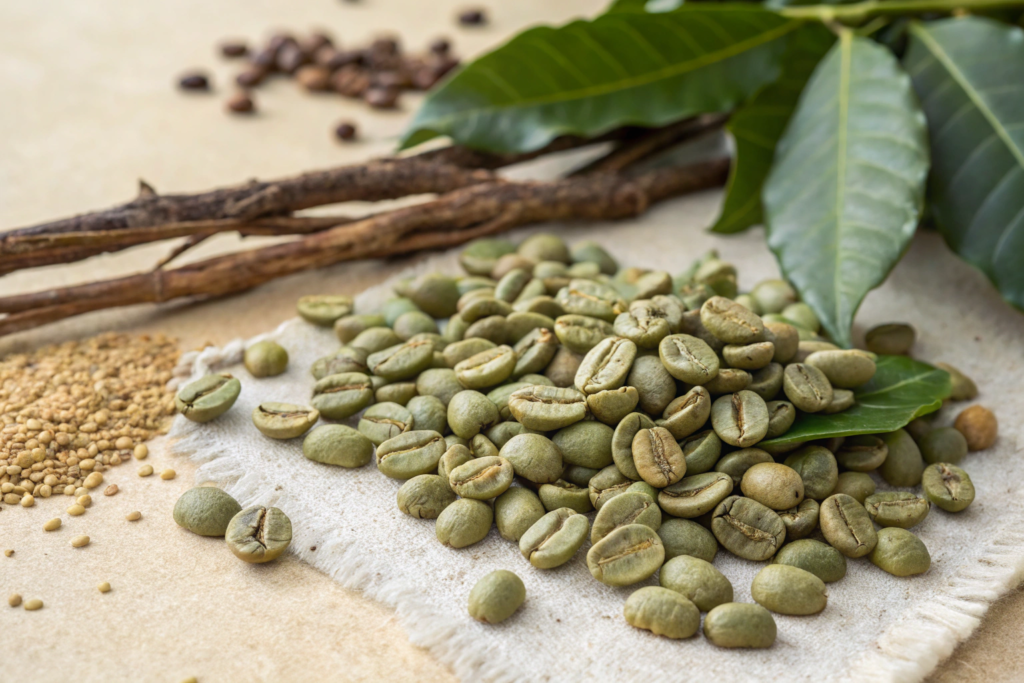
What are the most common impurities in green coffee?
Stones are the worst. They break equipment. They ruin grinders. Customers hate them.
Twigs and sticks are common. They come from the trees during harvest. Leaves too. Then there are dirt clods. They look like beans sometimes. Hard to spot. Metal fragments are rare but dangerous. They come from machinery wear. We check for everything.
Can impurities be completely eliminated?
Completely? Probably not. But we get close. Our goal is zero visible impurities in the final bag. And we test regularly. If we find anything, we adjust the process.
The specialty coffee standard is strict. Maximum 1 defect per 300 grams for specialty grade. That includes stones. So we have to be obsessive. Our partners at Shanghai Fumao help us audit our processes and meet international standards.
What Machines Are Used to Remove Stones and Impurities?
We use a series of machines. Each does one job. Together, they clean the coffee.
First, air screens. These blow light stuff away. Leaves, dust, chaff. The heavy beans fall through. The light trash goes to waste. Then, density separators. These use vibration and air. Heavy things like stones go one way. Lighter beans go another. It separates by weight. Then, color sorters. These use cameras and air jets. They see a dark stone or a discolored bean and blast it out. Fast. Accurate.
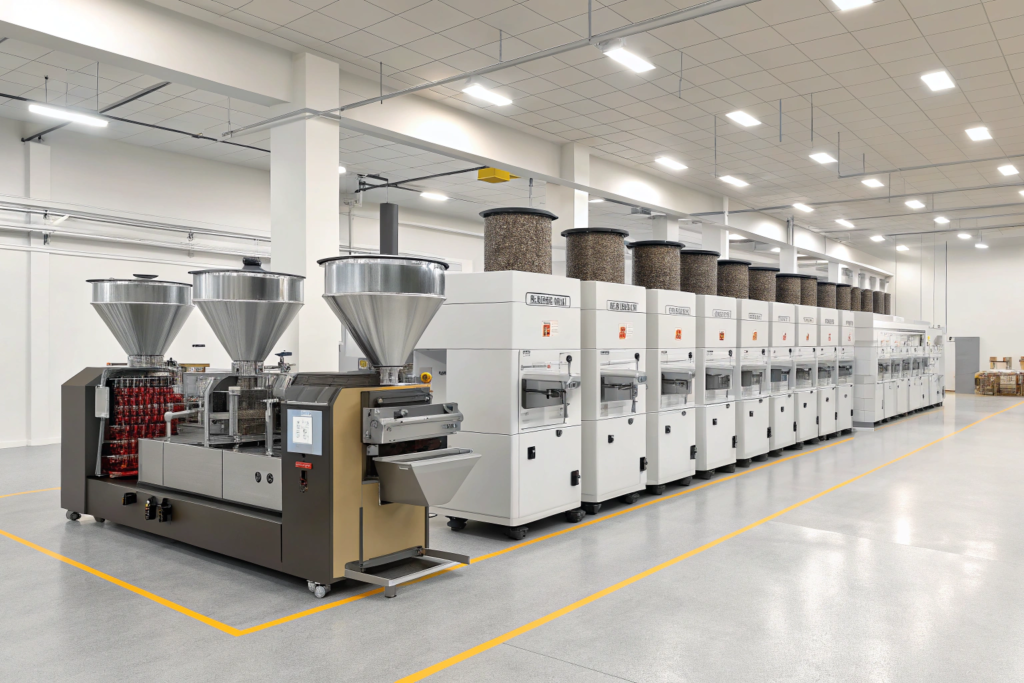
How does a density separator work for coffee?
Brilliantly. Coffee beans have a certain density. Stones are denser. When you vibrate a table with air flowing through, the lighter beans float to the top. They move down the table. The heavier stones sink. They go a different direction.
We run every batch through density separation at least twice. First at the mill, again before export. That catches most stones. Not all, but most.
What is a color sorter and how does it help?
A color sorter is like having a thousand eyes. Cameras look at every bean as it falls. If they see a color that does not match, they fire a puff of air. That bean is blown out of the stream.
Modern sorters can see in multiple wavelengths. They detect stones that look like beans. They detect insect damage. They detect mold. It is amazing technology. We use them on all our specialty lots.
How Does Hand Sorting Complement Machines?
Machines are fast. But they are not perfect. Sometimes a stone is the same color as a bean. Sometimes a machine misses something.
That is where hand sorting comes in. People on a table, picking through the coffee. They catch what the machines miss. They see things machines cannot. It is slow. It is expensive. But it is essential for the highest quality.
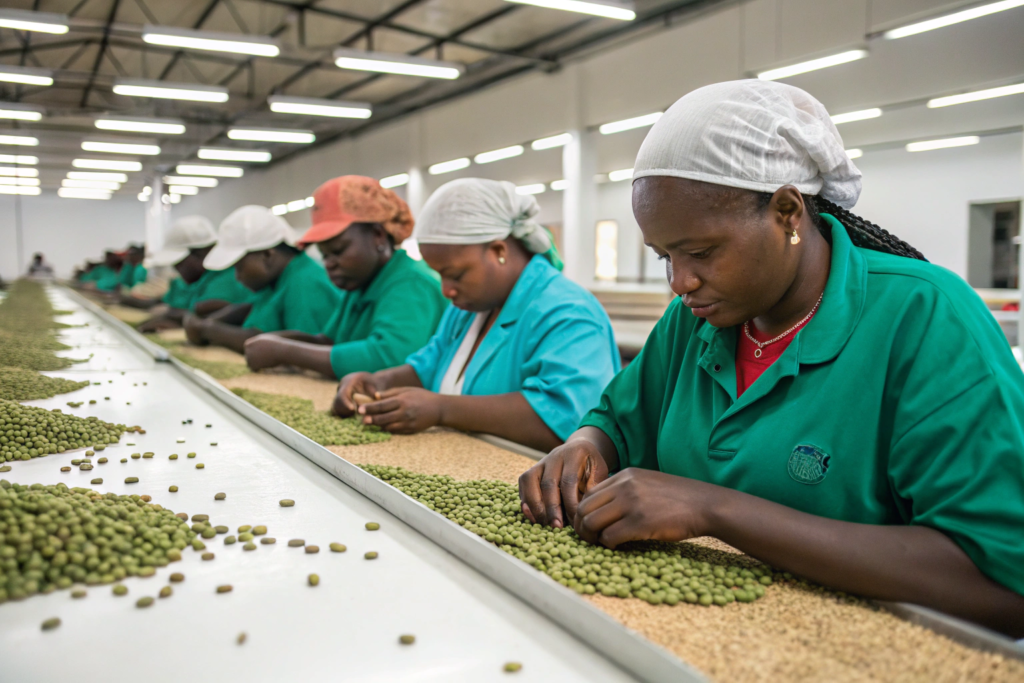
Why is hand sorting still necessary with modern machines?
Because the human eye and brain are incredible. A good sorter spots a discolored bean instantly. They see a tiny stone. They feel a hard piece of clay. Machines are getting better, but people still win on subtle defects.
We use hand sorting for all our specialty lots. After the machines, before bagging. A team of experienced sorters goes through every batch. They remove anything that should not be there. It adds cost, but it adds quality too.
How do you train hand sorters to spot impurities?
It takes time. New sorters start with easy batches. They learn what good beans look like. Then they learn defects. Stones. Twigs. Broken beans. Insect damage.
We have reference samples. "This is a stone. This is a bean." Sorters compare. They practice. After a few weeks, they get fast. After months, they are experts. Our best sorters have been with us for years. They catch things I would miss.
What Quality Control Steps Happen After Sorting?
Sorting is not the end. We test after sorting. To make sure it worked.
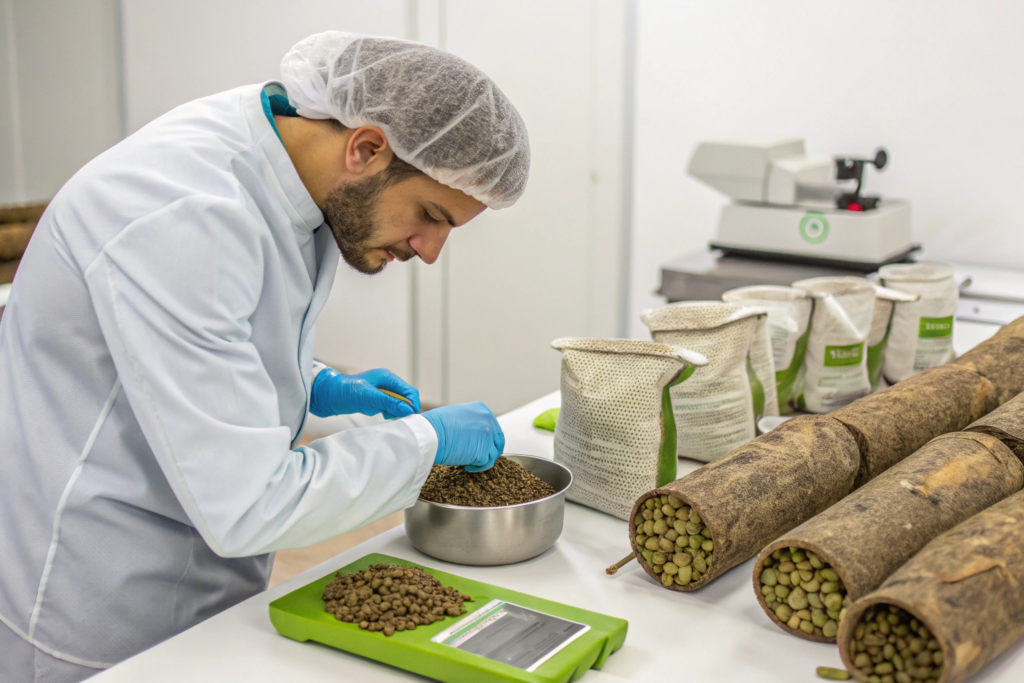
We take samples from every batch. We spread them on a white table. We look for impurities. If we find any, the whole batch goes back for re-sorting. No exceptions.
How do you test for impurities in finished coffee?
The standard method is simple. Take a 300-gram sample. Spread it out. Pick through it. Count any defects. Stones, sticks, broken beans, discolored beans. If the count is too high, the batch fails.
For specialty grade, we allow almost nothing. One stone in a 300-gram sample means we failed. We re-sort the whole lot. It is strict, but that is what buyers expect.
What happens if impurities are found after packing?
If we find something in our final check, we stop. We do not ship. We re-sort the entire batch. That costs time and money, but it is better than a customer finding a stone.
If a customer finds something after shipment, we apologize. We investigate. We fix it. Replacement, credit, whatever it takes. But we prefer to catch it here. That is why we check and check again.
How Do You Prevent Stones from Entering in the First Place?
The best way to remove stones is to never pick them up in the first place.
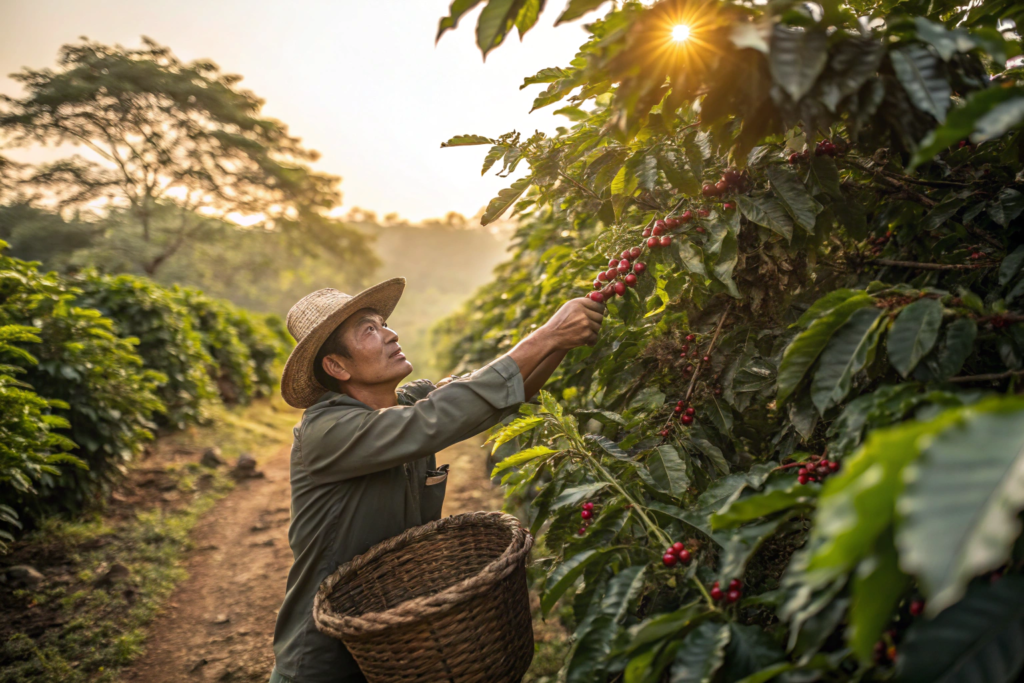
We work on prevention. On the farm, we keep the ground clean. We remove rocks from around the trees. We use ground covers that prevent soil from clumping. We train pickers to be careful. If they see a stone, they leave it.
What farm practices reduce stones at harvest?
Clean ground is the start. We also use raised screens during drying. Coffee dries on tables, not on the ground. That stops stones and dirt from mixing in.
For mechanical harvesting, we adjust the machines. They pick up less debris when set right. And we clean the harvest area before the machines run. Every little bit helps.
Can processing methods affect impurity levels?
Yes. Wet processing helps. The beans are washed in water. Stones sink. Beans float. That separates many stones early.
Dry processing is riskier. The beans dry with the cherry still on. More chance for debris to get mixed in. That is why dry-processed coffees need more sorting later. We adjust our process based on the method.
Conclusion
Removing stones and impurities from coffee is not glamorous. But it is essential. One stone in a bag can break a grinder. One bad experience can lose a customer forever.
At BeanofCoffee, we take this seriously. We use machines. We use hand sorters. We test and test again. We train our people. We keep our farms clean. We do everything we can to make sure your coffee arrives clean and safe.
If you want coffee that is free from stones and impurities, reach out to us. Let us show you our process. Let us send you samples. Contact our export manager, Cathy Cai, at cathy@beanofcoffee.com.