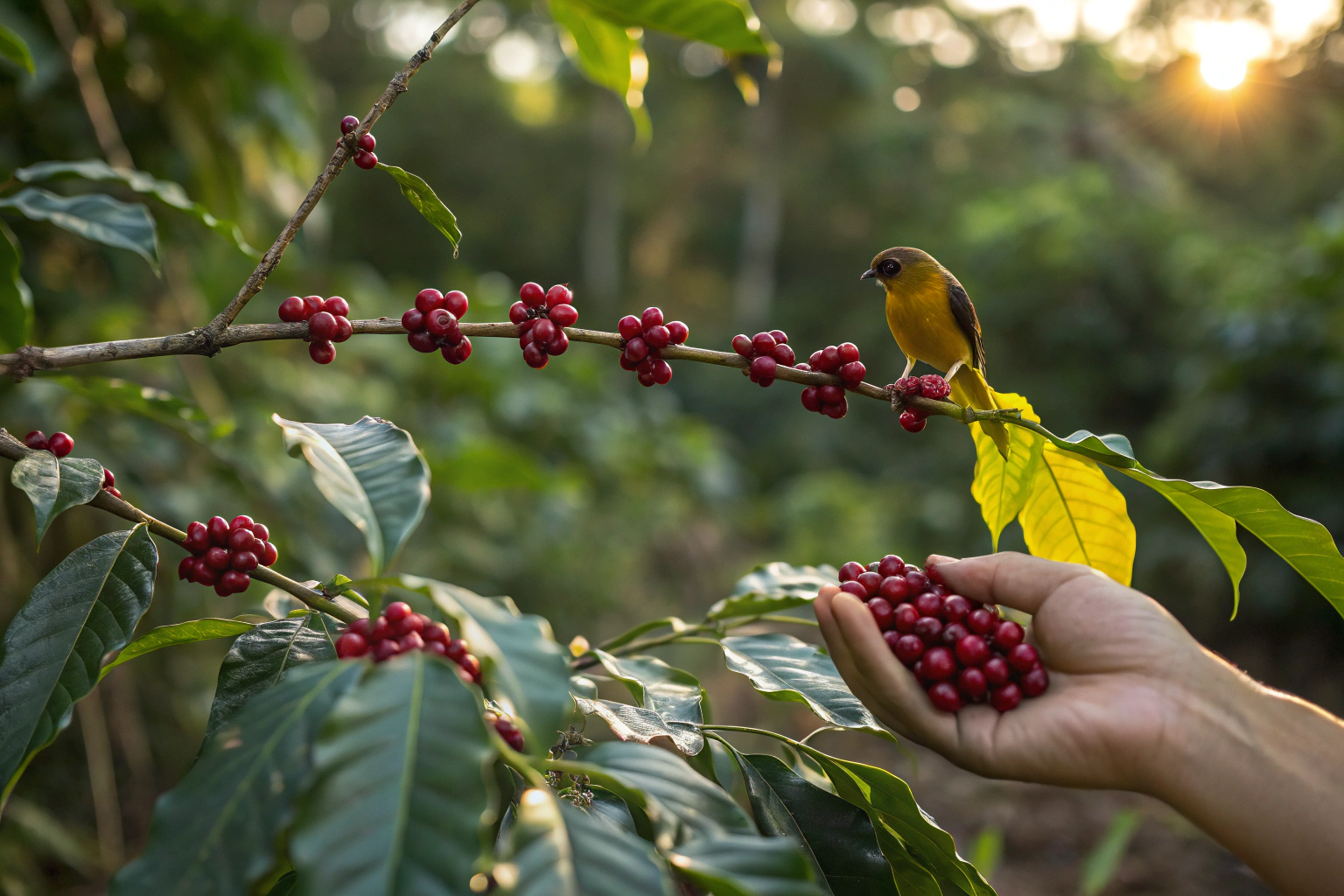
I stood with a buyer from a prominent U.S. bird conservation group on a high ridge of our Baoshan farm. He had spent the day walking our fields, looking at our trees, and, most importantly, looking up. He identified a dozen different native shade tree species and heard the calls of several migratory songbirds. He turned to me and said, "Most farms I visit have coffee. Your farm has a forest. The coffee is just a welcome guest." He was right. Our farm is not just a place to grow coffee; it is a vital piece of the Gaoligong Mountains ecosystem, a stopover for birds migrating along the East Asian-Australasian Flyway.
To source Bird Friendly certified coffee beans, you must look beyond generic "shade-grown" claims and specifically seek out coffee bearing the official, third-party audited "Bird Friendly" seal from the Smithsonian Migratory Bird Center (SMBC), which remains the strictest and most scientifically rigorous shade and biodiversity certification available.
This is not about a marketing trend. It is about a specific, measurable, and independently verified standard for biodiversity conservation. Let me explain what makes this certification different, how you can find it, and what it means for your brand. At Shanghai Fumao, our farming practices are deeply aligned with these principles, and you can learn more about our environmental commitment on our Sustainability page.
What Makes the Smithsonian "Bird Friendly" Certification Unique?
In a market flooded with vague "shade-grown" marketing claims, the term has become almost meaningless. A few scattered banana trees are not a biodiverse forest. The Bird Friendly certification stands apart because it is not a set of flexible guidelines; it is a rigorous, quantitative, and scientific standard developed by conservation biologists. It is the only certification in the world specifically designed around proven habitat requirements for neotropical migratory birds.
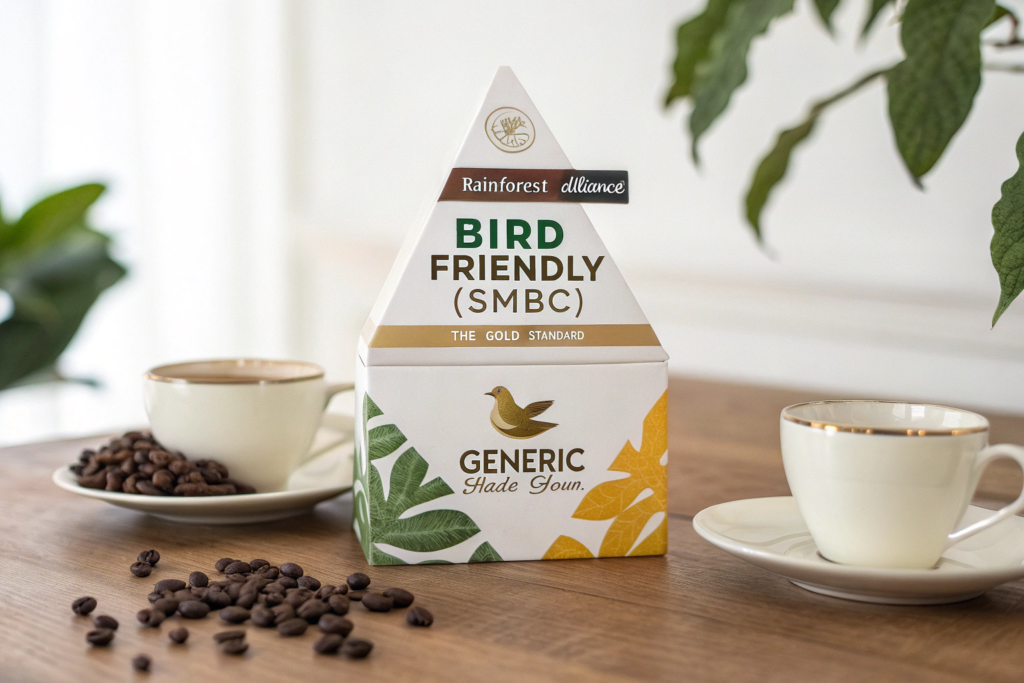
The Smithsonian Bird Friendly certification is uniquely defined by a set of mandatory, quantifiable, and scientifically derived habitat criteria: it mandates a structurally complex and biodiverse canopy of at least 11 native tree species, a minimum of 40% dense foliage cover provided by multiple vertical layers, and a prohibition on the use of a list of particularly hazardous pesticides, all verified by an independent, on-site botanical audit.
This is not a general "good practice" standard. It is a specific habitat prescription. It is the difference between a garden and a forest.
What Specific Shade and Biodiversity Criteria Must a Certified Farm Meet?
A Rainforest Alliance or organic audit might ask about your shade trees. A Bird Friendly audit measures them, counts them, and identifies their species. It is a botanical census. The inspector is not just a general food safety auditor; they are a trained ecologist or botanist.
To pass the audit, a farm must demonstrably meet a strict, non-negotiable set of structural and diversity criteria. The farm must have a canopy composed of a minimum of 11 distinct native tree species, providing at least 40% dense foliage cover. This canopy must be structurally complex, with at least three vertical layers of vegetation, from a few tall emergents to a diverse understory, mimicking a natural forest. This is a prescribed architectural blueprint for a functioning forest ecosystem. This level of detail is unique in the coffee world. It is the reason why a genuine Bird Friendly farm is immediately recognizable, even to an untrained eye: it looks and feels like a forest.
Why Is the "Organic First" Requirement So Powerful for Cleanliness?
A coffee cannot even be considered for the Bird Friendly seal unless it is first certified organic. This is a foundational rule that creates a compounding, powerful benefit for both the product's purity and the ecosystem's health.
This "organic prerequisite" is the masterstroke of the standard. It means that all Bird Friendly coffee is, by definition, also certified organic. You get the biodiversity guarantee and the clean-product guarantee in a single certification. This dual protection is incredibly efficient and compelling for a brand. But the logic runs deeper. A forest floor is a complex, living soil ecosystem. The fungicides and herbicides used on conventional farms do not just kill pests; they decimate the soil microbial life and the invertebrates that form the base of the bird food chain. By requiring organic certification, the Bird Friendly standard ensures the entire ecosystem, from the soil to the canopy, is protected, making it a true, functional, and full-stack conservation model.
How Can You Find and Verify a Genuine Bird Friendly Coffee Supplier?
Given the market value of the Bird Friendly claim, the risk of greenwashing is high. You must know how to protect yourself from false claims. The good news is that the Smithsonian provides a clear, public, and definitive verification process. You have the power to check.
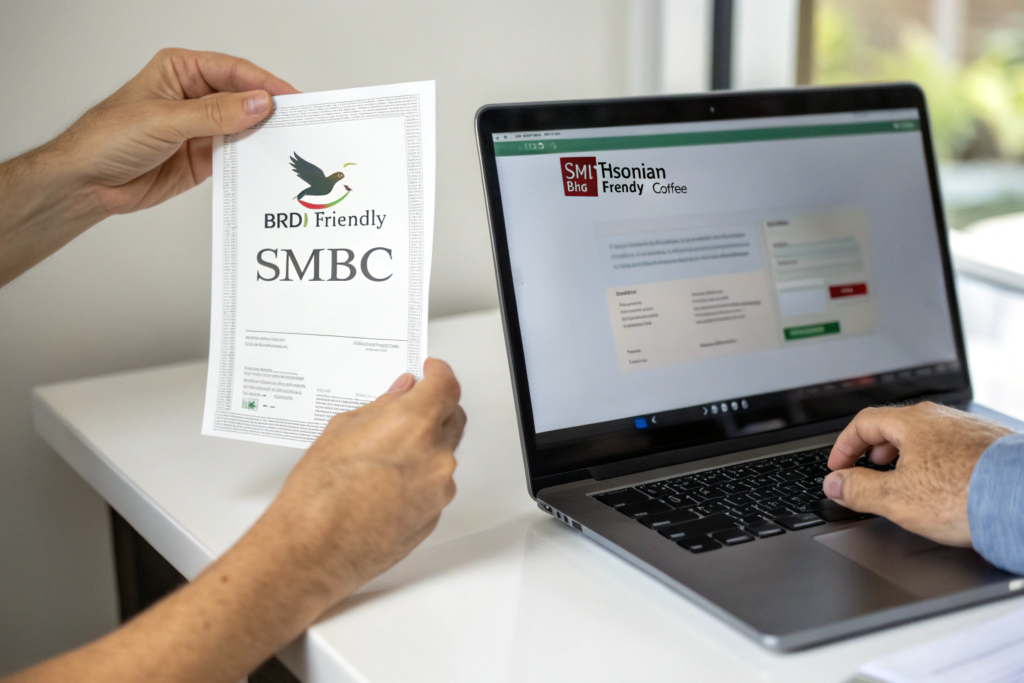
To find and verify a genuine Bird Friendly coffee supplier, you must ask the supplier for their unique "SMBC certificate number" and then independently verify it on the official "Smithsonian Bird Friendly Coffee" public online directory, which lists all currently certified farms and producer groups.
Do not accept a logo on a website. Demand the certificate number and check it yourself. A transparent supplier will provide this number willingly and encourage you to verify it.
What Is the SMBC Certificate Number and Where Can You Verify It?
The SMBC certificate number is the unique digital fingerprint of every certified Bird Friendly farm or producer group. It is the ultimate tool against fraudulent claims.
When you ask a supplier for this number, you are asking for the only piece of information that truly matters. Then, the verification is simple. Go directly to the official Smithsonian Bird Friendly website. Look for the public directory or the "Find Bird Friendly Coffee" page. Enter the certificate number the supplier provided. If the supplier is legitimate, the official Smithsonian database will confirm that the farm is currently certified. If the number is not recognized, the supplier is making a false claim. This process is the same exact verification philosophy we detail in How Do I Know If a Coffee Factory Certificate of Analysis Is Real?. The consumers of this coffee are among the most passionate and knowledgeable in the world; they will check.
How Do You Know If Your Supplier Is a "Verified Roaster" vs. a Farm?
The Bird Friendly certification covers the entire chain, from the farm that grows the coffee to the roaster who makes the final product. There are two distinct roles, and both must be certified.
A "Bird Friendly Certified Farm" has passed the habitat audit. A "Bird Friendly Verified Roaster" has undergone a separate supply chain audit to prove they are handling, roasting, and packaging the certified green coffee correctly and without commingling it with conventional beans. You can be a certified roaster without being a farm. When you are sourcing, you need to verify that your green bean supplier is a certified farm and, if you are buying a roasted private label product, that the final roaster is also verified. At Shanghai Fumao, our farming practices are audited by the Bird Friendly program, ensuring the coffee originates from a certified habitat. You can see our full portfolio of audited certifications on our Certifications page.
How Does a "Bird Friendly" Story Build a Premium Brand?
Securing a Bird Friendly certified supply is a sourcing achievement. But the true power of this certification is in how you tell its story to your customers. The Bird Friendly seal is not just another sustainability logo; it is a direct appeal to one of the most passionate, loyal, and growing consumer groups in the world: birdwatchers and conservationists. This is a community that actively seeks out and supports products that protect the animals they love.
The Bird Friendly certification builds a premium brand by transforming a conservation practice into a powerful, emotional, and highly defensible marketing narrative that directly connects your customer's love of birds and nature with their daily coffee purchase, allowing you to successfully charge a premium price that is seen not as an upcharge, but as a donation to a cause they deeply care about.
The story changes from a transaction to a shared act of conservation. It is the ultimate brand differentiator.
Why Is "Habitat" a More Powerful Story Than Just "Organic"?
A consumer who cares about biodiversity might have a vague understanding that organic is good. But they may not make the direct, personal link between a farmer not using a pesticide and a specific bird in their own backyard. The Bird Friendly story makes this link visceral and undeniable. It is about a specific, tangible habitat.
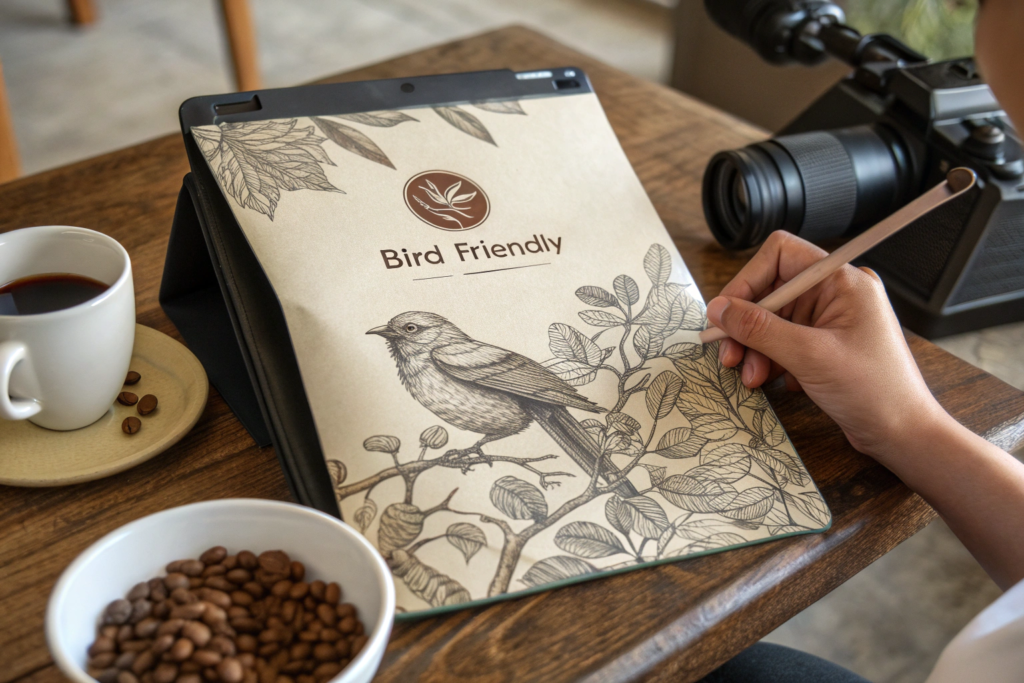
The narrative shifts from "this coffee doesn't have bad chemicals" to "this coffee is a forest, a thriving, living ecosystem that is a direct, verifiable home for migratory birds." This is a profoundly more personal, emotional, and urgent story. This narrative forms a powerful, unassailable bond with the customer. The premium price they pay is no longer a cost; it is a satisfying, emotional act of direct conservation. It is the warm feeling of knowing your morning cup of coffee is actively saving a piece of forest. This is a story that commands a price premium and builds an intensely loyal community around your brand. It is the perfect narrative for the type of premium single-origin we offer in our Private Label Program.
Can You Use the Story to Target the Lucrative Birdwatcher Market?
Absolutely. This is one of the most focused and profitable niche marketing opportunities in specialty coffee. The birdwatching community is global, passionate, and highly organized, and they are actively looking for you.
This is a market with its own dedicated media, from the National Audubon Society and the American Birding Association to countless local chapters, online forums, and festivals like "The Biggest Week in American Birding." These consumers are not casually interested; they are deeply committed and have significant disposable income. A direct partnership marketing strategy, where a portion of proceeds from each bag goes to a specific conservation cause, creates an incredibly compelling reason for them to switch brands and become loyal advocates. They will actively seek out your coffee. Partnering with a specific local Audubon chapter or a bird observatory makes the impact tangible and local. This is a strategy that turns a certification into a community, and a customer into a lifelong partner.
Conclusion
Sourcing Bird Friendly certified coffee is the most powerful way to go beyond a generic sustainability claim and make a specific, quantifiable, and scientifically verified impact on biodiversity. It is the gold standard for shade-grown coffee because it mandates a specific, biodiverse forest habitat verified by an ecological audit, not just a marketing department.
For a roaster, it is a powerful tool to build a premium brand with an authentic story that deeply resonates with a passionate community of conservation-minded consumers. It allows you to charge a price that is justified by a genuine, verifiable impact.
At Shanghai Fumao, our farm in the Gaoligong Mountains is a living example of this philosophy. Our coffee is grown within a biodiverse, shade-rich ecosystem that provides real habitat for migratory birds, and our practices are verified by the rigorous Bird Friendly audit.
If you want to source a coffee that you can proudly stand behind as a force for conservation, I invite you to learn more about our Bird Friendly certified lots. Email Cathy Cai. Ask for our "Bird Friendly Certified Lot List and Documentation." Contact Cathy at: cathy@beanofcoffee.com