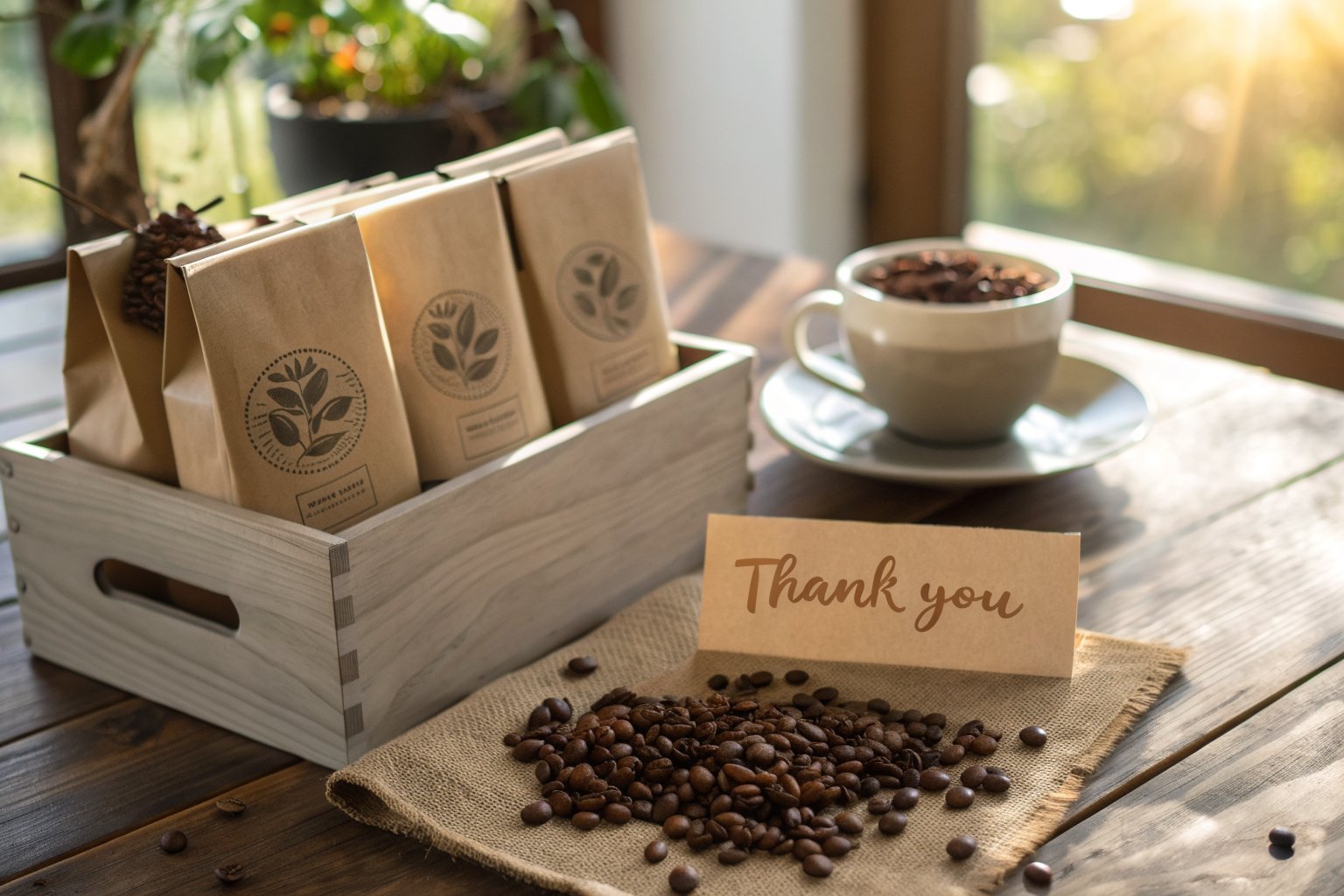
Last year, Mark from Portland emailed me with a question I hear almost every week. "I want to start a coffee subscription service," he wrote. "But I don't know how to source beans at wholesale prices that still taste great." Mark had been running a small local roastery for two years. His customers kept asking for monthly deliveries. He was stuck between buying expensive retail bags from importers or committing to full container loads he couldn't sell. A coffee subscription box is simply a recurring delivery service where customers receive fresh roasted beans at regular intervals. The whole business model depends on getting wholesale coffee beans at the right price point while maintaining consistent flavor quality. Let me walk you through exactly how to build a profitable subscription box from scratch.
Why Should You Start With Wholesale Coffee Beans Instead of Retail?
Here's the thing most beginners get wrong. They try to start a subscription service using coffee they bought at retail prices. That math never works. You need at least a 40 to 50 percent margin to cover packaging, shipping, marketing, and still have profit left. Wholesale green coffee beans cost between $3 to $8 per pound depending on origin and grade. The same beans retail for $15 to $25 per pound after roasting. That spread is where your subscription business lives. I remember when I started BeanofCoffee in Yunnan back in 2018. The first thing I learned was that sourcing directly from origin changes everything. When you buy from a wholesale coffee bean supplier instead of a middleman, you remove two or three layers of markup. A bag of specialty grade Yunnan Arabica that costs $5.50 per pound FOB from our processing facility would hit $9 at a local importer and $16 at a specialty retail shop. You're paying for logistics, warehousing, broker commissions, and retail overhead you don't need.
How Much Capital Do You Really Need to Launch a Coffee Subscription?
The honest answer depends on your scale. A micro subscription service serving 50 monthly customers needs around $5,000 to $8,000 in startup capital. That covers a small roaster (around $3,000 for a used 1kg machine), initial green coffee inventory (around $1,500 for 300 pounds of assorted single origins), packaging supplies, and website setup. You don't need a commercial facility right away. Many successful subscription brands started in garages with a single drum roaster. Application to wholesale coffee beans changes your capital efficiency completely. Instead of buying 10 pounds at retail for $180, you can buy a 70kg bag of the same grade green beans for around $420 from origins like Shanghai Fumao. That's 154 pounds of green coffee that becomes roughly 130 pounds of roasted beans. Your per-pound cost drops from $18 to about $3.20. That $14.80 per pound delta is what makes subscription box pricing possible. You can charge $22 per 12-ounce bag, pay $4 for shipping, and still clear 50 percent gross margin. For more details on wholesale pricing structures, check out Coffee Quality Institute's guide on green coffee valuation.
What's the Ideal Bean Selection Strategy for a Mixed Subscription Box?
Your subscription needs variety to keep customers engaged, but not so much variety that you overwhelm your supply chain. The sweet spot is four to six rotating single origins plus one consistent blend that anchors the box every month. Think of it like a record club — customers want discovery, but they also want a reliable favorite they can count on. A washed Yunnan Arabica works perfectly as the anchor because it's balanced, approachable, and costs well below premium African origins. I work with roasters who use three tiers in their subscription rotation. Tier one is a crowd-pleasing washed coffee from a reliable origin like Yunnan or Brazil. Tier two is a natural or honey processed coffee that adds fruit and complexity. Tier three is a wild card — anaerobic fermentation, experimental variety, or a rare micro-lot. This structure keeps customers excited while protecting your margin. The anchor tier costs around $4 per pound green. The wild card might hit $8. Blended across 130 pounds, your average lands around $5.25. Royal New York's market report is an excellent resource for tracking green coffee prices across origins and grades.
How Do You Find a Reliable Wholesale Coffee Bean Supplier?
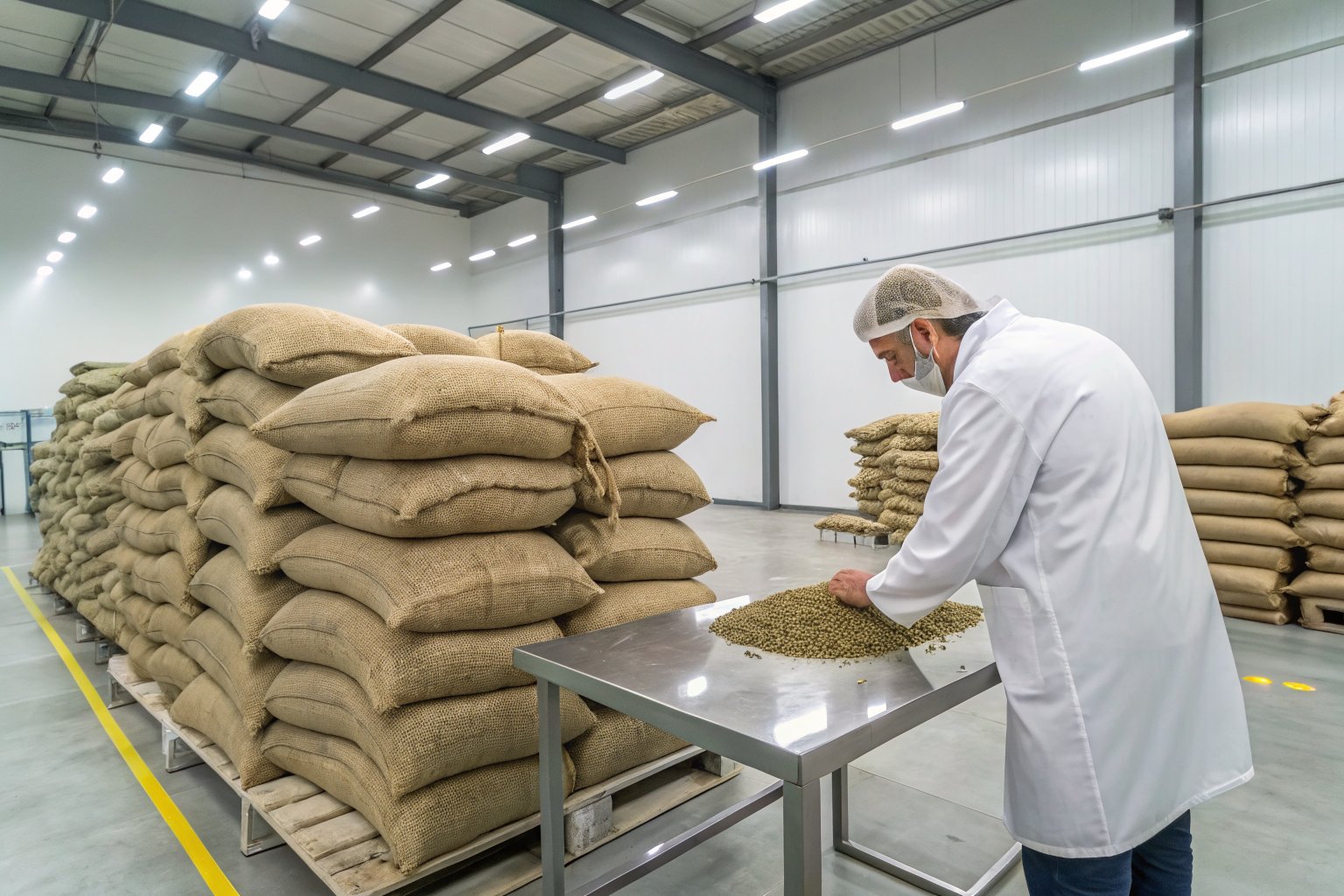
This is the hardest part of starting any coffee business. Finding a supplier who delivers consistent quality at quoted prices takes research, sampling, and relationship building. I've seen too many new roasters get burned by suppliers who send amazing samples then ship mediocre bulk lots. The problem is especially common when sourcing from overseas without proper verification systems in place. At Shanghai Fumao, we ship over 200 metric tons of green coffee annually to roasters in North America and Europe. Our system works because every export lot goes through three quality checks — field grading at the mill, lab cupping at our facility, and a final screen before container loading. This level of quality assurance is what subscription businesses need because their entire model relies on month-after-month consistency. A single bad batch can lose you 30 percent of your subscriber base overnight.
What Red Flags Should You Watch for When Vetting Coffee Suppliers?
Every new buyer makes the same mistake. They fall in love with a beautiful sample and skip the background checks. A supplier who can't or won't share third-party lab reports is a non-starter. You need moisture content data (ideal range 10 to 12 percent), screen size distribution, defect counts per 350 grams (Specialty grade requires zero primary defects and fewer than 5 secondary), and recent pesticide residue tests if you're exporting to the EU. Ask specific questions about their processing facility. Do they own their own wet mill or do they buy from multiple smallholders? If they aggregate from dozens of farms without blending protocols, your next shipment could taste completely different. Ask for lot traceability back to the farm or village level. A good wholesaler like Alterra Coffee Roasters' sourcing standards page shows what transparent suppliers look like. Also check the Specialty Coffee Association's supplier code of conduct for industry best practices on supplier relationships.
How Do You Sample and Test Multiple Wholesale Beans Before Committing?
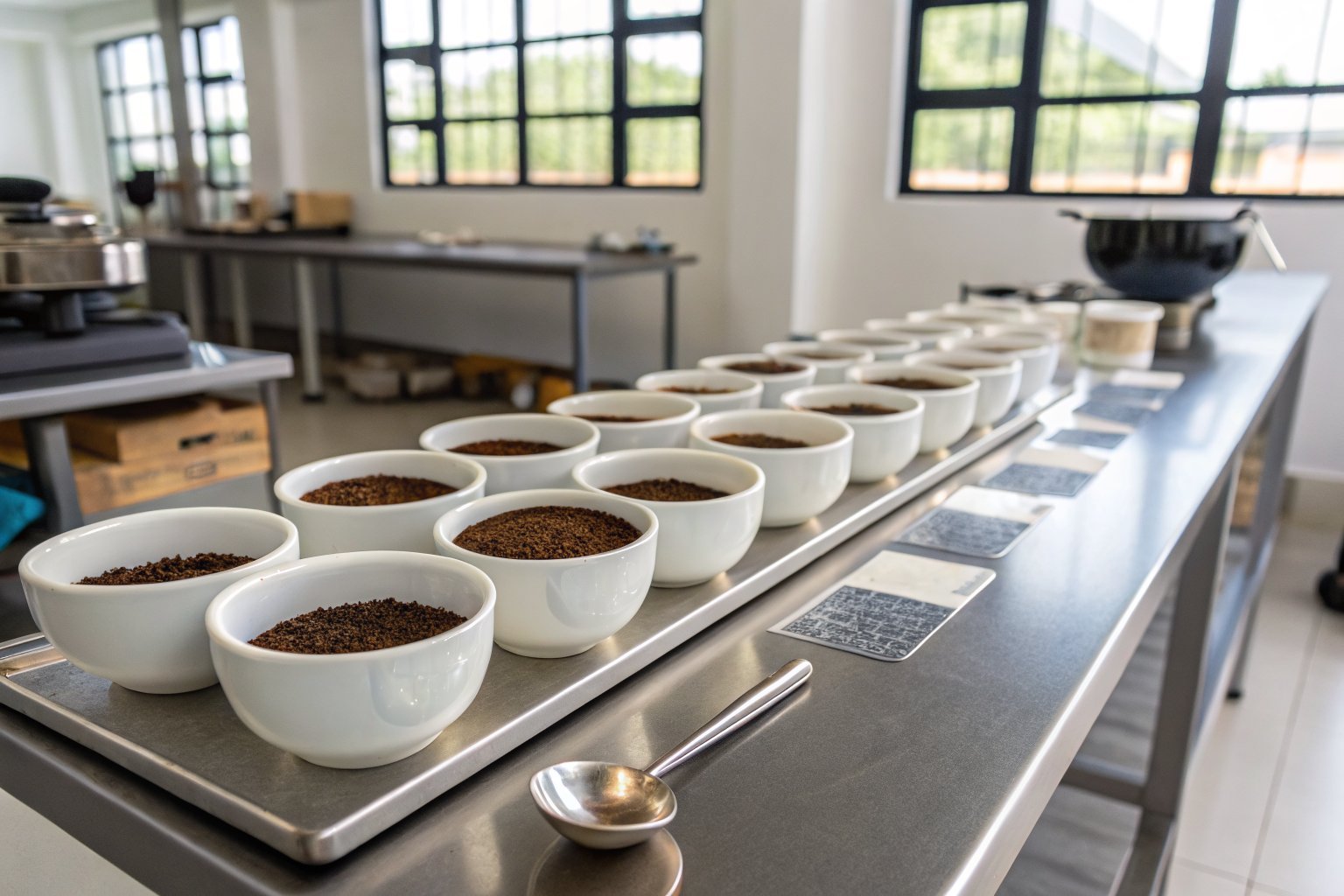
Never commit to a full bag purchase without sampling first. Request 500 grams to 1 kilogram of green coffee from at least three different suppliers. Roast them on your own equipment using a consistent profile. Cup them blind with at least one other person. Score them on the SCA cupping form or your own simplified version. Pay attention to cleanliness first, flavor second. A clean, defect-free coffee at $4.50 per pound beats a funky experimental lot at $7 every time for subscription anchoring. Your sampling process should also test supplier communication speed. Send an email asking about harvest timing, shipping lead times, and payment terms. If they take a week to respond to a sample inquiry, imagine how slow they'll be when your container is stuck at customs. Good suppliers respond within 24 hours. They proactively share shipment tracking, photos of your lot being loaded, and moisture test results from the day of container stuffing. Cropster's green coffee buying guide offers a detailed workflow for managing samples and supplier communications.
What's the Right Pricing Model for a Coffee Subscription Box?
Pricing a subscription box feels like walking a tightrope. Charge too much and customers cancel after month one. Charge too little and you're working for free. The industry standard for a monthly 12-ounce bag subscription is $18 to $25 per month including shipping. That covers $3 to $4 in green coffee cost, $2 to $3 in roasting and packaging labor, $4 to $6 in fulfillment and shipping, $3 to $5 in marketing overhead, and $5 to $7 in gross profit per bag. I recommend starting at the lower end of that range, around $19 per month, for the first six months. You need to build subscriber volume to validate the model before raising prices. Once you hit 200 subscribers, your operational efficiency improves and your per-unit costs drop. At that point you can raise to $22 or introduce tiered pricing. A "Discovery Box" at $19 with rotating single origins and a "Reserve Box" at $28 with rare micro-lots and experimental processes works beautifully for segmentation.
How Do You Calculate Your Breakeven Point per Subscriber?
Run this calculation before you launch. Your cost per bag equals green coffee cost plus roasting energy plus packaging plus shipping plus payment processing fees plus customer acquisition cost. For a typical 12-ounce bag, that's $3.20 for green beans (at $5.50 per pound), $0.80 for roasting (gas and equipment depreciation), $1.20 for packaging (valve bag, label, box, insert card), $5.00 for USPS Priority Mail, $0.60 for Stripe or PayPal fees, and $8.00 estimated customer acquisition cost. Total comes to approximately $18.80 per bag. If you're charging $19 per month, you're barely breaking even on the first month. But that's okay because subscribers stay for an average of five to seven months. Your lifetime value calculation changes the economics. At $19 per month for six months with $18.80 cost per bag, your total revenue per subscriber is $114 and total cost is $112.80. That $1.20 profit per subscriber on the first cycle is thin. But by month six, your customer acquisition cost is fully paid and your per-bag margin jumps to almost $8 per subscriber. Perfect Daily Grind's subscription business analysis has excellent breakeven spreadsheets and scenario models.
What Packaging and Shipping Strategy Reduces Your Cost per Box?
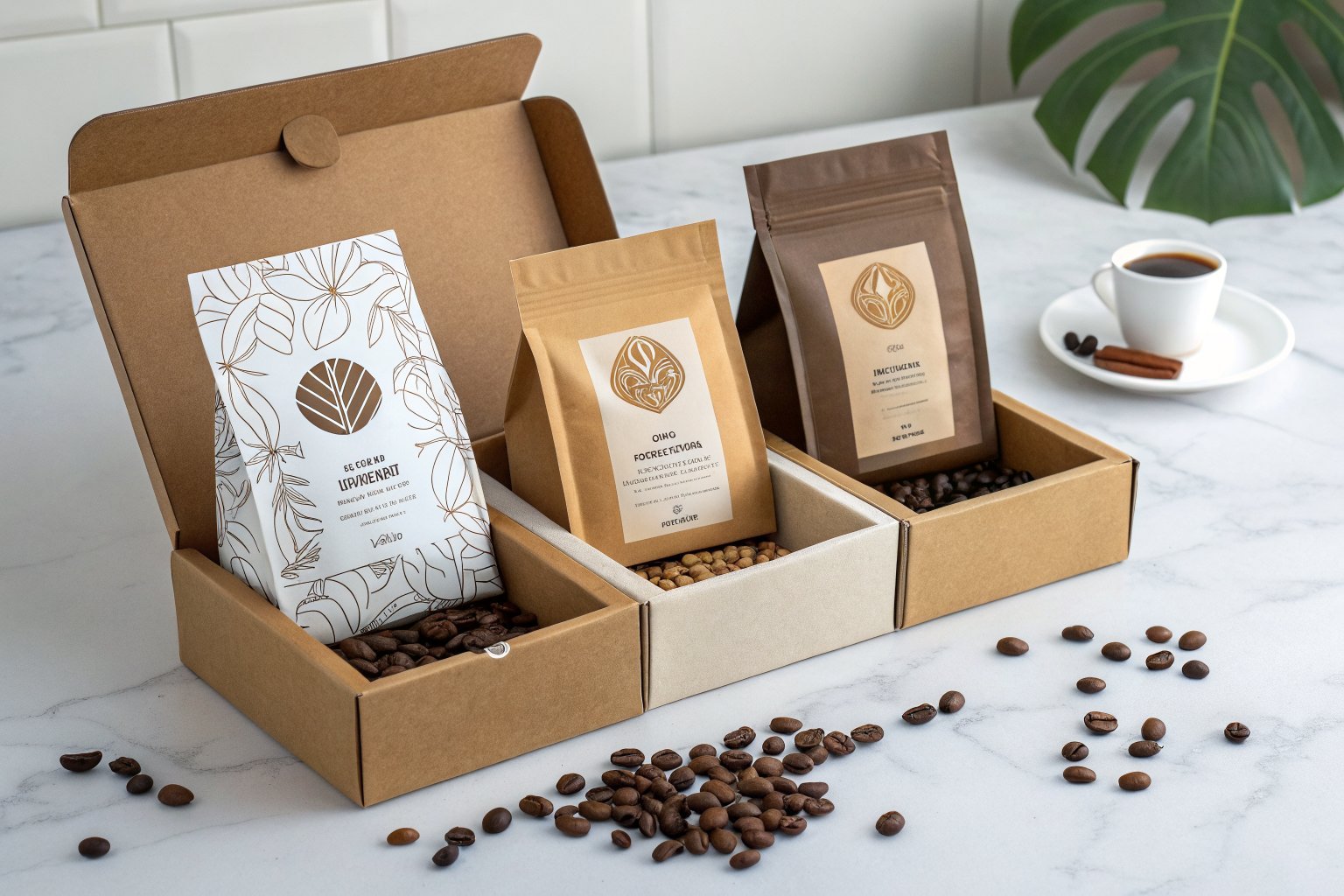
Packaging is where you can save or waste thousands of dollars. A custom printed 12-ounce valve bag costs $0.35 to $0.60 each in quantities of 500 or more. A plain craft bag with a stick-on label costs half that. Your outer box adds $0.40 to $0.80 depending on size and customization. Fill materials like kraft crinkle paper or biodegradable peanuts add another $0.15 to $0.30. If you're using custom inserts, stickers, and branded tape, you can easily hit $2.00 per box in packaging alone. The smart move is to standardize your box size. A 7x5x3 inch box fits one 12-ounce bag perfectly and qualifies for USPS Cubic Pricing, which saves 15 to 25 percent versus dimensional weight pricing. Buy boxes in bulk. Five hundred units from Uline or equivalent runs about $0.38 per box. Use poly mailers instead of boxes for single-bag subscriptions. A 10x13 poly mailer costs $0.12 each and weighs almost nothing. For insights on sustainable packaging options, read Roast Magazine's packaging guide which covers cost comparisons across materials and volumes.
How Do You Acquire and Retain Coffee Subscription Customers?
Acquiring subscription customers is fundamentally different from selling single bags in a cafe. A cafe customer buys on impulse after smelling fresh brew. A subscription customer makes a considered decision based on trust and perceived value. They're committing to a recurring charge. That means your marketing needs to build credibility first and offer discounts second. Content marketing works exceptionally well for coffee subscriptions — blog posts about origin stories, brewing guides, and behind-the-scenes roasting videos convert better than discount codes. Word of mouth is the highest quality channel for subscription businesses. The average coffee subscriber tells three to five friends about a box they love. That's free acquisition with zero churn risk. Build a referral program that rewards both parties. Give the referring customer a free bag and the new subscriber 20 percent off their first month. Some subscription brands see 40 percent of new signups come through referrals after the first year. Combine this with Instagram content showing your roasting process and customer unboxings.
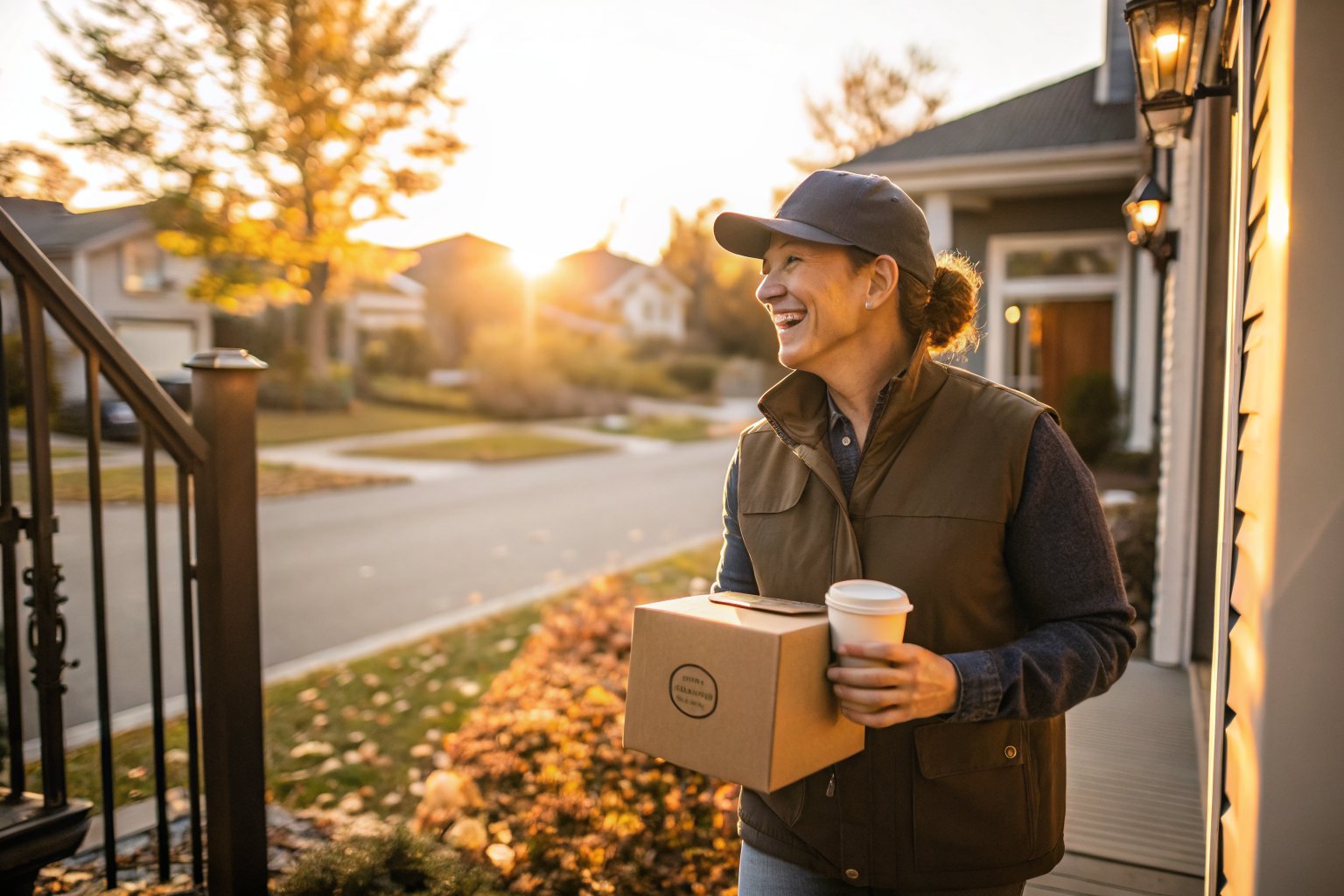
What Marketing Channels Actually Work for a New Coffee Subscription?
Don't try to be everywhere at once. Start with two channels and master them before expanding. Instagram and Google Ads are the most effective pair for coffee subscriptions. Instagram builds brand affinity and trust through visual storytelling — show your roaster in action, your green bean sourcing trips, your customers enjoying their morning cup. Google Ads capture people who are actively searching for "coffee subscription box" or "best monthly coffee delivery." These searchers have high purchase intent and convert at 3 to 5 percent compared to Instagram's 0.5 to 1 percent. Content marketing on your own blog is the long game that keeps paying. Write articles like "The Best Single Origin Coffees for Espresso" or "How to Store Your Subscription Coffee for Maximum Freshness." Each article captures organic search traffic and builds authority. Over 12 months, a consistent blogging schedule can drive 30 to 40 percent of your new subscribers without any ad spend. For advertising benchmarks specific to coffee, Sprout Social's coffee industry report breaks down cost per acquisition across social platforms.
How Do You Reduce Churn and Keep Subscribers Month After Month?
Churn is the silent killer of subscription businesses. Lose 10 percent of subscribers each month and you need to replace 120 percent of your base annually just to stay flat. The industry average for coffee subscriptions is 8 to 12 percent monthly churn. Top performers keep it under 5 percent. The biggest driver of churn is flavor boredom. Customers love the first two or three months of discovery, then they start wondering if they should switch to something else. Fight churn with variety and personalization. Let subscribers rate each month's coffee on a simple three-point scale. Love it, like it, not my favorite. After three months, use those ratings to customize the next shipment. A subscriber who consistently rates light roasts higher should never get a dark roast. Send a handwritten note in every box. Not a printed card, an actual handwritten one. That personal touch reduces churn by 15 to 20 percent according to several roasters I've spoken with. Fresh Cup Magazine's customer retention strategies has practical experiments you can implement immediately.
Conclusion
Starting a coffee subscription box using wholesale beans is absolutely achievable if you approach it systematically. The key pillars are sourcing from reliable wholesale suppliers like Shanghai Fumao, maintaining razor-thin margins through direct origin purchasing, and investing in customer retention from day one. You don't need a million-dollar facility or thirty years of experience. You need good beans, honest pricing, and a commitment to consistency that keeps subscribers happy month after month. I've watched dozens of small roasters build thriving subscription businesses from their garages and spare bedrooms. The ones that succeed all share one quality — they never compromise on bean quality to save a few cents per pound. Your subscribers will notice the difference between a $4 coffee and a $5 coffee. And they'll stay longer if you deliver the $5 coffee every single month without fail. If you're ready to start your subscription journey or need help sourcing consistent wholesale coffee beans, reach out to us at BeanofCoffee. We work with roasters of all sizes to match them with the right Yunnan Arabica lots for their subscription programs. Contact Cathy Cai at cathy@beanofcoffee.com or visit our website to discuss your wholesale coffee sourcing needs. Let's build something great together.