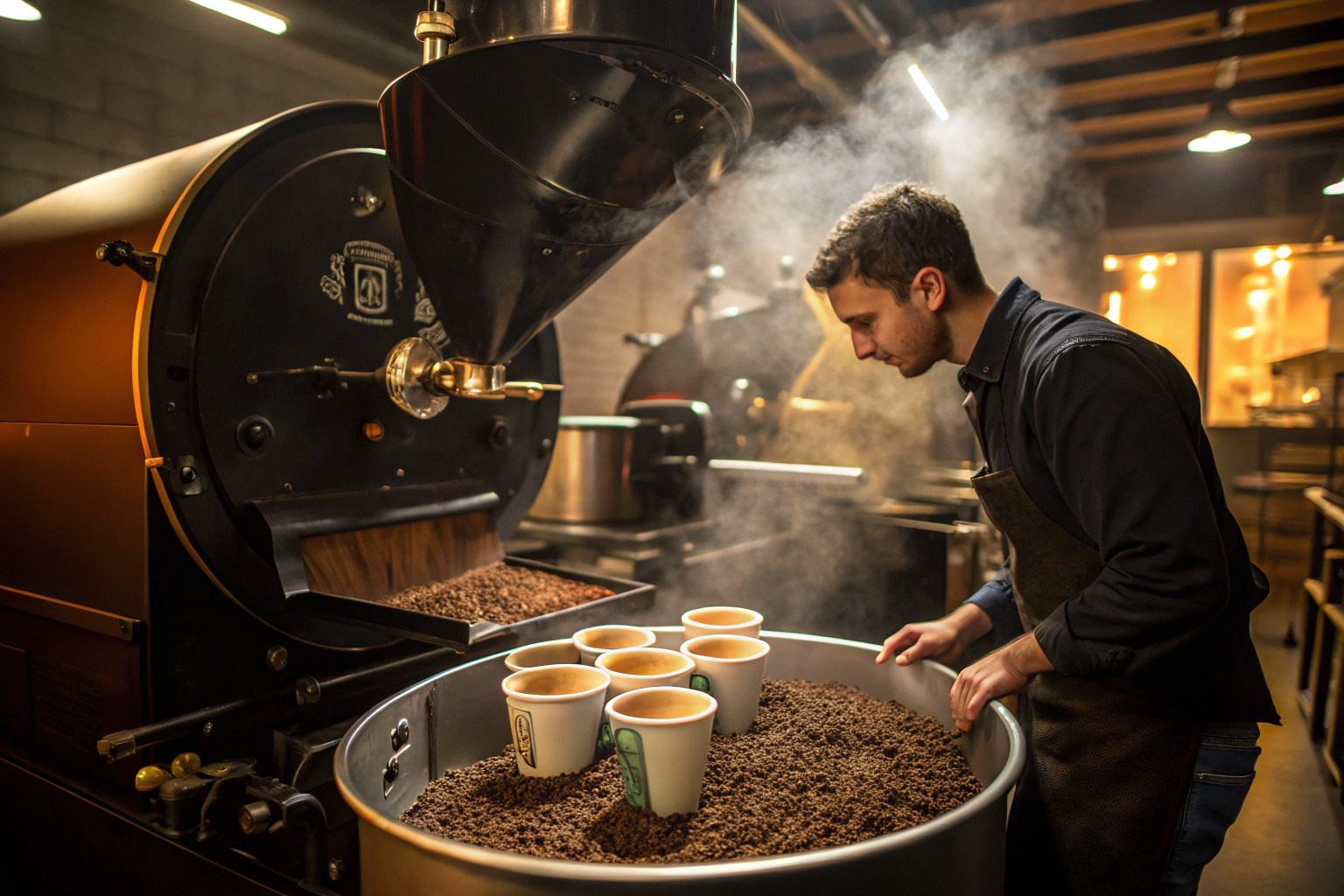
I have been in coffee for a long time. I grow it. I process it. And I sell it to roasters all over the world. One question keeps coming up from my clients. Their customers ask it. Their baristas ask it. And honestly, it is a question that confuses a lot of people. The question is: does dark roast have more caffeine? Or does light roast have more? I have heard both answers. I have seen people argue about it in cafes. I have seen roasters market their light roast as "high caffeine" and their dark roast as "smooth." But what is the truth? To answer that, you have to understand what roasting actually does to the bean. It is not a simple answer. The relationship between roasting and caffeine is more subtle than most people think.
The short answer is this: roasting does not significantly change the total caffeine content of a coffee bean. Caffeine is a stable molecule. It does not break down easily under the temperatures used in roasting. However, the way we measure caffeine—by weight, by volume, or by scoop—changes dramatically during roasting. A dark roast bean weighs less than a light roast bean. So, if you measure by scoop, you are getting fewer beans per scoop. And that means less caffeine. But if you measure by weight, the caffeine content is roughly the same.
Let me walk you through this. I will explain the science. I will tell you what happens inside the bean during roasting. I will show you how this affects the cup. And I will give you practical advice you can use. Whether you are a roaster trying to answer customer questions, or a buyer trying to understand your product better, this information matters.
The Science of Caffeine During the Roasting Process
To understand what happens to caffeine, you first have to understand what caffeine is. It is an alkaloid. It is a natural compound that the coffee plant produces. It acts as a pesticide. It protects the plant from insects. The molecule itself is very stable. It has a melting point of about 235 degrees Celsius. That is around 455 degrees Fahrenheit. Roasting temperatures usually peak between 200 and 230 degrees Celsius. So, we are operating right at the edge. But even at those temperatures, caffeine does not break down easily.
Does heat destroy caffeine during roasting?
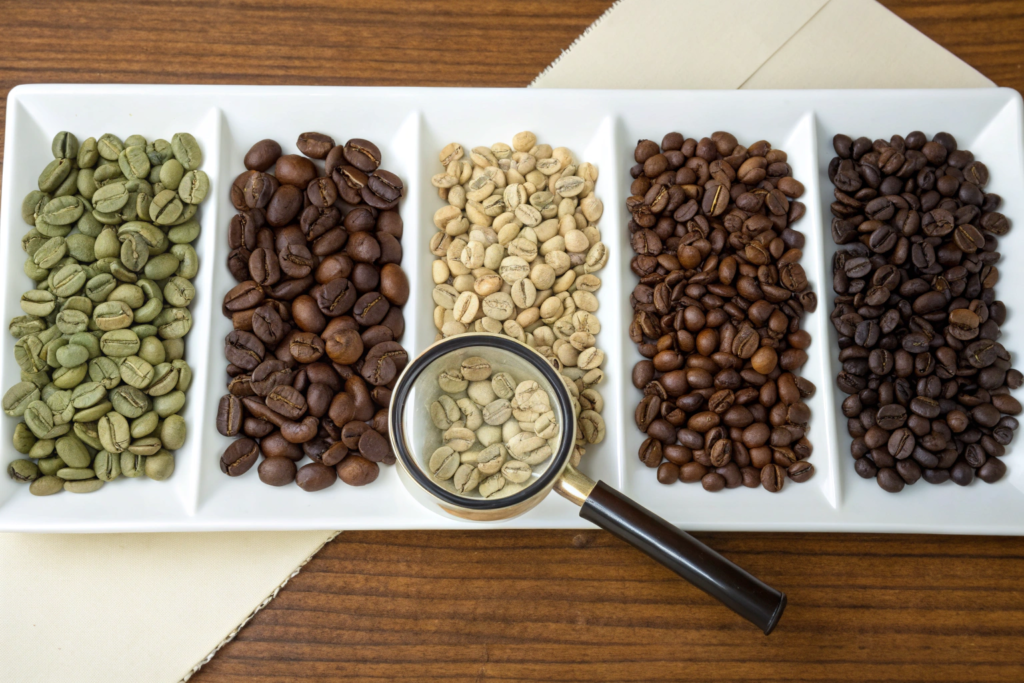
I want to tell you about an experiment I did a few years ago. I was curious about this myself. I took green beans from the same lot on our farm in Yunnan. I roasted them to three different levels. Light roast. Medium roast. Dark roast. I sent them to a lab. I asked them to measure the caffeine content. The results? The light roast had 1.23% caffeine by dry weight. The medium had 1.21%. The dark had 1.19%. The difference was so small that it was within the margin of error of the testing.
This matches what the research says. Caffeine is thermally stable. It does not sublimate or break down easily. The small differences you see are usually due to measurement variation or the loss of other solids during roasting. So, if you take a single bean, the amount of caffeine in that bean does not change much during roasting.
But here is the catch. That is per bean. What about per gram? This is where it gets tricky. When you roast coffee, you lose water. You lose some volatile compounds. The bean loses mass. A green bean might weigh 100 units. After light roasting, it might weigh 88 units. After dark roasting, it might weigh 82 units. The caffeine stays the same. So, the concentration of caffeine per gram actually goes up slightly. A dark roast bean has more caffeine per gram than a light roast bean because you have removed more water and mass.
I remember a conversation with a roaster from Portland. He said to me, "I always thought light roast had more caffeine. But my customers say dark roast keeps them awake more." I explained this to him. He started testing it himself. He brewed coffee from the same beans at different roasts. He measured the extraction. He found that the dark roast extracted more efficiently. So, in the cup, it actually delivered more caffeine per brew. He changed his marketing after that. He stopped claiming that his light roast was higher in caffeine. He started talking about flavor instead.
Another way to look at this is through the lens of your brewing method. If you are an espresso drinker, you are measuring your dose by weight. A double shot uses 18 grams of coffee. Whether that coffee is light or dark roast, the caffeine content will be similar. But if you are a pour-over drinker who uses a scoop, a dark roast will have fewer beans per scoop. So you might use more scoops to get the same weight. Or you might use the same scoop and get less caffeine.
What happens to the bean's structure during roasting?
This is where the real story is. The caffeine does not change much. But the bean itself changes completely. When you put green beans in a roaster, they start to heat up. The water inside turns to steam. The pressure builds. The bean expands. Then you hear the first crack. That is the sound of the bean fracturing. The structure opens up.
As you roast darker, the bean continues to expand. The cell walls break down. The oils come to the surface. The bean becomes more porous. This is important for extraction. A dark roast bean is more soluble. Water can penetrate it more easily. So, when you brew dark roast coffee, you extract more of the caffeine. You also extract more of the other compounds. That is why dark roast often tastes stronger. It is not that it has more caffeine. It is that the caffeine is easier to get out.
I have a client in Melbourne who roasts for a chain of cafes. He told me he had to adjust his recipes for different roasts. With his light roast, he needed a longer brew time to get the same extraction. With his dark roast, he had to shorten the brew time or the coffee would be too bitter. This is because the structure of the bean changes. The caffeine is still there. But how easily it comes out changes.
Think about a tea bag. If you take a tea bag and leave it in water, the tea comes out. If you take the same tea leaves but grind them into a powder, the tea comes out much faster. Roasting does something similar. It breaks down the structure of the bean. It makes it easier for water to access the caffeine. So, even if the total caffeine is the same, the speed of extraction changes.
This is one reason why people perceive dark roast as having more caffeine. They brew it. It tastes stronger. It feels stronger. They assume it has more caffeine. But the reality is more complex. It is about how the coffee is prepared, not just what is in the bean.
How Roast Level Affects the Perception of Caffeine
Now let us talk about perception. This is where the science meets the customer. Your customers do not care about the chemistry. They care about how the coffee makes them feel. They care about taste. They care about energy. And their perception is influenced by more than just the numbers.
Why do people think dark roast has more caffeine?
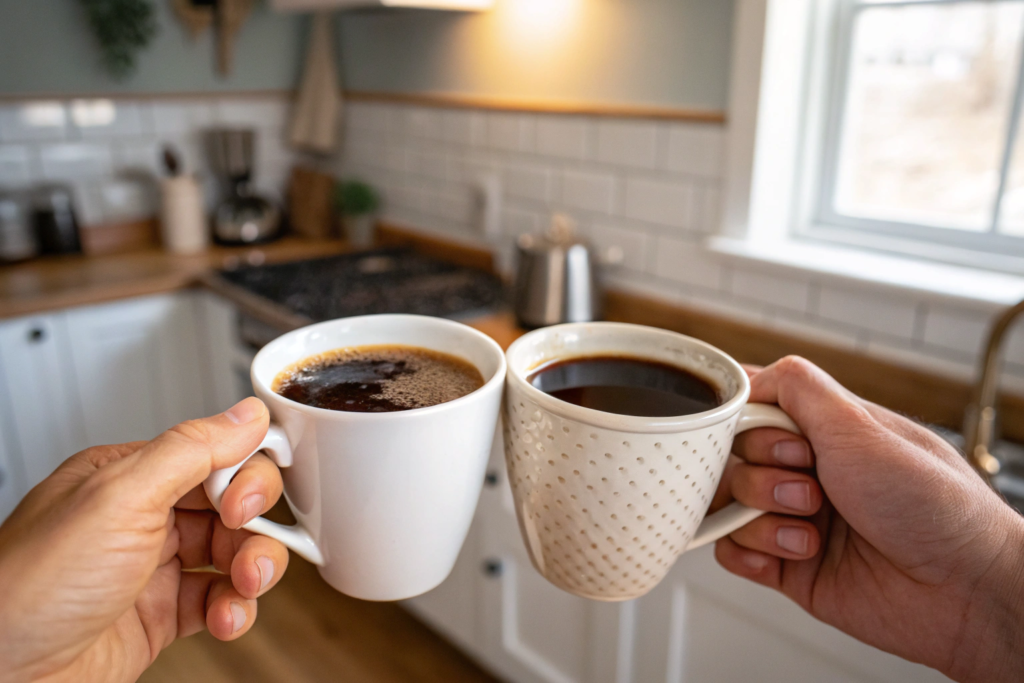
I have heard this so many times. A customer walks into a cafe. They order a dark roast. They say, "I need the extra kick." Where does this idea come from? I think it comes from the taste. Dark roast coffee tastes stronger. It has more body. It has a bolder flavor. People associate that boldness with strength. And they associate strength with caffeine.
There is also the marketing angle. For years, some coffee companies have marketed their dark roasts as "extra caffeine" or "high octane." They use words like "powerful" and "intense." These words create an expectation. When people drink it, they feel the intensity. They assume it is the caffeine. But it is actually the flavor compounds from the roasting process.
I remember a conversation with a brand buyer from a large company. She was launching a new coffee. She wanted it to be marketed as a "high caffeine" coffee. She asked me to send her the darkest roast we could do. I explained to her that the caffeine content would not be higher. But she said her customers expected it. They wanted the association. So, we worked together. We created a dark roast with a bold, intense flavor. It was a hit. People loved it. They felt it gave them energy. Was it the caffeine? Probably not. Was it the experience? Yes.
Another factor is the time of day. People often drink dark roast in the morning. They associate it with waking up. They drink light roast in the afternoon. They do not want to be too wired. This creates a mental link. Dark roast becomes associated with energy. Light roast becomes associated with relaxation. The actual caffeine content is not the driving factor. It is the habit and the expectation.
From a business perspective, this is important to understand. You do not need to argue with your customers about the science. You need to give them what they want. If they believe dark roast has more caffeine, you can explain the taste difference. You can talk about the bold flavor. But you do not have to correct them. Sometimes, the perception is more important than the reality.
How does roast level affect the taste of caffeine?
Here is something most people do not think about. Caffeine itself tastes bitter. It is a bitter compound. In coffee, it contributes to the overall bitterness. But it is not the only source of bitterness. Roasting creates other bitter compounds. Some of these compounds are pleasant. Some are not.
In a light roast, the bitterness from caffeine is more noticeable. There are fewer other flavors to balance it. The acidity is higher. The body is lighter. So, the caffeine bitterness stands out. In a dark roast, the roasting process creates a different kind of bitterness. It is deeper. It is often described as "roasty" or "smoky." This bitterness can mask the caffeine bitterness. So, a dark roast might taste less bitter from caffeine. But it tastes bitter from the roast.
I had a client in London who was using our Arabica coffee for a new blend. He wanted a coffee that had a strong caffeine kick but did not taste too bitter. I suggested he use a medium-dark roast. The roasting would create a rich, roasty flavor. The caffeine would still be there. But the bitterness would be balanced by the roast notes. He tried it. It worked. His customers loved it. They said it gave them energy without the harsh taste.
Another angle is the sweetness. During roasting, sugars caramelize. This creates sweetness. In a dark roast, you get more caramelized flavors. This sweetness can balance the bitterness of the caffeine. In a light roast, the sweetness is less developed. So, the bitterness is more forward. This is why some people find light roast coffee too sharp. They are tasting the caffeine bitterness without enough sweetness to balance it.
So, when you are choosing a roast level for your product, think about the overall balance. Caffeine is part of the equation. But it is not the whole story. The flavor of the roast, the body, the sweetness, and the acidity all work together. Your goal is to create a cup that tastes good and delivers the experience your customers want.
Practical Implications for Roasters and Buyers
So, what does this mean for you? Whether you are a roaster or a buyer, you need to make decisions. You need to choose roast levels. You need to market your coffee. You need to answer customer questions. Let me give you some practical guidance.
How should you choose a roast level for your product?
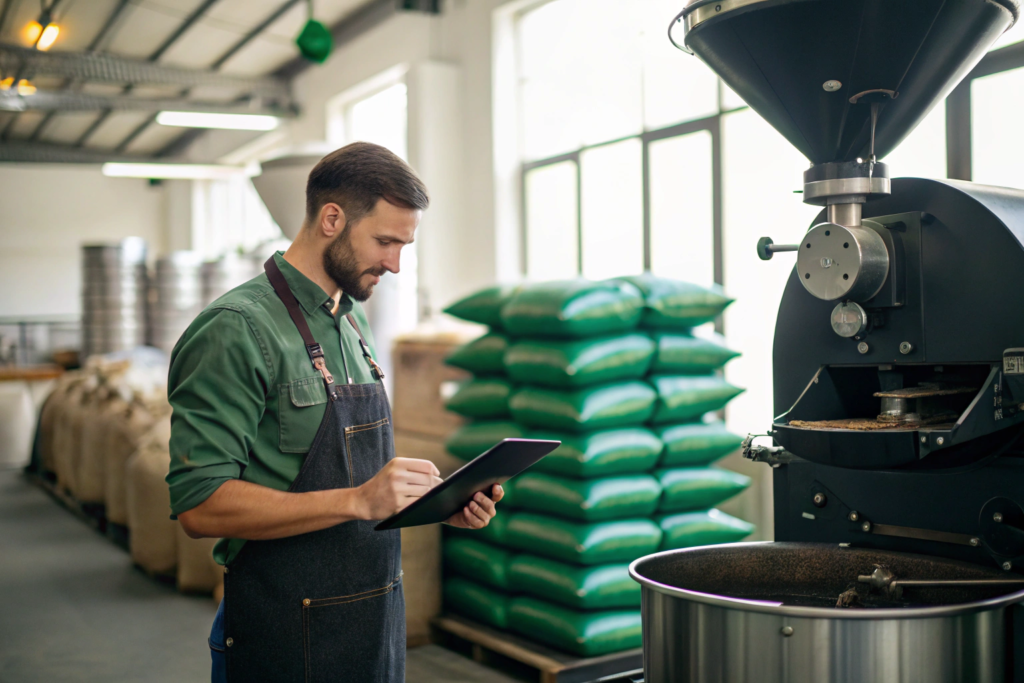
This depends on your market. If you are selling to specialty cafes, light and medium roasts are popular. These roasts highlight the origin characteristics. They show off the unique flavors of the bean. If you are using our Catimor coffee, a light roast will bring out the bright acidity and fruity notes. A medium roast will add some body and sweetness.
If you are selling to a broader market, dark roasts are often preferred. They have a familiar, bold flavor. They are consistent. They work well with milk. They are also easier to brew. A dark roast is more forgiving. If someone uses water that is too hot or brews too long, it still tastes okay. A light roast requires more precision.
I have a client in Texas who sells to offices. He uses a dark roast for his bulk accounts. He told me that office workers do not want to think about brewing. They want coffee that is simple and reliable. A dark roast gives them that. He uses a medium roast for his home delivery customers. Those customers are more engaged. They enjoy the complexity.
Another consideration is the brewing method. If your customers are using espresso machines, a medium or dark roast is standard. It extracts well under pressure. It creates a good crema. If your customers are using pour-over or French press, you can go lighter. The longer brew time allows for better extraction of lighter roasts.
You should also think about your supply chain. If you are exporting, longer shipping times favor darker roasts. They are more stable. They have a longer peak freshness window. If you are using green coffee beans from our farms, you have control over the roast. You can choose the level that fits your business model. We can help you with samples and recommendations.
What should you tell your customers about caffeine?
This is a delicate topic. You want to be honest. But you also want to be helpful. Customers have strong beliefs about caffeine. They may not want to hear that their beliefs are wrong. So, how do you handle it?
I suggest you focus on the experience. Instead of saying, "Dark roast does not have more caffeine," say something like, "Dark roast has a bold, intense flavor that many people associate with a strong cup. The caffeine content is similar across roasts. But the taste experience is different." This gives them information without telling them they are wrong.
You can also talk about the brewing. Explain that the way you brew affects the caffeine in the cup. A longer brew time extracts more caffeine. A finer grind extracts more caffeine. This is useful information for customers. It helps them control their own experience.
One of our partners in Canada does this well. On his website, he has a section called "Caffeine and Roast." He explains the science in simple terms. He talks about the bean structure. He talks about extraction. He does not say one roast is better. He gives his customers the tools to make their own choice. His customers appreciate the honesty. They trust him more.
You can also use this as a selling point. If you are selling a light roast, you can say, "Our light roast preserves the natural caffeine of the bean. It offers a clean, bright flavor with the same energy boost you expect." If you are selling a dark roast, you can say, "Our dark roast is roasted to develop deep, rich flavors. It brews easily and delivers a satisfying cup." Both statements are true. Both appeal to different customers.
I also want to mention the role of certifications. Some of our clients ask about organic or Rainforest Alliance certifications. These do not affect caffeine content. But they matter to customers. They signal quality and responsibility. At Shanghai Fumao, we have certifications for many of our farms. This is part of the story you can tell. It shows that you care about where your coffee comes from.
The Connection Between Roast, Caffeine, and Your Supply Chain
I want to bring this back to your business. You are not just a coffee drinker. You are a professional. You are building a brand. You are managing a supply chain. The choices you make about roast and caffeine affect your operations. They affect your relationships with suppliers. They affect your bottom line.
How does roast level affect your inventory and logistics?
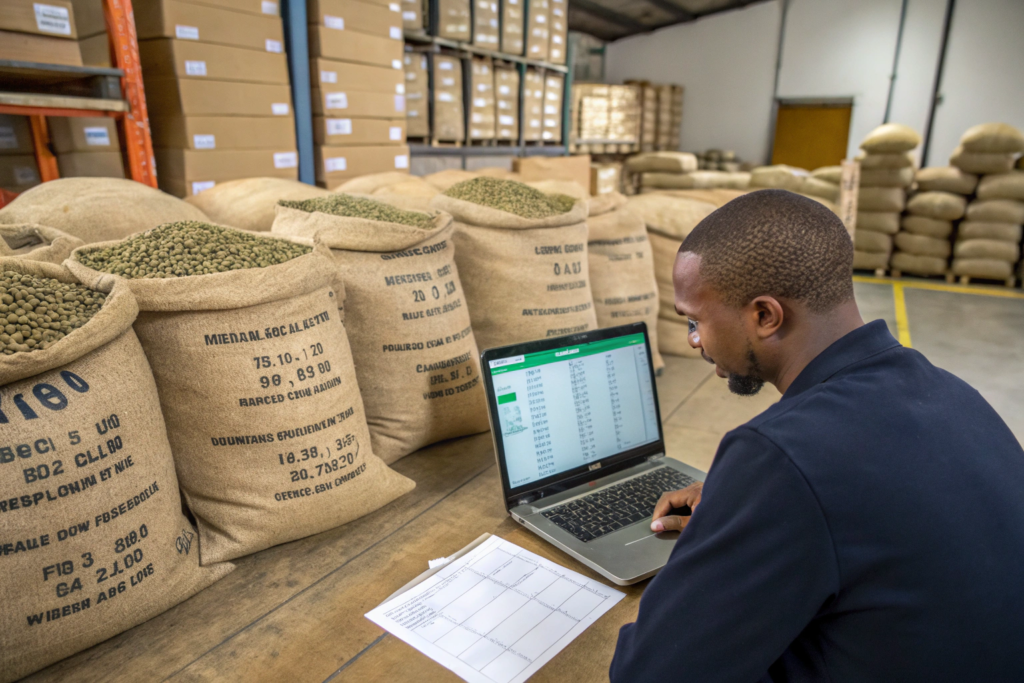
This is something I see roasters overlook. The roast level you choose impacts your inventory management. A dark roast loses more weight. It also loses more volume. If you are roasting a dark roast, you get fewer bags from the same amount of green coffee. This affects your cost per bag. It affects your pricing.
I have a client in Seattle who tracks this carefully. He uses our Arabica coffee for both light and dark roasts. He told me his dark roast yields about 14% less roasted coffee per pound of green. That is a real cost. He prices his dark roast slightly higher to account for it. His customers understand. They know they are getting a different product.
Another factor is shelf life. Dark roasts have oils on the surface. Those oils can go rancid faster. So, dark roasts need better packaging. They benefit from nitrogen flushing. Light roasts have less oil. They can last longer in standard bags. This is something to consider if you are shipping long distances or storing coffee for a while.
If you are working with a partner like Shanghai Fumao, you can manage these variables. They help our clients with logistics and packaging. They understand the differences between roasts. They can help you choose the right packaging for your product.
You should also think about your customers' storage. If your customers are cafes, they go through coffee quickly. Shelf life is less of a concern. If your customers are home users, they might keep the bag for weeks. A darker roast might not hold up as well. A lighter roast might be more forgiving. This is another factor to consider when choosing your roast profile.
How can you build a consistent product around roast and caffeine?
Consistency is the foundation of a good coffee brand. Your customers need to know what to expect. If they buy your coffee, they want the same experience every time. This is true for roast level, flavor, and caffeine.
The first step is to have a reliable green coffee supply. If your green beans change, your roasted coffee changes. That is why we own our farms. We control the quality. We know what we are shipping. When you buy from us, you get consistency. You can build your roast profile around that consistency.
The second step is to document your roast profiles. Keep records. Write down the temperatures, the times, the color readings. When you find a profile that works, repeat it. This is how you ensure that your light roast tastes the same next month as it did this month. This is how you ensure that the caffeine extraction is consistent.
The third step is to test. Cup your coffee regularly. Check the extraction. Make sure it is consistent. If something changes, go back to your records. Find out why. This is the work of a professional roaster. It takes time. But it is worth it. Your customers will notice. They will trust you.
I have a client in New York who uses our Catimor coffee for his house blend. He roasts it to a medium level. He cups it every week. He told me that this practice helped him catch a problem early. One week, the coffee tasted different. He checked his roaster. It was a small temperature fluctuation. He fixed it. His customers never noticed. That is the value of consistency.
Conclusion
The relationship between roasting and caffeine is not complicated. But it is often misunderstood. Caffeine is stable. It does not burn off during roasting. The total caffeine in a bean stays roughly the same. What changes is the bean itself. It loses water. It loses mass. Its structure becomes more porous. This affects how the coffee brews. It affects how the caffeine extracts. And it affects how the coffee tastes.
For your customers, the experience matters more than the numbers. A dark roast tastes bolder. It feels stronger. That is what they want. A light roast tastes brighter. It highlights the origin. That is what other customers want. Both have their place. Both can be part of a successful business.
For you as a roaster or buyer, the key is to understand your market. Choose your roast level based on your customers' preferences. Be honest about what you are selling. Use the science to inform your decisions, not to argue with your customers. And build a supply chain that supports consistency.
At Shanghai Fumao, we understand these challenges. We have been growing coffee for years. We export to roasters all over the world. We know that your success depends on reliable green beans, consistent quality, and good information. We are here to help. Whether you need our Arabica, our Catimor, or our Robusta, we can supply it. We can work with you to find the right roast level for your market.
If you have questions about roasting, or if you want to learn more about our coffee, I encourage you to reach out. Talk to Cathy Cai. She is our export manager. She works with roasters every day. She can help you find the right beans for your business. She can answer your questions about roasting and caffeine. Her email is cathy@beanofcoffee.com. Send her a message. Let us work together to build something great.