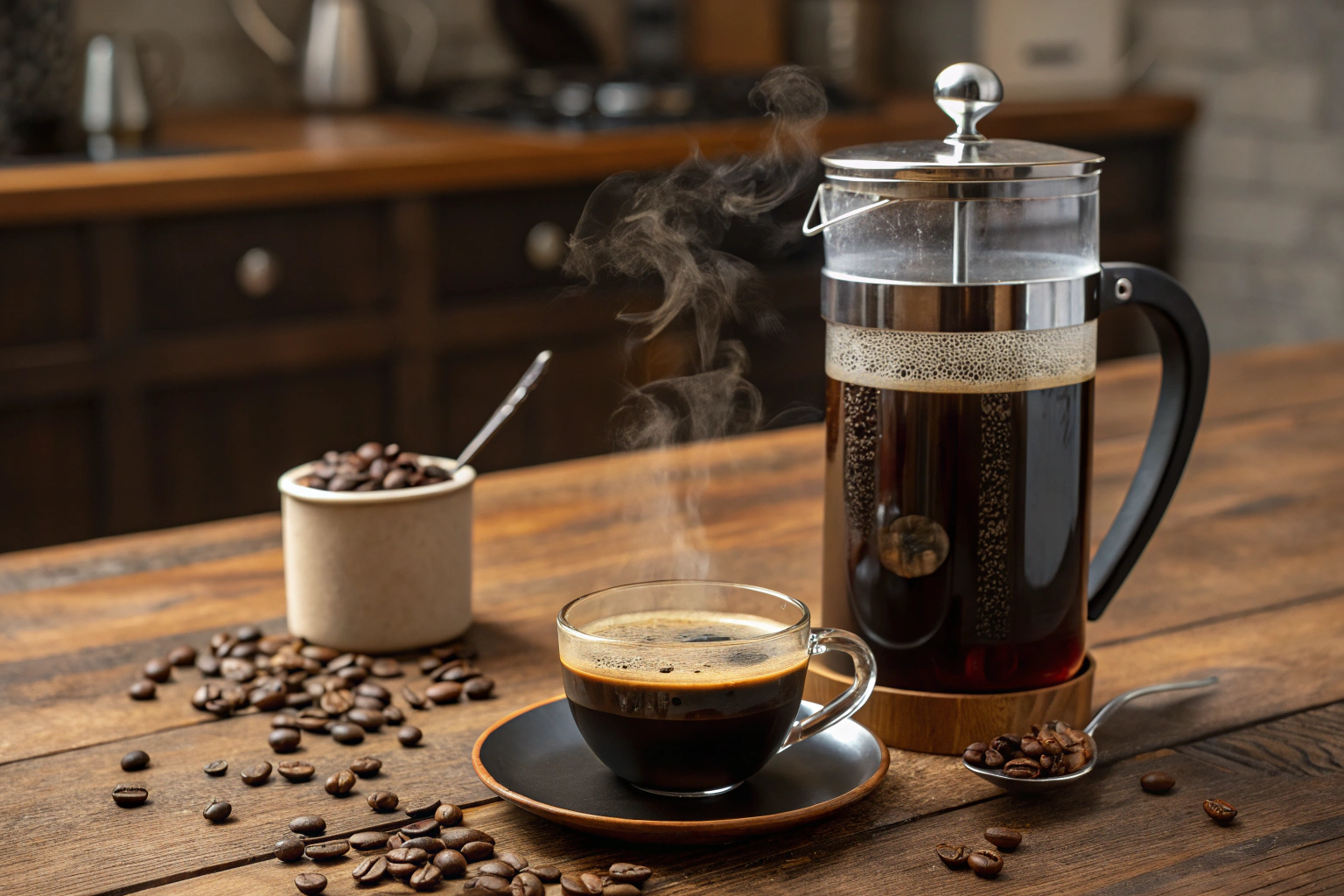
I have spent my life around coffee. But for many years, I did not pay much attention to robusta. Arabica was the star. Everyone wanted it. Everyone talked about it. Robusta was the other one. The cheap one. The one people used for instant coffee. But then something changed. I started talking to roasters in Europe. They asked about our robusta. They said their customers were asking for it. They wanted a coffee with more body. More kick. More crema. I was curious. I went back to our farms. I looked at our robusta trees. I started cupping it. And I realized I had been wrong. Robusta is not a lesser coffee. It is a different coffee. And when you brew it right, it is something special.
The best way to brew robusta is to embrace its strengths and manage its intensity. Robusta has about twice the caffeine of arabica. It has a heavier body. It produces a thick, lasting crema. But it can also be harsh if you treat it like arabica. You need to adjust your grind, your water temperature, and your brew time. A coarser grind works well. Slightly cooler water helps. And a shorter brew time prevents over-extraction. For espresso, robusta is a star. For pour-over, a careful approach is key. When you get it right, you get a cup with deep chocolate notes, a rich mouthfeel, and a powerful finish.
Let me walk you through what I have learned. I will tell you about the robusta we grow on our farms in Yunnan. I will share the brewing methods that work best. And I will give you practical advice, whether you are a roaster, a cafe owner, or just someone who wants to make a great cup at home.
Understanding Robusta: What Makes It Different
Before you can brew robusta well, you have to understand what it is. It is not just a weaker version of arabica. It is a different species. It grows in different conditions. It has a different chemical makeup. And that changes everything about how you brew it.
What are the key characteristics of robusta?
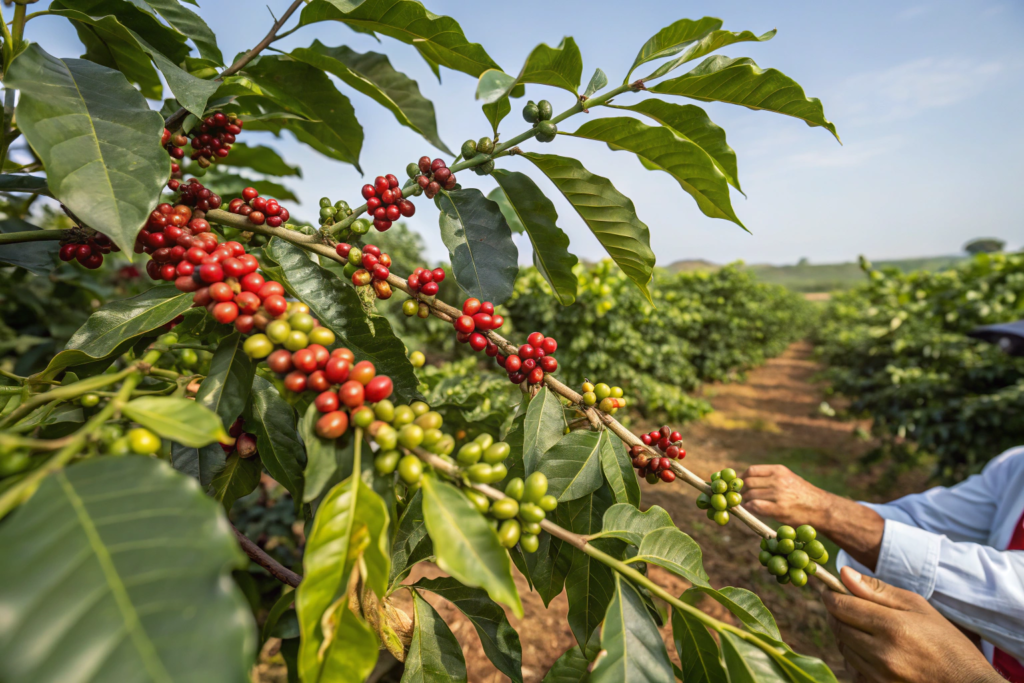
Let me start with the plant itself. Robusta is hardier than arabica. It grows at lower altitudes. It tolerates heat better. It resists diseases. That is why it is easier to farm. But the bean is different. It has more caffeine. About twice as much. Caffeine is a natural pesticide. It protects the plant. That high caffeine content is part of what makes robusta unique.
The flavor profile is also different. A good robusta is not the harsh, rubbery coffee people sometimes imagine. A well-grown and well-processed robusta has deep, earthy notes. There is chocolate. There is a nutty quality. Sometimes you get a hint of dark fruit. The body is heavy. It coats your mouth. And the finish is long and powerful.
But there is a catch. Robusta can be harsh if it is not handled well. The high caffeine content brings bitterness. The compounds that give it body can also make it taste rough. This is why the brewing method matters so much. You need to extract the good stuff without pulling out the harshness.
I remember the first time I cupped our own robusta seriously. We have been growing it on our farms in Baoshan for years. But I had always focused on our arabica. One day, I sat down with our quality control team. We cupped five different lots of robusta. I was surprised. Some were harsh. But some were smooth. They had dark chocolate notes. They had a creamy body. The difference was in the processing and the roast. The same is true for brewing. You can bring out the best or the worst.
Another characteristic is the crema. Robusta produces a much thicker, more stable crema than arabica. This is because of the higher concentration of oils and other compounds. For espresso drinkers, this is a big deal. A robusta-based espresso has a beautiful, lasting crema. It looks impressive. It holds up in milk drinks. This is why traditional Italian espresso blends often include robusta.
How does robusta differ from arabica in brewing?
The differences between robusta and arabica are not just about taste. They affect how you brew. Arabica is more delicate. It has more acidity. It has a lighter body. It is more forgiving. Robusta is more intense. It has less acidity. It has a heavier body. It is less forgiving. You have to adjust your approach.
Think about the grind. Arabica often does well with a medium-fine grind for pour-over. Robusta tends to do better with a coarser grind. The reason is extraction. Robusta extracts faster. The compounds that give it flavor and body come out quickly. But so do the harsh compounds. A coarser grind slows down the extraction. It gives you more control.
Water temperature is another factor. For arabica, you often use water just off the boil, around 96 degrees Celsius. For robusta, I recommend slightly cooler water. Around 90 to 92 degrees Celsius. The cooler water extracts more gently. It pulls out the chocolate and nutty notes. It leaves behind some of the harsher bitterness.
Brew time matters too. A shorter brew time is better for robusta. For a French press, I would not let robusta steep for more than three minutes. For pour-over, I aim for a faster flow. A longer brew time will over-extract. You will get more bitterness. You will lose the balance.
I have a client in Chicago who roasts our robusta. He told me he had to change all his brew recipes when he started offering it. His baristas were used to arabica. They used the same grind, the same temperature, the same time. The robusta came out too bitter. He had to teach them to adjust. Now, they have a separate recipe for robusta. And it is one of their best-selling single-origins.
Another angle is the roast level. Robusta handles darker roasts well. The dark roast mellows out some of the harshness. It brings out the chocolate and caramel notes. A light roast robusta can be intense. Some people like that. But for most drinkers, a medium to dark roast is the sweet spot. This is how we recommend our clients roast our Robusta coffee for the best results.
Brewing Methods That Work Best for Robusta
Now let us get into the practical part. How do you actually brew robusta? I have tested different methods. I have talked to roasters who specialize in robusta. I have learned from my own mistakes. Here is what works.
How to brew robusta espresso?
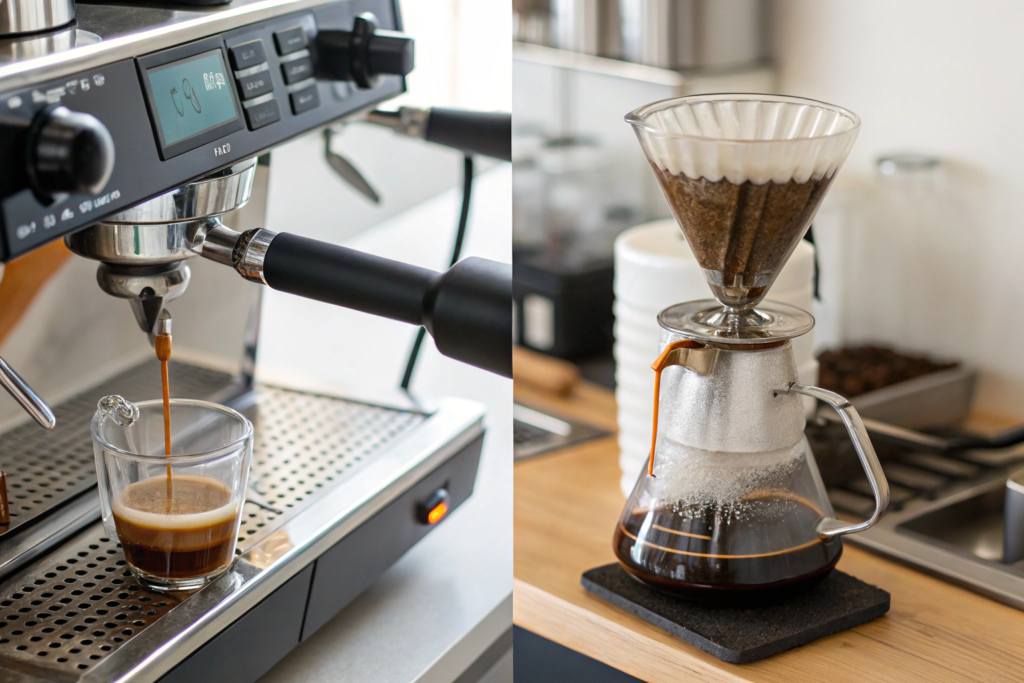
This is where robusta shines. If you have an espresso machine, robusta is worth trying. The thick crema alone is a reason. But you have to dial it in correctly.
Start with your dose. Use the same weight you would for arabica. 18 grams for a double shot is a good starting point. The grind needs to be slightly coarser than you would use for arabica. I know that sounds counterintuitive. But robusta extracts faster. A coarser grind prevents over-extraction.
Your water temperature should be a little lower. Aim for 90 to 92 degrees Celsius. If your machine lets you adjust, do it. If not, do not worry too much. You can compensate with the grind and the brew time.
The extraction time should be shorter. For arabica, you might aim for 25 to 30 seconds. For robusta, aim for 20 to 25 seconds. Watch the flow. It should be smooth. If it is too slow, your grind is too fine. If it is too fast, your grind is too coarse. Adjust until you get a steady stream.
What should you look for? A robusta espresso should have a thick, dark crema. The color should be rich. The taste should be bold. There should be chocolate notes. There might be a nutty quality. The finish should be long but not harsh. If it tastes bitter or rubbery, you have over-extracted. Adjust your grind coarser or shorten the brew time.
I have a client in Melbourne who uses our robusta in his house espresso blend. He uses 30% robusta and 70% arabica. He told me the robusta adds body and crema. It makes the espresso stand up in milk drinks. His flat whites are more flavorful. His customers love it. He brews the robusta component separately and blends after roasting. This gives him control over each element.
Another approach is to use 100% robusta for espresso. This is more common in Vietnam and parts of Europe. A pure robusta espresso is intense. It is not for everyone. But people who like bold coffee love it. It pairs well with sweetened milk drinks like cappuccino or latte. The sweetness of the milk balances the intensity of the coffee.
How to brew robusta for pour-over or French press?
Not everyone has an espresso machine. And robusta can work well for other methods. You just need to adjust your approach.
For pour-over, use a coarser grind than you would for arabica. Think more like sea salt than table salt. Use water at 90 to 92 degrees Celsius. Aim for a total brew time of two to two and a half minutes. If you usually take three minutes for arabica, shorten it for robusta.
The pour-over method gives you control. You can adjust the flow rate. A slower pour will extract more. A faster pour will extract less. Start with a moderate pace. Taste it. If it is too bitter, pour faster next time. If it is too weak, pour slower.
For French press, the same principles apply. Use a coarse grind. Use cooler water. And shorten the steep time. I recommend three minutes for robusta. Stir gently after pouring. Then press and pour. Do not let it sit in the press. The extraction will continue and become bitter.
I remember a conversation with a roaster from Seattle. He was skeptical about robusta for pour-over. He thought it would be too harsh. I sent him some of our Robusta coffee. I told him to try a coarser grind and cooler water. He called me back a week later. He said he was wrong. The coffee was smooth. It had dark chocolate notes. It had a heavy body. He started offering it as a single-origin pour-over. It became a cult favorite among his customers.
Another method that works well is cold brew. Robusta is excellent for cold brew. The long, slow extraction at low temperature brings out the chocolate and nutty notes. It smooths out the harshness. The result is a rich, concentrated coffee that is perfect over ice or with milk. Use a coarse grind. Steep for 12 to 16 hours in cold water. Filter and enjoy.
Common Mistakes When Brewing Robusta
I have made my share of mistakes with robusta—those bold, earthy beans that often get overshadowed by their more celebrated arabica cousins. I have also seen roasters and baristas, in their earnest pursuit of crafting the perfect cup, stumble into the same missteps time and again, letting robusta's unique character fall flat or be misunderstood. Let me share these common pitfalls with you, dear fellow coffee enthusiast. If you learn to sidestep these errors, you will not only unlock robusta's true potential but also find yourself far ahead of the game, savoring a richer, more nuanced experience that few dare to explore.
Why does robusta often taste bitter?
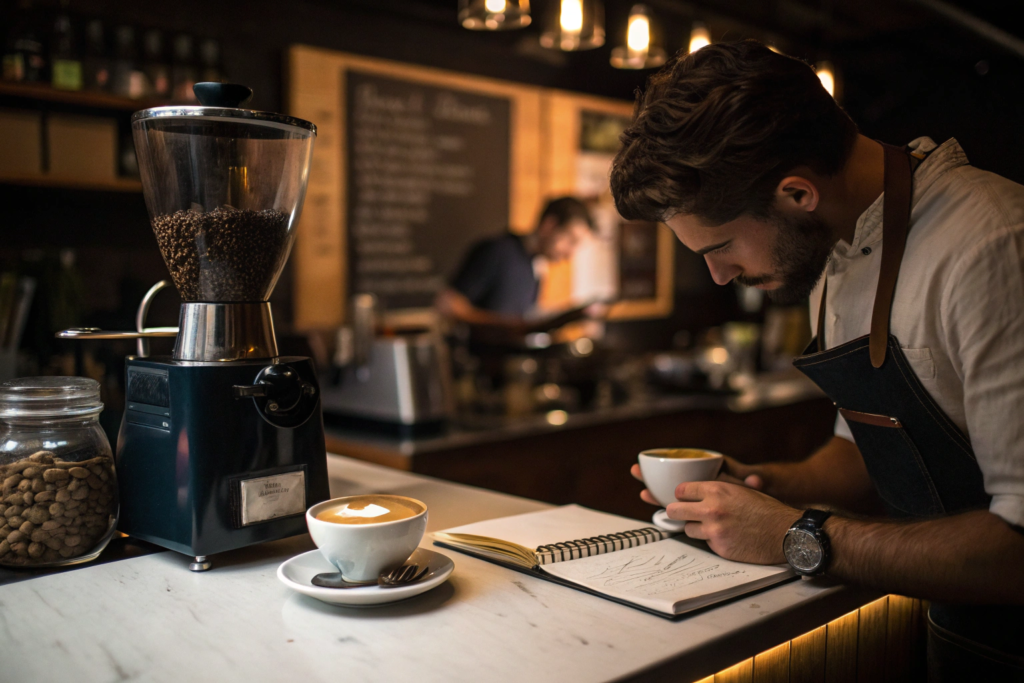
This is the most common complaint about robusta. And it is usually a brewing problem. Robusta is not inherently bitter. It has a different kind of bitterness than arabica. But when you brew it wrong, that bitterness becomes overwhelming.
The main cause is over-extraction. Robusta extracts faster than arabica. If you use the same grind, the same water temperature, and the same brew time, you will over-extract. The harsh compounds come out. The result is a bitter, unpleasant cup.
The solution is to adjust. Use a coarser grind. Use cooler water. Shorten the brew time. These three changes will transform your robusta. You will get the good flavors. You will leave the bad ones behind.
Another cause is poor quality robusta. Not all robusta is the same. Low-grade robusta can have a harsh, rubbery taste no matter how you brew it. This is why sourcing matters. At BeanofCoffee, we take care with our robusta. We grow it on our farms in Yunnan. We process it carefully. The result is a clean, high-quality robusta that brews well.
I had a client in New York who was using a cheap robusta for his blend. He was having trouble with bitterness. He thought it was his brewing. He tried everything. Nothing worked. Then he switched to our robusta. The bitterness disappeared. He realized the problem was not the brewing. It was the bean. He has been buying from us ever since.
What roast level is best for robusta?
This is another common question. The roast level affects how robusta brews. It also affects the flavor profile.
Light roast robusta is intense. It has high caffeine. It has a sharp, powerful flavor. Some people like this. But for most, it is too much. The bitterness is forward. The body is thin. It can be challenging to brew well.
Medium roast robusta is a good balance. The roast mellows the harshness. The chocolate notes come forward. The body is full. This is a good choice for pour-over or French press. It is also good for espresso if you want a pure robusta shot.
Dark roast robusta is smooth. The dark roast brings out caramel and roasted notes. The bitterness becomes more like dark chocolate. The body is heavy. This is the classic robusta for espresso blends. It adds body and crema without overpowering the other flavors.
I recommend starting with a medium to dark roast for most brewing methods. If you are using our green coffee beans to roast yourself, experiment. Try different roast levels. See what works for your customers. Keep notes. This is how you find your perfect profile.
One of our partners in Canada roasts our robusta to a full city roast. He uses it for his espresso blend. He told me that the dark roast brings out the best in the bean. It is smooth. It is rich. It creates a beautiful crema. His customers love it. He has been using the same roast profile for three years. That is consistency.
Robusta in Blends and Specialty Applications
Robusta does not have to stand alone. In fact, it often works best as part of a blend. The strengths of robusta complement the strengths of arabica. Together, they create something better than either alone.
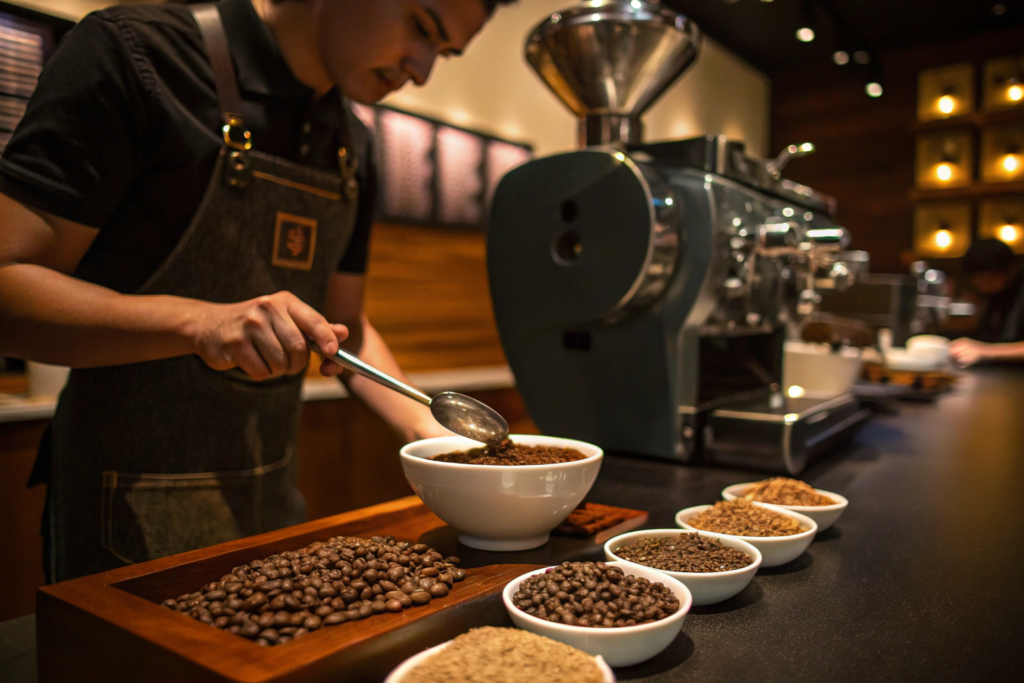
How to use robusta in espresso blends?
This is the traditional use for robusta. Italian espresso blends have used robusta for generations. The robusta adds body. It adds crema. It adds a deep, dark flavor that stands up to milk.
The key is balance. Too much robusta can overwhelm. Too little and you lose the benefits. A common ratio is 10% to 30% robusta, with the rest arabica. This gives you the crema and body without sacrificing the complexity of the arabica.
You have to consider the roast levels as well. Often, the robusta is roasted darker than the arabica in the blend. This brings out its chocolate and caramel notes. The arabica might be roasted lighter to preserve its acidity and fruit notes. Together, they create a complex, balanced espresso.
I have a client in Texas who uses our robusta in his espresso blend. He uses 20% robusta and 80% arabica. He roasts the robusta separately. He roasts it darker. Then he blends the roasted beans. He told me this gives him control. He can adjust the ratio without changing his roast profiles. His espresso has a thick crema. It holds up in milk drinks. And it has a deep, satisfying flavor.
Another approach is to use robusta for decaf blends. Robusta has more caffeine to begin with. When you decaffeinate it, you still have a bean with good body and crema. This is why many decaf espresso blends use robusta. It gives the decaf the same mouthfeel as regular espresso.
Can robusta be a specialty single-origin?
Yes. And this is a growing trend. More roasters are offering single-origin robusta. They are treating it with the same respect they give to arabica. They are sourcing high-quality robusta. They are roasting it carefully. And they are educating their customers.
The key is to find good robusta. Not all robusta is created equal. High-quality robusta comes from careful farming and processing. At BeanofCoffee, we treat our robusta with the same care as our arabica. We hand-pick the cherries. We process them carefully. The result is a clean, flavorful robusta that can stand on its own.
I remember a cupping session we did with a group of roasters from Australia. We served them our robusta alongside some high-end arabicas. They were surprised. They said our robusta was smooth. It had chocolate and nutty notes. It had a heavy body. They asked if they could buy it for their single-origin offerings. Now, several of them do.
For a single-origin robusta, I recommend a medium roast. This preserves the natural characteristics of the bean. It allows the chocolate and nutty notes to come through. The brewing method should be adjusted as I described earlier. Coarser grind. Cooler water. Shorter brew time. This brings out the best.
One of our clients in London sells our robusta as a single-origin espresso. He calls it "The Night Shift." It is popular with customers who want a strong, bold coffee. He serves it as a short black or as a latte. The crema is thick. The flavor is intense. His customers keep coming back for it.
Conclusion
Robusta is not a second-class coffee. It is a different coffee. It has its own strengths. It has its own character. When you understand it, you can brew it well. When you brew it well, it rewards you with a cup that is bold, rich, and satisfying.
The best way to brew robusta is to respect its intensity. Use a coarser grind than you would for arabica. Use cooler water. Shorten your brew time. For espresso, aim for a shorter extraction. For pour-over, aim for a faster flow. For French press, steep for less time. These adjustments make the difference between a harsh cup and a beautiful one.
Think about your roast level too. Medium to dark roasts work best. They bring out the chocolate and caramel notes. They mellow the intensity. If you are roasting your own coffee, experiment. Find the profile that works for your customers.
Consider how you use robusta. It shines in espresso blends. It adds body and crema. It stands up to milk. But it can also be a great single-origin. When sourced well and roasted well, it has a character all its own.
At Shanghai Fumao, we grow robusta alongside our arabica and catimor. We own our farms in Yunnan. We control the quality. Our robusta is clean. It is flavorful. It is ready for whatever you want to do with it. Whether you are blending it or serving it on its own, we can help.
If you want to learn more about our robusta, or if you have questions about brewing, reach out to Cathy Cai. She is our export manager. She works with roasters all over the world. She can help you find the right coffee for your business. She can share brewing tips and roast recommendations. Her email is cathy@beanofcoffee.com. Send her a message. Let us talk about how robusta can work for you.