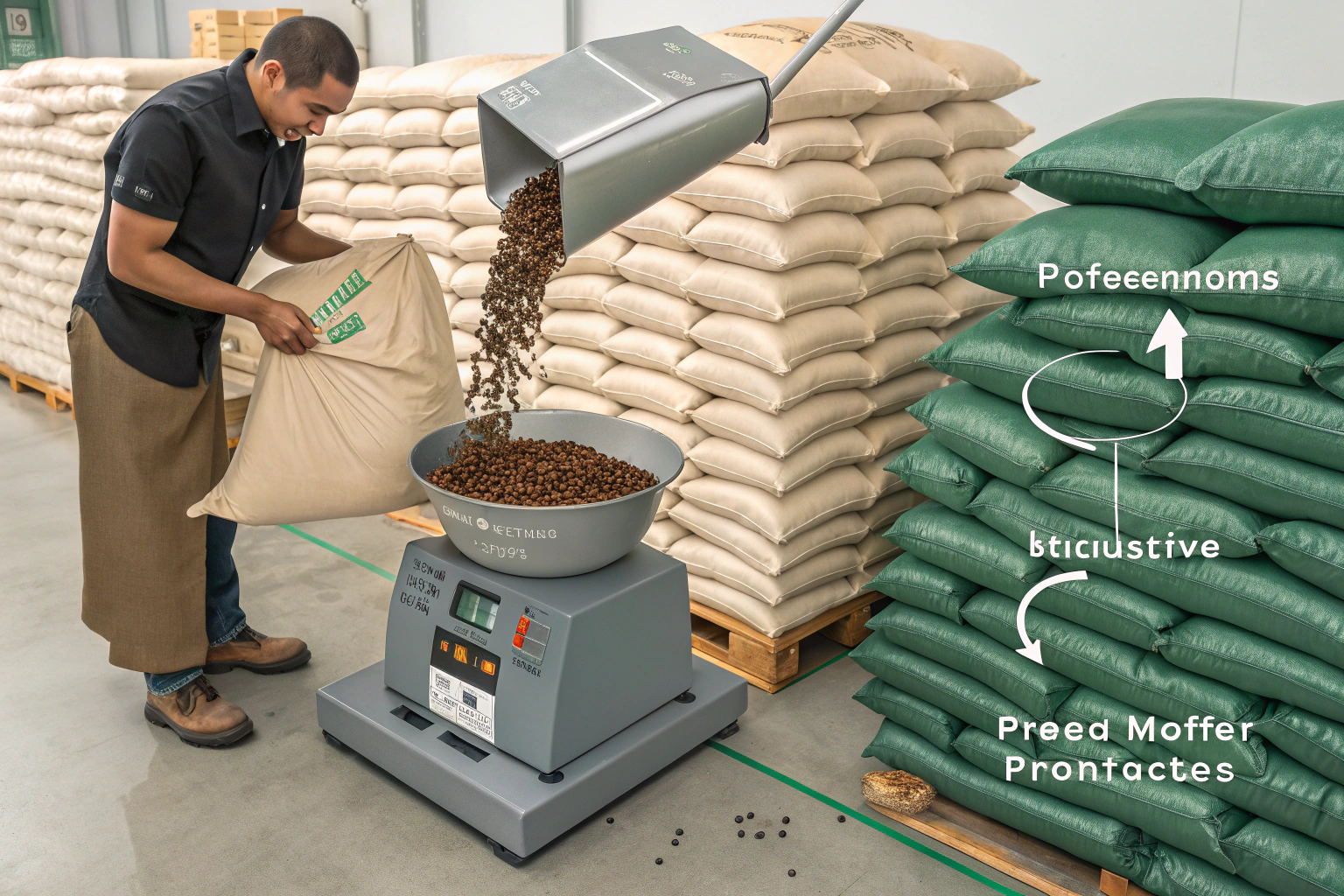
You found the perfect lot. The cupping score is high, the flavor notes are vibrant. You place your order. But during the month-long sea voyage, something happens. The coffee arrives... dull. The brightness is muted, the aroma flat. What stole the freshness? Often, it's oxygen and moisture—the silent enemies of green coffee. At our Yunnan plantation, we learned this lesson early. Now, we have a simple, powerful tool to win this battle: GrainPro bags.
Using GrainPro bags to preserve coffee freshness involves creating a near-total barrier against the environment. The process requires properly filling the bags with coffee at the correct moisture level (ideally 10-11%), creating a strong airtight seal, and then storing the sealed bags correctly. This hermetic environment halts oxidation, prevents moisture exchange, and stops insect infestation, effectively "pausing" the aging process of green coffee beans from the moment of packing until the bag is opened at the roastery.
That's the core principle. But just putting coffee in a fancy bag isn't enough. The magic—and the risk of failure—lies in the details of how it's done. A poor seal renders the bag useless. Storing it wrong can puncture it. Let's walk through the exact, step-by-step process we use at origin to ensure the freshness you paid for is the freshness you receive.
Why Are GrainPro Bags Superior to Traditional Packaging?
For decades, jute bags were the standard. They're cheap, sturdy, and breathable. But that's the problem—they're too breathable. Jute offers zero protection against humidity, oxygen, and pests. Your coffee is essentially exposed to the changing conditions of a shipping container and warehouse. GrainPro bags, made from multi-layer polyethylene with high-barrier properties, act as a fortress.
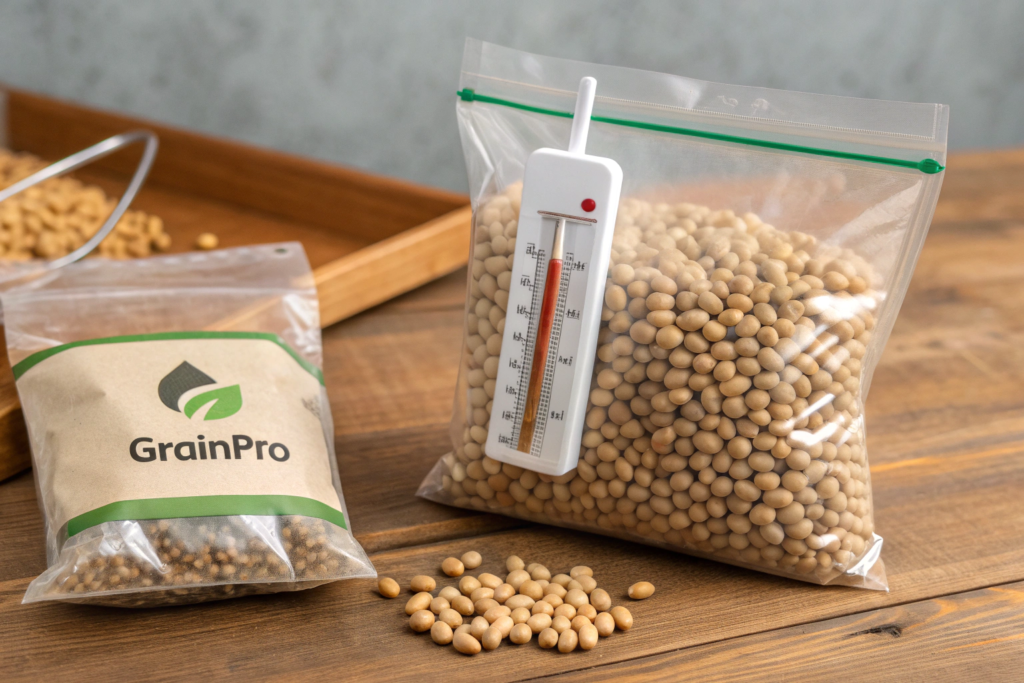
GrainPro bags are superior because they provide a hermetic (airtight) seal. This directly attacks the three main causes of freshness loss: oxidation, moisture migration, and contamination. When green coffee is exposed to air, its oils and aromatic compounds slowly oxidize, leading to stale flavors. GrainPro bags stop this. They also prevent the beans from absorbing ambient moisture in humid ports or releasing moisture in dry climates, which stabilizes weight and moisture content. Finally, they are a physical barrier against insects and foreign odors. For an exporter, this means we can guarantee the quality and safety of the product we ship. For you, the buyer, it means the coffee's flavor profile remains intact, giving you a longer shelf life and a more consistent roasting result. It's a critical step in being a reliable supplier.
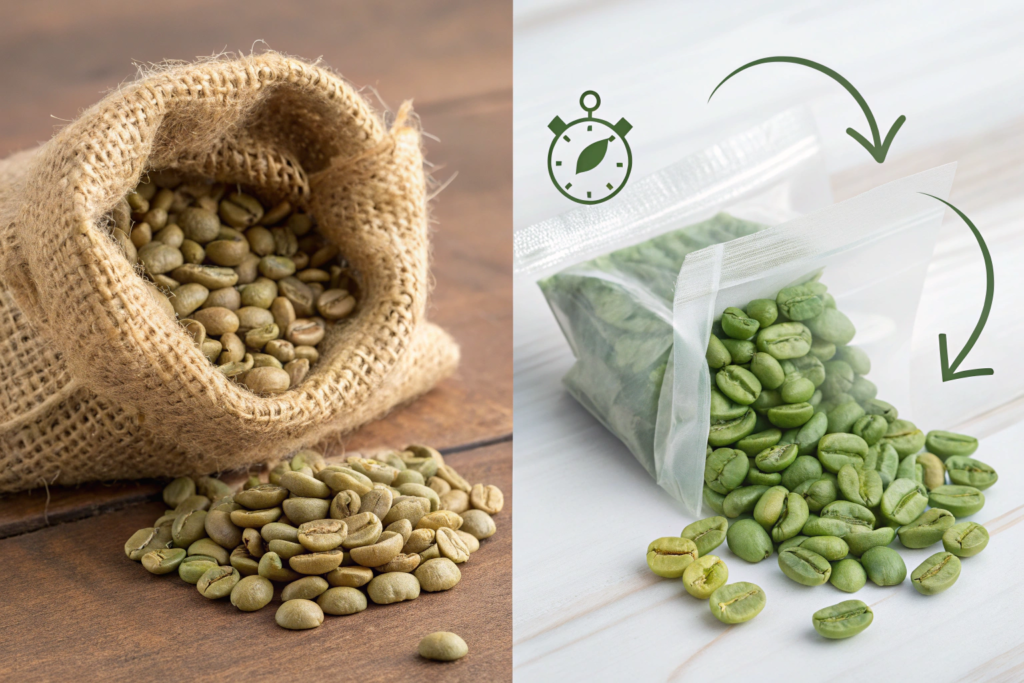
What Happens to Coffee in a Jute Bag vs. a GrainPro Bag?
The difference is like storing bread in a paper bag versus a zip-lock bag. In a jute bag, coffee is in constant, passive exchange with the environment. On a humid day at the port, it absorbs water. In a dry warehouse, it loses water. It constantly breathes in oxygen, accelerating staling. Insects can easily penetrate the weave. In a GrainPro bag, once sealed, the internal atmosphere is locked. The oxygen present is minimal and is quickly consumed by the beans' residual respiration, creating a low-oxygen environment that drastically slows chemical reactions. The moisture level set at packing remains constant. Pests are kept out. We've conducted side-by-side tests: after six months of storage, coffee in GrainPro tastes noticeably closer to its original profile than coffee in jute. This preservation directly translates to value for you.
How Does Hermetic Sealing Impact Coffee's Shelf Life?
It dramatically extends it. Think of shelf life as a countdown timer. Exposure to air and humidity speeds the clock up. Hermetic sealing slows it down. For green coffee, the industry often cites a 9-12 month shelf life in jute under good conditions. In GrainPro, that can be extended to 18-24 months without significant quality degradation, provided the coffee was dry and stable when packed. This is a huge advantage for your inventory management. You can buy larger volumes during harvest without fearing rapid quality drop. It also provides a security buffer against logistics delays. If a shipment is held up at customs, you don't have to panic about the coffee spoiling. This stability is a core part of our promise to be a trustworthy partner.
What Is the Step-by-Step Process for Packing with GrainPro?
Getting it right is a manual process that demands attention. It's not automated, and that's a good thing—it ensures care. Here is the exact sequence we follow at our Baoshan processing station.
The process is methodical: preparation, lining, filling, and sealing. First, you must start with coffee that is correctly dried and rested (stable at 10-11% moisture). Packing wet coffee into a hermetic bag is a recipe for mold, as trapped moisture has nowhere to go. Then, you insert the GrainPro liner into a sturdy outer bag (usually jute or woven poly for protection). The liner is opened fully, and green coffee is poured in carefully to avoid tearing. The bag is filled to a standard weight (60kg/132lb), leaving enough liner material at the top for a proper seal. The most critical step follows: removing as much air as possible and creating a strong, continuous seal along the top of the liner.
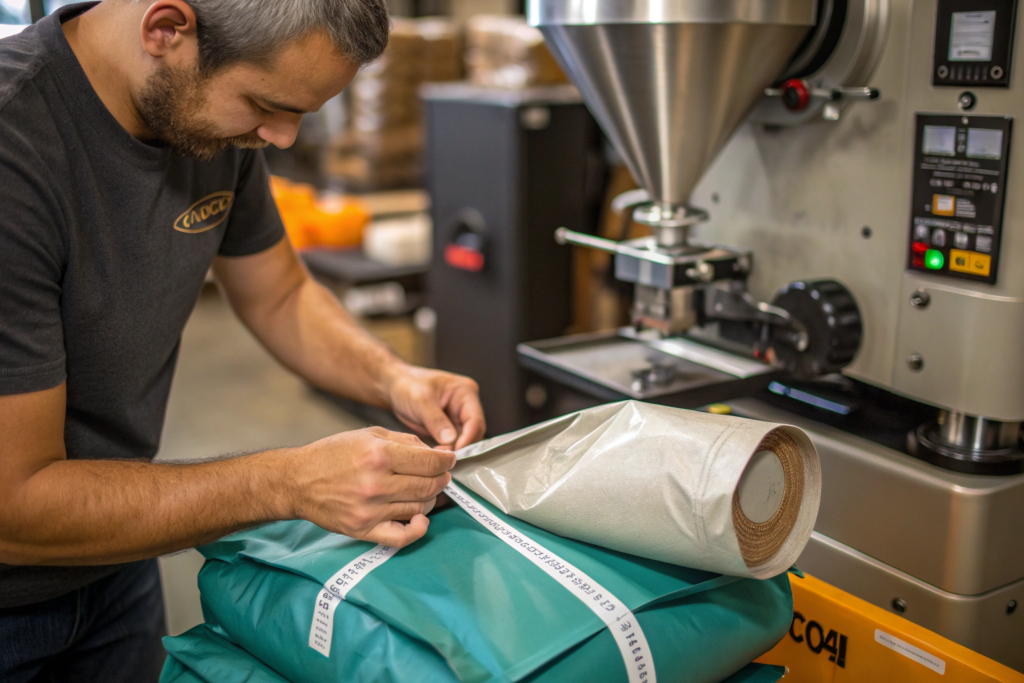
How Do You Properly Insert and Secure the Liner?
The liner must be inserted smoothly into the outer bag without wrinkles or folds that could create channels for air. We open the GrainPro liner completely and place it inside the empty outer bag, ensuring the top edges of the liner are folded over the top edges of the outer bag. This "cuff" keeps the liner in place and clean during filling. It's important that the liner sits evenly; a corner tucked underneath can be punctured by the weight of the beans. Before filling, we often place a small board at the bottom of the bag to protect the liner from sharp objects on the floor. This meticulous setup prevents failures later. It's a step that separates experienced packers from novices. At Shanghai Fumao, our packing team is trained specifically on this process because we know the entire investment in quality hinges on this step.
What Is the Correct Method for Evacuating Air and Sealing?
Air evacuation is key. After filling, we gather the top of the liner and twist it gently to create a narrow neck. We then press down on the bag, forcing out as much of the trapped air as possible through the twisted opening. Some operations use a simple vacuum pump for this step. Once most air is out, we fold the twisted neck over itself tightly and apply the seal. The standard seal is a double-fold followed by two strong plastic clips (sometimes called "omega clips") placed about an inch apart. The seal must be tight and continuous—no gaps. We then tuck the sealed top back into the outer bag and sew the outer bag shut. This double closure (hermetic liner clip + sewn outer bag) provides maximum security. We often mark the outer bag with "GrainPro Lined" so everyone in the logistics chain handles it with appropriate care.
How Should GrainPro-Packed Coffee Be Stored and Handled?
The job isn't done once the bag is sealed. Improper storage and rough handling can defeat the purpose. GrainPro liners are tough but not indestructible. They are a barrier, not armor.
GrainPro-packed coffee must be treated with the same care as any high-quality product, with extra attention to preventing punctures. The ideal storage is in a cool, dry, and dark warehouse. While the liner protects against ambient humidity, extreme heat can still accelerate aging inside the bag. Bags should be stacked on pallets, never directly on concrete floors, to avoid moisture wicking and potential punctures from debris. Stacking should be stable and not too high to avoid excessive pressure on the bottom bags. Crucially, everyone in the handling chain—from warehouse staff to forklift operators to stevedores at the port—should be informed that the bags contain a delicate inner liner. Using hooks or throwing bags is a strict no-go.
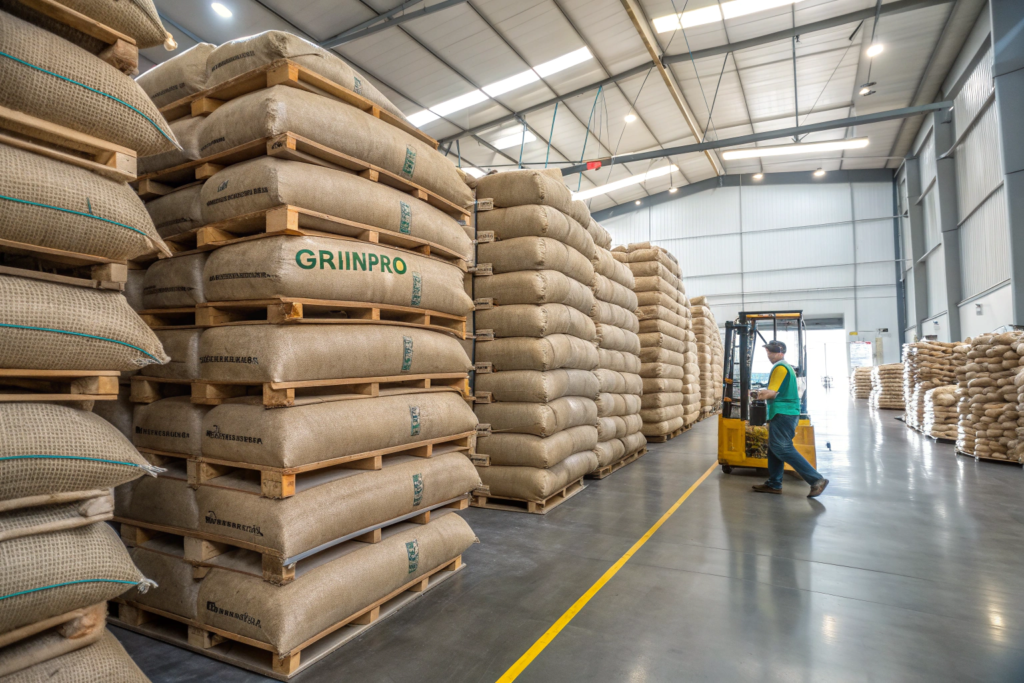
What Are the Best Warehouse Conditions for Long-Term Storage?
The best conditions are: Cool (consistent temperature below 20°C/68°F is ideal), Dry (low ambient humidity, though the liner mitigates this), and Dark (to prevent any light-induced degradation). Good ventilation is also important to prevent stale air and odors from accumulating around the bags. At our facility, we have a dedicated, clean storage area for GrainPro-packed lots. We monitor temperature and humidity, not because it affects the sealed coffee directly, but because stable external conditions are simply good practice. This level of care ensures that when the coffee leaves our warehouse, it is in the best possible state. It's a direct reflection of our commitment to quality control from start to finish.
How to Prevent Punctures During Logistics and Shipping?
Prevention is about communication and physical protection. First, clear labeling: "Hermetic Lining Inside - Do Not Use Hooks" stamped on the outer bag. Second, proper palletization and shrink-wrapping. Securing bags to a pallet with shrink wrap prevents them from shifting and rubbing against each other or sharp container walls during transit. Third, using dunnage in containers. Placing air bags or boards between the pallets and the container walls absorbs shocks and prevents direct contact. When you work with an exporter who understands these steps, like us at Shanghai Fumao, you're not just buying coffee; you're buying a safe and stable delivery system. We manage these details so you don't have to worry about the timeliness of your shipment being compromised by damage.
What Are the Limits and Misconceptions About GrainPro Bags?
GrainPro is a fantastic tool, but it's not magic. It doesn't improve bad coffee, and it can't correct fundamental mistakes made earlier in the process. Understanding its limits prevents unrealistic expectations and misuse.
The primary limit is that GrainPro is a preservation tool, not a quality-creation tool. It maintains the state of the coffee at the time of packing. If you pack poorly processed, unevenly dried, or low-quality beans, GrainPro will simply preserve those flaws. Another limit is physical vulnerability; the liner can be punctured. A major misconception is that GrainPro eliminates the need for proper drying. This is dangerously false. Coffee must be dried to a safe moisture level (10-11.5%) before packing. Packing wet coffee will trap moisture and likely cause mold inside the bag. Finally, GrainPro does not last forever; the barrier properties can degrade over very long periods (years), and the plastic can become brittle.
Can GrainPro Bags Be Reused or Resealed?
This is a common question. The official answer is no, not for critical long-term storage. Once the original seal is broken, the hermetic environment is lost. The bag can be reused for short-term storage or transport if re-sealed very carefully with new clips, but it will not regain the same level of airtight integrity. For you, the roaster, once you open a bag, it's best to use the coffee within a few weeks. Transferring remaining beans to another airtight container is a good practice. We do not reuse liners for export packing at our facility. Each shipment gets a fresh, new liner to guarantee performance. This is part of our standard for being reliable.
Does GrainPro Replace the Need for Pest Management?
It is a highly effective part of an integrated pest management strategy, but it does not replace it entirely. GrainPro bags protect the packed coffee from external infestation. However, if coffee beans already contain insect eggs (which can happen before drying if not properly managed), those eggs can still hatch inside the sealed bag. The low-oxygen environment may suppress them, but it's not a guaranteed kill. Therefore, proper sanitation, storage hygiene, and fumigation (if necessary and legal) before packing are still essential. At our plantation, we ensure our processing eliminates this risk before coffee ever reaches the packing stage. The GrainPro bag then provides the final, physical barrier during storage and shipping, making the entire system secure. This layered approach is what makes a supplier truly trustworthy.
Conclusion
Using GrainPro bags is one of the most impactful decisions you can make to protect your coffee investment. It's a straightforward technology that, when executed with precision at origin, acts as a time capsule for freshness. It solves the core problems of oxidation and moisture fluctuation that plague traditional jute bags, directly addressing buyer pain points around quality consistency and security.
The effectiveness hinges entirely on the exporter's discipline: drying the coffee correctly, packing it meticulously, and handling it with care. It's a process we have standardized at BeanofCoffee because we understand that our reputation is sealed into every bag alongside your coffee.
If you are tired of receiving coffee that has faded during transit and want a partner who uses every tool available to deliver peak freshness, let's talk. We pack our specialty Arabica and Catimor lots in GrainPro as a standard practice for all overseas shipments, and we are transparent about our entire process.
To ensure your next shipment arrives with its flavor potential fully preserved, contact Cathy Cai. She can provide more details on our packaging protocols and arrange for samples shipped in GrainPro so you can taste the difference yourself. Email her at cathy@beanofcoffee.com. Let's lock in that freshness, together.