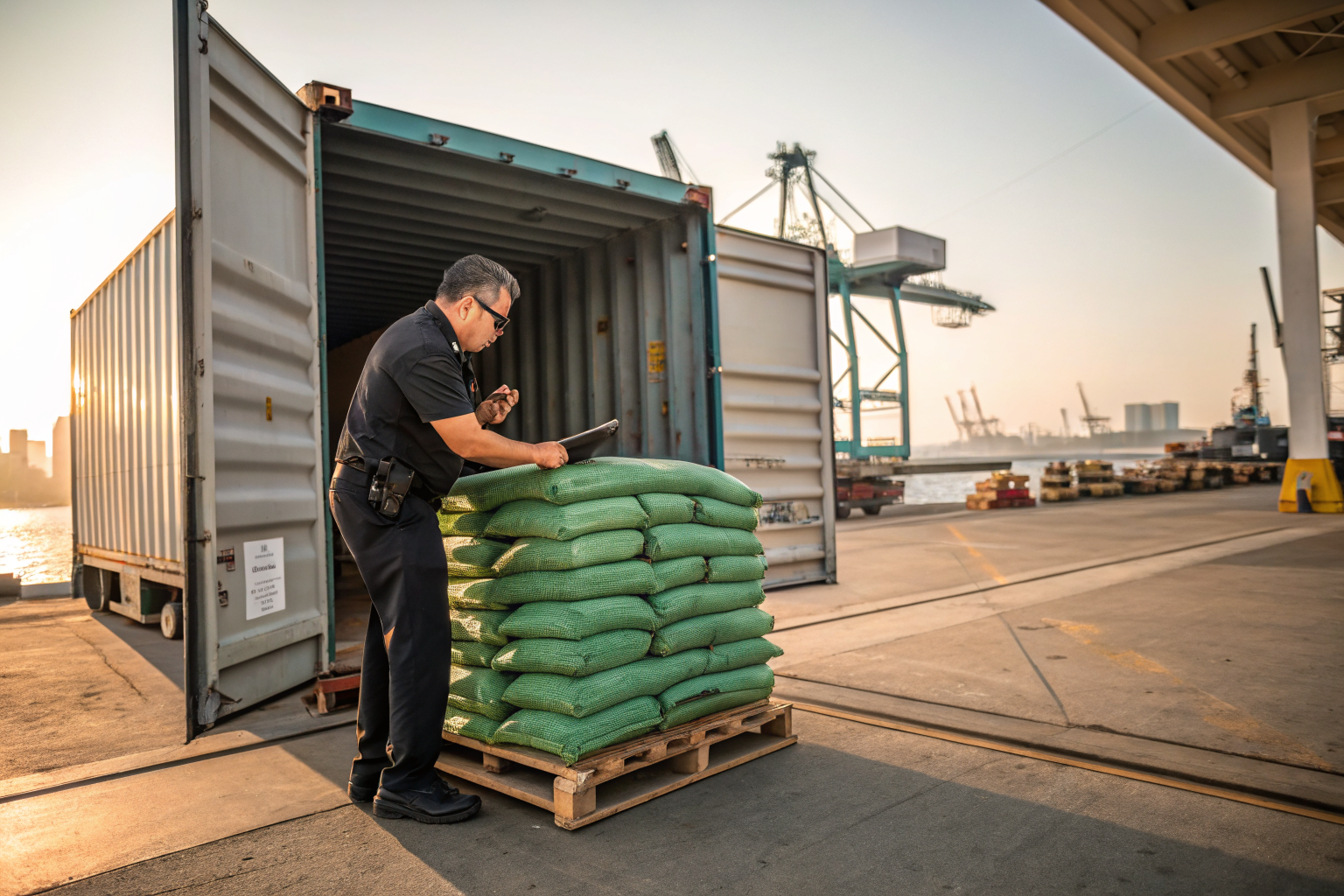
A few months ago, I got an urgent call from Mark, a roastery owner in Chicago. He had just received his first container of green beans from Yunnan — 18 tons of high-grown Catimor. But when the shipment arrived at the port, customs flagged it. Mark owed $4,200 in duties he didn't budget for. "I knew there would be tariffs," he told me, "but I had no idea about the additional processing fees, the country-of-origin documentation penalties, or the state-level surcharges." His profit margin on that container evaporated overnight. Honestly, stories like Mark's are more common than most buyers admit. Importing coffee beans for resale involves multiple layers of taxation that vary by country, trade agreement, and even the processing method of the beans. These include customs duties, value-added tax (VAT), excise taxes, and potential anti-dumping tariffs. For wholesale buyers, understanding these tax implications is not optional — it directly affects your landed cost, pricing strategy, and bottom line. Let me walk you through the real tax landscape for coffee importers in 2026, and how you can structure your supply chain to minimize surprises.
How Do US Customs Duties Apply to Imported Coffee Beans?
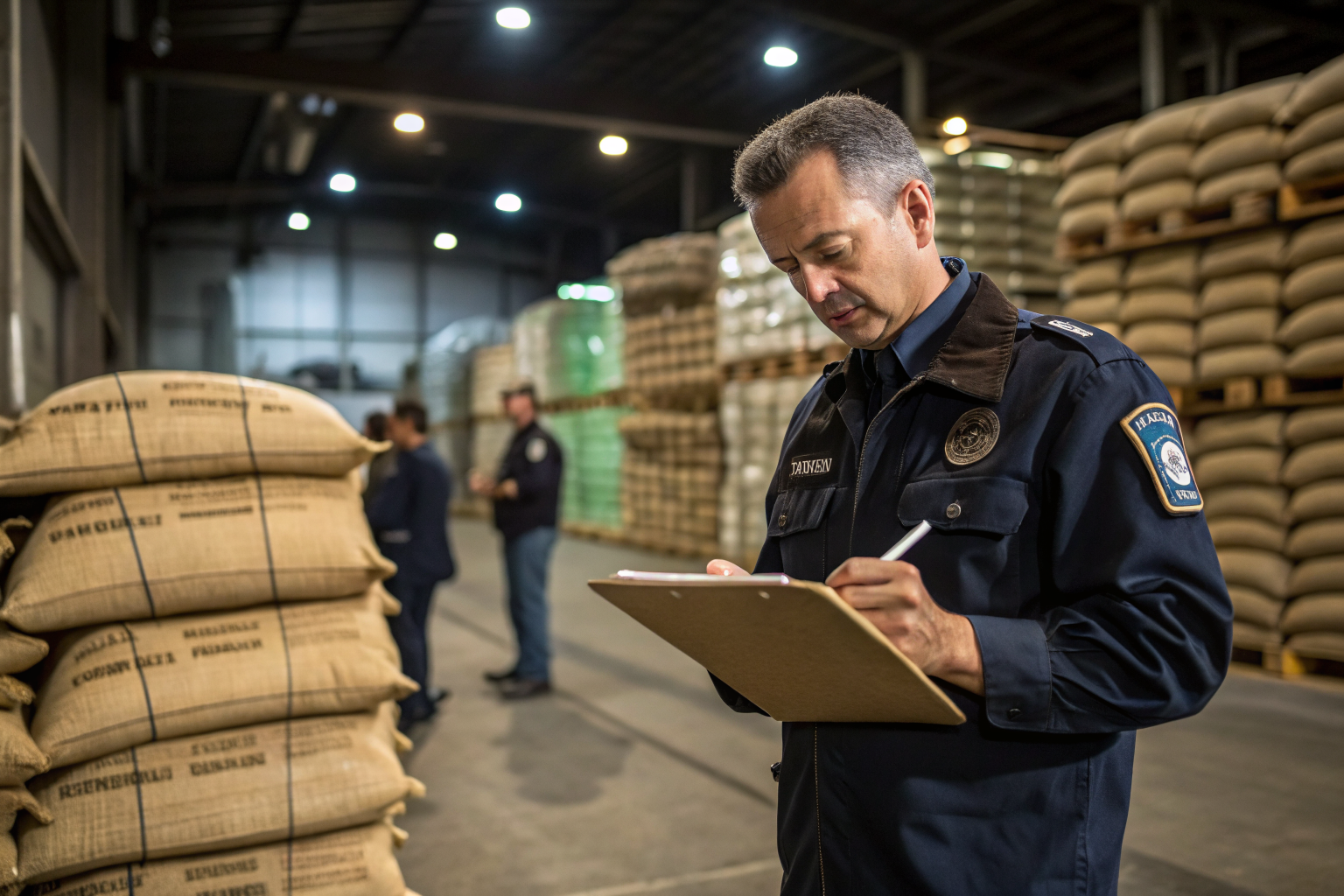
"Last year, I paid over $18,000 in tariffs on green coffee imports," a Texas-based importer told me at a trade show. "And I found out later that I overpaid because my customs broker used the wrong HS code." That kind of mistake happens more often than you think. The Harmonized System (HS) code for your coffee determines the duty rate, and using the wrong one can cost you thousands.
What Is the Correct HS Code for Green Coffee Beans and How Does It Affect Your Duty Rate?
The standard HS code for green (unroasted) coffee beans is 0901.11. Under this code, the general US duty rate is free for most countries with Most Favored Nation (MFN) status. However, there are exceptions. Coffee from countries without MFN status — very few, but they exist — can face duties as high as 8.8 cents per kilogram. The key distinction is between green beans (0901.11), roasted beans (0901.21), and coffee extracts (2101.11). Each carries different rates. The US International Trade Commission publishes the full HTSUS tariff schedule for coffee online. I recommend every buyer review it before ordering. Additionally, your coffee's processing method matters — washed, natural, and honey-processed beans all fall under the same HS code, but the declared value must include processing costs. Under-declaring can trigger customs audits. The Customs and Border Protection guidance on valuation is a must-read for first-time importers.
What Is the Difference Between Tariff-Rate Quotas and Standard Duties for Coffee?
The US maintains a tariff-rate quota (TRQ) system for coffee, but unlike sugar or dairy, the TRQ for green coffee is not restrictive in practice. The WTO Uruguay Round agreements established a minimum access commitment that the US easily meets. In reality, nearly all green coffee enters duty-free under column 1-general rates. However, roasted coffee faces a different reality. Roasted coffee under HS code 0901.21 carries a duty of up to 17.9% for countries without preferential treatment. According to the USDA Foreign Agricultural Service, the global coffee trade report notes that preferential trade agreements like the USMCA and CAFTA-DR can further reduce or eliminate duties for member countries. If you are importing through a partner in a free trade agreement country, you may qualify for reduced rates. Always check the FTA tariff tool before filing your entry. Shanghai Fumao, our trading arm at BeanofCoffee, works with logistics partners who specialize in FTA documentation to help buyers optimize their duty structure.
Do You Need to Pay Value-Added Tax on Coffee Imports in Europe?
A German buyer once asked me: "Why is my Italian competitor paying 7% VAT on green coffee while I am paying 19%?" The answer lies in how different EU member states classify coffee for VAT purposes. This is one of the most confusing aspects of importing coffee into Europe, and getting it wrong can cost you 10-15% of your shipment value.
How Does the EU VAT System Apply to Green Coffee Versus Roasted Coffee?
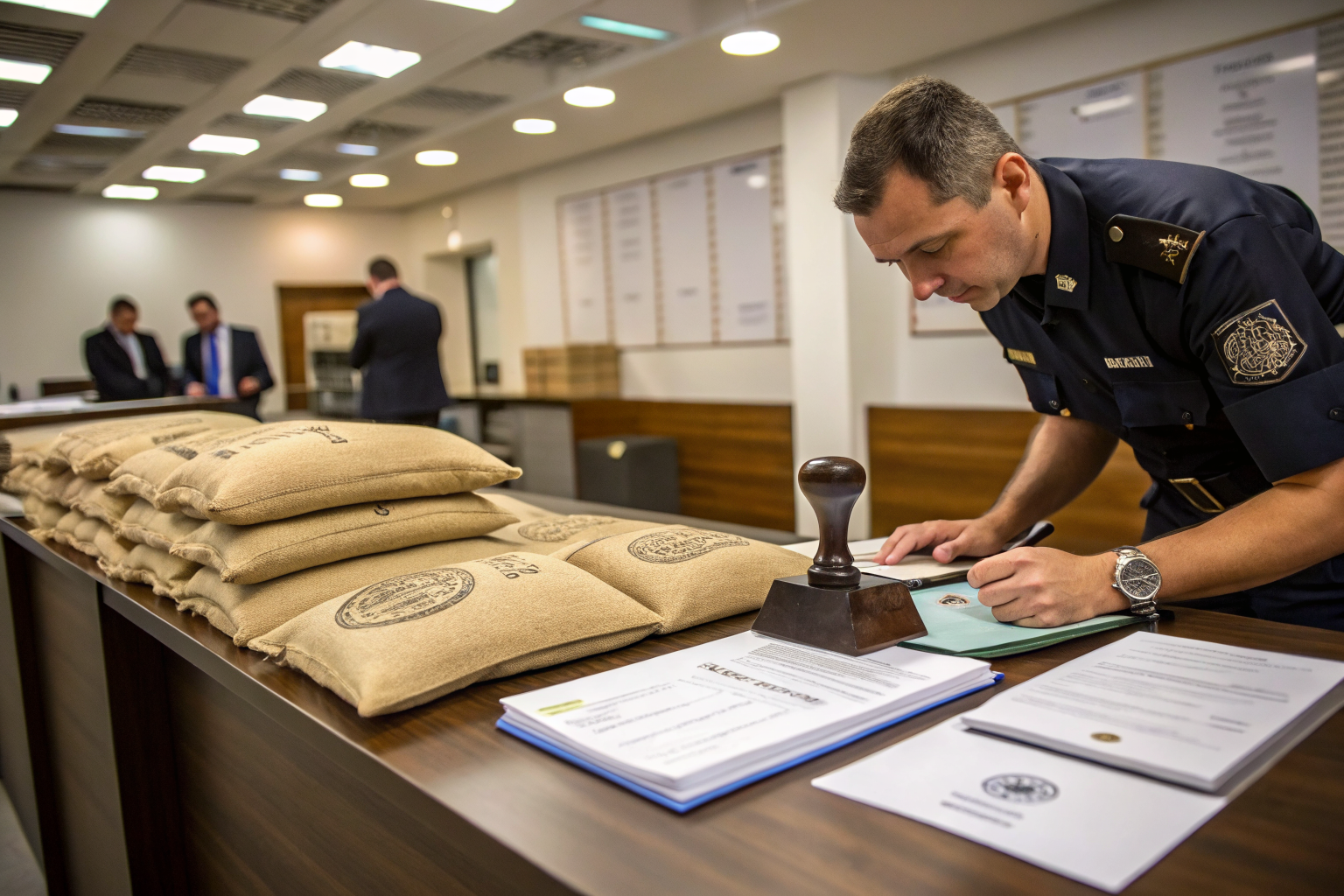
The EU VAT directive allows member states to apply reduced rates to certain food products, including coffee. The classification depends on whether the coffee is considered a "basic foodstuff" (green beans often qualify) or a "prepared product" (roasted beans typically do not). Germany applies a 7% reduced VAT rate to green coffee beans and a 19% standard rate to roasted coffee. France applies 5.5% to both green and roasted — but only if the roasting happens inside France. Importing pre-roasted coffee from outside the EU triggers the full 20% rate. The European Commission's VAT rates database provides country-by-country breakdowns. For example, the Netherlands applies 9% to green coffee but 21% to roasted. Italy applies 4% to green coffee classified as "basic agricultural product" and 10% to roasted. Sweden and Denmark do not apply reduced rates to any coffee — both green and roasted are taxed at the standard 25% rate. The difference between 4% and 25% on a €50,000 shipment is over €10,000. This is why choosing your point of entry matters. At BeanofCoffee, we work with EU logistics partners who help route shipments through the most favorable entry points.
What Are the Customs Valuation Rules for Coffee in the EU?
EU customs valuation follows the WTO Valuation Agreement, which uses the transaction value method. This means the customs value is the price actually paid or payable for the goods, plus certain adjustments. For coffee, the key adjustments include: commission fees, packing costs, royalty fees, and proceeds from resale. Many importers forget to include inland freight costs from the farm to the port of export, which can trigger customs adjustments. The EU's Customs Valuation Compendium provides detailed guidance. A common pitfall: if you buy coffee through a related party (such as your own trading subsidiary), the customs authorities may question the transaction value and apply a computed or deductive value method instead. This can result in higher duties. Shanghai Fumao at BeanofCoffee handles direct factory-to-buyer transactions with full transparency, avoiding related-party valuation issues entirely.
What Other Taxes and Fees Should Coffee Importers Expect Beyond Duties and VAT?
"When I calculated my first shipment's landed cost, the duties were only 40% of the total fees," a Canadian roaster told me. "The rest was brokerage fees, port handling, inspection charges, and a mysterious 'merchandise processing fee' I had never heard of." Beyond duties and VAT, coffee importers face a surprising number of additional charges that add 5-15% to the total cost.
What Are the Merchandise Processing Fees and Harbor Maintenance Fees in the US?
For shipments entering the United States, two key fees apply to nearly all commercial imports. The Merchandise Processing Fee (MPF) is 0.3464% of the declared value for formal entries, with a minimum of $27.23 and a maximum of $528.33 per entry. The Harbor Maintenance Fee (HMF) is 0.125% of the value of cargo shipped through US ports, with no cap. For a $60,000 coffee container, that is about $208 in MPF plus $75 in HMF. These fees are easy to overlook, but they add up quickly. The US Customs and Border Protection publishes the current fee schedule. Additionally, importers should budget for customs broker fees ($150-$400 per entry), port congestion surcharges (variable, often $200-$800 during peak season), and container inspection fees if your shipment gets flagged for examination. Inspection fees can range from $300 for a basic x-ray scan to over $2,000 for a full physical examination. For bulk coffee importers bringing in 5-10 containers per year, these "hidden" fees can total $15,000-$30,000 annually.
How Do Anti-Dumping and Countervailing Duties Affect Coffee Imports?
Anti-dumping duties are not currently applied to coffee beans in the US, EU, or most major markets. However, this could change. The US Department of Commerce has investigated coffee-related trade practices in the past, particularly regarding instant coffee and coffee extracts. In 2023, the EU imposed anti-dumping duties on certain Vietnamese coffee products after finding evidence of below-cost pricing. The World Trade Organization maintains a database of all anti-dumping actions globally. Coffee importers should monitor this regularly, especially if sourcing from countries with a history of trade disputes. The risk is low for green coffee beans today, but the regulatory landscape is shifting. Tariffs on Chinese goods have been a topic of political debate, and while agricultural products are generally less targeted than manufactured goods, no one can guarantee this will remain the case. Diversifying your supply across multiple origins is the safest strategy.
How Can You Structure Your Import Contract to Minimize Tax Liability?
A roaster in Vancouver told me last year: "I saved $12,000 on my first Yunnan shipment just by changing the Incoterms from CIF to FOB." The way you structure your purchase contract directly affects your taxable value. Importers who understand this can legally reduce their duty burden by 5-15% without any risk of non-compliance.

Which Incoterms Are Most Tax-Efficient for Coffee Importers?
The Incoterms you choose determine which costs are included in the customs value. Under CIF (Cost, Insurance, Freight), the seller includes ocean freight and insurance in the price, which becomes part of the dutiable value. Under FOB (Free on Board), the buyer pays freight separately, and only the FOB value is dutiable. Since freight costs can account for 10-20% of the total CIF value, switching to FOB can significantly reduce your duty base. However, the calculation is not always straightforward. Some customs authorities require that freight costs be added to the FOB value regardless of who pays them. The World Customs Organization provides comprehensive guidance on valuation methodologies. A smart approach used by experienced importers is to use FOB terms with a separate, clearly documented freight invoice. This way, the freight cost is visible but not bundled into the commodity value. Always work with a licensed customs broker who specializes in agricultural imports to validate your contract structure. Shanghai Fumao, the trading division of BeanofCoffee, provides Incoterms advisory services to help buyers optimize their import structure.
What Documentation Do You Need to Claim Preferential Tariff Treatment?
To benefit from reduced duty rates under free trade agreements, you need a Certificate of Origin. For US imports under the Generalized System of Preferences (GSP), you need a Form A. For imports from CAFTA-DR countries, you need a Form FTA or a certification of origin. For shipments from China to the US, there are currently no preferential trade agreements — Chinese coffee enters under general MFN rates, which for green coffee is duty-free. However, the documentation requirements for compliance are rigorous. You need commercial invoices with full product descriptions, packing lists, bills of lading, and in some cases, phytosanitary certificates. Errors in any of these documents can delay clearance and incur storage charges. The International Coffee Organization publishes a useful guide on coffee trade documentation. For first-time importers, I strongly recommend using a customs broker with coffee-specific experience. The cost of a broker ($200-$500 per shipment) is trivial compared to the cost of a compliance failure.
Conclusion
Importing coffee beans for resale involves a complex web of taxes, duties, and fees that vary dramatically by destination country, product form, and contract terms. The good news is that green coffee benefits from relatively favorable tariff treatment in most major markets. The bad news is that hidden fees — MPF, HMF, brokerage, inspection, and port charges — can add 5-15% to your landed cost if you do not plan ahead. At BeanofCoffee, we help our buyers navigate these complexities. We provide full documentation packages, transparent pricing, and Incoterms advisory. Every shipment includes correct HS code classification, country of origin certification, and complete commercial documentation. If you are considering importing specialty coffee from Yunnan and want to understand your total landed cost before you commit, reach out to Cathy Cai at cathy@beanofcoffee.com. Let us help you build a supply chain that is as financially efficient as it is high-quality. Shanghai Fumao and BeanofCoffee are ready to be your transparent, tax-savvy supply partner. Visit BeanofCoffee to start your first shipment today.