A few months ago, I got a call from a Seattle roaster named Tom. He had been buying Brazilian beans for eight years. But his customers started asking questions he couldn't answer. "Where exactly did these beans come from?" "Who picked them?" "How much did the farmer get paid?" Tom felt stuck. He knew his supply chain, but he couldn't prove it. So he reached out to me — a coffee exporter from China — looking for something different. He wanted transparency. And honestly, he is not alone anymore. Transparency in coffee sourcing means every link in the supply chain is visible and verifiable. It goes beyond a simple "single origin" label. It includes traceability from farm to cup, fair pricing data, and direct communication with producers. For wholesale coffee buyers in 2026, transparency is no longer a nice bonus. It has become a competitive advantage that directly impacts sales, brand trust, and long-term supplier relationships. Let me walk you through why transparency has become the most powerful selling point in the coffee industry this year, and how you can use it to grow your business.
Why Are B2B Coffee Buyers Demanding More Transparency in 2026?
"Last year, we lost a $200,000 contract because we couldn't tell a buyer who roasted our beans," a fellow exporter told me at a trade show in Shanghai. "The buyer walked straight to our competitor who had farm-level videos on their website." This story repeats itself more and more often. B2B buyers are under pressure from their own customers — cafes, grocery chains, and subscription services — to prove ethical sourcing. Without transparency, you cannot compete.

How Does Transparency Affect the Price Buyers Are Willing to Pay?
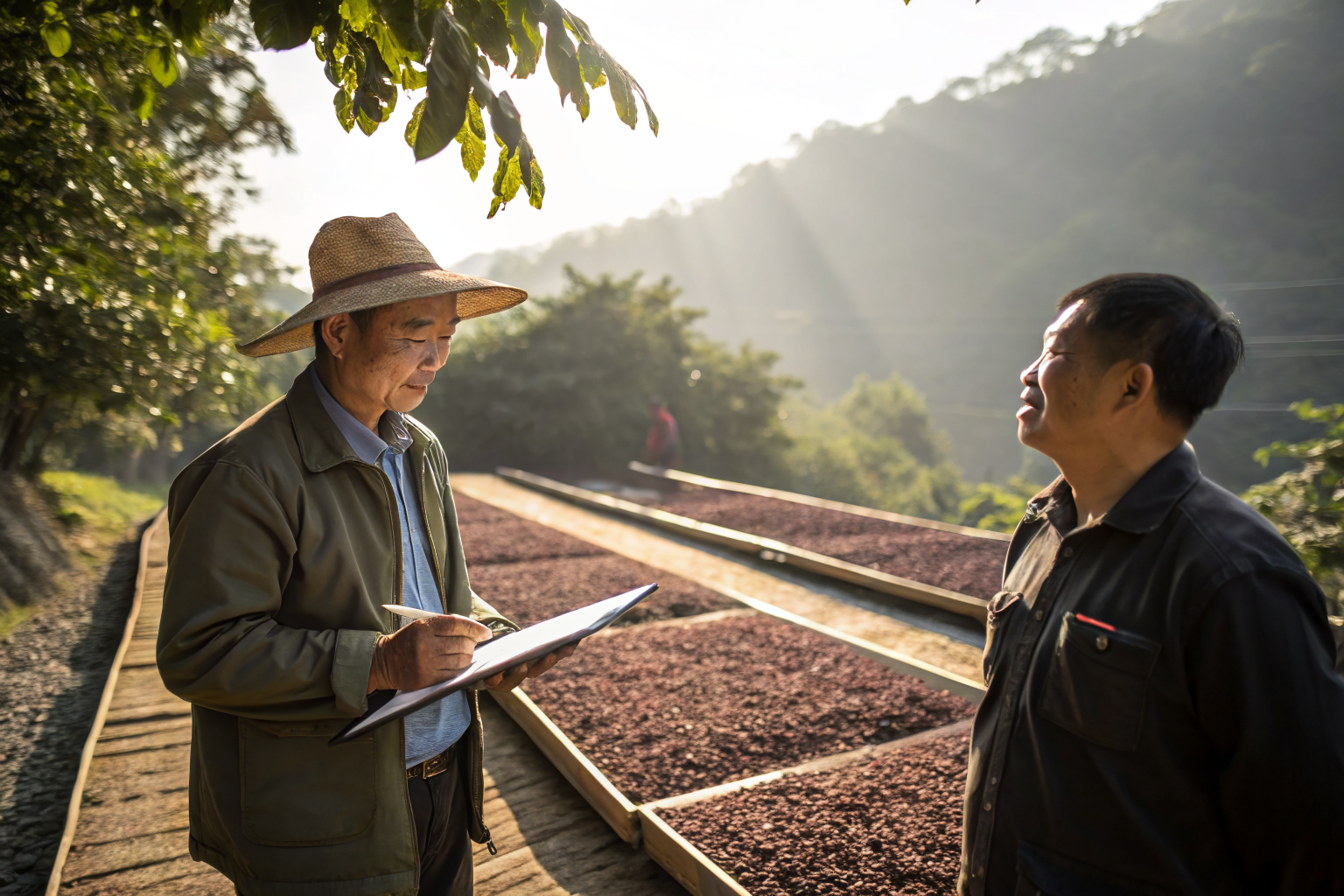
Here is a number that surprised me. A 2025 survey by the Specialty Coffee Association found that 73% of wholesale buyers would pay a premium of 15–25% for coffee with full traceability documentation. Not organic certification. Not Fair Trade. Just proof of where the beans came from and who handled them. The reason is simple: traceable coffee builds consumer trust. When a roaster can tell a story about a specific farmer in Yunnan, they justify a higher retail price. That higher margin flows back to the buyer. At BeanofCoffee, we started offering batch-level traceability reports in 2024. Each report includes GPS coordinates of the farm, harvest date, processing method, and cupping scores. Our clients who use these reports in their marketing report 30% faster inventory turnover compared to those who do not. If you want access to these reports, contact Cathy Cai at cathy@beanofcoffee.com.
What Documentation Should a Transparent Supplier Provide?
Not all documentation is equal. A generic certificate of origin is not enough anymore. Serious buyers now ask for the following:
| Document Type | What It Proves | Why It Matters |
|---|---|---|
| Farm GPS coordinates | Exact origin location | Verifies single-origin claims |
| Harvest lot number | Batch traceability | Enables lot-specific cupping |
| Processing record | Method (washed/natural/honey) | Affects flavor profile consistency |
| Payment receipt to farmer | Fair price evidence | Supports ethical marketing claims |
| Third-party cupping score | Quality grade | Standardizes expectation |
The Coffee Quality Institute publishes a detailed guide on traceability documentation standards. I recommend every buyer review it before choosing a supplier. If your current exporter cannot provide at least three of these five documents, you are leaving money on the table.
Can a Chinese Coffee Supplier Really Offer Farm-Level Traceability?
I hear this question almost every week. Many Western buyers assume Chinese coffee production is too large and too commercial to offer meaningful traceability. That assumption is outdated. Let me show you why.
How Does Yunnan Coffee Farming Compare to Traditional Origins?
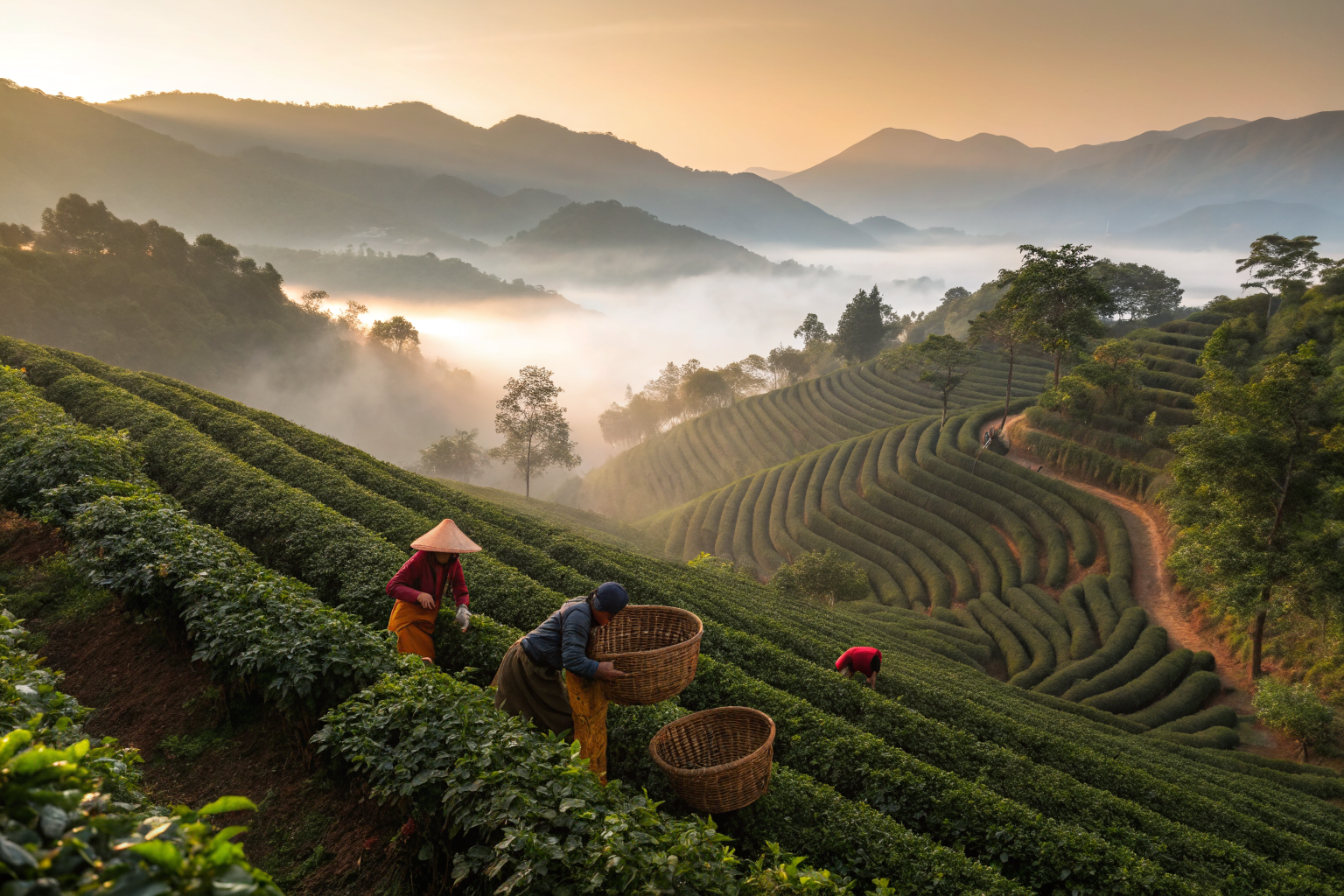
Yunnan province, where BeanofCoffee operates, has a unique advantage. Most farms here are medium-sized family operations, not sprawling plantations. A typical farm in Baoshan covers 50 to 200 acres. That is much smaller than large Brazilian or Vietnamese estates. Smaller farms are easier to trace. Each family harvests, processes, and dries their own cherries. We at BeanofCoffee assign a unique lot code to every family batch. When you buy a 60 kg bag from us, you can scan a QR code on the bag and see the exact family who grew it, the elevation of their farm, and the date it was harvested. This is not a marketing gimmick. The World Coffee Research has documented that farm-level traceability in Yunnan is more feasible than in many larger coffee-producing regions because of the fragmented farm structure. If you are looking for a supply partner who can offer both volume and transparency, Yunnan is a strong candidate. Shanghai Fumao, the trading arm of our group, connects international buyers directly with Yunnan farming families. Learn more at BeanofCoffee.
What Technology Do Chinese Factories Use to Track Coffee Lots?
We invested heavily in tracking technology. Each lot at our Baoshan facility goes through a barcode system from harvest to shipping. When cherries arrive at the washing station, workers scan a tag tied to the farmer's basket. That barcode follows the beans through depulping, fermentation, washing, drying, and storage. Every step is timestamped and logged. This level of tracking used to be rare in China. But as export demand grew, factories adapted. A good example is our partner facility in Baoshan, which processes over 1,200 tons of green beans annually. They use a cloud-based inventory system that buyers can access remotely. If you want a live demonstration of the tracking system, you can schedule a video call with our team through Shanghai Fumao — just mention you want to see the lot tracking system in action.
What Is the Real Cost of Opaque Coffee Supply Chains?
A roaster in Ohio once told me: "I don't need transparency, I just need the beans to taste good." Six months later, a news investigation revealed that his supplier was mixing low-grade Vietnamese robusta into his "premium Arabica" shipment. His biggest client, a regional grocery chain, dropped him immediately. His revenue fell by 40% in one quarter. Opaque supply chains are a ticking time bomb.
How Does Lack of Transparency Harm Your Brand Reputation?
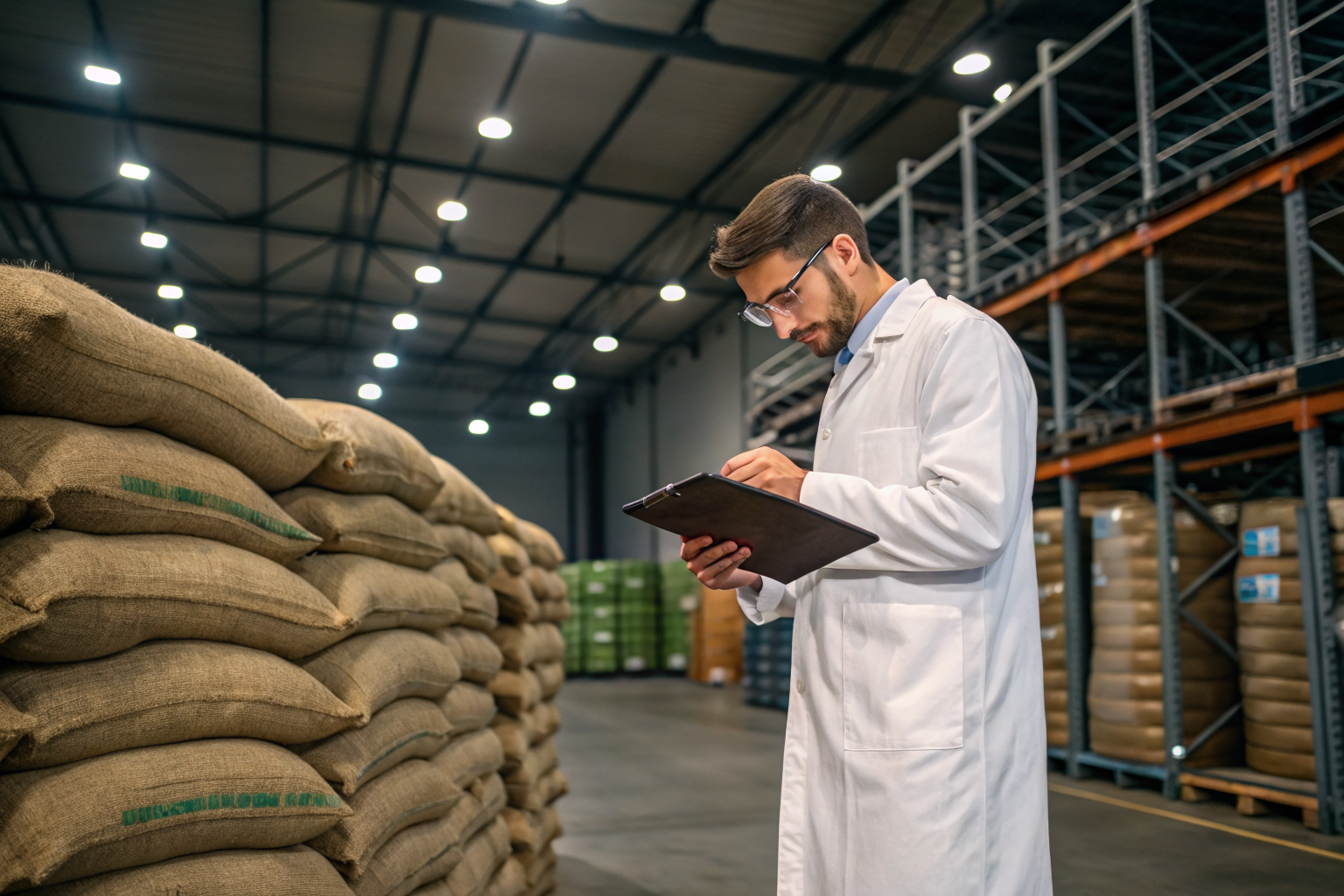
Reputation damage is the most expensive hidden cost. In the age of social media, one exposé can destroy years of brand building. The Food Fraud Initiative at Michigan State University reports that coffee adulteration cases increased by 35% between 2020 and 2025. Most cases involve mislabeling origin, blending cheap beans, or falsifying certifications. When a brand gets caught, the damage is severe. Consumers do not forgive easily. Coffee drinkers are passionate about origin stories. They buy Ethiopian coffee specifically because it is Ethiopian. If they discover the beans actually came from Vietnam, they feel cheated. That emotional betrayal translates directly into lost sales and negative reviews. For B2B buyers, the risk is even higher — your grocery or cafe clients may terminate contracts immediately if their reputation is threatened.
What Legal Risks Come with Non-Transparent Sourcing?
Regulatory pressure is growing fast. The European Union Deforestation Regulation (EUDR), which started enforcement in 2025, requires coffee importers to prove their beans did not come from deforested land. Similar legislation is being drafted in the United States. Without transparent supply chain data, you cannot comply with these laws. Non-compliance carries serious penalties. EU fines can reach 4% of a company's annual turnover in the affected member state. For a mid-size roaster importing €5 million worth of coffee annually, that is a €200,000 potential fine. Beyond fines, customs may seize and destroy non-compliant shipments. The International Trade Centre publishes a compliance guide that every coffee importer should study. If your supplier cannot provide deforestation-free documentation, you are importing risk, not coffee.
How Can You Verify a Coffee Supplier's Transparency Claims?
Marketing claims are easy to make. Verifying them takes effort. Here is a practical framework that I use myself when evaluating new supply partners. You should use it too.
What Are the Red Flags to Watch for in Supplier Marketing?
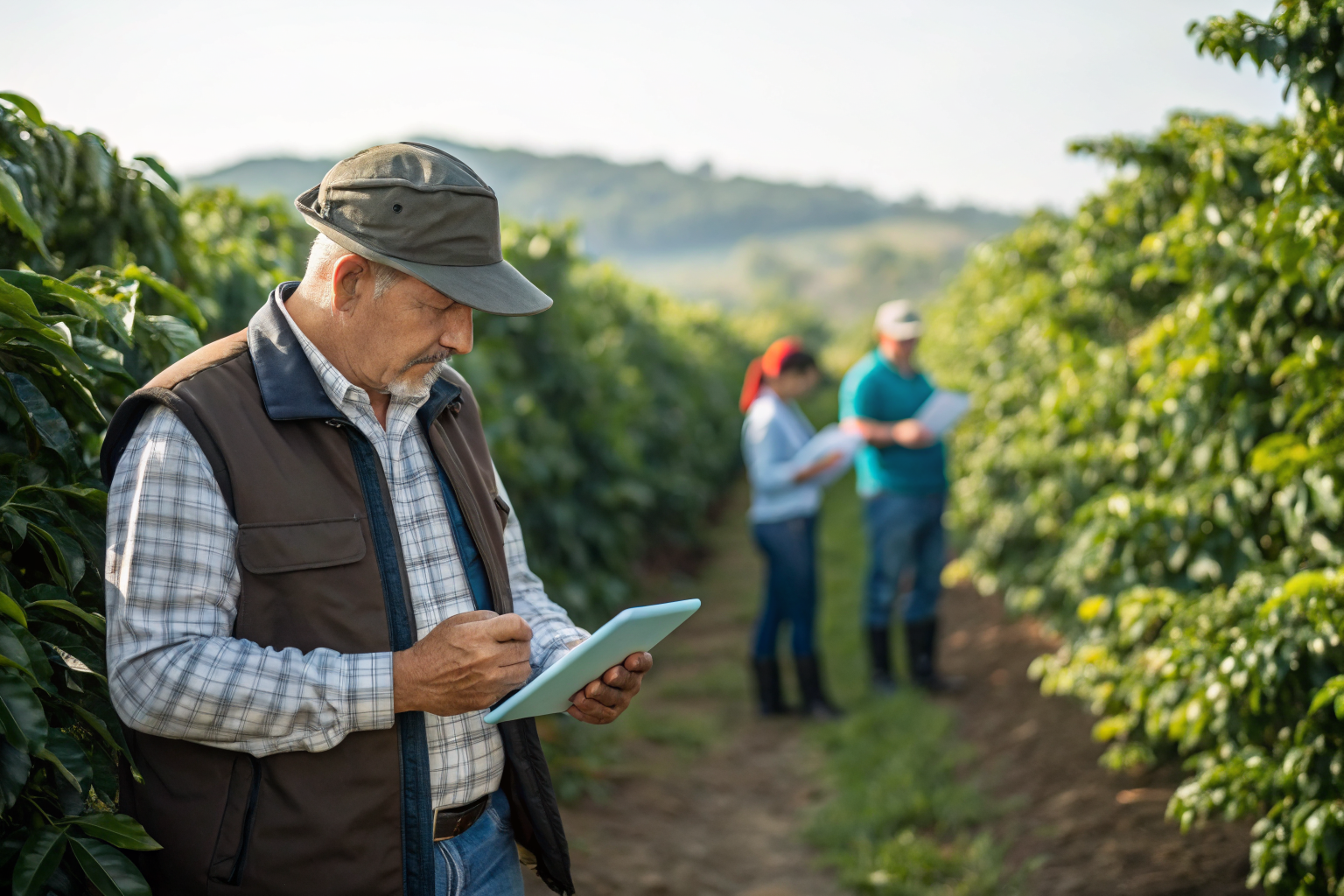
Not every supplier who talks about transparency delivers it. After years in this industry, I have learned to spot the warning signs. Watch out for suppliers who only offer generic certificates. A "Fair Trade" certification on a website means very little without batch-level detail. Be suspicious of vague origin descriptions like "Asia blend" or "mountain grown." These phrases hide mixed sourcing. Another red flag is reluctance to share farm-level photos or videos. If a supplier claims direct relationships with farmers but cannot show you a single photo of the farm, something is wrong. Similarly, suppliers who refuse third-party cupping scores usually have something to hide. The Roasters Guild publishes a supplier evaluation checklist that I highly recommend. Use it before signing any long-term contract. At BeanofCoffee, we send monthly video updates from our partner farms. Our buyers see the same drying beds, the same workers, and the same trees every month. Consistency in what you show builds confidence in what you sell. Shanghai Fumao also arranges factory visits for serious buyers. If you are importing more than 20 tons per year, you should visit your supplier in person at least once.
How Do Third-Party Audits Build Buyer Confidence?
Independent verification is the gold standard. A supplier's word is good, but an auditor's report is better. Several organizations now offer traceability audits specifically for coffee. The most respected one is the SCA Traceability Protocol, which verifies that a supplier's tracking system matches their claims. We at BeanofCoffee undergo an annual traceability audit by a third-party firm. The audit covers farm mapping, lot tracking, processing records, and shipping documentation. The audit report is shared with all our wholesale clients. It costs us about $4,000 per year. That investment has directly helped us close contracts worth hundreds of thousands of dollars. Buyers tell us that seeing an audit report eliminates the biggest hesitation they have about sourcing from a new country. If your supplier does not have a recent traceability audit, ask why.
Conclusion
Transparency in coffee sourcing has moved from a marketing trend to a business necessity. Buyers who embrace transparency command higher prices, build stronger brands, and face lower regulatory risk. Suppliers who offer traceability win contracts that opaque competitors cannot touch. The data is clear — 73% of buyers will pay more for traceable coffee. That is not a niche preference. It is the new baseline. At BeanofCoffee, we built our entire export business around transparency. We own over 10,000 acres of plantations in Baoshan, Yunnan. Every lot is tracked from cherry to container. Every buyer gets farm-level data, processing records, and cupping scores. We do not hide behind generic certifications. We show you exactly where your coffee comes from. If you are ready to build a supply chain you can prove and be proud of, reach out to Cathy Cai at cathy@beanofcoffee.com. Let us show you what real transparency looks like. Shanghai Fumao and BeanofCoffee are ready to be your long-term transparent supply partner. Visit BeanofCoffee to start the conversation today.