"Cathy, your new crop samples just arrived. The aroma is incredible. It's a completely different level from the samples I received from another supplier last month."
I got this email from Ron, our American buyer, a few weeks ago, and I couldn't help but smile. It's a message we receive often around this time of year. Why? Because Ron had just experienced the single greatest advantage of strategic sourcing: he was tasting coffee that was purchased and shipped at the absolute peak of its life cycle. He wasn't just buying coffee; he was buying freshness. Many buyers, especially those new to direct sourcing, treat coffee like a non-perishable commodity, buying whenever they need to restock. But this is a critical mistake.
The primary advantages of buying coffee during the harvest season are securing access to the freshest, highest-quality lots, gaining a wider selection and the ability to reserve exclusive micro-lots before they're sold out, and achieving greater price leverage through forward contracting. It's a strategic move that shifts you from being a reactive buyer to a proactive sourcing partner, directly impacting the quality of your final product and your bottom line.
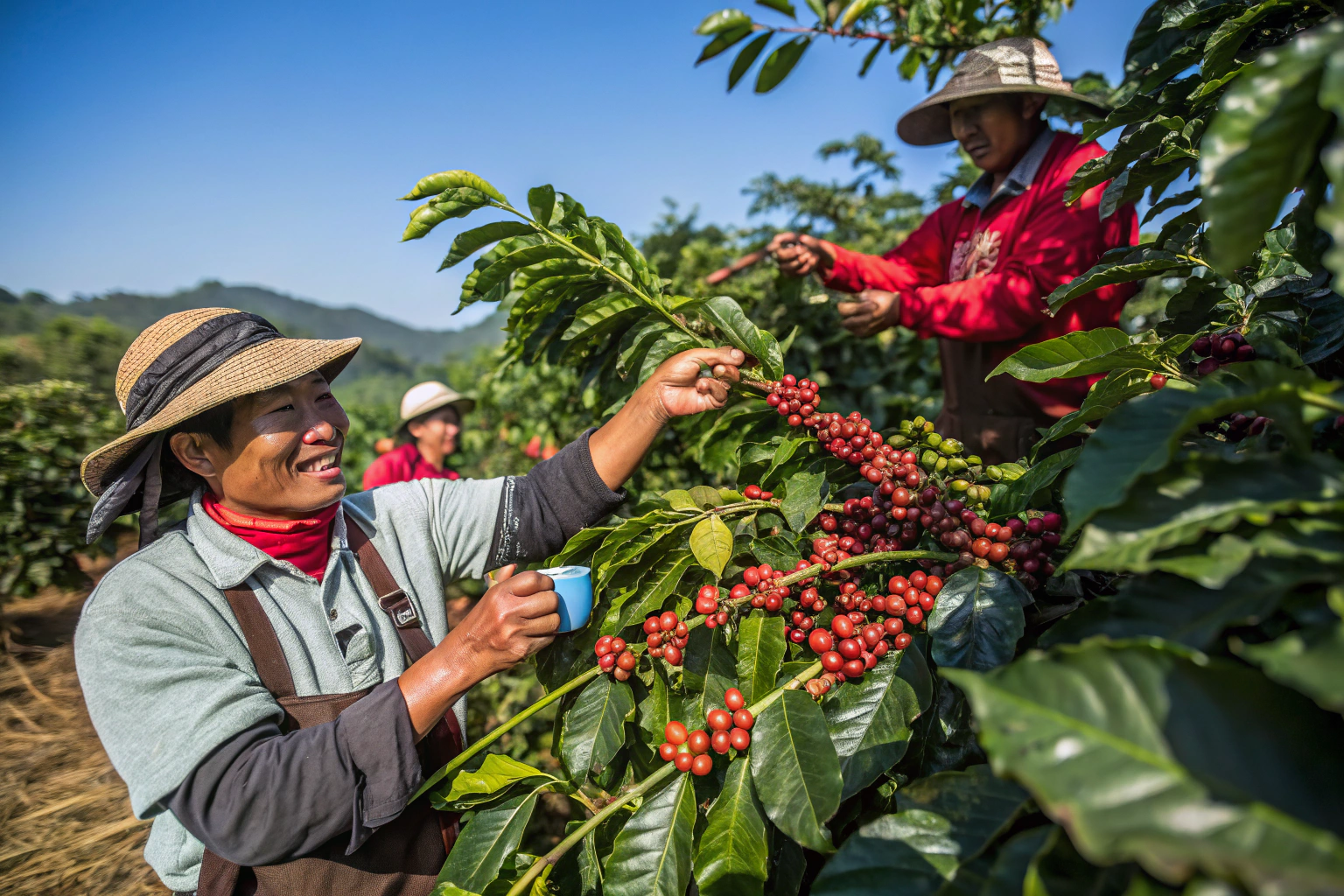
For us at Shanghai Fumao, the harvest season (typically winter through early spring in Yunnan) is the most exciting and critical time of the year. It's when a year's worth of hard work comes to fruition. For our clients, it's a golden window of opportunity. Aligning your purchasing calendar with our harvest calendar is the most important strategy for elevating your coffee program. Let's explore exactly why this timing is so crucial.
How Does Timing Impact Freshness and Quality?
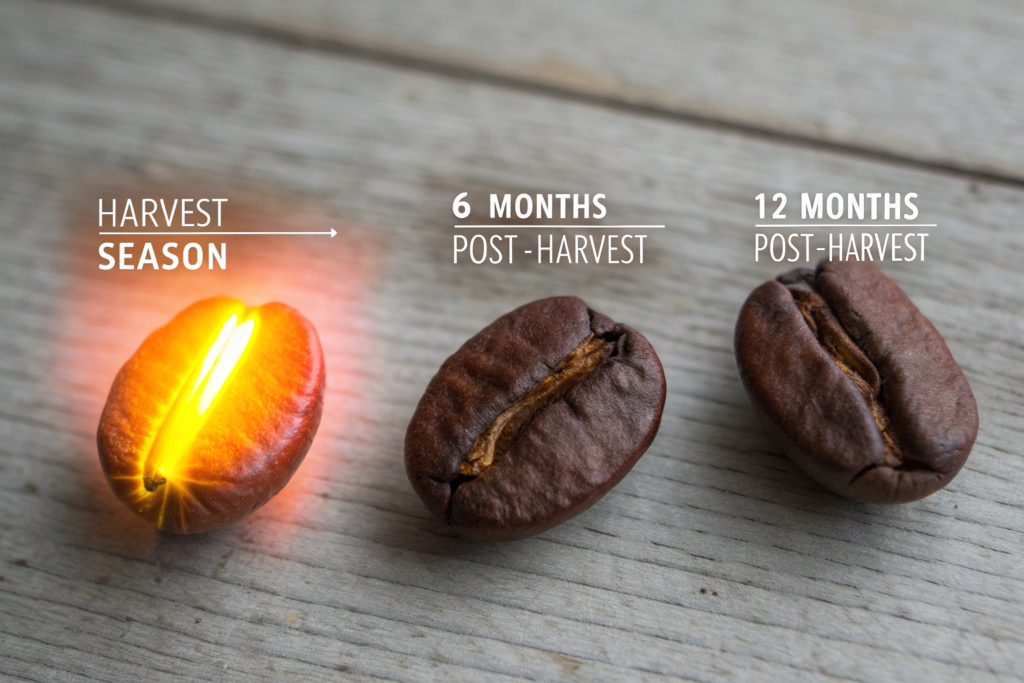
You wouldn't buy "fresh" strawberries in the dead of winter and expect them to taste as good as those picked in June, would you? While green coffee is much more stable than fresh fruit, the same fundamental principle applies: freshness is paramount. Green coffee is a raw, agricultural product, and like any other, it has a peak. It is at its absolute best—its most vibrant, aromatic, and flavorful—in the months immediately following the harvest and processing.
The biggest mistake a buyer can make is purchasing coffee from the tail-end of the previous year's crop, right before the new harvest is available. This "old crop" coffee has been sitting in a warehouse for many months. During that time, a slow, inevitable decline occurs. The delicate aromatic compounds begin to fade, the bright acidity softens and flattens, and the beans can develop woody or papery off-notes. You might save a few cents per pound, but you are buying a product that is already past its prime.
Buying during the harvest season means you are getting "new crop" coffee. You are securing your supply from lots that have just been picked, processed, and rested. This is the coffee that will cup the highest, taste the best, and offer your customers the most dynamic and exciting flavor experience. It directly addresses the core sourcing point of quality control.
What is "New Crop" vs. "Old Crop"?
- New Crop (or Current Crop): This refers to coffee from the most recent harvest. It's the freshest coffee available, typically arriving at roasteries within 2-4 months after being harvested and processed. It's characterized by vibrant acidity, intense aroma, and clear flavor notes.
- Old Crop (or Past Crop): This is coffee from a previous harvest year. By the time the new harvest is underway, this coffee has likely been in storage for 10-12 months or more. While still usable, it will have lost much of the vibrancy that defines a specialty coffee. For more on this, the Specialty Coffee Association (SCA) has extensive resources on green coffee's life cycle.
How Does Freshness Affect the Roast?
Fresh, new crop coffee behaves differently in the roaster. It has a higher moisture content and is denser, which means it typically requires more heat energy to roast properly. However, it also offers a wider spectrum of flavors for the roaster to work with. An experienced roaster can take a fresh green coffee and unlock its full potential. Roasting old, dry coffee is more about damage control—trying to mask the faded flavors and avoid bringing out woody notes. Sourcing fresh green beans is the first and most important step in achieving a great roast profile.
Why Is Selection Better During Harvest?
Imagine walking into a farmer's market at the peak of the season. The tables are overflowing with every variety of fruit and vegetable. Now, imagine that same market a week before the season ends. The selection is sparse, and only the less desirable items are left. This is exactly what happens in the coffee market.
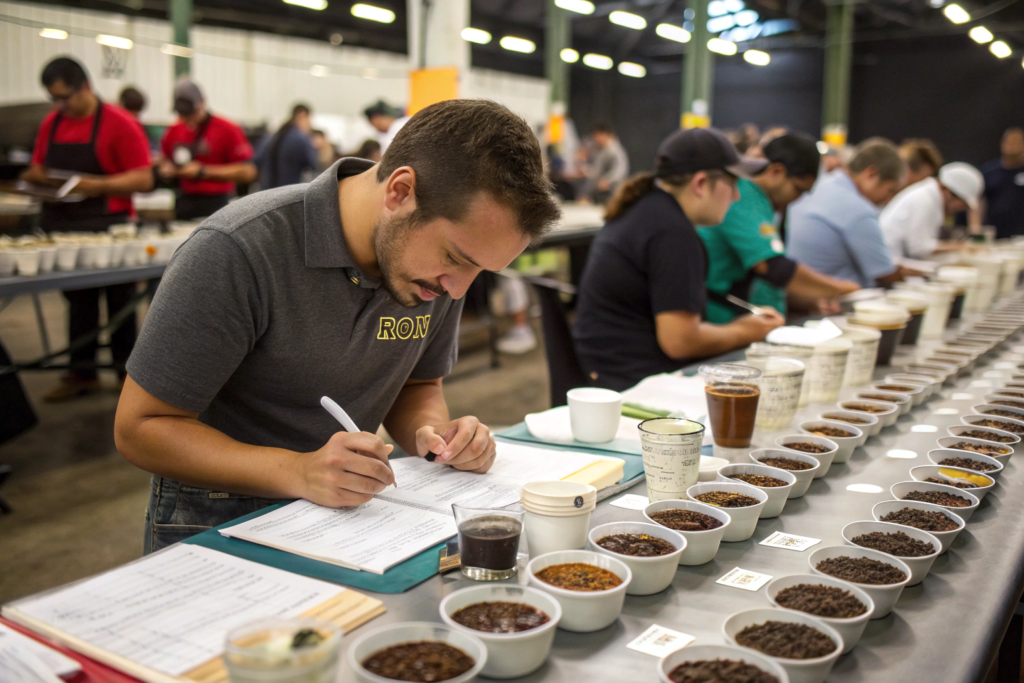
The harvest season is when 100% of our year's production becomes available. This is when we cup and grade every single lot from our 10,000-acre plantation, from our large community blends to our exceptional, single-day-harvest micro-lots. For a buyer, this is a treasure trove. You have the widest possible selection to choose from. You can cup dozens of different lots, compare different processing methods, and find the exact flavor profile that perfectly fits your brand's needs.
If you wait until months after the harvest, what happens? The best lots—the 86+ point coffees, the unique experimental fermentations, the lots with the most stunning flavor profiles—are the first to be discovered and purchased by proactive buyers. Waiting means you are choosing from what's left over. By engaging with us during the harvest, you get the first pick of our very best work.
What Is a "Micro-Lot"?
A micro-lot is a small, specific batch of coffee from a single day's picking, a particular section of the farm, or a unique processing experiment. These lots are often exceptional in quality and very limited in quantity. They are highly sought after by roasters looking for exclusive, top-tier offerings. The only reliable way to secure these gems is to be actively cupping and committing to them as soon as they become available during the harvest season. These lots are a key part of the direct trade model.
How Does This Give You a Competitive Edge?
By securing a unique and exceptional micro-lot from our farm in Yunnan, you can offer your customers a coffee that no one else in your market has. It becomes a unique selling proposition for your brand. You can build a story around its specific origin and flavor profile. This ability to differentiate your offerings is a powerful competitive advantage, but it's an advantage that is only available to those who engage with us at the right time of year.
Can You Get Better Pricing and Terms?
"But isn't coffee cheaper if I buy it later in the year when you still have stock left?" This is a common misconception. While you might find a desperate seller offering a discount on old crop, strategic buying during the harvest season can actually provide better long-term value and more favorable pricing through a process called "forward contracting."
When you commit to buying coffee during or even just before the harvest, you are giving us, the producers, a massive advantage: certainty. Knowing that a certain volume of our crop is already sold allows us to plan our finances, manage our cash flow, and operate more efficiently. We don't have to pay for storage and insurance for that coffee for months on end. This reduction in our risk and carrying costs is a value that we can share with you in the form of better pricing.
This proactive approach transforms the relationship from a simple transaction into a true partnership. It directly addresses a buyer's pain point about price volatility. By locking in a price for new crop coffee, you protect yourself from market fluctuations later in the year.
What Is Forward Contracting?
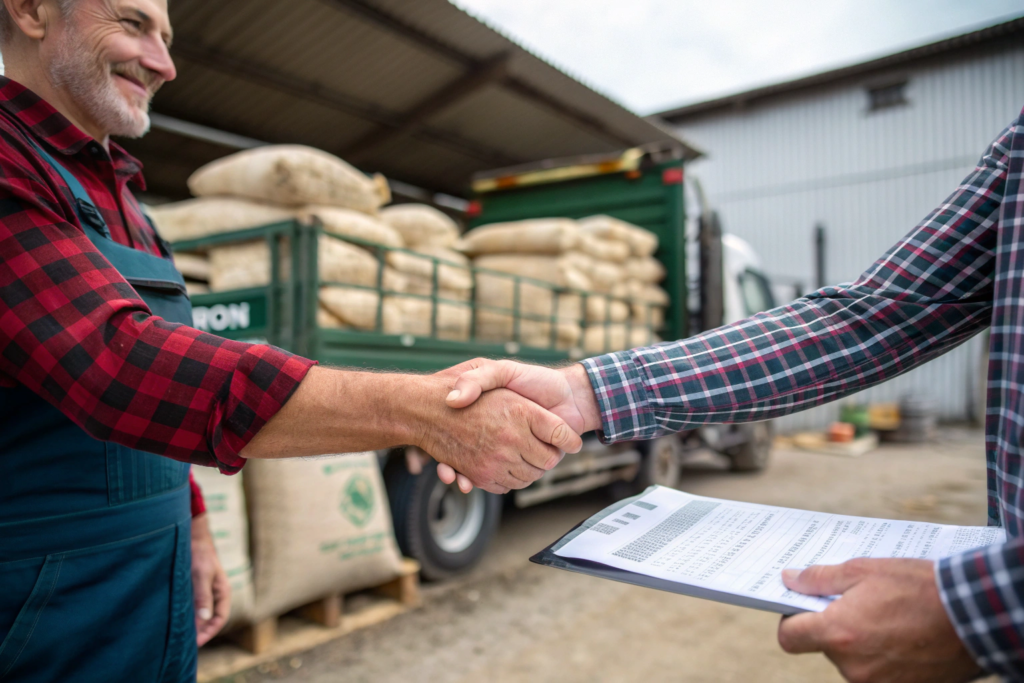
A forward contract is an agreement to buy a certain amount of coffee, of a certain quality, at a set price, for delivery at a future date. For example, during the harvest in February, you could sign a contract with us at BeanofCoffee to buy 10 tons of a specific lot, with the price locked in, for delivery in April. This is a common and powerful tool in commodity trading.
What Are the Benefits of This for the Buyer?
- Price Stability: You lock in your cost and are protected if the market price for coffee rises later in the year. This makes your financial planning much more predictable.
- Guaranteed Supply: You have reserved your chosen lot. You don't have to worry about it being sold to someone else.
- Relationship Building: It demonstrates a high level of commitment, which strengthens your relationship with us. Partners who work with us on forward contracts often get the very first look at our most exciting new experimental lots the following year.
Conclusion
Buying coffee is not like buying nuts and bolts. It is sourcing a living, breathing agricultural product that has a distinct peak in its life cycle. Aligning your purchasing strategy with the harvest season is the single most effective way to ensure you are getting the absolute best product possible. It gives you access to the freshest coffee, the widest selection of top-quality lots, and the strategic advantages of better pricing and terms through forward contracting.
It's the difference between buying what's available and actively choosing excellence. It's the secret that the world's best roasters and importers already know. The rhythm of the harvest dictates the rhythm of quality.
We are entering the most exciting time of year in Yunnan, and our best coffees are now becoming available. If you are ready to elevate your offerings by sourcing from the peak of the harvest, we invite you to connect with us. Please reach out to our head of client relations, Cathy Cai, at cathy@beanofcoffee.com to discuss our current crop and secure your lots for the year ahead.