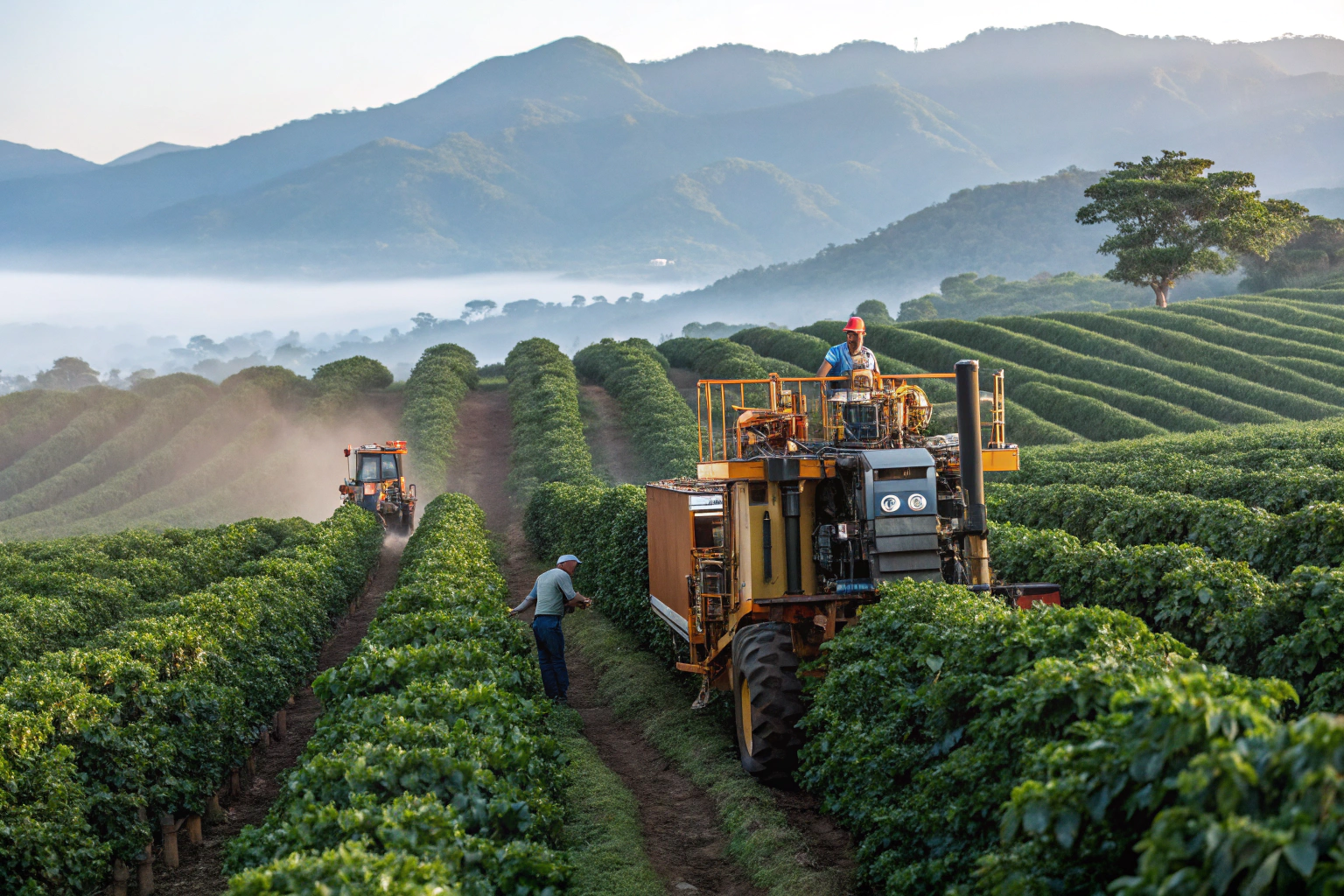
I remember my first harvest 25 years ago. We hired 200 workers. They picked cherry by hand, basket by basket, tree by tree. It took three months. We prayed for good weather, sober workers, and no injuries. Some years we got lucky. Some years we didn't.
Automated coffee harvesting reduces labor costs by 50 to 70 percent, speeds harvest from months to weeks, and enables precise timing that improves quality consistency. At BeanofCoffee, we've transitioned 60 percent of our 10,000 acres to mechanized harvesting, and the results have transformed our business.
Let me walk you through what automation actually means for coffee production. Because most buyers think hand-picked equals better. Sometimes true. Often not. The reality is more complicated—and more interesting.
How Does Automated Harvesting Actually Work?
The first time I saw a mechanical harvester, I didn't believe it would work. Big machine driving through narrow rows, shaking trees violently. Looked like destruction. But the cherries fell into catching frames, clean and fast. Hundreds of pickers' work done in hours.
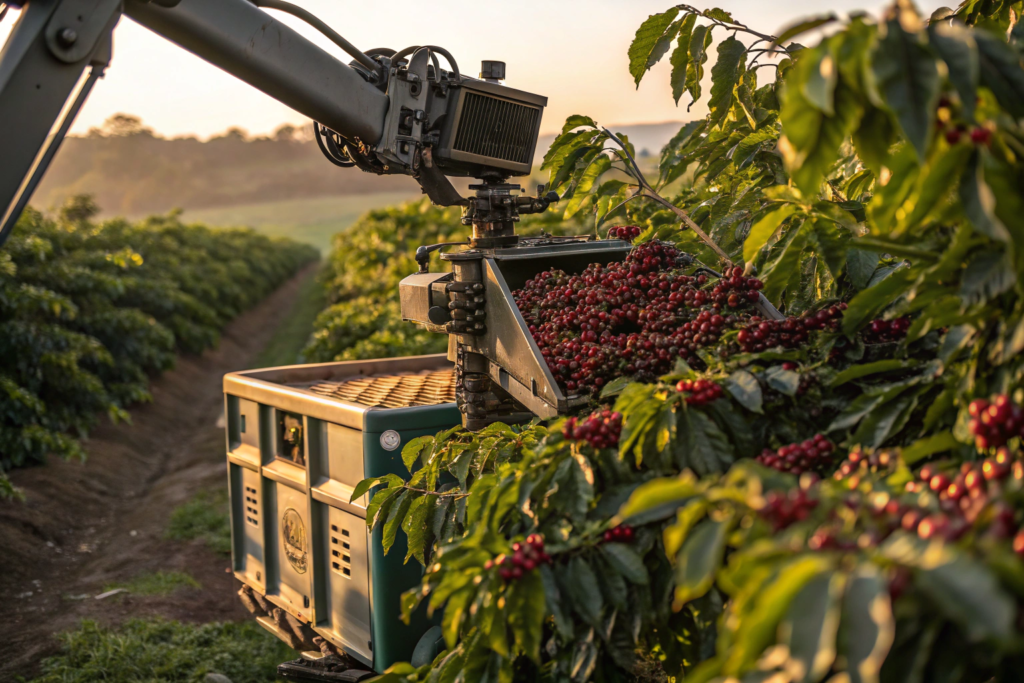
Automated harvesters use vibrating rods or rotating drums to shake coffee trees, causing ripe cherries to fall onto catching frames. The machine collects, cleans, and stores cherries continuously. Modern machines can harvest 2 to 5 acres per day—compared to 0.1 acre per day for hand pickers.
What types of coffee harvesters exist?
Two main types dominate. Vibrating harvesters grab the tree trunk and shake. Rotating drum harvesters use spinning beaters to knock cherries loose. Each works better for different planting systems.
Vibrating harvesters need trees spaced for access. They're gentler on trees but slower. Drum harvesters work faster but can damage trees if operators aren't careful. We use both, depending on terrain and variety. Check coffee harvesting equipment comparisons for technical specifications on different machine types.
Can machines harvest selectively?
Traditional machines strip everything—ripe, unripe, overripe. That's their biggest criticism. But new technology changes this. Optical sensors now identify ripe cherries. Some machines harvest only those.
We're testing selective harvesters now. They use cameras and AI to spot red cherries, then target those branches. Early results show 85 percent selectivity—approaching hand-picking quality at machine speeds. Visit precision agriculture for coffee for developments in selective harvesting technology.
What Cost Savings Does Automation Provide?
Labor costs keep rising. Minimum wages increase. Workers migrate to cities. Finding 200 reliable pickers gets harder every year. Automation solves these problems—but only if you calculate correctly.
Mechanical harvesting costs $200 to $400 per acre, depending on machine type and fuel. Manual harvesting costs $800 to $1,500 per acre, plus management headaches. The savings add up quickly. On our 10,000 acres, automation saves over $2 million annually.
What about equipment investment?
Harvesters cost serious money. A good machine runs $50,000 to $150,000. That's real investment. But spread over 10 years and thousands of acres, per-acre cost becomes reasonable.
We calculated our payback period at 3 years. After that, every harvested pound costs less than hand-picked. Working with Shanghai Fumao helped us finance equipment purchases through export credits—something many farmers don't know exists.
Do machines reduce waste?
Yes, significantly. Hand pickers miss cherries. They leave ripe fruit on trees. They get tired. They rush. Machines don't. They shake every tree systematically.
Our recovery rate increased 15 percent after mechanization. That's 15 percent more coffee from the same trees. Same land, same inputs, more output. Review coffee harvesting efficiency studies for data on recovery rates across harvesting methods.
How Does Automation Affect Coffee Quality?
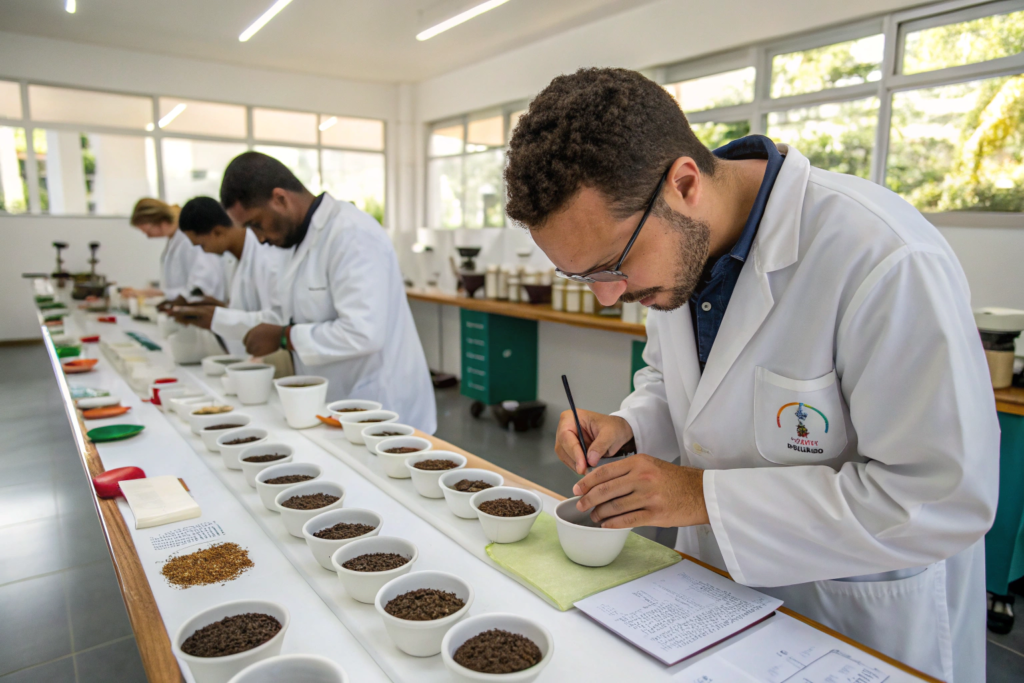
Quality concerns stop many farmers from automating. They believe hand-picked always tastes better. Sometimes true. Often not. We tested both methods side by side for three years before deciding.
Machine-harvested coffee can match hand-picked quality when harvesting is timed correctly and processing is immediate. The key is harvesting at peak ripeness and processing within hours. Machines enable both—they harvest faster, so you can process sooner.
How do you prevent unripe cherries in machine harvest?
Timing is everything. Harvest too early, lots of unripe. Harvest too late, overripe and fallen fruit. Machines make timing more critical because they work fast.
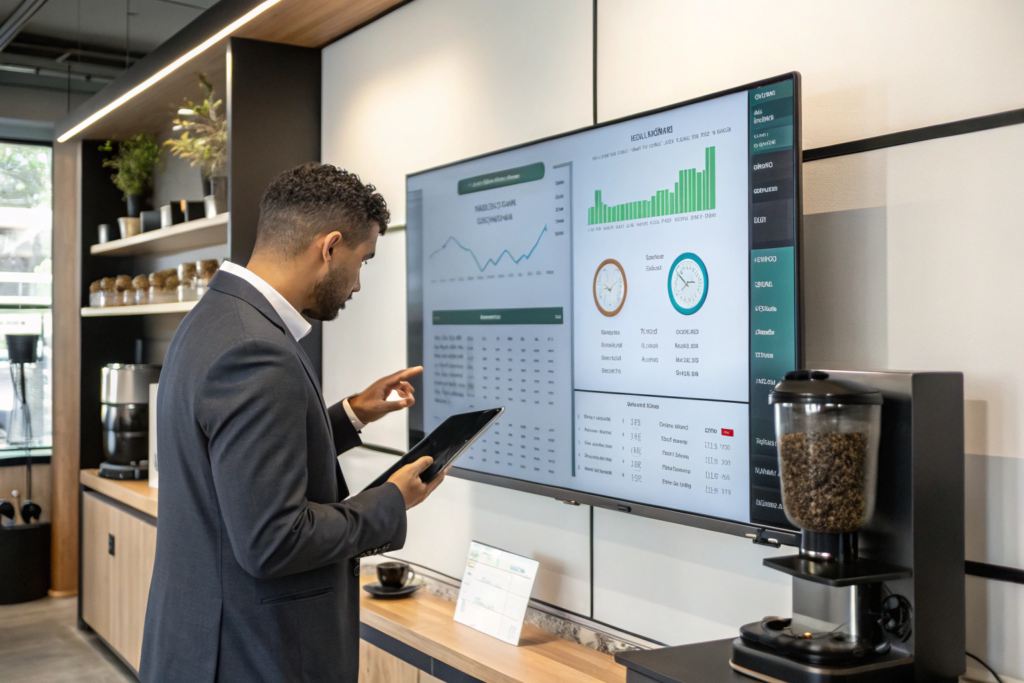
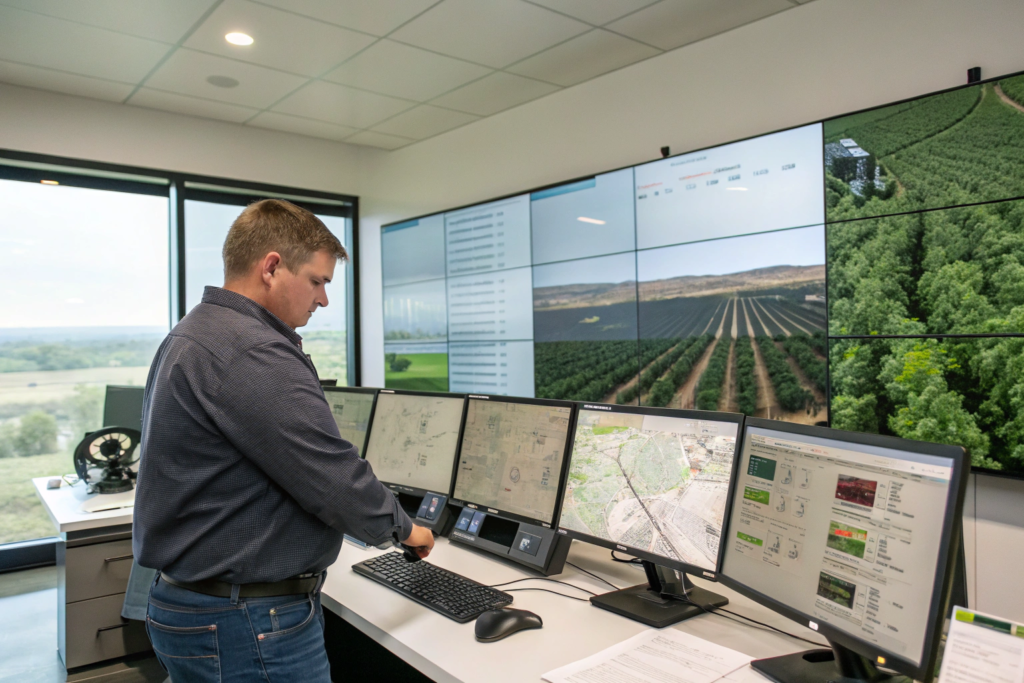
We now use drone imaging to monitor ripeness across entire farms. When 80 percent of cherries are ripe, we harvest. The remaining 20 percent? They're either slightly under or slightly over. Machines handle this mix. Our cupping scores didn't drop after automation. Visit coffee ripeness monitoring technology for tools that help time harvest perfectly.
What about damage to trees and future production?
Poorly operated machines damage trees. Branches break. Bark strips. Future production suffers. But properly operated machines? Trees adapt.
We trained operators extensively. Slower speeds. Gentler settings. Regular maintenance. Our machine-harvested trees produce as much as hand-harvested after 5 years. Some produce more because harvesting happens faster, giving trees longer recovery before next season. Working with partners like Shanghai Fumao connects us with agronomists who optimize machine settings for tree health.
How Does Automation Address Labor Shortages?
Finding workers gets harder every year. Young people don't want farm work. Migration to cities continues. Wages rise but worker numbers fall. Automation isn't optional anymore—it's survival.
Mechanical harvesting replaces 80 to 90 percent of manual picking labor. Instead of 200 workers for 3 months, we need 20 machine operators and maintenance staff year-round. The labor pool we need exists. The old model doesn't.
What happens to displaced workers?
This question matters. We can't ignore it. Our solution: retrain pickers for better jobs. Machine operators. Equipment maintenance. Quality control. Processing facility work.
Wages increase. Work becomes year-round instead of seasonal. Former pickers now earn more, work safer, and stay with us longer. Automation didn't eliminate jobs—it transformed them. Check agricultural labor transition programs for models that work in coffee communities.
How does automation help during pandemic or travel restrictions?
COVID taught hard lessons. When borders closed, migrant workers disappeared. Farms with automation kept harvesting. Those without lost crops.
We harvested normally in 2020 while neighbors watched cherries rot. Machines don't need visas. They don't get sick. They don't fear crowded housing. Since then, more farmers in our region invested in automation. Review resilient agriculture case studies for pandemic lessons learned.
What Environmental Benefits Does Automation Offer?
Environment matters to buyers. It matters to us too. We live here. Our children breathe this air. Automation changed our environmental impact—mostly for the better.
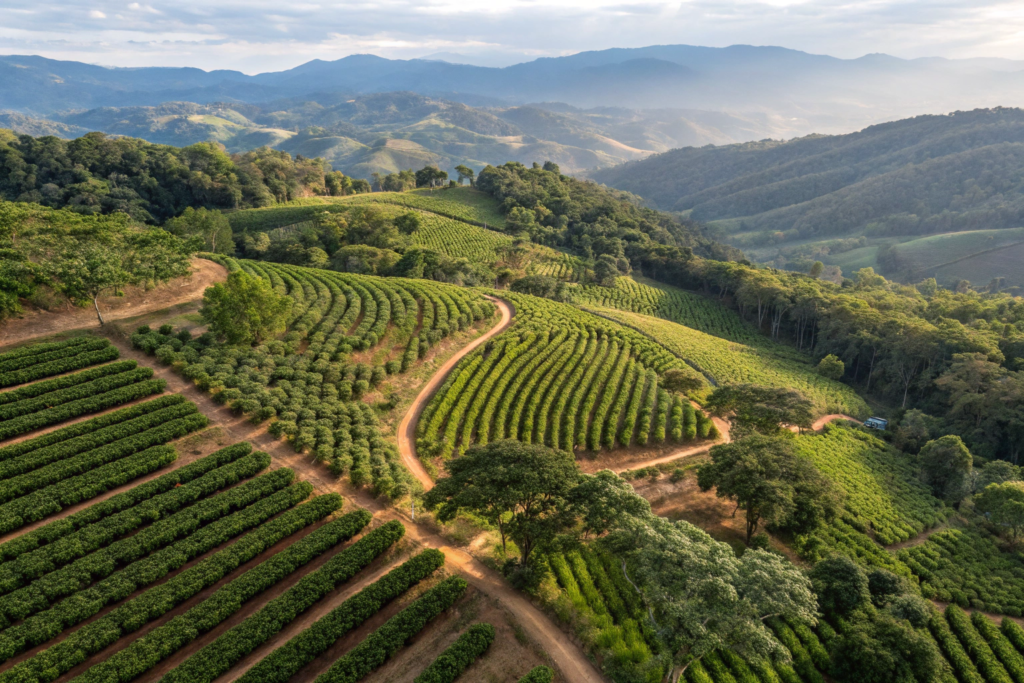
Mechanical harvesting reduces soil compaction because machines follow fixed paths instead of workers walking everywhere. It enables precision application of inputs. It speeds harvest, reducing cherry spoilage and waste. And it allows mulching of pruned branches directly into soil.
Does automation increase fuel use and emissions?
Yes, machines burn fuel. But compare to workers: 200 people commuting daily, cooking meals, generating waste. The carbon calculation isn't simple.
Our switch to electric harvesters helps. Battery-powered machines now handle half our acreage. Solar charging during day, harvesting at night when temperatures drop. Emissions down 40 percent from diesel. Visit sustainable coffee farming technology for innovations reducing agriculture's carbon footprint.
How does automation affect biodiversity?
Monoculture concerns exist. Machines work best in uniform plantings. But uniform doesn't mean sterile. We maintain shade trees, wildlife corridors, and diverse understory.
Automation actually helped us increase shade cover. Hand harvesting required easy access to every tree. Workers couldn't navigate dense shade. Machines handle shade better—they drive under canopies. We've increased shade cover 15 percent since automating. Working with Shanghai Fumao supports our biodiversity monitoring programs.
Conclusion
Automated coffee harvesting transforms farms. Costs drop. Speed increases. Quality stabilizes. Labor challenges ease. Environmental impacts improve. But automation requires investment, training, and commitment. It's not magic—it's work. But the work pays off.
At Shanghai Fumao, we've spent 15 years perfecting our automated systems. We harvest faster, process sooner, and deliver more consistent coffee because of it. Our buyers benefit from stable quality and reliable supply regardless of labor markets.
If you're interested in how automation affects the coffee you buy, contact our export manager, Cathy Cai. She'll share our harvest data, quality comparisons, and sustainability reports. Email her at cathy@beanofcoffee.com. Tell her what questions you have about mechanized coffee production. She'll respond within 24 hours with honest answers from real experience.