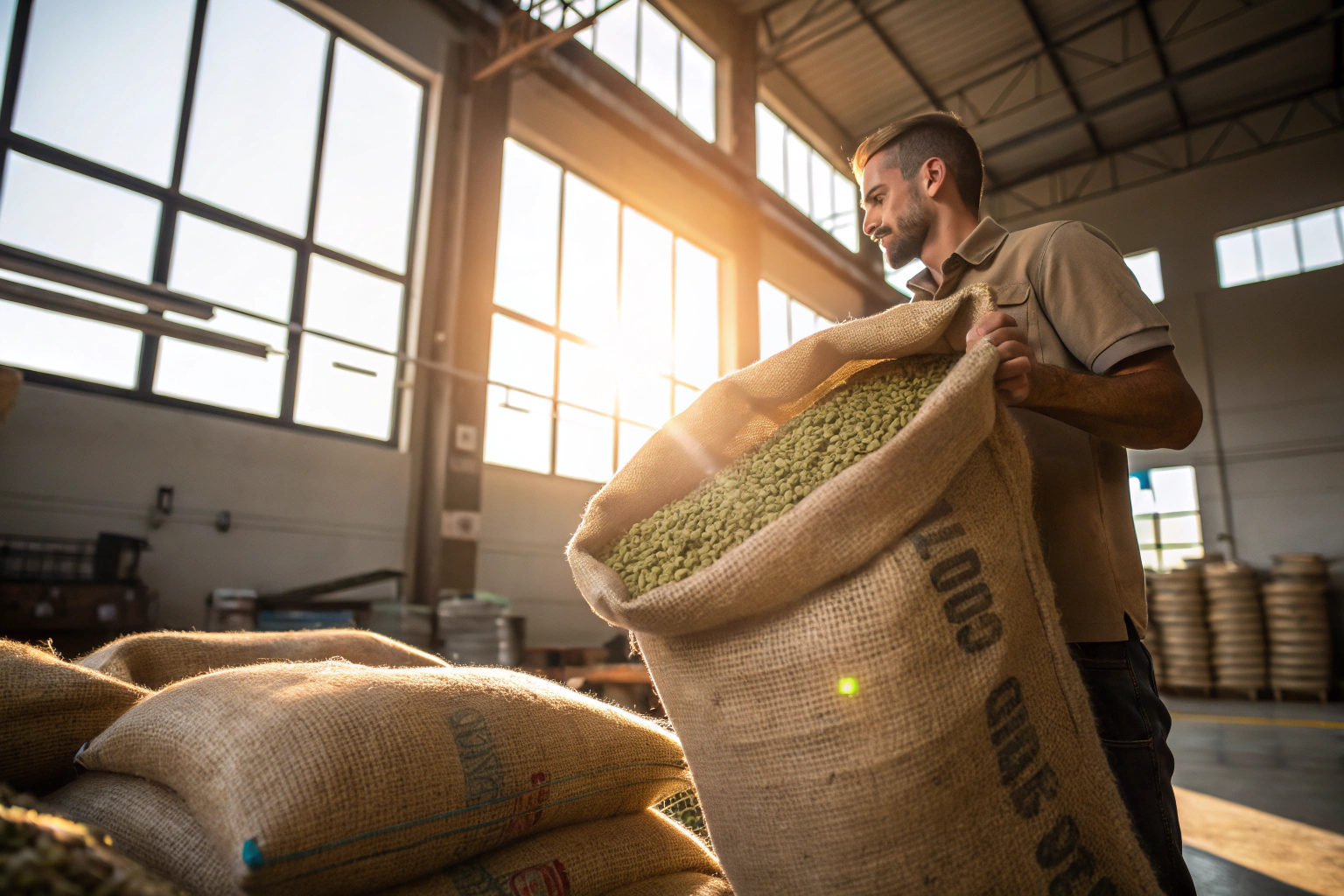
I remember my first trip to a coffee farm in Central America years ago. I saw workers filling beautiful natural fiber bags with beans. The bags looked perfect, so rustic and authentic. But the farmer noticed me watching and shook his head. "These bags look nice," he said, "but they don't protect the coffee." That moment stuck with me. When we started BeanofCoffee in Yunnan, I knew we had to find a better way. We needed packaging that looked good but also did its real job: protecting the beans.
What makes jute bags with plastic liners better for coffee packaging? The short answer is that this combination gives you the best of both worlds. The outer jute bag, made from Corchorus capsularis plant fibers, is strong, breathable, and sustainable. It has been used for centuries. But jute alone cannot protect coffee from moisture, odors, or pests during a long ocean voyage. The inner plastic liner creates a sealed barrier. Together, they keep your beans safe, fresh, and dry from our warehouse in Baoshan to your roastery in America.
You might be thinking, "Packaging is packaging, right?" Honestly, I used to think that too. But after shipping thousands of containers to North America, Europe, and Australia, I have learned that the bag matters. It matters a lot. The wrong bag can ruin perfect beans. The right bag keeps them perfect. Let me walk you through why we chose this specific packaging and why it matters for your business.
How Does the Liner Protect Bean Quality During Ocean Freight?
The ocean is not kind to coffee. A container ship goes from the humid heat of Shanghai to the cold of the North Pacific. Condensation forms inside the container. This is called "container rain." If your beans are in a simple jute bag, that moisture gets absorbed. Wet beans can mold. Moldy beans are garbage. You cannot roast away mold. You lose the whole shipment.
How does a plastic liner protect coffee beans from moisture damage? The liner acts as a waterproof shield. It is usually made of food-grade polyethylene, or sometimes a more advanced material like GrainPro. This liner is sealed inside the jute bag. When condensation forms inside the container, it cannot reach the beans. The moisture runs down the outside of the liner. The beans stay at the perfect moisture level, usually around 10-12%, which is exactly where they need to be for roasting and long-term stability.
But moisture is not the only enemy. Think about smells. A container might carry many things over its lifetime. Chemicals, spices, rubber. These smells can penetrate a plain jute bag. Coffee is like a sponge. It absorbs those odors. Imagine roasting beans that taste like rubber. It would be a disaster. The liner creates an odor barrier. It keeps your coffee tasting like coffee, not like the ship's last cargo.
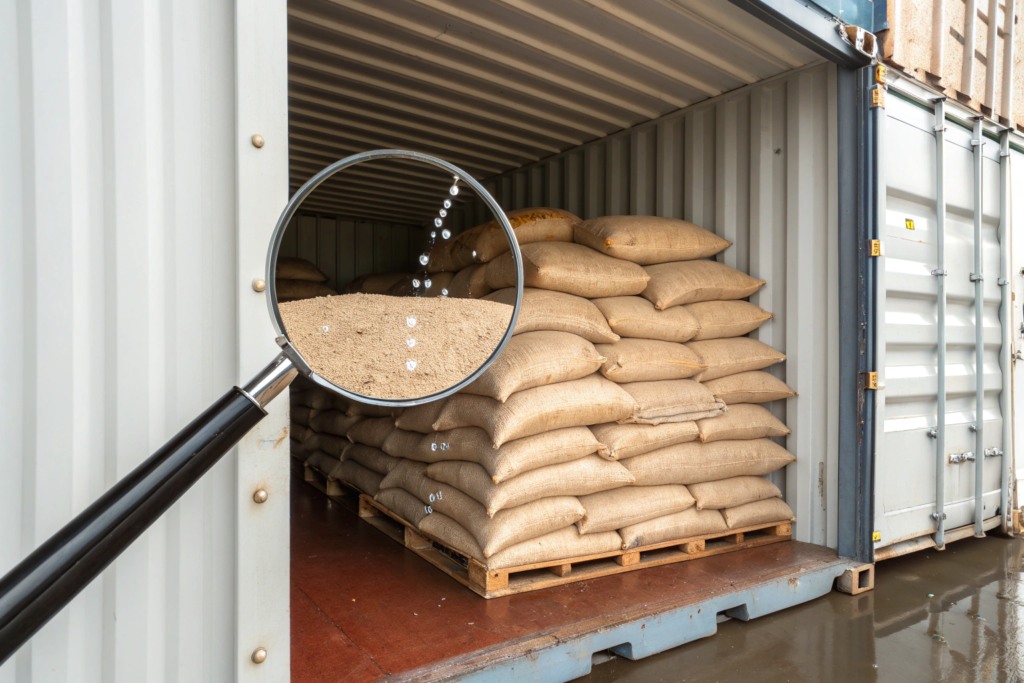
What happens to beans in non-lined bags during a 30-day sea voyage?
Let me paint you a picture. You load beautiful Yunnan Arabica into standard jute bags in Shanghai. The ship crosses the Pacific. In the first week, humidity is high. The outer layers of the jute get damp. By week two, that moisture starts wicking into the beans near the bag surface. By week three, you might see the first signs of mold on the bag itself. By the time the container arrives in Los Angeles, the beans on the edges of each bag are compromised. They might not be visibly moldy yet, but they have started to degrade. The flavor is flat. The bean color might be off. You lose quality, and quality is money. With a GrainPro liner or a simple polyethylene insert, none of this happens. The beans arrive exactly as they left.
Can liners prevent pest infestation during shipping?
This is a serious concern for US Customs and the USDA. If a shipment arrives with live insects, it can be rejected, fumigated at your expense, or even destroyed. Jute is a natural fiber. Pests can sometimes hide in the fibers themselves. More importantly, if a container has a pest problem, the jute bag offers zero protection. The liner changes this. It creates a physical barrier. Insects cannot chew through food-grade plastic easily. They cannot get to the beans. This adds a layer of biosecurity that plain jute simply cannot provide. We have shipped millions of pounds using this method, and our pest rejection rate is virtually zero.
Why Choose Corchorus Capsularis Specifically for the Outer Bag?
You might be wondering, why jute? There are many materials out there. Synthetic bags are cheaper. Paper bags exist. But we chose jute, specifically Corchorus capsularis, for a reason. It is not just tradition. It is performance. This plant, sometimes called white jute, has fibers that are perfectly suited for carrying heavy loads across the world.
What makes Corchorus capsularis better than other materials for coffee bags? This type of jute is known for its long, soft, and strong fibers. It is durable enough to hold 60kg or 69kg of green beans without tearing. It breathes just enough to let any residual moisture from the beans escape slowly, which prevents fermentation. But it is also rough enough to stack well in a container without slipping. The bags grip each other, making the stack stable during rough seas. This prevents the whole load from shifting and damaging the bags.
There is also a sustainability angle here, and honestly, our buyers in Europe care about this a lot. Jute is a renewable resource. It grows quickly. It is biodegradable. When the bag's life is over, the jute part can be composted or reused. Many of our buyers actually reuse the empty jute bags around their roasteries for storing other things, or they sell them to gardeners. It is a circular product. The plastic liner is the only non-biodegradable part, and even that is getting better with new recyclable options.
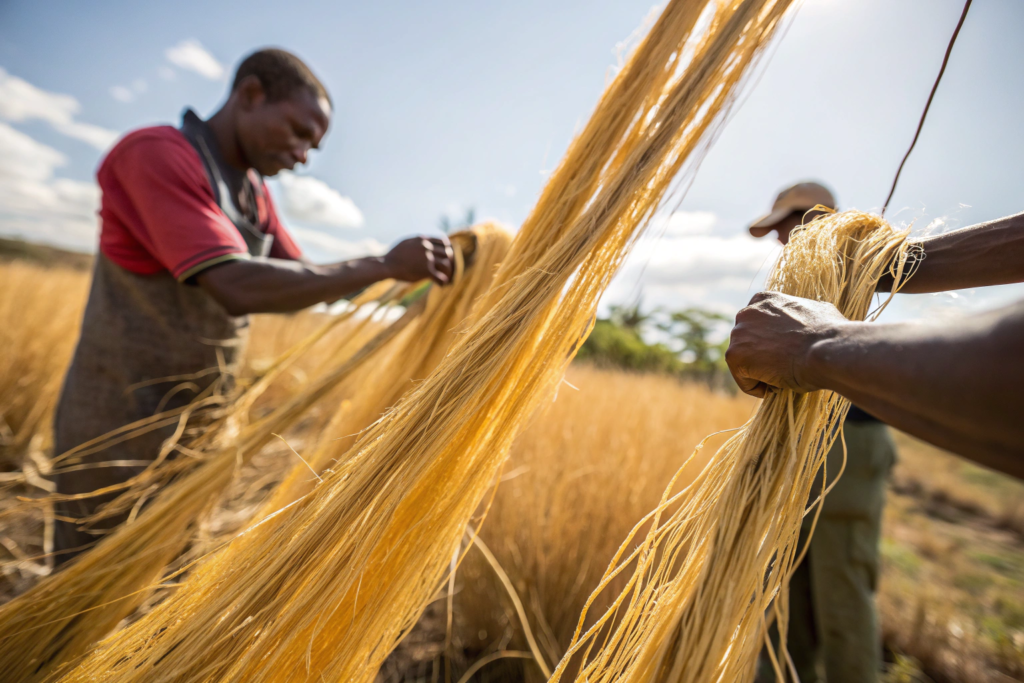
How does the breathability of jute affect coffee moisture content?
This is a delicate balance. You want the beans to be protected from outside moisture, but you also don't want to trap bad moisture inside. Freshly milled coffee has a certain moisture level. If you seal it in 100% plastic, any tiny bit of excess moisture is trapped. This can lead to condensation inside the bag, which is just as bad as outside moisture. The jute breathes. It allows the coffee to "live" during transport. It lets out any minor humidity fluctuations naturally. The liner protects against the big swings, and the jute handles the small adjustments. Together, they maintain that perfect 10-12% moisture content that roasters love.
Is jute packaging more sustainable than synthetic alternatives?
Yes, absolutely. Polypropylene bags are common. They are cheap and strong. But they are plastic through and through. They sit in landfills for hundreds of years. Jute breaks down in months if composted. The carbon footprint of growing jute is also low. The plants absorb CO2 as they grow. At BeanofCoffee, we source our jute bags from suppliers who follow sustainable practices. We even work with logistics partners like Shanghai Fumao to ensure our packaging suppliers meet environmental standards. For our customers in environmentally conscious markets like the EU and Australia, this is a real selling point. They can tell their customers that the coffee arrived in packaging that didn't hurt the planet.
How Does This Packaging Impact Your Unpacking and Roasting?
Let's be practical for a moment. The coffee arrives at your roastery in America. Now you have to deal with it. I have talked to many roasters over the years. They all tell me the same thing about packaging. They want it to be easy. They want it to be clean. They don't want to fight with the bag. They don't want beans spilling everywhere. They don't want plastic bits getting into their grinder.
How do jute bags with liners make the roasting process easier for buyers? The two-layer system is designed for efficiency. You cut the strings on the jute bag. You pull the jute down, exposing the clean liner. You cut the liner, and the beans pour out smoothly. No jute fibers mix with your beans. No dust from the bag gets into your batch. The liner keeps the beans protected right up to the moment they hit your hopper. It is clean, fast, and professional.
Think about food safety in your own facility. Jute fibers are natural, but they are not food. You don't want them in your roaster. With a liner, the beans never touch the jute. The jute is just a carrying case. The liner is the actual food contact surface. When you cut the liner, you are opening a sterile package of beans. This is especially important for larger buyers who have strict food safety protocols to follow. It simplifies their receiving process.
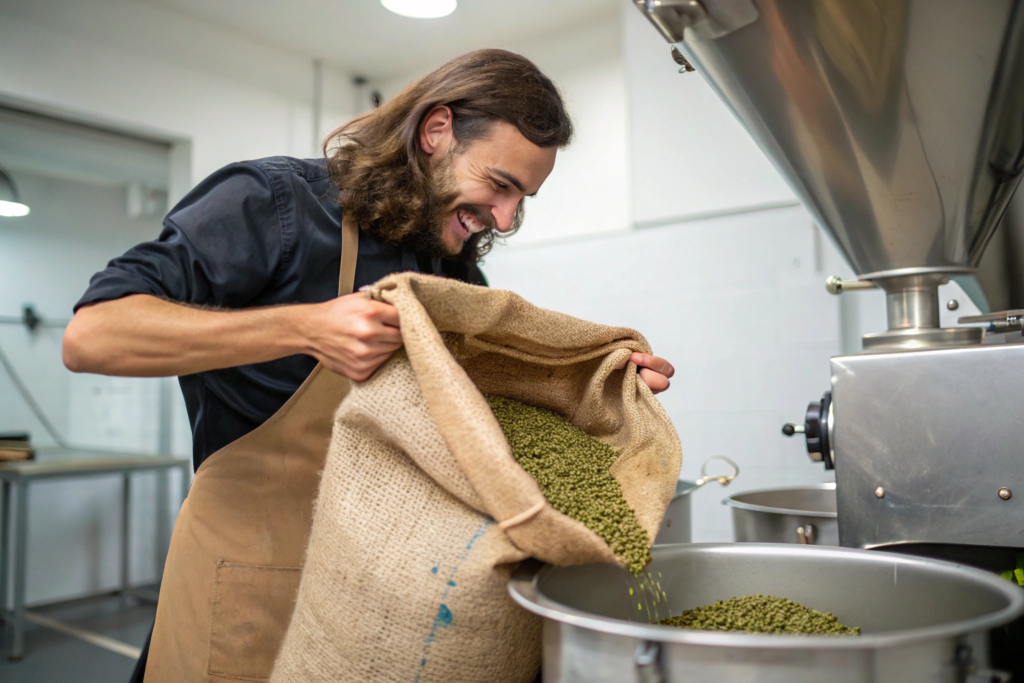
Can you reuse or recycle the empty bags easily?
Many of our customers ask this. The answer is yes, and in two ways. First, the jute bag itself is very reusable. Roasters use them for storing roasted coffee, for holding supplies, or even as decorative elements in their cafes. Second, they are recyclable in different ways. The jute can go to compost or be reused. The liner, if it is simple polyethylene, can often be recycled with plastic films, depending on local facilities. We are also testing newer biodegradable liner materials that break down along with the jute. This is a trend we are watching closely because our buyers keep asking for it.
Does the liner affect the beans' need to rest after roasting?
This is a technical point, but important. Some roasters believe that beans need to "breathe" even during storage. They worry that a plastic liner might trap gases and change the flavor. In reality, green beans are dormant. They are not actively degassing like freshly roasted beans. The liner does not affect their post-roast performance at all. Once you roast them, they will degas normally. The liner's job is just to keep them stable until that moment. It does not alter the bean's chemistry. We have tested this extensively in our own lab and with partner roasters. The flavor profile is identical whether the beans came from a lined bag or a traditional bag.
Cost and Logistics: Is This Packaging Worth the Investment?
I know what you are thinking. This all sounds great, but it must cost more. And you are right. Lined jute bags do cost more than plain jute bags or polypropylene bags. But in business, you have to look at the total cost, not just the price of the bag. A slightly more expensive bag that guarantees your coffee arrives safe is cheaper than a cheap bag that ruins a whole shipment.
Is the extra cost of lined jute bags worth it for coffee importers? In my experience, absolutely yes. The cost difference per bag is usually a few dollars. But compare that to the cost of a rejected shipment. A single container of coffee can be worth $50,000 or more. If moisture ruins 10% of those beans, you lose $5,000. If the whole thing is rejected, you lose everything. Spending a few hundred dollars more on better bags is the cheapest insurance you can buy.
There are also logistics benefits. Lined bags stack better. They are less likely to tear during loading and unloading. This means less waste and fewer claims. They also give you, the buyer, peace of mind. When you see that liner, you know the supplier cares about quality. It is a signal. It says, "We have done this before, and we know what we are doing."

How do lined bags affect container loading efficiency?
This matters for freight costs. You want to fit as much coffee as possible into a 20-foot container. Jute bags with liners are dense and stack neatly. They don't bulge oddly like some synthetic bags. Their uniform shape means we can maximize every inch of space. At BeanofCoffee, we work with our freight partners at Shanghai Fumao to calculate the optimal loading pattern for every shipment. This efficiency means we can often fit more bags per container, lowering the shipping cost per pound for you. That small saving helps offset the slightly higher bag cost.
Do different liners exist for different coffee origins or types?
Yes, and this is an area where we customize for our buyers. For standard green Arabica or Robusta, a simple food-grade polyethylene liner is perfect. But for some specialty buyers, we use hermetic liners. These create an almost complete vacuum seal. They are often used for very high-end microlots or for coffees that will be stored for a long time. For our Catimor, which is known for its disease resistance and robust flavor, the standard liner works great. For our high-altitude Arabica, we sometimes upgrade to hermetic if the buyer plans to age the coffee. The choice is yours. We offer options because we know different roasters have different needs.
Conclusion
Packaging might seem like a small detail. But in the coffee business, small details make the big difference. A good bag with a good liner protects your investment. It keeps your beans dry, safe from smells, and free from pests. It makes your job easier when the coffee arrives. It even helps tell a sustainability story to your customers. At BeanofCoffee, we choose Corchorus capsularis jute bags with high-quality liners for every shipment. We do this because we care about the beans we grow on our 10,000 acres in Yunnan. We want them to arrive at your roastery in the same perfect condition they left our warehouse.
We have learned that quality doesn't stop at the farm gate. It continues all the way to your door. That is why we pay attention to every detail, including the bags. Ready to experience coffee that arrives as fresh as it left? Let's talk about your next order.
Contact Cathy Cai, our export manager. She can discuss packaging options and show you how we protect your beans every step of the way. Her email is: cathy\@beanofcoffee.com.