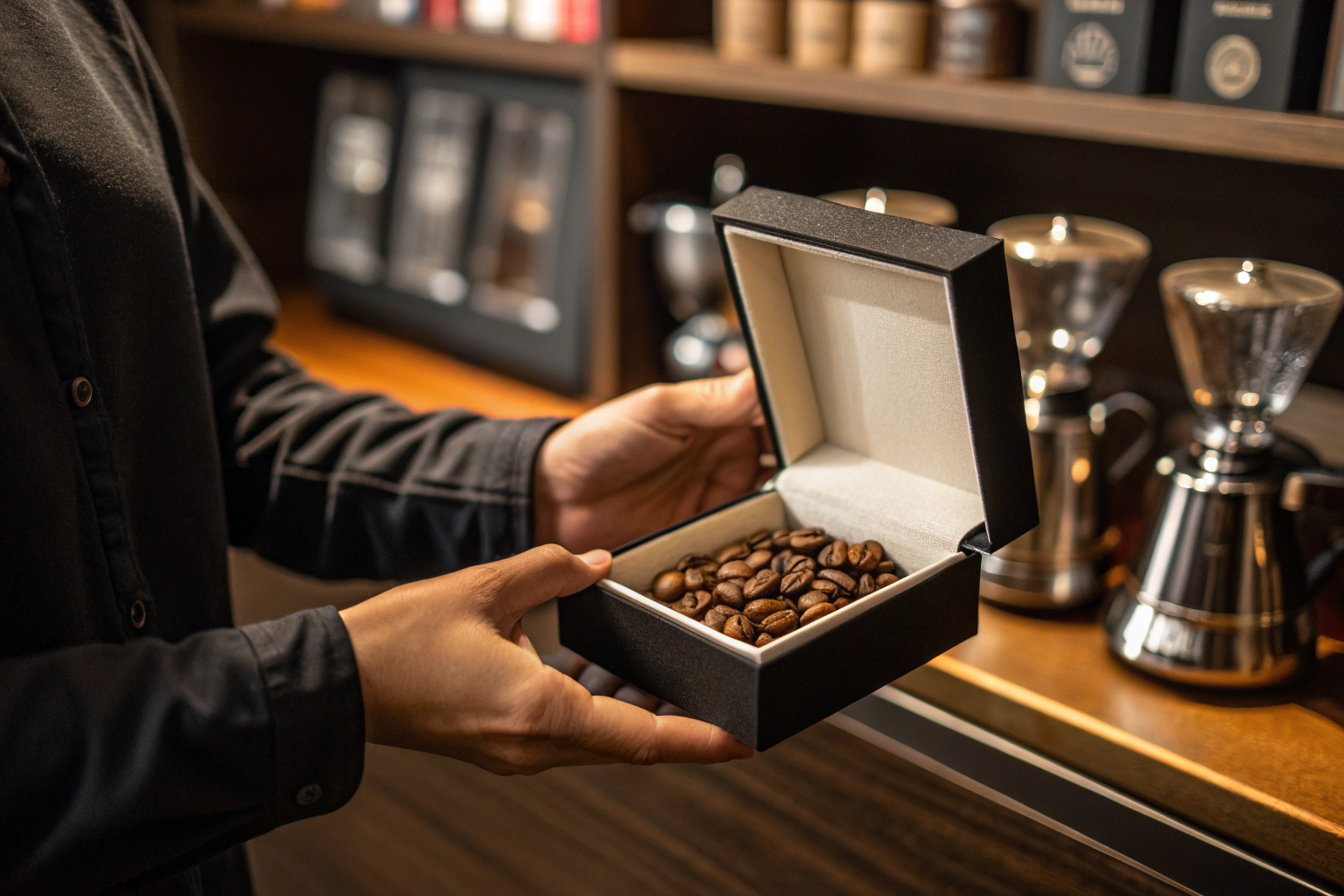
Have you ever seen a coffee listed for an astronomical price and wondered, "Who on earth buys that?" Maybe you're a buyer like Ron, focused on securing large volumes of quality beans like Arabica or Robusta at a good price, and the idea of collecting small, expensive lots seems like a completely different world. It can feel impractical, a hobby for the elite rather than a serious business pursuit. You might worry that you're missing out on a trend, but you're also skeptical about the real value behind the hype.
The truth is, collecting rare coffee beans is about much more than just status. Coffee lovers and serious roasters collect rare beans to experience unique, unrepeatable flavors, explore the frontiers of coffee processing and genetics, and connect with the story and craftsmanship behind a specific farm or harvest. It's a quest for the extraordinary. These beans are the "haute couture" of the coffee world—they push boundaries, showcase innovation, and offer a sensory experience that you simply can't find in a standard commercial lot.
As someone who has dedicated my life to cultivating coffee on our 10,000-acre plantation in Yunnan, I see this passion not as a separate world, but as the pinnacle of our craft. It's the same drive for quality, just focused on a smaller, more exceptional scale. In this article, I'll pull back the curtain on the motivations behind this fascinating pursuit. We'll explore what makes a bean "rare," why the experience is so coveted, and how this niche market influences the broader coffee industry—including for volume buyers like you.
What Defines a "Rare" Coffee Bean?
So you're intrigued, but the term "rare" still feels a bit vague. You see labels like "Geisha," "Peaberry," or "Anaerobic Fermentation" and wonder what they really mean. The problem is that without a clear definition, it's hard to assess the true value. You're a practical buyer, and you need to understand the fundamentals. Is the rarity due to a genuine scarcity, or is it just clever marketing?
A coffee bean's rarity is typically defined by one or more of three key factors: genetics (the varietal), environment (the terroir), and processing (the post-harvest method). It's not just about being hard to find; it's about possessing a unique combination of these elements that results in a distinctive and exceptional flavor profile. A coffee might be rare because the plant itself is low-yielding and difficult to grow, or because it comes from a tiny, high-altitude farm with a unique microclimate.
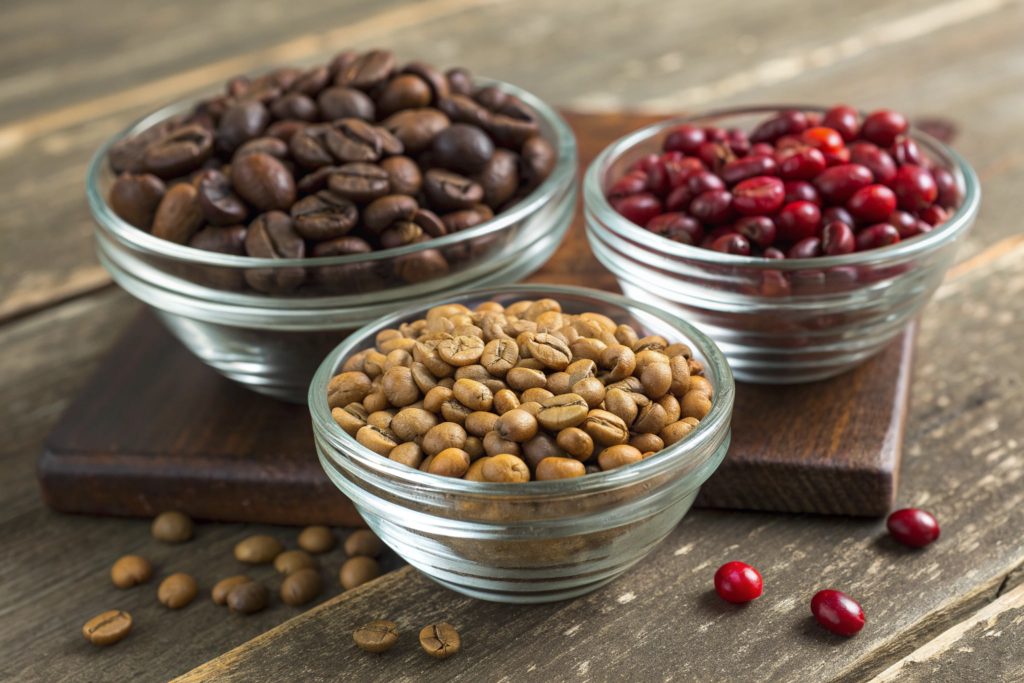
Let's break this down. The genetic component is huge. A varietal like Geisha, for example, is famous for its delicate floral and tea-like notes, but it's notoriously fussy to cultivate. Another way to look at this is through mutations, like the Peaberry, where only one seed develops inside the coffee cherry instead of two. These single, rounded beans often have a more intense and sweeter flavor. At my company, Shanghai Fumao, while we focus on robust varietals like Catimor and Arabica for our main exports, we are always experimenting with small lots on our Baoshan farms to explore the unique potential of our own terroir.
Is It the Plant Varietal?
Yes, the plant's genetics are a primary source of rarity. Think of it like heirloom tomatoes or heritage apples. Coffee has thousands of varietals, and some, like the aforementioned Geisha or the rare Sudan Rume, are prized for their extraordinary flavor profiles. These plants are often less resistant to disease and produce a much smaller yield than common commercial varietals. Their scarcity is a direct result of the agricultural challenge and risk involved in growing them. You can learn more about different coffee varietals from resources like World Coffee Research, which maintains a catalog of coffee types.
Is It the Processing Method?
Absolutely. This is where much of the modern innovation in coffee is happening. A standard washed or natural process can produce great coffee, but experimental methods create truly unique flavors. For example, "anaerobic fermentation" involves fermenting the coffee cherries in a sealed, oxygen-free environment, which can produce intense, wine-like or cinnamon notes. Another method is "carbonic maceration," borrowed from the wine industry. These processing methods are labor-intensive, risky, and require a high degree of skill, making the resulting beans both rare and expensive.
The Quest for a Unique Flavor Experience
Okay, so a bean is rare because of its genetics or processing. But why pay the premium? You might be thinking, "Is the taste really that different?" As a buyer focused on consistency for a large customer base, you might prioritize a classic, reliable coffee profile. The fear is that these exotic flavors are too niche, too weird, and won't appeal to your market.
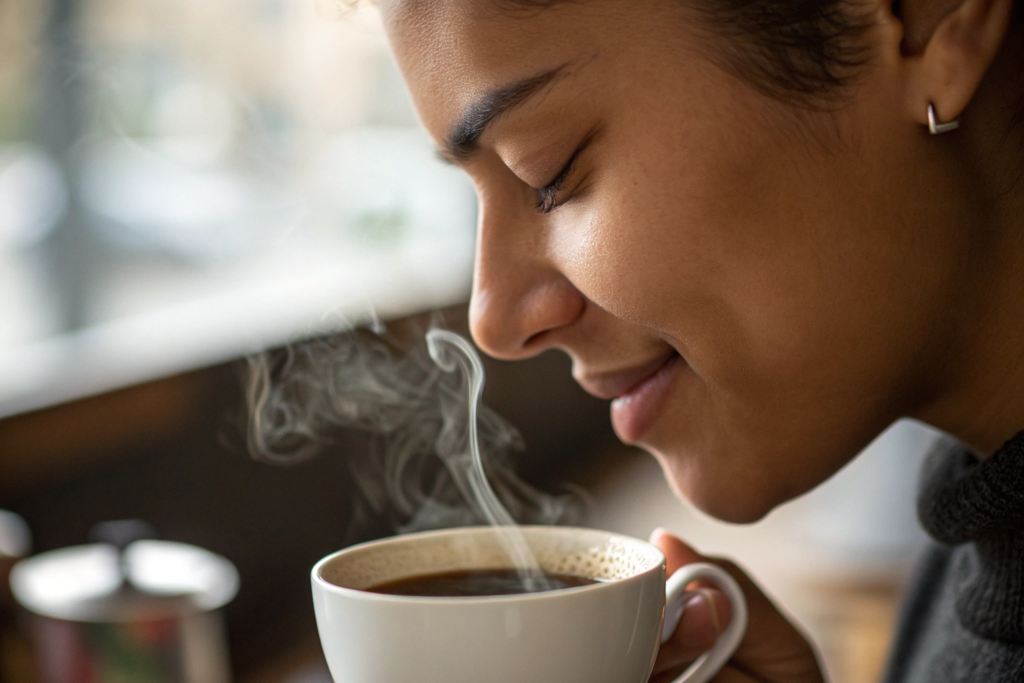
The driving force for collecting rare beans is the pursuit of a transcendent sensory experience. Collectors are chasing flavors and aromas that are simply not present in mainstream coffee. Imagine a coffee that doesn't just taste like "coffee," but has clear, distinct notes of jasmine, bergamot, raspberry, or even tropical fruits like passionfruit and mango. It's less like a morning utility and more like tasting a fine wine or a complex single-malt scotch.
This experience is about discovery. For a coffee lover, brewing a cup of rare Geisha is an event. It's an opportunity to engage their palate, identify complex notes, and appreciate the incredible craftsmanship that went into that cup. It's a story. You're not just tasting coffee; you're tasting a specific place—a single hillside in Panama—and a specific process perfected by a farmer. It's a connection to the origin that is intensely personal and memorable.
What Kind of Flavors Are We Talking About?
We're not talking about subtle hints. Rare, high-end coffees can have stunningly clear and powerful flavor profiles. A top-tier Ethiopian heirloom might burst with the flavor of fresh blueberries. A carefully processed Pink Bourbon from Colombia could have the delicate sweetness of rosewater and strawberry. These aren't imaginary marketing terms; they are distinct tastes identifiable in a formal coffee cupping session. These unique profiles are what make the beans worth their price for those seeking a novel experience.
Is It Just About the Flavor?
While flavor is paramount, it's not the only factor. It's also about the "mouthfeel" or texture of the coffee. Some rare coffees have a silky, tea-like body, while others might be exceptionally juicy or syrupy. The acidity is another key component—it might be bright and sparkling like champagne or soft and complex like a ripe plum. The entire sensory package—aroma, flavor, mouthfeel, and finish—combines to create an experience that is memorable and, for collectors, worth pursuing.
The Collector's Mindset: Story and Status
Let's be honest. When you see a product that is both rare and expensive, you have to wonder if status plays a role. You're a business owner, and you know that perception and branding are powerful. You might suspect that collecting rare coffee is partly about being able to say you have it—a form of social currency among aficionados.
You're not wrong. While the quest for flavor is genuine, the collector's mindset is also driven by the story behind the bean and, to some extent, the status it confers. Owning and sharing a rare coffee is a way to demonstrate knowledge, a refined palate, and a deep appreciation for the craft. It's similar to collecting fine art or vintage watches. The object itself is beautiful, but its value is magnified by its story, its provenance, and its scarcity.
Think about it: when a collector serves a rare coffee, they're not just pouring a drink. They're sharing a narrative. They'll talk about the farmer, the specific challenges of the harvest year, and the innovative processing technique used. This storytelling transforms the act of drinking coffee into a rich cultural experience. For roasters, having these "halo" products on their menu can elevate their entire brand, signaling to customers that they are experts dedicated to the highest echelons of quality. It shows they are connected to the cutting edge of the industry, a commitment we share at Shanghai Fumao by constantly improving our own craft.
How Important is the Story?
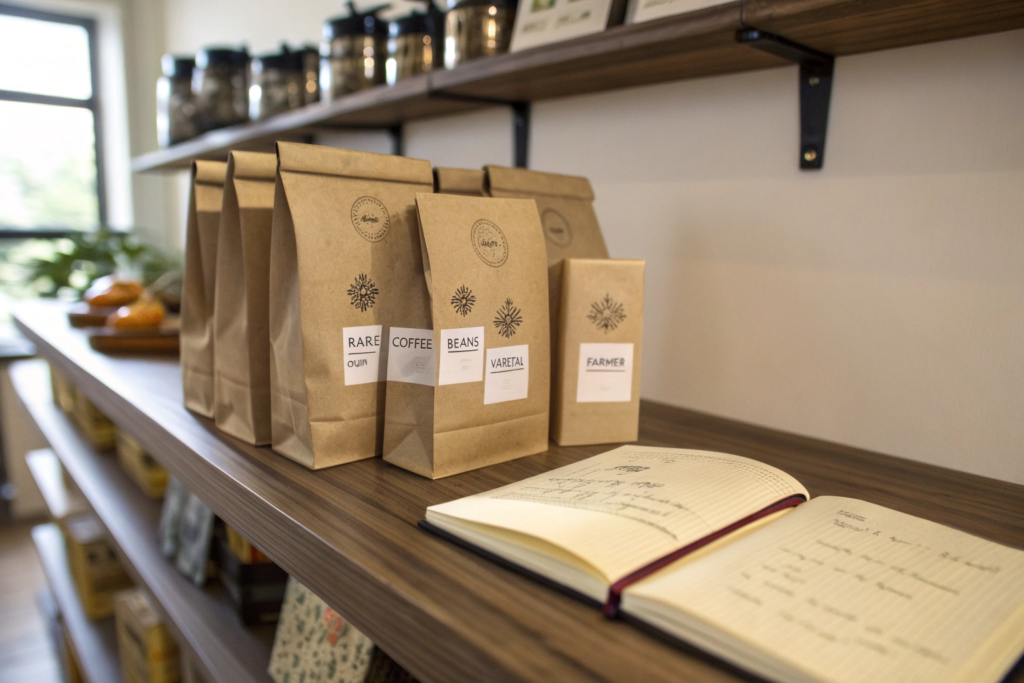
The story is critically important. It provides context and emotional weight to the flavor in the cup. Knowing a coffee was grown by a fourth-generation farming family on a volcanic slope and processed using a method they invented makes the experience more meaningful. This is why you'll often see the farmer's name featured prominently on bags of rare coffee. It's a shift from a commodity mindset to an artisanal one, where the creator is celebrated. This narrative is a huge part of what collectors are buying into.
Does Rarity Equal Quality?
This is a crucial question. The answer is no, not automatically. Rarity indicates scarcity, but it doesn't guarantee a delicious cup. A bean might be rare for reasons that don't actually contribute to good flavor. However, in the specialty market, most coffees that become famous and rare do so because they first proved to have exceptional quality and a unique flavor profile in competitions like the Cup of Excellence. The high prices and collector interest then follow. So, while not a perfect correlation, there is a strong link between celebrated rarity and proven quality.
Conclusion
The passion for collecting rare coffee beans, once seen as a niche hobby, is a powerful force that celebrates the immense potential of the coffee cherry. It's a journey driven by a desire for unique sensory experiences, a deep appreciation for the farmer's craft, and the compelling stories behind these exceptional beans. For collectors, it's about tasting the cutting edge of agriculture and processing. For roasters, it's a way to showcase their expertise and elevate their brand.
While your focus as a volume buyer might be on securing consistent, high-quality lots, understanding this world is valuable. The innovations born in this experimental space often trickle down and influence mainstream processing, ultimately improving the quality of all coffee. It reminds us that behind every bean, whether it's a rare Geisha or a reliable Catimor, there is a story of place, process, and people.
If you are looking for a supplier who understands the entire spectrum of coffee quality—from reliable, premium wholesale beans to the potential of exceptional small lots—we are here to help. Our deep roots in Yunnan's soil give us a unique perspective. To discuss how we can supply your business with coffee that is both high-quality and trustworthy, please get in touch with my colleague, Cathy Cai, at cathy@beanofcoffee.com. Let's build a partnership grounded in a shared passion for great coffee.