I'll never forget this conversation with a skeptical buyer from Europe a few years ago. He was polite, but his mindset was clear: Asia was, in his view, a blind spot on the global coffee map. This perception, this "mental block," is a pain point I've encountered again and again. It's a narrative written by decades of tradition, one that overlooks the incredible revolution that has been happening across our continent.
The primary benefits of sourcing coffee from Asia are gaining a significant competitive advantage through exceptional value, diversifying your supply chain to mitigate risk, and accessing a new frontier of unique and innovative flavor profiles that can differentiate your brand. Asia is no longer just a secondary option; it is a strategic necessity for any forward-thinking coffee buyer looking for growth and stability.
As the owner of Shanghai Fumao, with our roots deep in the soil of Yunnan, China, I live this reality every day. We are not just competing with the traditional giants; we are offering a fundamentally different value proposition. For a buyer like Ron in the US, who is constantly balancing price, quality, and reliability, Asia is not a risk; it's the answer. Let's explore the strategic advantages that sourcing from our continent can bring to your business.
How Does Asia Offer Unmatched Value and Cost-Effectiveness?
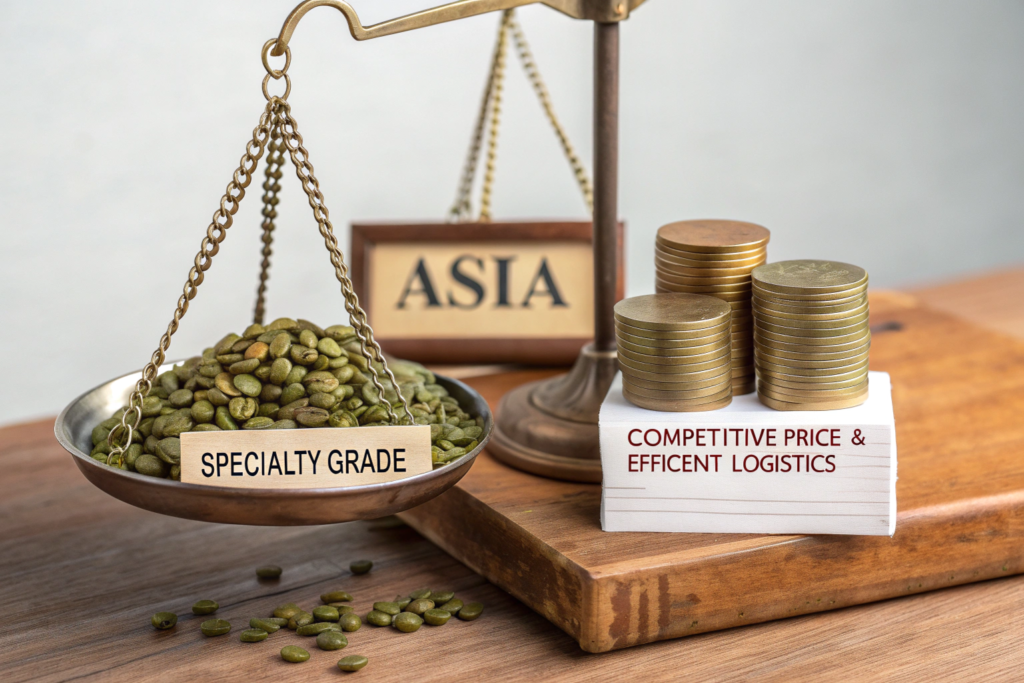
Let's be direct, because as a business owner, you care about the bottom line. The most immediate and compelling benefit of sourcing from many parts of Asia, including our home base in Yunnan, is the incredible value proposition. This isn't about being "cheap"; it's about being cost-effective. It's about achieving a level of quality per dollar that is increasingly difficult to find in the more established, and therefore more expensive, coffee-growing regions of the world.
This cost-effectiveness stems from several factors. As we've discussed before, in regions like Yunnan, there's a favorable combination of competitive labor costs and massive government investment in modern infrastructure. Our access to world-class ports, highways, and rail networks dramatically reduces the "cost to port," a saving that gets passed directly to you. Furthermore, Asian producers are often more integrated with modern manufacturing and global logistics, leading to leaner, more efficient supply chains.
For a buyer like Ron, who is acutely aware of tariffs, shipping costs, and timeliness, this is a game-changer. It means you can source specialty-grade, certified organic coffee at a price point that allows for healthier margins, or you can offer your customers a better price, giving you a significant edge in a competitive market.
What Does "Supply Chain Efficiency" Mean in Practice?
It means shorter lead times and less bureaucracy. Our proximity to some of the world's largest and most efficient shipping hubs—where the air hums with the low, steady roar of container cranes and the scent of saltwater mingles with the sharp tang of diesel—means we can often get a container on a vessel and on its way to you faster than from more remote, inland regions of other continents.
Here, the docks bustle with activity; workers in reflective vests move with practiced efficiency, guiding massive steel containers onto waiting ships that loom like floating fortresses against the horizon. This direct access slashes delays, turning weeks of anxious waiting into days of anticipation.
Is It Just About China?
No. While we are proud champions of Yunnan, this value proposition extends across the region. Vietnam is a powerhouse in Robusta production, offering unmatched efficiency for espresso blends and instant coffee. Indonesia offers a vast range of profiles at competitive prices. The entire continent is geared for efficient, large-scale trade, a core competency that benefits the global coffee market.
How Does Sourcing from Asia Mitigate Supply Chain Risk?
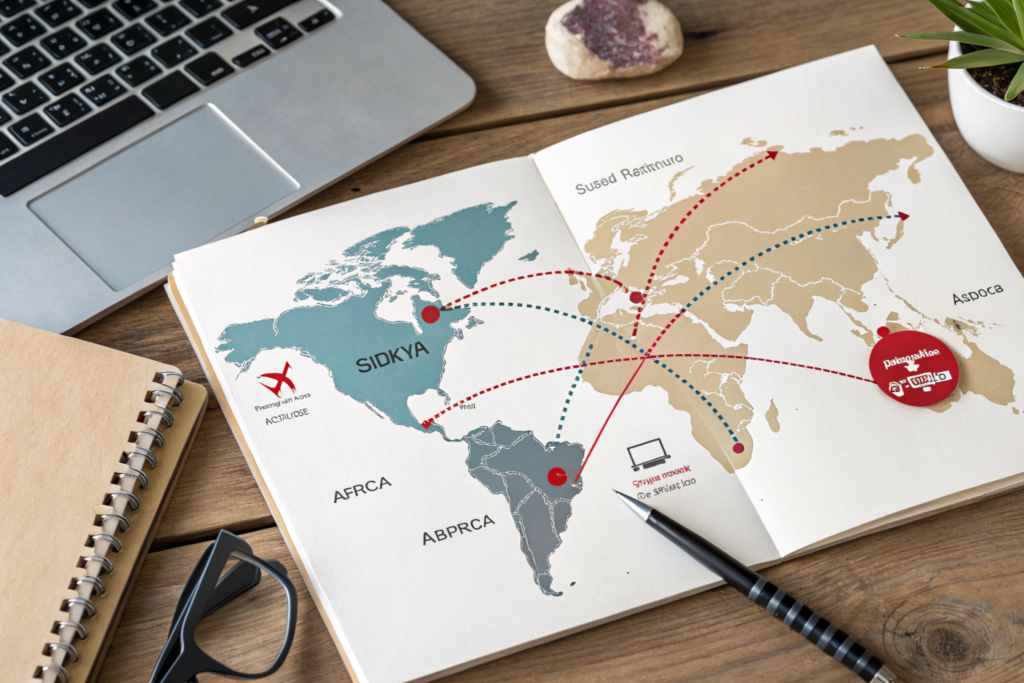
"All my coffee comes from one region in Colombia. The quality is great, but I lie awake at night worrying. What if there's a bad harvest? A political strike? A new plant disease? My entire business is vulnerable." This is a fear I hear from so many buyers. Putting all your eggs in one basket, no matter how good that basket is, is a risky business strategy.
Diversifying your sourcing portfolio is one of the most important actions you can take to build a resilient, long-term business. And Asia offers the most powerful and logical diversification away from the traditional Latin American and African origins. By adding a high-quality Asian coffee to your lineup, you are building a firewall for your business.
If a frost hits Brazil, or a drought affects Ethiopia, or a port strike paralyzes Colombia, you will not be left scrambling. You will have a stable, reliable supply chain from a completely different part of the world, insulated from those specific regional shocks. This isn't just about finding a backup; it's about building a smarter, more robust global sourcing strategy. For a business owner, this peace of mind is priceless.
What Kinds of Risks Are We Talking About?
- Climate Risk: A single weather event like a frost, drought, or hurricane can devastate a region's entire crop for a season.
- Political & Economic Risk: Political instability, new export tariffs, or currency fluctuations in a single country can dramatically impact price and availability.
- Agricultural Risk: The outbreak of a plant disease, like a new strain of coffee leaf rust, can cripple origins that rely on a narrow range of varietals.
By sourcing from different continents with different climates, political systems, and coffee varietals, you spread your risk. This is a fundamental principle of modern supply chain management.
Does Asia Offer Different Harvest Cycles?
Yes. While there is overlap, the peak harvest seasons in many parts of Asia can differ from those in Central and South America. For example, our main harvest in Yunnan is in the winter. This allows you to plan your purchasing and cash flow more effectively, buying fresh, "new crop" coffee at different times of the year, ensuring you always have the freshest possible product on hand.
What New Flavor Profiles Can Asia Offer?
Perhaps the most exciting reason to source from Asia is the opportunity to be a pioneer. While the flavor profiles of a classic washed Colombian or a natural Ethiopian are well-known and loved, Asia represents a new frontier of taste. For a brand looking to stand out and offer something new and exciting to its customers, this is an incredible opportunity.
The continent is a vast and diverse tapestry of terroirs and traditions. You have the unique, earthy, and complex profiles of wet-hulled coffees from Sumatra in Indonesia. You have the delicate, tea-like, and floral notes that are emerging from high-altitude farms in our home of Yunnan, China. You have coffees from places like Thailand and the Philippines that are experimenting with radical fermentation techniques, producing wild, tropical, and winey flavor profiles.
By sourcing from Asia, you are not just buying coffee; you are buying a story. You are offering your customers a chance to explore a new part of the coffee world. In a crowded market where everyone is selling the same origins, presenting a unique and delicious coffee from Yunnan or Sumatra can immediately differentiate your brand and position you as a curator and an innovator.
What Does a "Typical" Yunnan Coffee Taste Like?
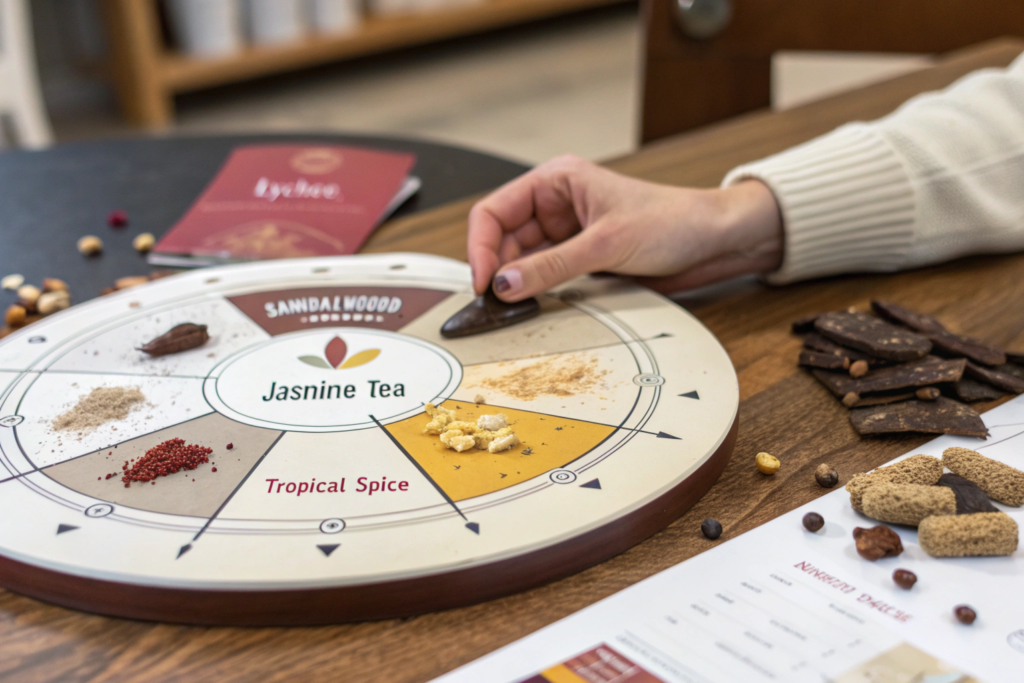
While diversity is growing across the global coffee landscape, our high-quality washed Arabicas from Baoshan stand out as a beacon of refined flavor. These beans, nurtured in the mist-kissed mountains of Baoshan, are often noted for their balanced profile that dances on the palate—full-bodied yet elegant, with a gentle acidity that brightens without sharpness, and a deep, lingering sweetness that coats the tongue like a warm embrace. Common tasting notes unfold like a sensory journey: rich dark chocolate, smooth and velvety, lingers on the finish, while toasted almond adds a nutty complexity that feels both familiar and indulgent. A subtle hint of black tea weaves through, lending a earthy depth that grounds the experience.
In contrast, our natural processed lots offer a surprising twist, bursting with vibrant fruity character. Sun-dried and allowed to develop on the cherry, they reveal a profile that is both comforting and complex, with bright, juicy notes of ripe red berries—think plump raspberries and tangy strawberries—and the deeper, darker sweetness of sun-warmed plum. It's a profile that invites savoring, each sip telling a story of sun, soil, and careful craftsmanship, leaving a lasting impression of warmth and richness.
Are Asian Producers More Innovative?
Because many Asian coffee industries are younger and less bound by generations of tradition, there is often a greater willingness to experiment. At Shanghai Fumao, for example, we have dedicated lots for experimental processing like anaerobic and carbonic maceration. We are constantly pushing the boundaries of flavor because we are building our reputation now, in the 21st century. This innovative spirit means you get access to unique coffees that you simply won't find anywhere else.
Conclusion
The old map of the coffee world is outdated. To view Asia as a blank space is to miss out on the most dynamic and strategic opportunity in the industry today. The benefits are too compelling to ignore: the unmatched value that strengthens your bottom line, the crucial supply chain diversification that protects your business, and the exciting new frontier of flavors that can define your brand.
Sourcing from Asia is no longer a question of "why," but "when." It's a move that positions your business for the future, making it more resilient, more profitable, and more interesting. The continent is ready, the quality is here, and the opportunity is now.
We believe that our home in Yunnan is the perfect gateway for you to begin your Asian sourcing journey. We offer the quality, the value, and the reliability to make your transition seamless and successful. If you are ready to redraw your coffee map and gain a true competitive edge, please contact our head of client relations, Cathy Cai, at cathy@beanofcoffee.com. Let's explore the future of coffee, together.