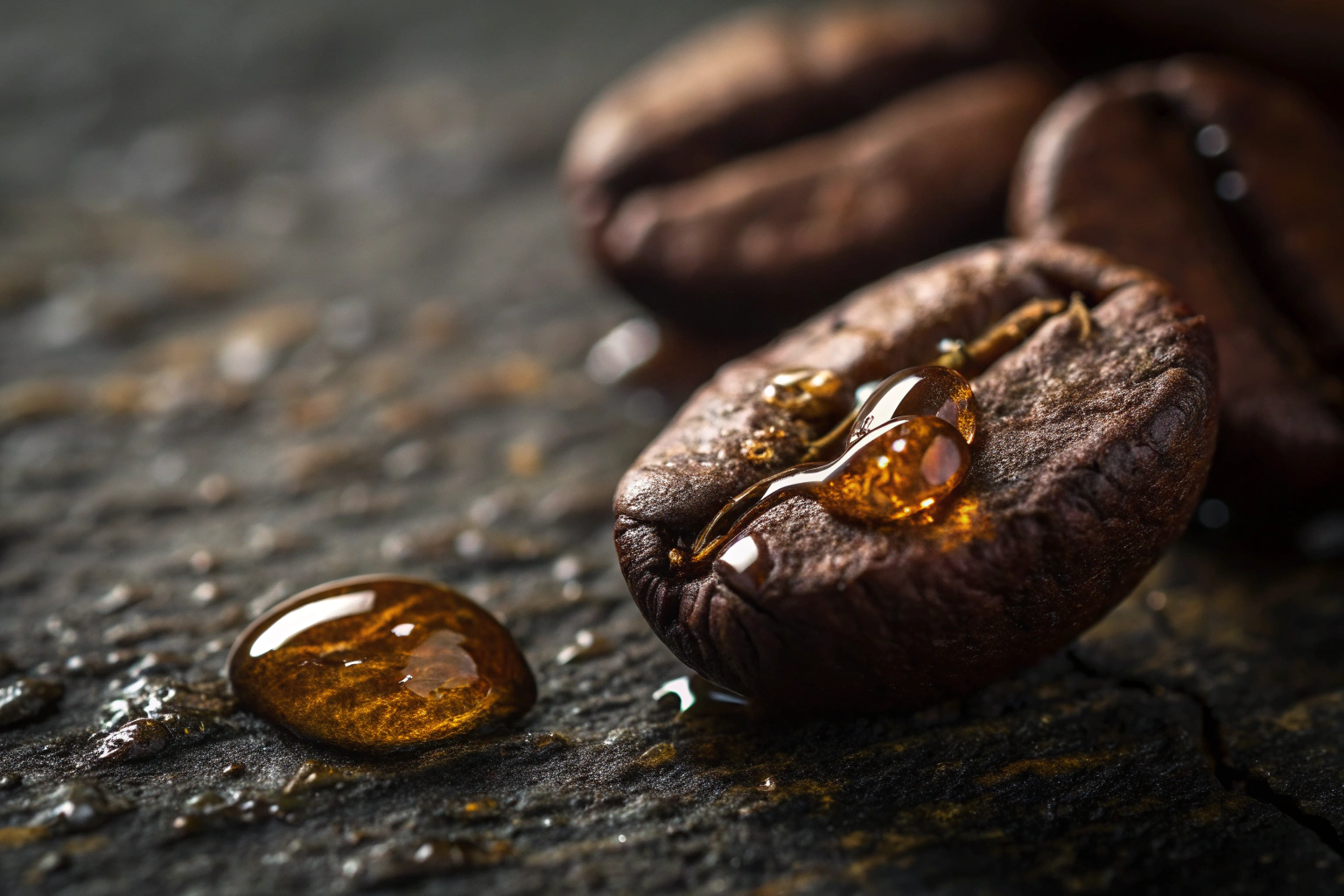
Have you ever opened a new bag of coffee beans and found them covered in a glistening, oily sheen? I know the first time I saw it, years ago, a little alarm bell went off in my head. My immediate thought was, "Is this bad? Has the coffee gone rancid?" It's a common reaction. We're often taught that "oily" means old or spoiled, like a bag of potato chips left open for too long. This fear is a real pain point for consumers and even for new roasters.
The truth is, oil on the surface of coffee beans is a natural result of the roasting process, specifically a dark roast. The intense heat forces the natural oils (lipids) locked deep inside the bean's cellular structure to migrate to the surface. While it is a sign of a dark roast profile, it is not inherently a sign of bad or old coffee. However, once on the surface, these oils are exposed to oxygen and will cause the bean to go stale much faster.
Understanding the "why" behind that oily sheen is crucial. It separates myth from fact and empowers you to be a more knowledgeable coffee buyer and brewer. As someone who oversees the entire journey of our beans at Shanghai Fumao, from the soil in Yunnan to the final roast, I want to demystify this oily phenomenon. It's not a defect; it's a story being told by the bean itself. Let's listen to what it's saying.
Where Do the Oils Come From?
Before we can understand why the oils come out, we need to know where they are in the first place. Every single coffee bean, whether it's a delicate Arabica or a bold Robusta, is a tiny treasure chest of natural compounds. It contains hundreds of different elements that create the flavors and aromas we love. Among the most important of these are lipids, which is the scientific term for fats and oils.
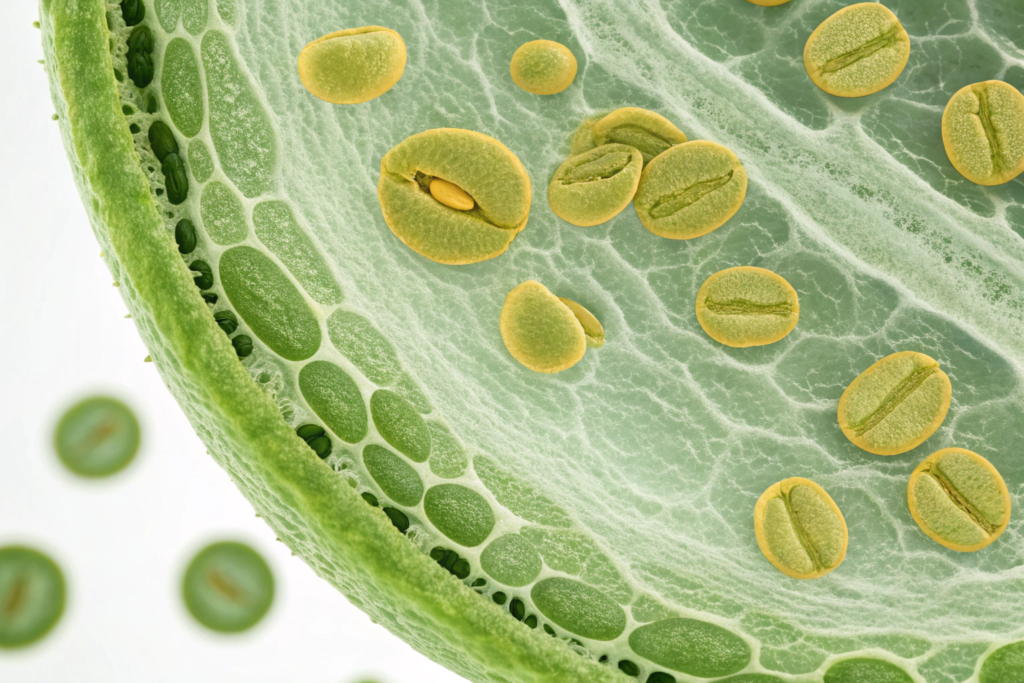
A green, unroasted coffee bean is incredibly dense and hard. Its cellular structure is tightly woven and intact. The coffee oils are safely locked away deep inside these cells. At this stage, the bean is not oily on the surface at all. It's shelf-stable and protected. The potential for flavor is all there, but it's dormant, waiting for the transformative power of the roaster to unlock it.
Think of it like this: the green bean is a promise. The oils are a key part of that promise, responsible for carrying many of the aromatic compounds and contributing to the coffee's body and mouthfeel. But to fulfill that promise, the bean must undergo a radical and fiery transformation.
What Percentage of a Bean Is Oil?
By weight, coffee beans contain a significant amount of oil. The exact percentage varies by varietal, but it's generally in the range of 10-12% for Robusta and a higher 15-17% for Arabica. This is one of the reasons Arabica is prized for its more complex and aromatic flavor profiles—it simply has more of these flavor-carrying lipids to begin with. These oils are a fundamental component of the bean's makeup, as detailed in coffee science resources like the Coffee Quality Institute (CQI).
Are These Oils Good or Bad?
These naturally occurring oils are not just good; they are essential. They are the vehicle for many of the coffee's most volatile and desirable aromatic compounds. Without these oils, coffee would lose much of its captivating aroma and its rich, satisfying mouthfeel. The goal is not to eliminate the oils, but to manage them correctly through the roasting and brewing process. They are a key part of what makes coffee taste like coffee, a fundamental aspect of its chemical composition.
How Does Roasting Force the Oils Out?
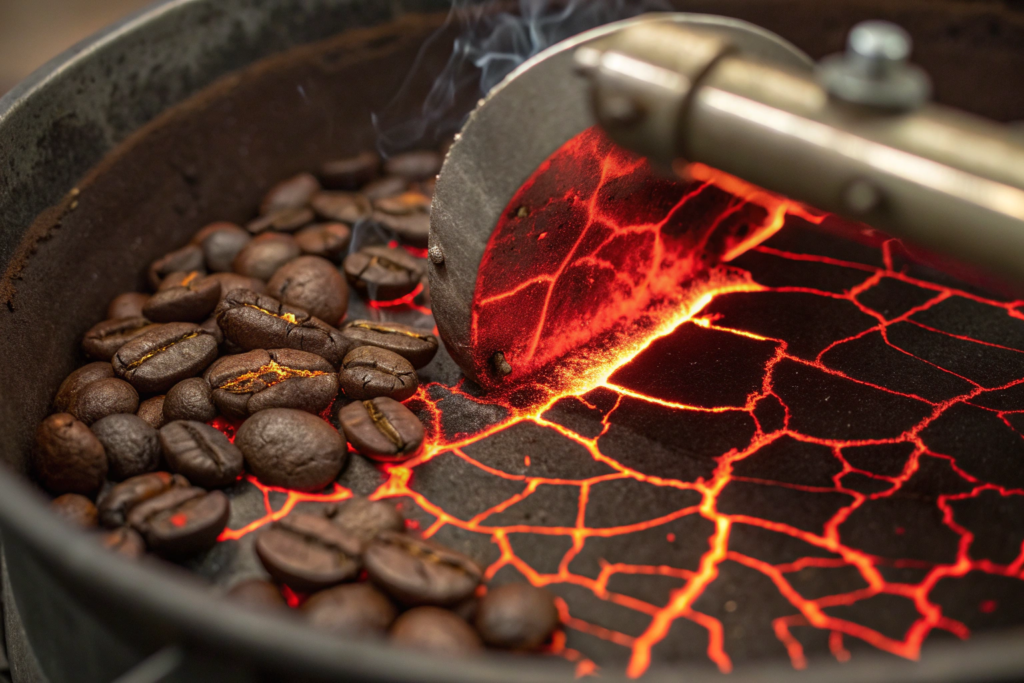
The roaster is where the magic happens. It's a controlled, high-heat environment where the green bean is transformed into the brown, aromatic bean we recognize. This process involves a series of complex chemical reactions, but it's also a dramatic physical transformation. The bean expands, changes color, and its internal structure is completely altered.
As the temperature inside the roaster climbs, two critical events happen, known as "cracks."
- First Crack: Around 196°C (385°F), the moisture inside the bean turns to steam, causing the bean to expand rapidly and audibly "crack." This is the beginning of a light roast.
- Second Crack: If the roast continues, around 224°C (435°F), the bean's cellular structure itself begins to fracture and break down. This is a more violent, rapid-fire crackling sound.
It is during and after this "second crack" that the oils are liberated. The intense heat and pressure have broken down the cellulose walls that once held the oils captive. The bean's structure is now more porous, and the oils, which have become less viscous from the heat, are forced to migrate from the interior of the bean to the surface.
Why Does a Darker Roast Mean More Oil?
The relationship is simple: the longer and hotter you roast a bean past the first crack, the more its cellular structure will break down.
- Light Roast: The roast is stopped during or just after the first crack. The cell walls are still largely intact. The oils remain locked inside. These beans will have a dry, matte surface.
- Medium Roast: The roast is stopped somewhere between the first and second crack. Some structural breakdown has occurred, but most oils are still inside. You might see a few specks of oil, but the surface is mostly dry.
- Dark Roast (e.g., French or Italian Roast): The roast is taken into or past the second crack. The cell structure is thoroughly fractured. The oils are actively pushed to the surface, resulting in a glossy, oily sheen. This is a key characteristic of a classic dark roast.
Is It a Sign of a "Bad" Roast?
Not necessarily. It's a sign of a dark roast. Whether a dark roast is "bad" is a matter of personal preference. Many people love the bold, smoky, and bittersweet flavors of a French or Italian roast. For this style, an oily surface is not a defect; it is the intended and expected outcome. However, if you buy a bag of coffee that is labeled as a "medium roast" and it's covered in oil, that could be a sign that it was roasted improperly or is much darker than advertised.
What Happens When Oil Is on the Surface?
So, the oils have made their journey to the surface. While this might be the intended result for a dark roast, it's a moment when a new countdown begins. This is the critical part of the story for you, the coffee drinker. The very oils that carry so much flavor are now completely exposed and vulnerable to their greatest enemy: oxygen.
Once on the surface, the process of oxidation accelerates dramatically. These exposed oils will begin to go rancid, developing unpleasant, sour, or bitter flavors much more quickly than the oils that remain protected inside a dry-surfaced bean. An oily bean, therefore, has a much shorter shelf life for peak freshness. While the bean itself isn't "bad" the moment you see the oil, its window of optimal flavor is closing fast.
This is a crucial trade-off that a roaster and a consumer must understand. To achieve the deep, smoky flavors of a dark roast, you must bring the oils to the surface. But in doing so, you start a ticking clock on freshness. It's a race against time that begins the moment the beans cool down.
How Quickly Do Oily Beans Go Stale?
While a dry-surfaced, light roast bean can maintain good flavor for 3-4 weeks after roasting, an oily, dark roast bean can start to taste noticeably stale in as little as 7-10 days. The exposed oils are simply that much more susceptible to degradation. This is why it's especially important to check the "roasted on" date when buying dark roasts.
Does This Mean Oily Coffee Is Always Old?
No, this is a key distinction. You can have a very fresh, one-day-old dark roast that is very oily. In this case, the oil is a sign of the roast style, not its age. Conversely, you could have a very old, one-year-old light roast bean that is still completely dry on the surface but is incredibly stale on the inside. The oil itself doesn't tell you the age, but it does tell you how quickly the bean will age from that point forward. It's a predictor of future freshness, not a statement on past freshness.
How Should I Handle Oily Beans?
Knowing that oily beans are a sign of a dark roast and have a shorter shelf life changes how you should buy, store, and use them. Treating them the same as a light roast is a recipe for disappointment, both in flavor and in the performance of your coffee gear. It requires a more mindful approach.
The most important rule is to buy oily, dark-roasted beans in smaller quantities that you know you will consume quickly. Buying a giant 5-pound bag is a false economy if half of it goes stale before you can use it. Think in terms of a one-to-two-week supply at most. This ensures you are always enjoying the coffee closer to its peak.
Beyond purchasing habits, oily beans demand special attention when it comes to storage and equipment maintenance. The sticky residue they leave behind is not just messy; it can actively harm your grinder and taint the flavor of future brews if not managed properly.
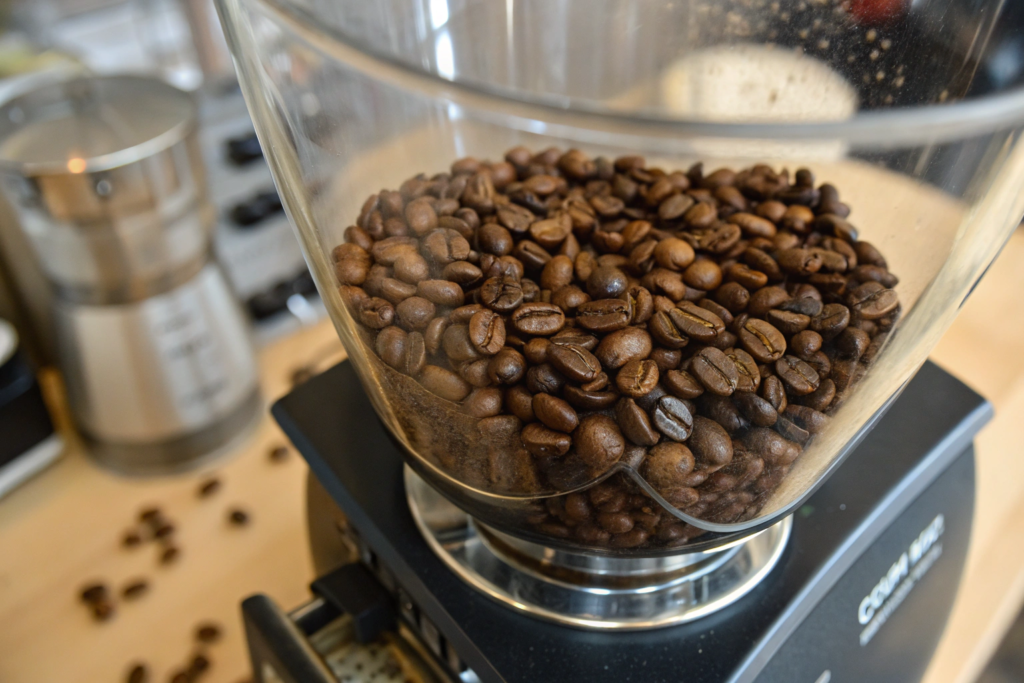
How Do Oily Beans Affect My Grinder?
This is a major practical consideration. The sticky oils on the surface of dark-roasted beans can wreak havoc on your equipment.
- In Grinders: The oil causes the beans and the ground coffee to clump together. This can clog your grinder, especially high-end burr grinders with fine tolerances. The oil builds up on the burrs, affecting grind consistency and eventually going rancid, tainting the flavor of any new coffee you grind. This is why many grinder manufacturers warn against using very oily beans.
- In Espresso Machines: The oils can build up on the portafilter, the shower screen, and inside the group head, contributing to a dirty machine and off-tastes in your espresso. It necessitates more frequent and thorough cleaning.
What Is the Best Way to Store Them?
Because their freshness clock is ticking so fast, oily beans must be stored in a truly airtight container in a cool, dark place. An opaque container is even better, as it also protects from light. Never store them in the original bag once opened unless it has a very reliable ziplock and one-way valve. And resist the temptation to store them in the freezer—the temperature fluctuations can cause condensation and the oils can absorb unwanted freezer odors.
Conclusion
The sight of oil on your coffee beans is not a mystery to be feared, but a story to be understood. It's a tale of heat, pressure, and transformation. It tells you that you are holding a dark-roasted coffee, one where the roaster has deliberately pushed the bean to its limits to unlock deep, smoky, and intense flavors. It is the signature of a specific style.
However, that oily sheen is also a warning label. It signals that the coffee's precious aromatic oils are exposed and vulnerable. It tells you that the clock on peak freshness is ticking much faster. You must use these beans quickly and be diligent about cleaning your equipment.
At Shanghai Fumao, we roast across the entire spectrum, from light to dark, to suit the needs of all our clients. We understand the science behind every roast, and our goal is to empower you with that same knowledge. Whether you prefer a dry, light-roasted bean or a glistening, dark-roasted one, the key is to know why it looks the way it does and how to best care for it.
If you have more questions about roast profiles or finding the perfect coffee for your taste, please don't hesitate to reach out to our team. Contact our head of client relations, Cathy Cai, at cathy@beanofcoffee.com. Let's continue the coffee conversation.