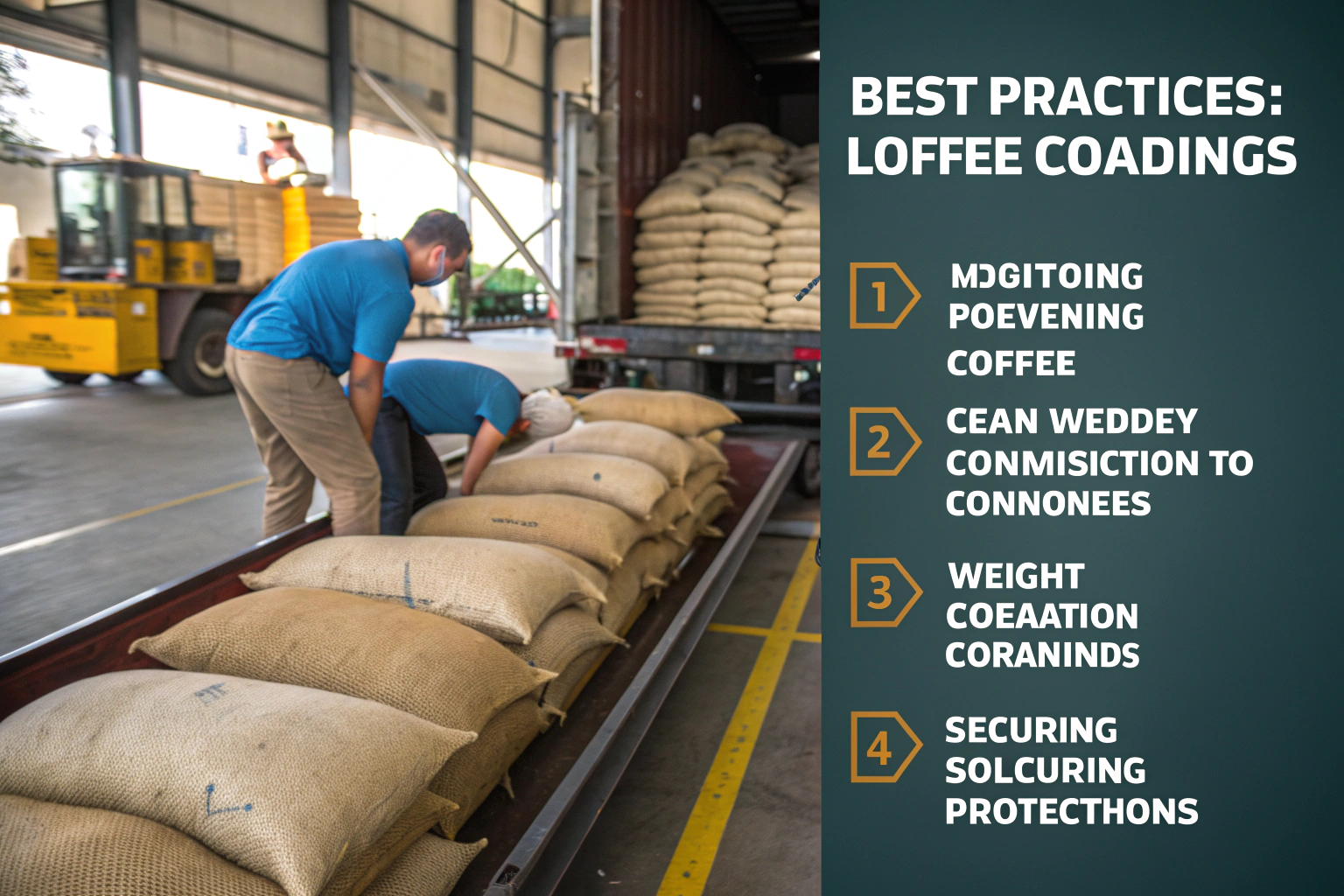
You’ve sourced the perfect coffee, it's been processed and bagged, and now it's ready to ship. This is the moment where months of work can be compromised in a few hours at the loading dock. Improper container loading is a leading cause of in-transit damage—think moisture, mold, compression, and taint. As an exporter who ships hundreds of containers annually, we treat the loading process with the same rigor as we do farming. It’s the final, critical step in our reliable and safe delivery promise.
The best practices for loading coffee into containers are a systematic approach focused on moisture prevention, weight distribution, bag protection, and securing the load. Key steps include: using a perfectly clean and dry container, strategic placement of desiccants and dunnage, meticulous stowage planning to optimize space and stability, and professional lashing and blocking to prevent movement during transit. The goal is to create a stable, breathable, and protected micro-environment for the coffee throughout its ocean journey.
That’s the checklist. But the devil is in the execution. A single wet patch on the container floor or a poorly stacked bag can lead to a claim. Let's walk through the protocol that ensures your coffee arrives in the same condition it left our warehouse.
How to Prepare and Inspect the Container Before Loading?
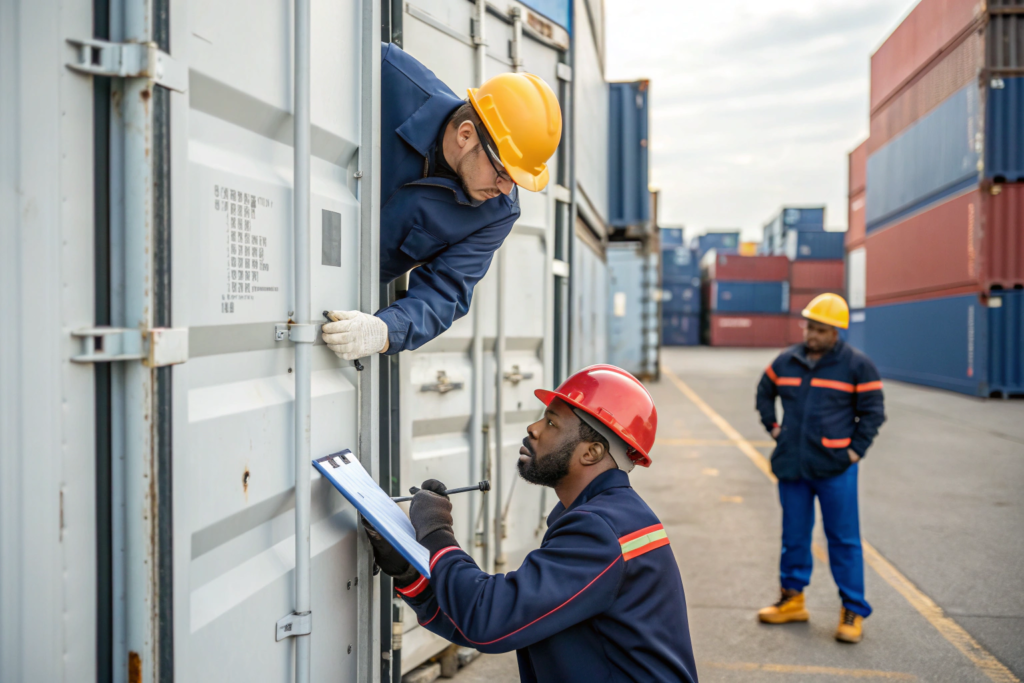
The container itself is your coffee’s first line of defense. Never assume it’s ready. This is a mandatory pre-load inspection.
The "Pre-Trip" Inspection (PTI) Checklist:
- Cleanliness & Dryness: The container must be food-grade clean and bone dry. Inspect for residual odors from previous cargo (chemicals, foodstuffs), debris, nails, or stains. Smell the interior—any pungent odor is a reject.
- Structural Integrity: Check the floor, walls, and roof for holes, cracks, or rust spots that could allow water ingress. Pay special attention to the corner posts and door seals.
- Watertight Integrity: Ensure the door gaskets are intact and flexible. A simple test is to close the doors from the inside; you should see no pinpricks of light.
- Ventilation (if using ventilated containers): For certain routes or high-humidity origins, a ventilated container may be used. Check that vents are clear and functional.
A professional exporter will not load a single bag until the container passes this inspection. We often document it with photos or video as part of the shipment record.
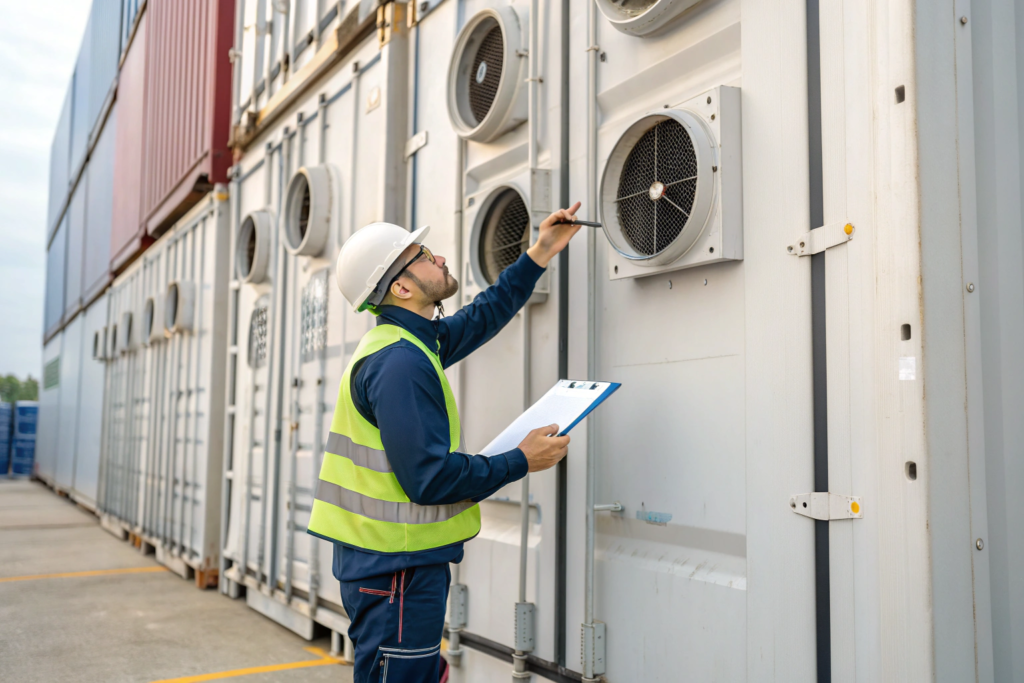
Should You Use a Dry or a Ventilated Container for Coffee?
For the vast majority of coffee shipments, a standard dry (non-ventilated) container is best. Why? It provides a sealed environment. While coffee needs to breathe, the amount of air exchange in a sealed container during a 4-week voyage is sufficient. Ventilated containers, which allow constant air flow, can actually introduce moist, salty sea air, which is far riskier. The key is to load coffee that is at the correct moisture content (10-12%) and water activity (Aw <0.60) into a clean, dry container.
What is the "Container Rain" or "Cargo Sweat" Phenomenon?
This is a major hidden risk. It occurs when the temperature inside the container falls below the dew point of the trapped air. Moisture condenses on the cold inner walls and ceiling, then drips onto your bags. This happens during voyages from warm to cold climates (e.g., China to North Europe in winter). Prevention is key: using desiccants and moisture barrier lining (see below) is the standard defense.
What is the Optimal Stowage Plan and Bag Placement Strategy?
Throwing bags into a container is not loading; it’s stacking. Loading requires a plan that balances density, stability, and airflow.
The Standard Stowage Method:
- Bag Type: Use strong, standardized bags (e.g., 60kg jute or sisal). We often double-pack high-value lots in GrainPro liners inside the jute for an extra moisture and aroma barrier.
- The "Brickwork" Pattern: Bags must be stacked in an interlocking pattern, like bricks in a wall. This binds the load together, preventing bags from shifting and settling during the violent motions at sea.
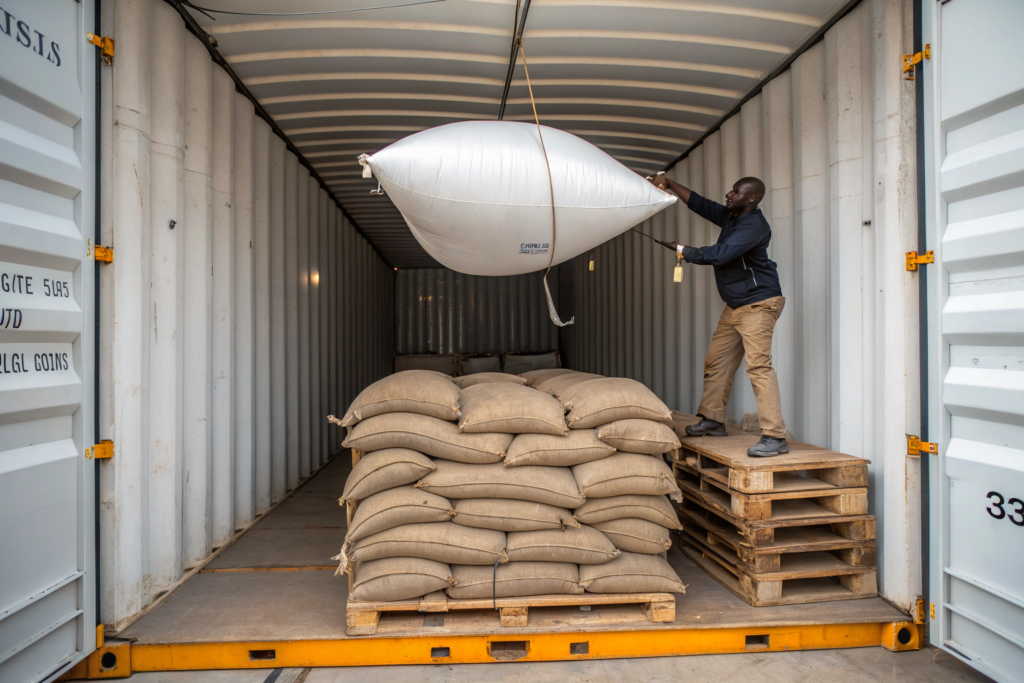
- Creating Air Channels: Never stack bags flush against the container walls. Maintain a 5-10 cm gap on all sides (walls, doors, ceiling). This allows for minimal air circulation and makes visual inspection easier at discharge. Use dunnage (airbags, inflatable bags, or honeycomb cardboard) to maintain these gaps and secure the load.
- Weight Distribution: Heavier bags go on the bottom. The load must be evenly distributed from side to side and front to back to ensure container stability on the ship and during trucking.
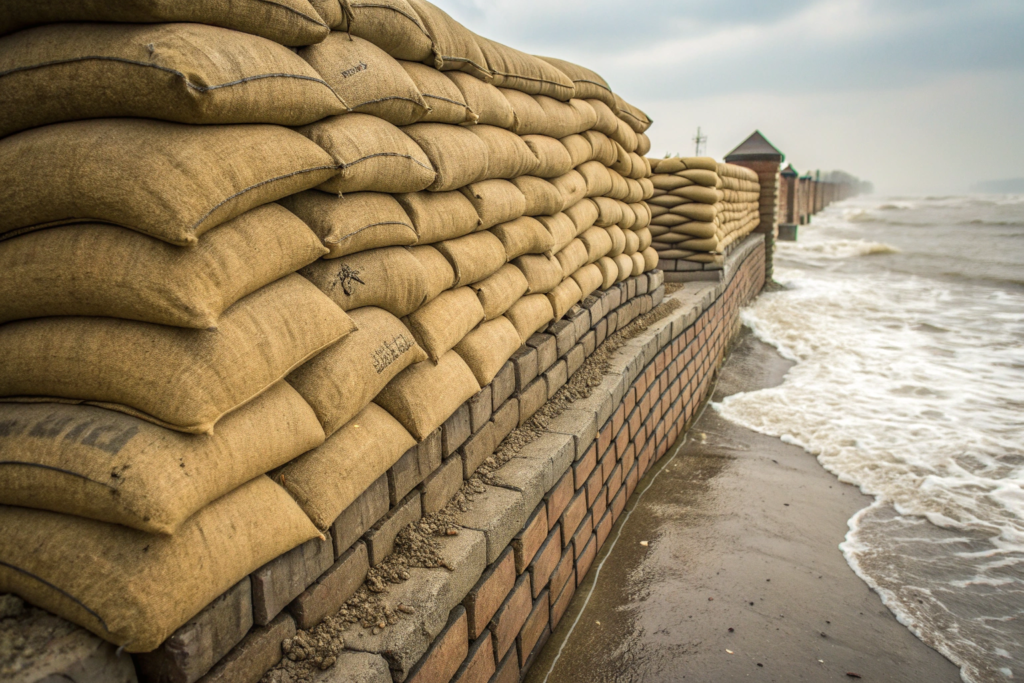
How Do You Prevent and Manage Moisture During Transit?
A multi-barrier approach is essential:
- Moisture Barrier Flooring: Lay a barrier on the container floor before loading. This can be a plastic sheet, kraft paper, or specialized laminated paper. It prevents any residual floor moisture from reaching the bags.
- Desiccants: Place silica gel or clay desiccant bags on top of the floor barrier and intermittently within the load (every few layers). They actively absorb excess moisture from the air, combating "container rain."
- Properly Dried Coffee: This is the most important factor. Loading coffee at 12% moisture versus 10.5% moisture dramatically increases the risk of condensation and mold, regardless of other measures.
What is the Maximum Stacking Height for Coffee Bags?
This depends on bag strength and the container height. A standard 40ft high-cube container allows for stacking up to 9-10 bags high if using standard 60kg jute. However, you must consider compression damage. The bags at the very bottom bear immense weight. Using stronger bags and ensuring perfect stacking alignment is critical to prevent bursting. We never exceed a safe stacking ratio that our bagging is tested for.
How to Properly Secure and Block the Load Inside the Container?
A load that shifts in transit is a damaged load. Securing is not optional; it's a safety and quality requirement.
Key Securing Techniques:
- Top Blocking: After the final layer is stacked, the void between the top of the bags and the container ceiling must be filled. This is done with inflatable airbags or foam blocks. These are placed horizontally across the width of the container and inflated/pressed into place. They prevent any vertical movement (jumping) of the load.
- Frontal (Door) Blocking: The last stack of bags before the doors must be secured with a braced wooden frame or heavy-duty webbing straps anchored to the container's lashing points. This prevents the entire load from shifting forward and smashing into the doors during sudden stops.
- Lashing: For extra stability, especially for long or rough sea routes, the load can be secured with straps or nets attached to the container's side lashing rings.
A loosely secured load can collapse, causing bag rupture, compression damage to beans, and making unloading dangerous and slow.
What are the Risks of an Improperly Secured Load?
- Physical Damage: Burst bags, crushed beans, and total stack collapse.
- Safety Hazard: During door opening at destination, a shifted load can fall out, seriously injuring personnel.
- Claim Denial: Shipping lines and insurers often deny claims for "improper packing" if the load was not adequately secured, placing full liability on the shipper (exporter).
Who is Responsible for the Loading and Securing?
The exporter (shipper) is almost always responsible for the "stuffing" of the container. This is a core part of our service at Shanghai Fumao. We use trained loading crews and supervised procedures. If you are buying FOB, ensure your supplier has a documented loading protocol. If buying CIF, this is fully under our control, and we guarantee professional handling.
What Documentation and Final Checks Are Required?
Loading isn't complete until the paperwork is done and the container is sealed.
Final Steps:
- Seal the Container: Once loaded and secured, a uniquely numbered, bolt-style security seal is placed on the container doors. This seal number is recorded on the Bill of Lading. It ensures the container hasn't been tampered with in transit.
- Photographic Evidence: Take final photos of the loaded and secured interior before closing the doors, and of the sealed doors from the outside. This is valuable evidence in case of a dispute.
- Weighing: The VGM (Verified Gross Mass) of the packed container must be obtained and communicated to the shipping line before it can be loaded onto the vessel. This is a SOLAS (Safety of Life at Sea) international regulation.
- Documentation: Ensure all shipping documents (draft Bill of Lading instructions, commercial invoice, packing list) accurately reflect the cargo details, including the seal number.
How Does This Relate to Incoterms and Liability?
If you are the buyer on CIF terms, the exporter handles all of this. Our liability for the coffee's condition typically lasts until it is discharged at the destination port. The loading practices directly impact whether it arrives in good condition. On FOB terms, while the seller is responsible for loading, the buyer assumes risk once the container is on the ship. Therefore, as a buyer, you have a vested interest in your supplier's loading competence, even under FOB.
What Should You Do as a Buyer Upon Container Arrival?
When your container arrives, conduct a receiving inspection:
- Check the seal number matches the Bill of Lading.
- Inspect the container exterior for obvious damage.
- Upon opening, note the condition of the load, any signs of moisture, or shifting.
- Immediately sample and check the coffee for moisture and smell.
This quick check helps identify any transit issues early for potential claims.
Conclusion
Loading coffee into a container is a specialized discipline that sits at the intersection of logistics, materials science, and risk management. Best practices are not just about placing bags in a box; they are about constructing a stable, protected environment that can survive the rigors of a global supply chain. From a pre-inspected container to strategic desiccant use, interlocked stowage, and professional securing, each step is a calculated defense against moisture, physical damage, and contamination.
For importers, the quality of this process is a direct reflection of their exporter's professionalism. It's a silent but critical component of what makes a supplier trustworthy and their supply chain stable. A well-loaded container is the final, sure handoff from our care to the vessel, ensuring the coffee you cupped and ordered is the coffee that arrives.
If you want to understand more about our specific loading protocols, desiccant standards, or see examples of our loading reports, we are transparent about our processes.
To discuss our loading specifications or to ensure your next shipment is handled with these best practices, please contact our Head of Sales, Cathy Cai, at cathy@beanofcoffee.com. Let's ensure your coffee's journey is as secure as its origin is sound.