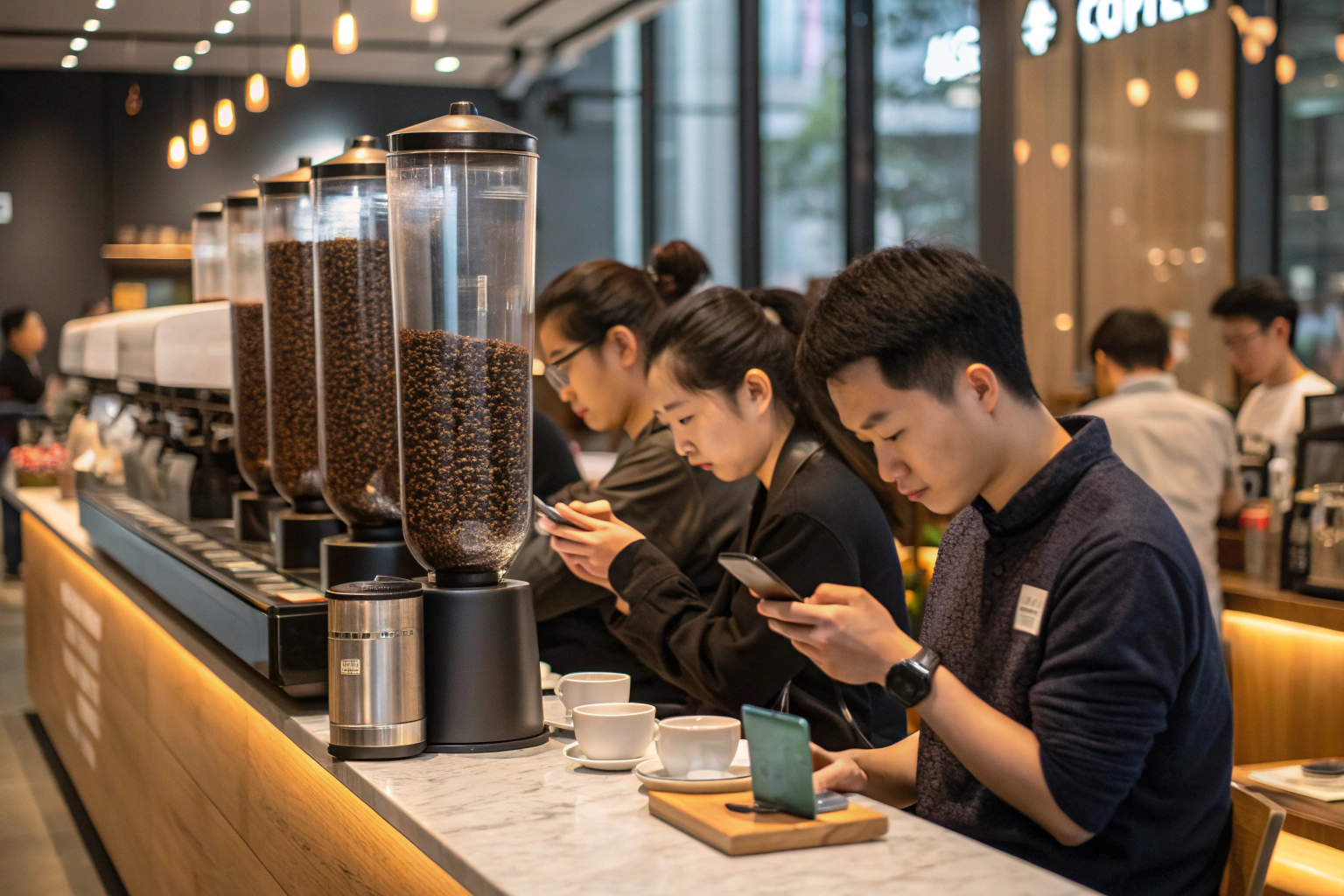
You see the headlines: "Asia is the future of coffee." But what does that actually mean for you as a buyer, exporter, or brand? It's more than just rising numbers. It's a fundamental shift in how coffee is being consumed, valued, and integrated into daily life. From our front-row seat in Yunnan, supplying beans across the continent, we see a dynamic landscape where tradition collides with hyper-modernity, creating unique opportunities.
The emerging coffee consumption trends in Asia are defined by rapid specialty coffee adoption, the rise of ready-to-drink (RTD) and cold brew formats, a deep integration with digital and delivery platforms, and a growing appreciation for local origin coffee, particularly from China and Vietnam. This is fueled by a young, urban, tech-savvy population with rising disposable income, creating a market that values both extreme convenience and premium, experiential consumption simultaneously.
That's the macro view. But to truly understand the opportunity, you need to look at the contrasting behaviors: a consumer might order a meticulously sourced, single-origin pour-over through a mobile app for delivery to their office, and later grab a canned cold brew from a convenience store. The market is not choosing one path—it's walking all of them at once. Let's explore the key trends shaping the next decade of coffee in the world's most populous region.
Why Is Asia's Specialty Coffee Scene Exploding Now?
The "third wave" of coffee—focusing on origin, craft, and quality—is no longer a niche in Western capitals. It has landed in Asia with full force, and its growth curve is steeper. This isn't just imitation; it's adaptation and local passion meeting global knowledge.
Asia's specialty scene is exploding due to a perfect storm of factors: 1) Demographic Dividend: A massive, young urban middle class is eager to spend on lifestyle and experiential purchases. Coffee shops become "third places" for socializing and work. 2) Travel & Education: Younger Asians travel extensively, experiencing coffee culture abroad. Many return to open shops or become discerning consumers. Simultaneously, barista championships and training academies (like SCA) are flourishing in the region, building local expertise. 3) Digital Amplification: Social media platforms like Xiaohongshu (Little Red Book), Instagram, and TikTok make coffee aesthetics and knowledge highly shareable, driving trend adoption at viral speed. A beautifully layered latte or a minimalist brew bar becomes a social currency. This creates a market that is educated and demands quality—a direct opportunity for exporters of premium Arabica and unique microlots.
How Are Local Tastes Shaping Asian Specialty Coffee?
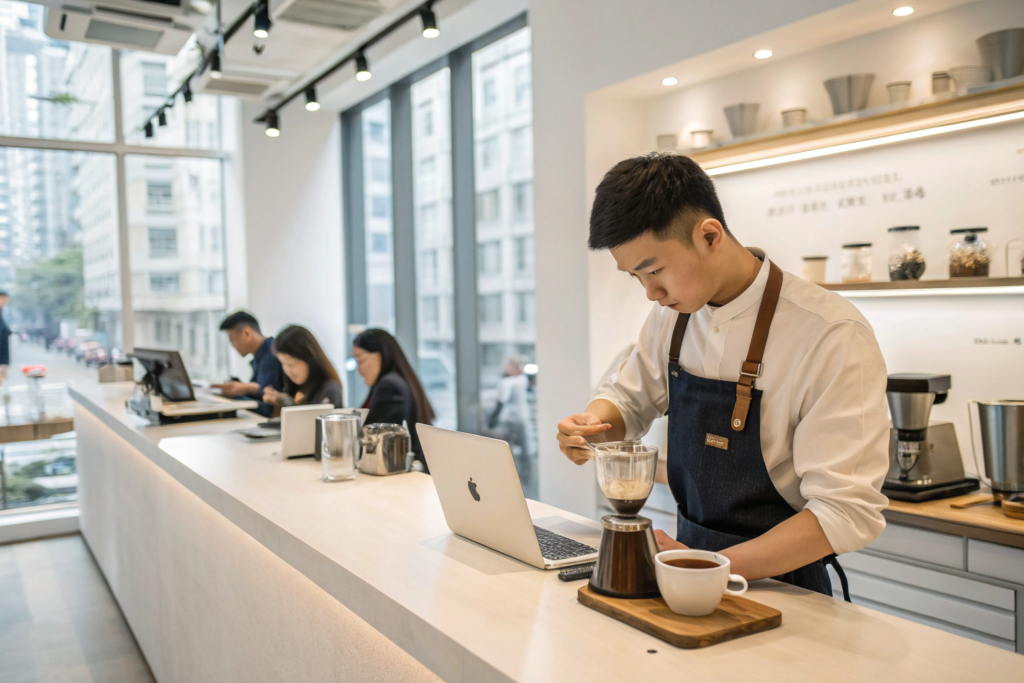
Asian specialty is not a carbon copy of the West. Local taste preferences are influencing drink creation and roasting styles. There's a greater affinity for lighter, fruitier, and tea-like coffees that align with traditional tea-drinking palates. This favors washed processed coffees from Ethiopia, Kenya, and also the delicate, floral notes found in some Yunnan Arabica. Conversely, there's also a market for deeply innovative signatures: Salted cream tops, matcha-coffee hybrids, and bean varieties infused with local flavors like red date or lychee are huge. Roasters are also adapting profiles to suit milk-based drinks popular in the region, which often use sophisticated, shelf-stable milk alternatives. This means buyers and roasters in Asia are looking for versatile green beans that can work in both a clean filter brew and a complex milk beverage.
What Role Do Cafés Play Beyond Serving Coffee?
The café is a multi-dimensional hub. It's a co-working space, an Instagram photo studio, a retail outlet for beans and gear, and an educational venue hosting cupping sessions and workshops. This model turns a café into a brand touchpoint and community builder. For a supplier, this means café owners are not just buying coffee; they are buying a story, training support, and consistency to build their own brand reputation. They need a reliable partner who can provide not only good quality beans but also information—farm stories, processing details—that they can pass on to their customers. This trend elevates the exporter's role from commodity supplier to storytelling partner.
How Is the Ready-to-Drink (RTD) Market Transforming Consumption?
While specialty grows, a parallel universe is expanding even faster: grab-and-go coffee. The Asian RTD coffee market is colossal and sophisticated, driven by relentless convenience and innovation in packaging and flavor.
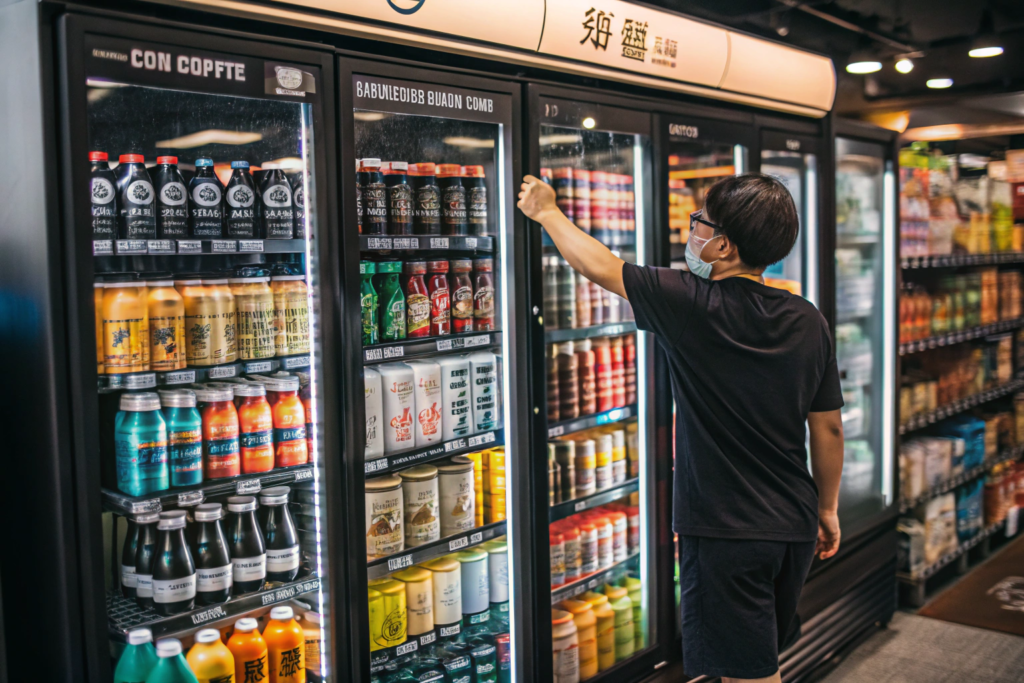
RTD is transforming consumption by making coffee an anytime, anywhere beverage, completely decoupled from a café visit. This is critical in dense, fast-paced megacities where commute times are long. The market is segmented: 1) Premium Cold Brew: Canned or bottled single-origin cold brew sold in specialty stores and high-end supermarkets. 2) Mass-Market RTD: Sweetened, milk-based coffee drinks dominating convenience store chillers (think Japanese Georgia or Indonesian Kopiko). 3) Functional RTD: Coffee enhanced with collagen, probiotics, or extra caffeine targeting health-conscious consumers. For large company buyers and brands, this represents a massive B2B opportunity for supplying green or roasted coffee for these products. The demand is for consistent, stable tasting coffee, often with a focus on Robusta for its strong flavor and cost-effectiveness in blended, sweetened drinks.
Why Are Canned Cold Brew and Nitro Coffee Gaining Traction?
Canned cold brew represents the meeting point of the specialty and RTD trends. It offers the craft quality perception (single-origin, slow-steeped) in the ultimate convenient format. Nitro coffee, infused with nitrogen for a creamy texture, adds a sensory premium feel without dairy. Their traction is due to premiumization of the RTD aisle and the hot, humid climate in much of Asia, which makes cold drinks desirable year-round. For exporters, this trend increases demand for clean, sweet, defect-free beans that taste great when cold-extracted. It also favors beans that produce a stable, non-acidic flavor profile when brewed in large batches. Our Yunnan Catimor, with its balanced body and mild acidity, is well-suited for this application.
How Do Convenience Stores Drive Coffee Innovation?
Convenience stores (7-Eleven, FamilyMart, Lawson) are the frontline of daily coffee consumption for millions. They are not just points of sale but R&D labs. They launch limited-time-offer (LTO) flavors constantly (e.g., cherry blossom latte, tiramisu latte), testing market response at lightning speed. They also operate their own fresh brew stations (¥10 fresh brews in China). This ecosystem demands a huge, consistent supply of roasted coffee, both for brewing and for RTD manufacturing. It creates a volume-driven, yet increasingly quality-aware, procurement channel. For a supplier, succeeding here requires the ability to deliver large volumes with absolute timeliness and security of supply, alongside the flexibility to adapt to flavor trends.
What Is Driving the Surge in Local Origin Appreciation (e.g., Yunnan Coffee)?
For decades, Asian coffee was largely an export commodity. Now, there's a powerful "local pride" movement. Consumers and cafes are actively seeking out and promoting coffee grown in their own region or country.
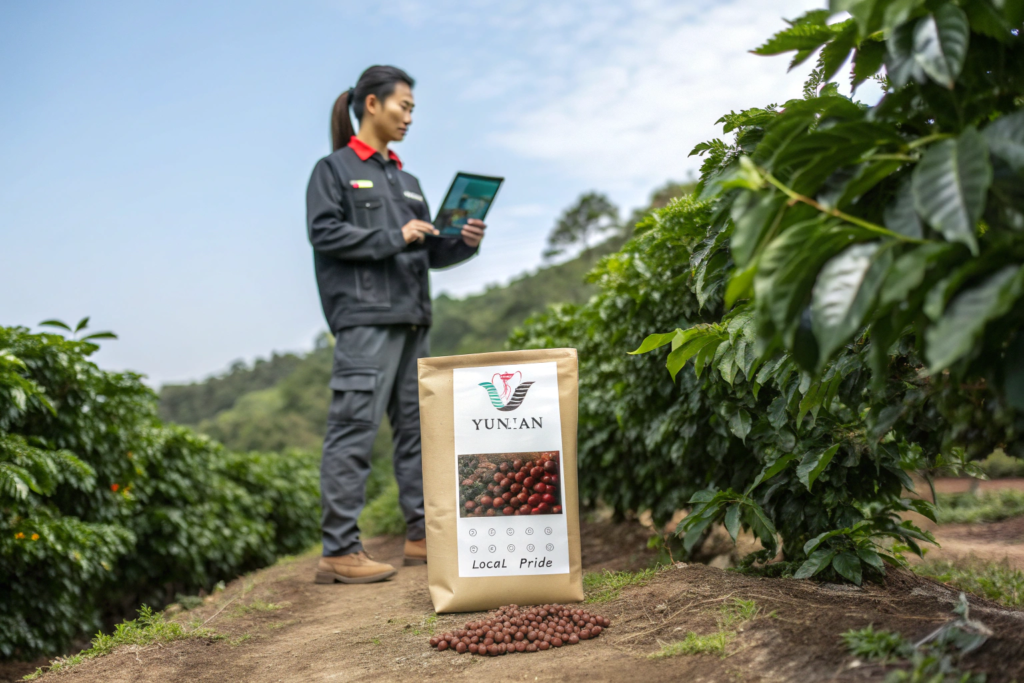
The surge is driven by 1) National Pride & Storytelling: As local quality improves dramatically, it becomes a point of cultural pride. The story of Yunnan farmers, or Vietnamese terroir, resonates with domestic consumers. 2) Supply Chain Control & Freshness: Roasters can visit farms, build direct relationships, and ensure faster transit times, leading to fresher coffee. 3) Unique Flavor Profiles: Coffees from Yunnan, Thailand, or Myanmar offer distinct taste profiles that stand out from traditional Latin American or African origins. For international buyers, this means Asia is no longer just a consumption market; it's becoming a competitive origin market. Yunnan Arabica, in particular, is gaining recognition for its mild, balanced cup with sometimes tea-like or nutty characteristics, making it an excellent component in blends or a approachable single-origin.
How is Chinese Coffee, Like Yunnan, Perceived Domestically and Internationally?
Domestically, perception has shifted from "low quality" to "rising star." Chinese consumers, especially the younger generation, are eager to support local products (guochao trend). Premium Yunnan coffee is featured in top-tier domestic cafes and by international chains like Starbucks and Luckin Coffee, who have launched Yunnan-specific products. Internationally, Yunnan coffee is gaining curiosity. It's seen as a novel origin with improving quality, often offering good value. For exporters like us at Shanghai Fumao, this dual demand is a tremendous opportunity. We market our Yunnan Arabica to domestic roasters with a story of terroir and craftsmanship, and to international buyers as a stable, reliable, and cost-competitive origin with full traceability from our own plantations. This directly addresses global buyers' pain points about quality control and supply security.
Can Local Origins Compete with Established Origins Like Colombia or Ethiopia?
They don't need to replace them; they need to complement them. Local origins compete by offering uniqueness and proximity. A roaster in Shanghai can get Yunnan coffee in days, not months, allowing for ultra-fresh roasting and rapid menu iteration. The flavor profile is different—often less acidic, more nutty/chocolatey—which provides a point of differentiation on a menu. For the international market, they offer diversification and risk mitigation in a sourcing portfolio. As climate change threatens traditional origins, having relationships with emerging origins like China becomes a strategic security measure. The key for local origins is to continue investing in processing quality and transparent marketing to build a trustworthy reputation.
How Is Digital Integration Redefining Coffee Retail?
In Asia, the line between digital and physical commerce is blurred. Coffee retail is not just about having an app; it's about a fully integrated ecosystem that spans discovery, ordering, payment, delivery, and community.
Digital integration is redefining retail through: 1) Super-App Ordering: Platforms like WeChat in China, Grab in Southeast Asia, and Line in Japan allow users to order, pay, customize drinks, schedule pickups, and earn loyalty points without ever speaking to a person. 2) New Retail Models: "Click-and-collect" kiosks and fully automated robotic cafes in subway stations or office lobbies. 3) Live Commerce: Roasters and cafes sell beans and equipment via live-streamed sessions on Taobao or Douyin, where hosts cup coffee and answer questions in real-time. This forces all players—from café to exporter—to think digitally. The product must be consistent because ratings are instant and public. Logistics must be flawless for delivery. And the story must be compelling for digital storytelling.
What is the Impact of On-Demand Delivery (e.g., Luckin Coffee Model)?
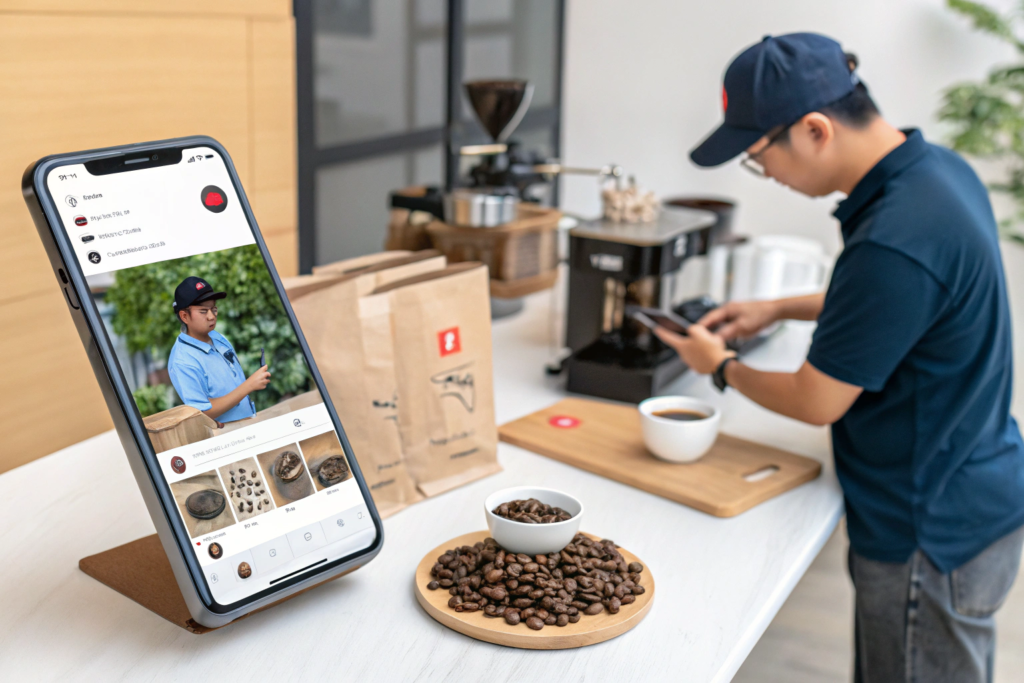
The Luckin Coffee model—building a vast network of small, kitchen-like stores optimized for app-based ordering and lightning-fast delivery—proved that convenience is king. It made cafe-quality coffee (or a close approximation) accessible within 15-20 minutes anywhere in a city. The impact is profound: it raised the baseline expectation for speed and accessibility, pushing even traditional cafes to offer delivery partnerships. For the supply chain, this model demands a highly efficient, centralized roasting and distribution system to hundreds of small outlets. It creates huge, predictable demand for roasted coffee, but with a need for extreme consistency in blend flavor to ensure every delivered cup tastes the same. This is a volume game built on reliable, stable supply and good price.
How Are Brands Using Social Media to Build Communities?
Coffee brands are not just advertising on social media; they are using it for education and community building. They host online cuppings, run home-brewing contests, and use barista influencers to showcase their beans. This creates direct consumer relationships and turns customers into advocates. For an exporter, this trend is relevant because our roaster clients need engaging content. We support them by providing high-quality photos and videos from our farms, stories about processing, and data about our lots. We're not just selling beans; we're providing the narrative assets for their digital marketing. This collaborative approach builds stronger, more trustworthy partnerships.
Conclusion
The Asian coffee market is a landscape of simultaneous revolutions. It is embracing the highest ideals of specialty craftsmanship while charging ahead with ultra-convenient, digitally-native consumption models. It is looking outward to global trends while turning inward to celebrate its own origins. This creates a complex, multi-layered opportunity.
For exporters and producers, success requires agility. You must be able to supply pristine, story-worthy microlots to a specialty café in Seoul, while also fulfilling a container order of consistent Robusta for an RTD manufacturer in Thailand. You need the digital savvy to support your clients' marketing and the logistical excellence to meet the demand for speed.
At BeanofCoffee, our position in Yunnan places us at the heart of these trends. We are a local origin with a quality story for the specialty wave, a reliable volume supplier for the commercial and RTD boom, and a digitally-connected partner ready to support the region's unique retail evolution.
If you are looking to navigate or supply the vibrant, fast-moving Asian coffee market, understanding these trends is your first step. We are here as your on-the-ground partner.
To explore how our Yunnan Arabica, Catimor, and Robusta can fit into your strategy for Asia, contact Cathy Cai. She can provide market insights and samples tailored to your target segment. Email: cathy@beanofcoffee.com. Let's brew success in Asia, together.