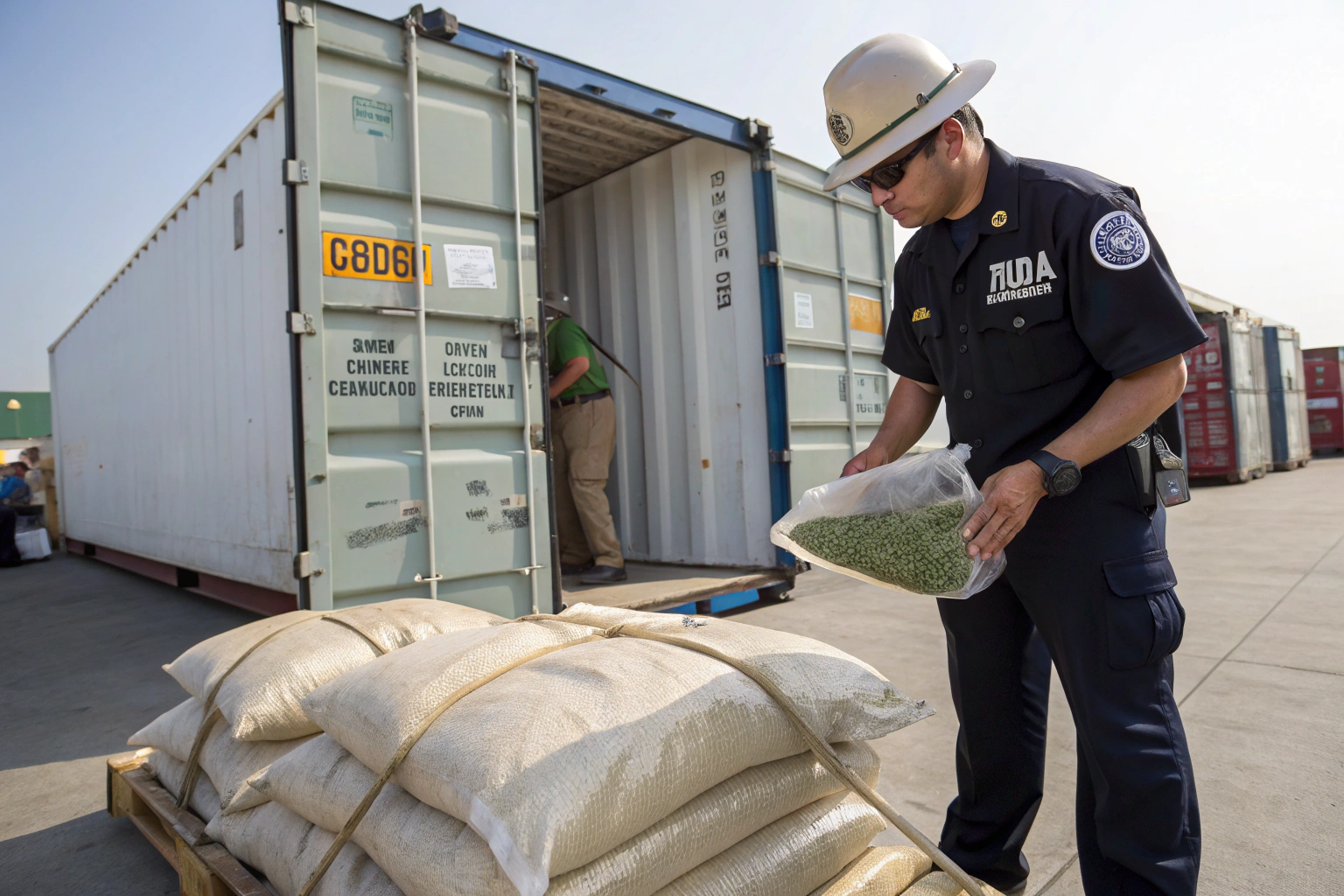
I received a panicked phone call a few years ago. It was a client on the West Coast. His container of Yunnan coffee had been flagged by the USDA. "Flagged for what?" I asked. "They found a live insect," he said. His voice was shaking. This is the nightmare scenario for any coffee importer. Your coffee is sitting on the dock, accruing storage fees, and a government agency is holding the keys. The pain here is financial and emotional. It is a direct hit to your cash flow and your sanity.
If a coffee container fails a USDA inspection at a U.S. port, it is placed under an Emergency Action Notification (EAN) or a Notice of Detention, and the importer is given a limited set of options: recondition the coffee at an approved facility (e.g., fumigation, re-sorting), re-export the coffee back to the country of origin, or destroy the shipment under supervision—all at the importer's expense.
This is not a theoretical risk. It happens. But understanding the process and, more importantly, how to prevent it, can save you from this nightmare. Let me walk you through exactly what happens on the ground and how we, as your supplier, work to ensure this never happens to you.
What Triggers a USDA Hold on a Green Coffee Container?
The USDA's Animal and Plant Health Inspection Service (APHIS) is the agency responsible for protecting American agriculture from foreign pests and diseases. When your container of green coffee arrives at the port, it is subject to inspection by CBP (Customs and Border Protection) Agriculture Specialists. They are looking for anything that should not be there.
A USDA hold on a green coffee container is triggered primarily by the discovery of actionable pests—specifically live insects—or by the presence of prohibited plant material, such as soil, seeds of other species, or excessive foreign debris, that pose a risk to U.S. agriculture.
Coffee itself is a low-risk commodity compared to fresh fruit or vegetables. But it is not zero risk. The inspectors are trained to find specific threats.
What Are "Actionable Pests" Like the Coffee Berry Borer?
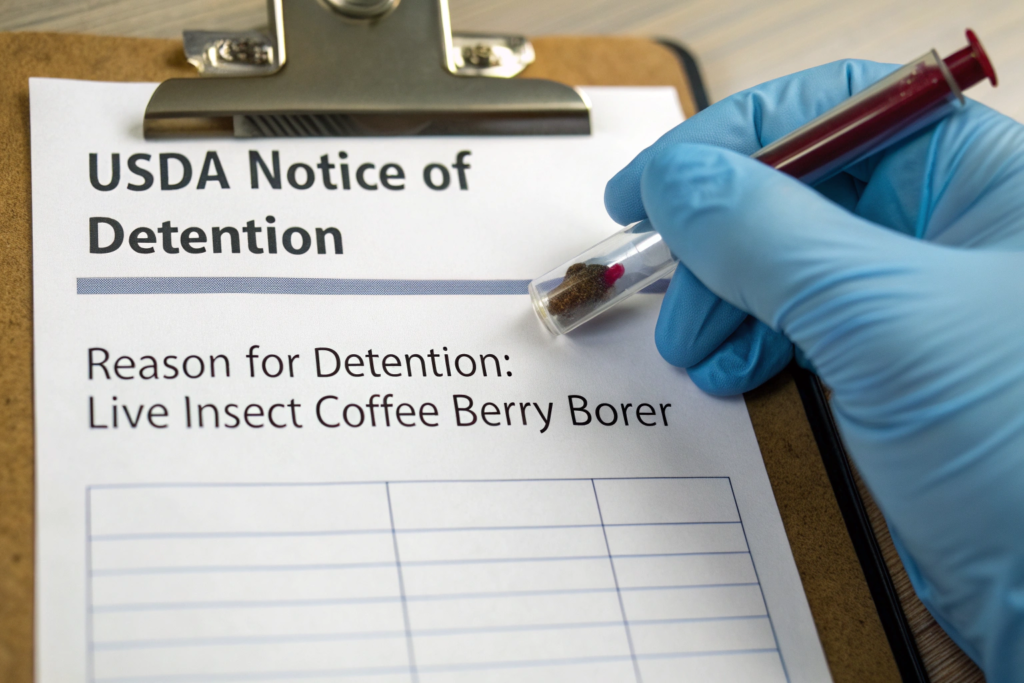
The number one reason for coffee container detentions is the Coffee Berry Borer (CBB) , or Hypothenemus hampei. This is a tiny beetle that burrows into the coffee cherry. It is the most devastating pest in coffee production worldwide.
To a USDA inspector, finding a live CBB is a major red flag. A dead CBB is a defect. A live CBB is an actionable pest. The difference is enormous.
Other actionable pests can include:
- Ants: Certain species not found in the U.S.
- Exotic Beetles: Various grain borers or weevils.
- Snails: Live snails are a huge agricultural threat.
Here is the critical nuance: The inspection is a snapshot. They pull a sample from a few bags. If they find one live insect in that sample, the entire container is presumed to be infested. It does not matter that the other 319 bags might be clean. The container is on hold.
This is why our dry mill processing and density sorting are so crucial. The gravity separator and the destoner are not just for quality. They are for pest control. They physically remove the light, hollow beans where CBB larvae often hide. At Shanghai Fumao, we also use pheromone traps in the warehouse to monitor for CBB populations. Prevention at origin is the only real defense.
Why Does Soil or Foreign Debris Cause a Failed Inspection?
You might think, "It is just a little dirt." The USDA does not think that. Soil is a vector for a vast array of pathogens, nematodes, fungi, and weed seeds that could devastate U.S. crops.
If an inspector finds a clod of dirt in a bag of coffee, or even a significant amount of dust and chaff that looks like soil, they can hold the container. This is especially true if the coffee was dried on bare earth patios, a practice we have discussed as a major source of the earthy defect.
Foreign debris includes:
- Stones (our destoner removes these).
- Sticks and twigs.
- Corn kernels or other seeds.
- Pieces of plastic or metal.
A professional mill removes all of this. A poorly managed mill does not. A USDA hold for foreign debris is a direct indictment of the exporter's processing standards. It tells the inspector that the facility lacks basic quality control. This can also lead to increased scrutiny of future shipments from that exporter. Getting on the USDA's "naughty list" is a fast track to losing your U.S. customers.
What Is the Step-by-Step Process of a USDA Emergency Action Notification?
The moment the inspector finds a problem, a very specific bureaucratic machine kicks into gear. The clock starts ticking. And every tick of that clock costs you money in demurrage fees at the port.
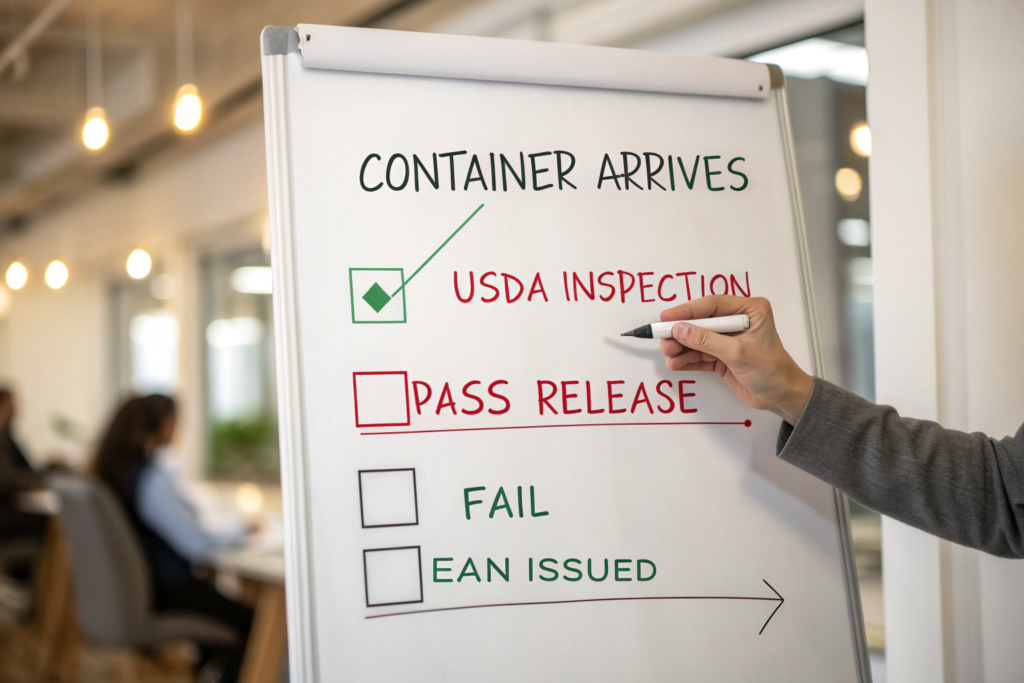
The USDA Emergency Action Notification process begins with the issuance of an EAN form (PPQ Form 523) that details the nature of the violation, followed by a mandatory hold period where the importer must choose a remedy (reconditioning, re-export, or destruction) and submit a compliance plan for USDA approval before the container can be moved from the bonded warehouse. This is not a negotiation. This is a regulatory order. You must comply.
What Options Does the Importer Have Under an EAN?
Once the EAN is issued, the coffee is officially in quarantine. You cannot move it without USDA permission. You have three choices, and none of them are good.
| Option | Process | Approximate Cost | Outcome |
|---|---|---|---|
| 1. Reconditioning | Move container to an approved facility. Fumigate with methyl bromide or phosphine (for insects). Re-sort using gravity table (for debris). | $3,000 - $8,000+ | Coffee is released. BUT: Fumigation taints flavor. Re-sorting adds labor cost. |
| 2. Re-Export | Ship the container back to the country of origin (or a third country willing to accept it). | Full freight cost (thousands) | Coffee is gone. You may get a refund from the supplier if the contract holds them liable. |
| 3. Destruction | Coffee is trucked to an approved incinerator or landfill and destroyed under USDA supervision. | Disposal fee + freight | Total loss of coffee and money. |
Reconditioning is the most common choice. For insect finds, fumigation is the standard treatment. However, fumigation often leaves a chemical residue that can affect the cup quality. It is a salvage operation, not a quality recovery.
Re-export is the nuclear option. It is only viable if the coffee has significant value and the supplier is willing to accept it back. Most of the time, the freight cost makes this prohibitive.
Destruction is the last resort. It is a complete write-off.
How Long Does the Detention and Reconditioning Process Typically Take?
This is the hidden cost that destroys margins. Time is money at the port.
- Inspection & EAN Issuance: 2-5 business days after arrival.
- Compliance Plan Submission & USDA Approval: 3-10 business days. The USDA has to approve the reconditioning facility and the method.
- Scheduling Reconditioning: 5-15 business days. The approved facilities are often booked solid.
- Reconditioning Execution: 1-2 days.
- USDA Re-Inspection & Release: 3-7 business days.
Total Delay: 3 to 6 weeks minimum.
During that entire time, the container is sitting in the port's bonded warehouse. Demurrage fees (storage charges) accrue daily. These fees can easily reach $2,000 to $5,000 for a single container over a month. These fees are the importer's responsibility.
This is why, when you ask about "timeliness," Ron, this is the ultimate delay. A failed USDA inspection does not just delay your coffee. It bleeds your bank account with fees and forces you to buy expensive spot market coffee to cover your production gap. At Shanghai Fumao, we do everything in our power to prevent this. A container hold for our client is our worst day.
How Does BeanofCoffee's Quality Control Minimize USDA Inspection Risks?
The best way to deal with a USDA hold is to prevent it from ever happening. This is not luck. It is a systematic, disciplined approach to food safety and pest control at the origin mill.
BeanofCoffee minimizes USDA inspection risks through a multi-layered preventive control program that includes rigorous physical cleaning of the coffee via density tables and destoners, a documented Integrated Pest Management (IPM) program with pheromone trapping and monitoring, and strict sanitation protocols in the mill and warehouse to eliminate pest harborage and food sources.
What Is Our Integrated Pest Management (IPM) Protocol?
Integrated Pest Management is a scientific approach to pest control. It relies on prevention, monitoring, and targeted intervention, rather than just routine chemical spraying.
Our IPM Protocol includes:
- Exclusion: The mill building is sealed. Screens on windows. Door sweeps on all exterior doors. This keeps pests out.
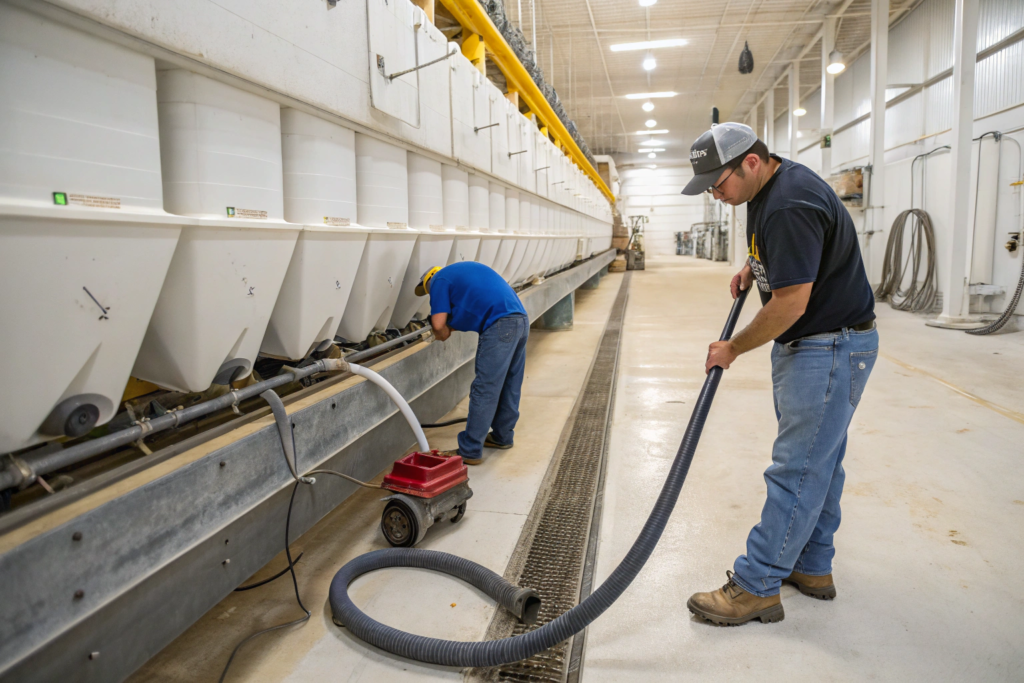
- Sanitation: The mill is cleaned top-to-bottom every Friday. No piles of chaff. No spilled beans. Pests need food and shelter. We deny them both.
- Monitoring: We have a grid of pheromone traps throughout the warehouse and mill. These traps are specific to Coffee Berry Borer and other stored-product pests. We check them weekly and log the counts. If counts rise, we know we have a problem before it reaches the export bags.
- Mechanical Removal: The gravity separator and destoner physically remove light, infested beans from the product stream. This is a non-chemical "kill step."
- Targeted Treatment: Only if monitoring shows a specific, localized infestation do we use a targeted, approved insecticide, and only in a way that prevents contact with the coffee.
This IPM plan is documented. It is part of our ISO 22000 Food Safety Management System. If a USDA inspector ever questioned our practices, we can produce years of pest monitoring logs to demonstrate our proactive control. This level of documentation is a huge asset for our import partners. For more on IPM principles, resources from the FAO provide global best practices.
How Does Our Pre-Shipment Inspection Process Act as a Final Check?
Even with perfect internal controls, we add a final, independent layer of verification before the container is sealed.
We offer, and encourage, Pre-Shipment Inspection (PSI) by a third-party agency like SGS or Bureau Veritas. The buyer pays for this service (typically a few hundred dollars).
The SGS Inspector's Coffee-Specific Checklist:
- Visual Inspection: They examine the bags for cleanliness, proper stitching, and marking.
- Sampling: They draw a representative sample using sterile triers.
- Sieving: They check for foreign matter (stones, soil, debris).
- Insect Check: They examine the sample under magnification for live insects or insect damage.
- Moisture Check: They verify the moisture content meets the spec.
- Container Inspection: They inspect the empty container for cleanliness, holes, and odors before loading.
The final SGS report is a legally binding document. It states: "At the time of stuffing, the container and the coffee were found to be free of live insects and foreign soil."
This report is your insurance policy. If the container arrives in the U.S. and USDA finds a live insect, the SGS report becomes critical evidence. It shifts the liability. It suggests the infestation occurred in transit (perhaps from a dirty container), not at origin. This can be crucial for insurance claims and for protecting the exporter-importer relationship. At Shanghai Fumao, we welcome SGS inspections. They validate our work.
What Can the Roaster Do to Protect Themselves from a Costly Port Hold?
While the primary responsibility for a clean container rests with the exporter, the importer (you, the roaster) is not powerless. There are specific steps you can take to protect your financial interests and reduce the likelihood of a disastrous hold.
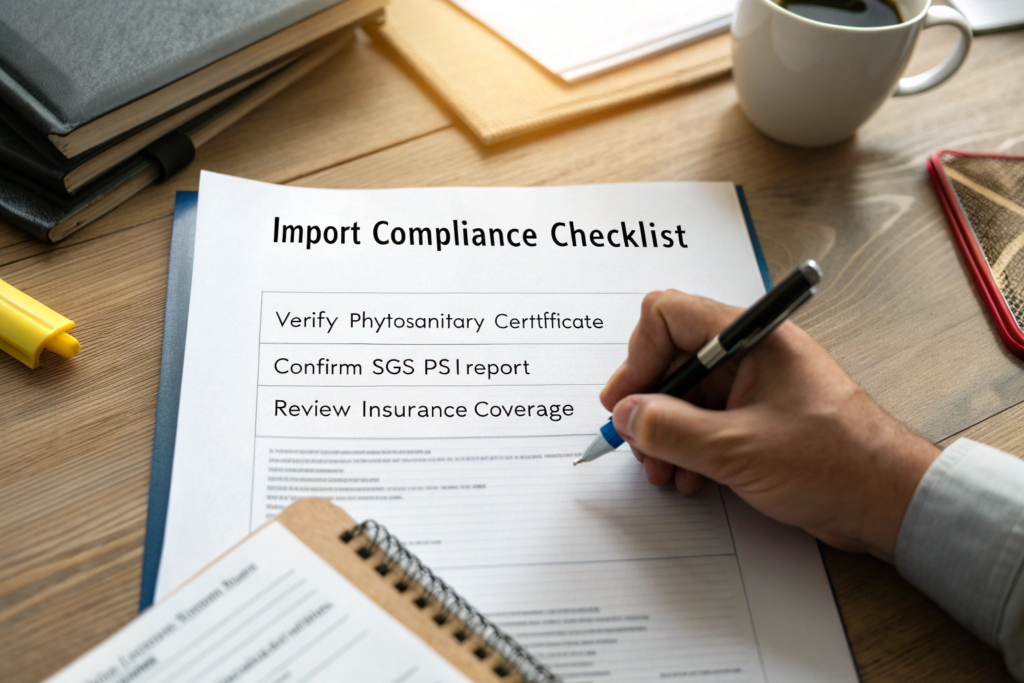
Roasters can protect themselves from costly port holds by ensuring their purchase contract explicitly assigns liability for USDA holds to the seller, by maintaining comprehensive marine cargo insurance that covers detention and demurrage fees, and by using a customs broker experienced in coffee imports who can proactively manage USDA communications.
How Should a Coffee Purchase Contract Address USDA Detention?
This is the most important clause in your contract. Do not use a generic agricultural contract. Use a contract that specifically addresses coffee and USDA holds.
The clause should state:
"The Seller warrants that the goods are free from live insects, soil, and foreign matter and are fit for entry into the United States. Should the shipment be placed under USDA Emergency Action Notification due to the presence of actionable pests or prohibited soil/debris, the Seller shall bear the full cost of any required reconditioning (including fumigation and re-sorting), all associated port demurrage and detention charges, and the cost of any required re-inspection."
This language makes it clear. If the problem originated at the farm or mill, the seller pays the penalty.
If the contract is silent on this issue, the default INCOTERMS rules apply. Under FOB or CIF terms, the risk often transfers to the buyer once the container is on the vessel. You could be left holding the bag—and the bill.
At Shanghai Fumao, we stand behind our quality. Our standard contract includes a clause that holds us accountable for origin-based defects. We want you to know that if the rare mistake happens on our end, we will make it right. For standard green coffee contract language, refer to the Green Coffee Association contracts.
Does Standard Marine Insurance Cover USDA Demurrage Fees?
No. Not usually. This is a critical gap in many roasters' risk management.
Standard marine cargo insurance covers physical loss or damage to the coffee—if the container falls off the ship, or if the coffee gets wet and molds. It does not typically cover "loss of market" or "delay."
The demurrage fees you accrue while waiting for USDA reconditioning are considered a "delay" cost. They are not covered by standard cargo insurance.
You need a specific endorsement or a separate policy for "Trade Disruption Insurance" or "Detention and Demurrage Coverage." This is a specialty product. It covers the financial losses associated with government holds and supply chain delays.
Before you import a container, call your insurance broker. Ask them explicitly: "If my container of green coffee is held by USDA for 30 days and I incur $4,000 in port demurrage fees, am I covered?" Get the answer in writing. If the answer is no, ask for a quote on the coverage. It is a small premium relative to the potential cost of a hold.
Conclusion
A failed USDA inspection is a crisis. It stops your business in its tracks, drains your cash, and jeopardizes your customer relationships. The process is bureaucratic, expensive, and stressful. But it is not a random act of god. It is a predictable consequence of poor practices at the origin.
By understanding what triggers a hold—live insects, soil, foreign debris—you can make informed sourcing decisions. You can choose suppliers like BeanofCoffee who invest in the mechanical cleaning, the pest management protocols, and the third-party verification that make a USDA hold extremely unlikely.
And by structuring your contracts and insurance correctly, you can ensure that if the worst does happen, you are not the one left paying the bill.
If you want to review the specific language in our contract regarding USDA holds, or if you want to see a sample of our SGS Pre-Shipment Inspection report, we are happy to share that information. Email Cathy Cai. She can provide you with our standard contract terms and a recent PSI report for your review. Contact Cathy at: cathy@beanofcoffee.com