You're cupping a new sample. The label says "Yunnan Anaerobic." You break the crust. The aroma is... different. Intense. It's not the clean, familiar chocolate and nut you expect. It's tropical fruit. Boozy cherries. A hint of warm spice. You slurp. The body is syrupy, coating. The acidity is unlike anything you've tasted from this origin—complex, layered, almost wine-like. You look at the score. It's high. Very high. And you're asking: What exactly did they do to this coffee? Is this a legitimate innovation or just a passing gimmick? And more importantly, is this a flavor profile my customers will actually pay a premium for?
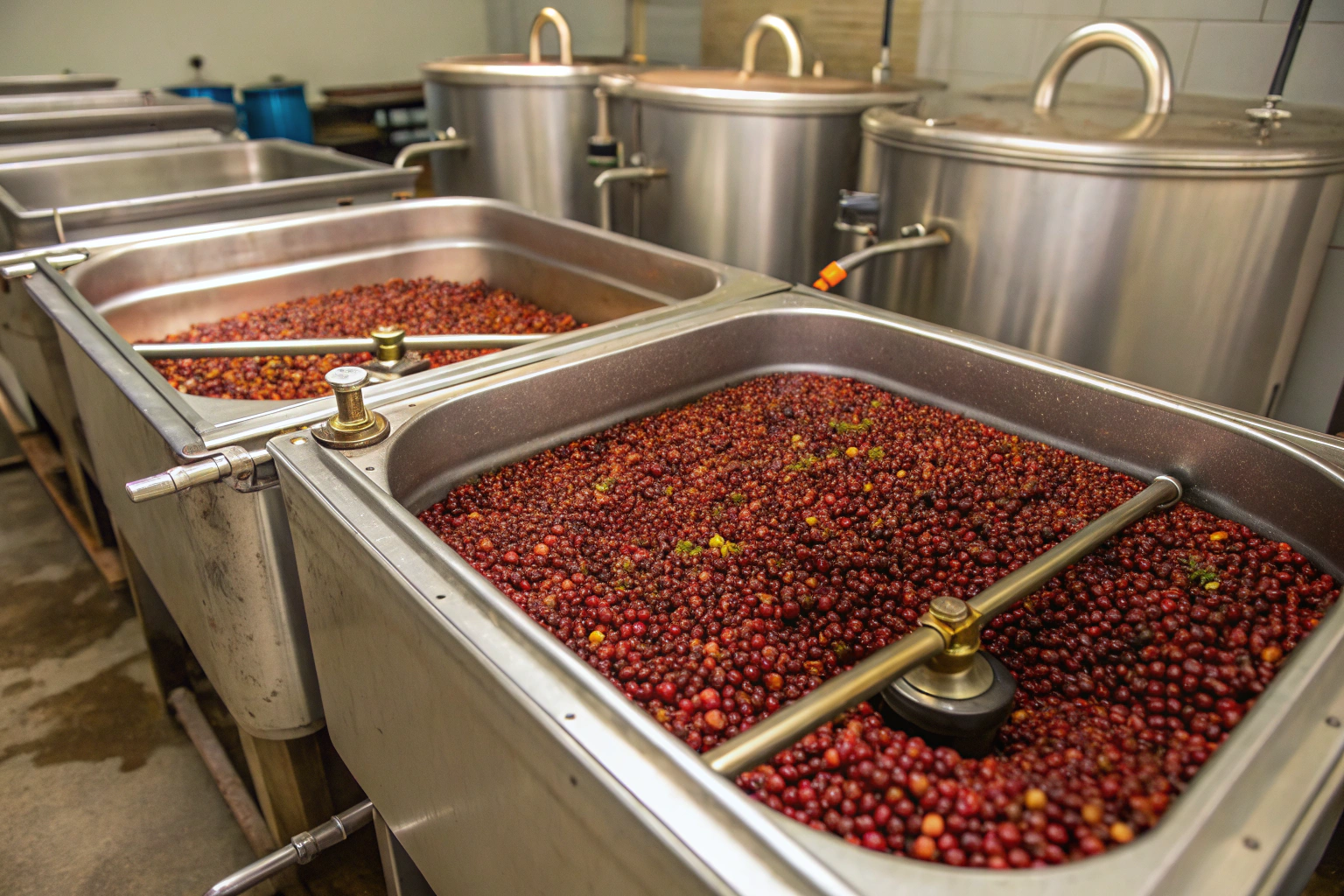
Anaerobic fermentation is a post-harvest coffee processing method where freshly depulped coffee cherries (or whole cherries) are sealed in an oxygen-free environment—typically stainless steel tanks or sealed plastic bags with one-way valves—for an extended period. This lack of oxygen forces the naturally occurring yeasts and bacteria on the coffee to shift their metabolic pathways. They produce a different set of flavorful compounds, most notably intense fruit esters, complex organic acids, and a distinctly heavy, creamy body. The process is trending because it offers roasters a reliable way to access unique, high-cupping, and highly marketable flavor profiles that command premium prices.
At Shanghai Fumao, our processing facility in Baoshan includes dedicated anaerobic fermentation capacity. I've seen this method transform our Yunnan Catimor from a beloved workhorse into a competition-level standout. Let me demystify the science, the flavor, and the business opportunity behind this red-hot trend.
How Does Anaerobic Fermentation Differ from Traditional Washed and Natural Processes?
To understand anaerobic, you first need a clear picture of the traditional paths. Most coffee you buy is either Washed or Natural. Anaerobic is a deliberate departure from both.
- Washed Process: Cherry skin and fruit are removed immediately. The bean, still coated in sticky mucilage, is fermented in open tanks of water for 12-36 hours to loosen the mucilage. This process relies on ambient yeasts and bacteria and has access to oxygen. It produces a clean, transparent, origin-driven cup.
- Natural Process: The whole cherry is dried intact in the sun on patios or raised beds for several weeks. This is a slow, oxygen-rich process. It produces a heavy, fruity, often "funky" or fermented cup.
- Anaerobic Process: This can be applied to either whole cherries (Anaerobic Natural) or depulped beans (Anaerobic Washed). The key difference is the sealed, oxygen-deprived environment. This controlled stress forces the microorganisms to create a completely different flavor profile—more intense, more controlled, and cleaner than a traditional natural.
What Is the Difference Between Anaerobic Washed and Anaerobic Natural?
This is a crucial distinction for a buyer, as the resulting cup profiles are very different.
-
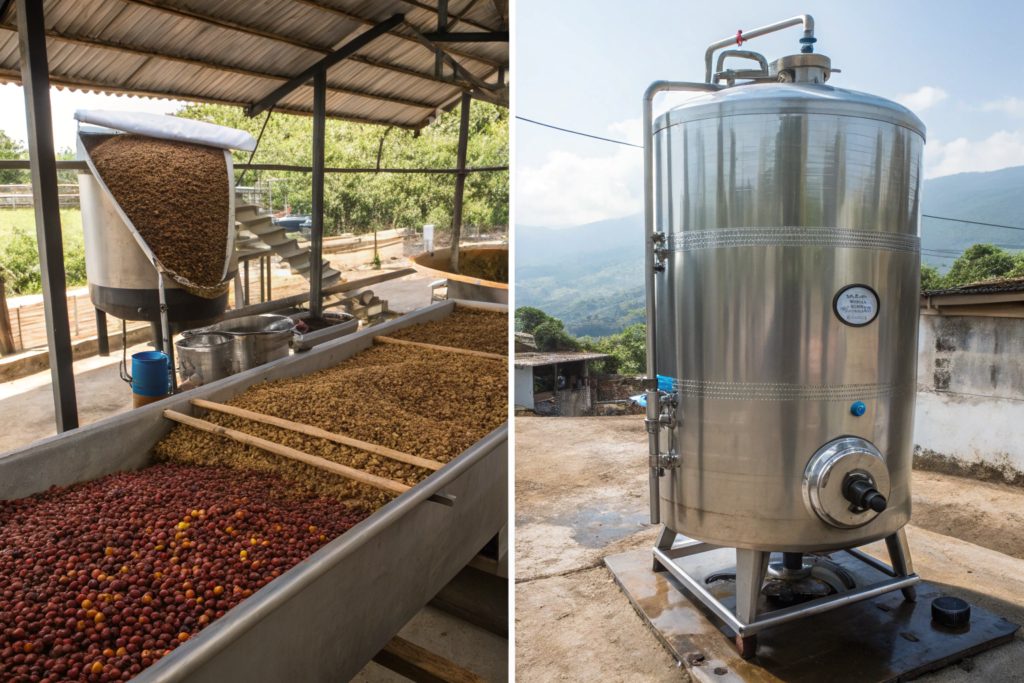
Anaerobic Washed: The cherry is depulped, and the parchment coffee with its mucilage is sealed in the tank. This is the most common anaerobic method. The flavor outcome is typically intense but clean fruit notes (think tropical punch, stone fruit), a pronounced lactic acidity (like yogurt or cream cheese), and a heavy, silky body. The process amplifies sweetness and body while maintaining a relatively clean finish.
-
Anaerobic Natural: The whole cherry is sealed in the tank. This is a more extreme and risky process. The fermentation is more vigorous and can easily go wrong. The flavor outcome is explosively fruity, often with boozy, wine-like, or overripe notes. It can have a very heavy, almost jammy body and lower acidity. It's a polarizing, "love it or hate it" profile.
At Shanghai Fumao, we focus primarily on Anaerobic Washed because it offers a more predictable, controllable, and broadly appealing specialty profile for our Catimor. It elevates the coffee without overwhelming its inherent chocolatey core.
Why Is the Sealed, Oxygen-Free Environment So Critical?
Oxygen is the primary driver of a specific type of metabolism: aerobic respiration. When oxygen is present, yeasts and bacteria follow a well-trodden path, producing familiar compounds.
When you remove the oxygen, you force these microorganisms into a different survival mode. They switch to anaerobic respiration or fermentation. This metabolic shift produces a different set of byproducts. Instead of just ethanol and CO2, they begin to produce a wider array of esters (fruity, floral aromas), higher alcohols (complex, sometimes boozy notes), and organic acids (like lactic and malic acid). The sealed environment also traps these volatile, aromatic compounds inside the tank. They don't evaporate. They are re-absorbed into the coffee bean, leading to a more intensely aromatic and flavorful cup. It's a form of controlled, intentional flavor engineering.
Why Are Roasters and Consumers Willing to Pay More for Anaerobic Coffees?
The "trend" isn't just hype. It's driven by tangible value creation at multiple levels of the supply chain. The higher price of anaerobic coffee is not arbitrary; it's a reflection of higher costs, higher risks, and a unique, high-demand sensory experience.
The premium price of anaerobic coffee is justified by three factors: (1) Production Cost and Risk: The specialized equipment, extended processing time (often days or weeks), and higher risk of batch failure increase the producer's cost. (2) Unique Sensory Profile: It delivers a cup experience that is unattainable through traditional methods, creating a point of differentiation for roasters. (3) Compelling Story: The "science-meets-craft" narrative of controlled fermentation resonates deeply with today's specialty coffee consumer, who values innovation and intentionality.
What Is the Business Case for a Roaster to Offer an Anaerobic Coffee?
For a roaster, an anaerobic coffee is a powerful strategic tool. It's not your everyday "comfort" blend. It's a flagship, limited-release, high-margin offering.
It serves several key business functions:
- Differentiation: In a sea of washed Colombians and Ethiopians, a well-executed anaerobic Yunnan stands out. It gives your customers a reason to choose your roastery.
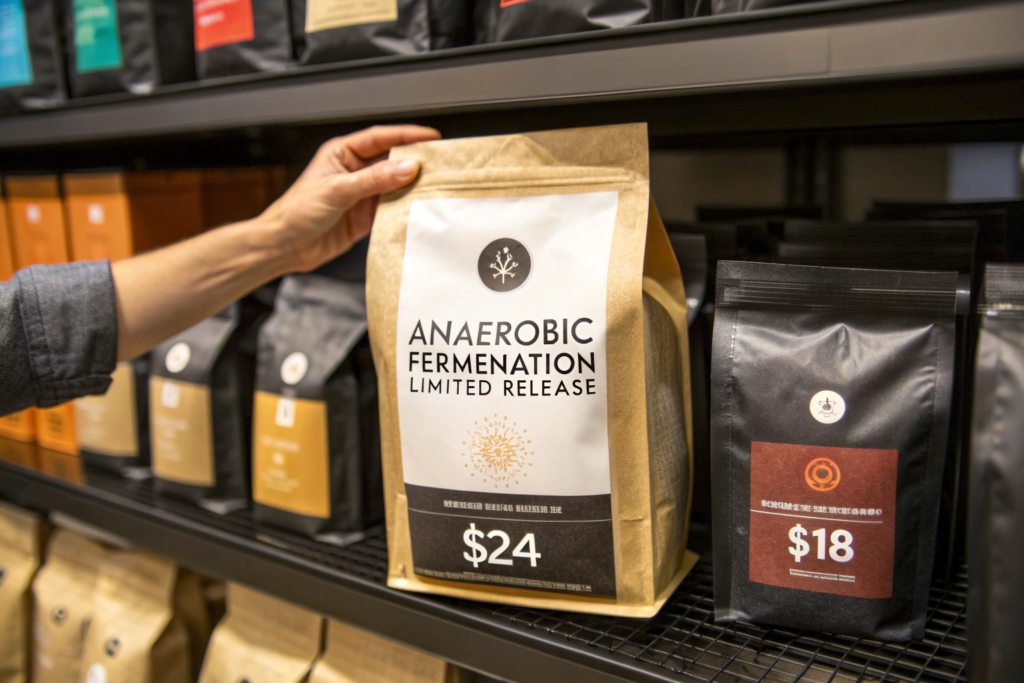
- Premium Pricing: The unique story and intense flavor justify a significantly higher retail price per bag ($22-$28 vs. $16-$20). This drives top-line revenue and improves overall margin mix.
- Customer Acquisition: It attracts the most passionate, adventurous, and highest-spending specialty coffee consumers—the "explorers." These customers often become loyal buyers of your core offerings as well.
- Brand Building: Offering an anaerobic coffee signals that your roastery is innovative, quality-focused, and at the forefront of industry trends. It elevates your brand's prestige.
What Flavor Descriptors Sell an Anaerobic Coffee to a Consumer?
The language you use on the bag is critical. Don't just say "Anaerobic Process." Translate the process into a sensory promise that excites the consumer.
Effective descriptors for Anaerobic Washed coffees include:
- Fruit-Forward: Tropical Fruit Punch, Ripe Mango, Juicy Pineapple, Candied Papaya.
- Complex Acidity: Lactic (Creamy), Tart Cherry, Wine-like.
- Body and Sweetness: Syrupy, Honeyed, Molasses, Heavy Mouthfeel.
Avoid overly technical or potentially off-putting words like "ferment" or "bacteria." Focus on the delicious, accessible, and unique flavors the process creates. For a Yunnan Anaerobic, a descriptor like "Tropical Fruit & Dark Chocolate Truffle" can be incredibly effective. It hints at the exotic anaerobic notes while anchoring it with the familiar, comforting Yunnan chocolate base. At Shanghai Fumao, we provide our roasting partners with detailed cupping notes and marketing language specifically crafted for our anaerobic lots.
What Are the Quality Control Challenges with Anaerobic Fermentation?
Anaerobic fermentation is not a "set it and forget it" process. It's a high-wire act. The same sealed environment that creates magical flavors can also become a breeding ground for disaster if not meticulously managed.
The primary quality control challenges of anaerobic fermentation are: (1) Preventing Over-Fermentation and "Stinker" Development: Without oxygen, undesirable bacteria can thrive, producing butyric acid (vomit) or other severe defects. (2) Managing pH and Temperature: These variables dictate which microorganisms dominate and what flavor compounds are produced. (3) Ensuring Tank Cleanliness and Sanitation: Any residual contamination from a previous batch can ruin the next one. (4) Achieving Consistency: Replicating the exact same flavor profile batch after batch requires rigorous protocol and precise monitoring.
How Does a Producer Prevent a Batch from Becoming "Over-Fermented" and Defective?
This is the nightmare scenario. The tank is opened after 72 hours, and instead of tropical fruit, there's a wave of vinegar, nail polish remover, or worse.
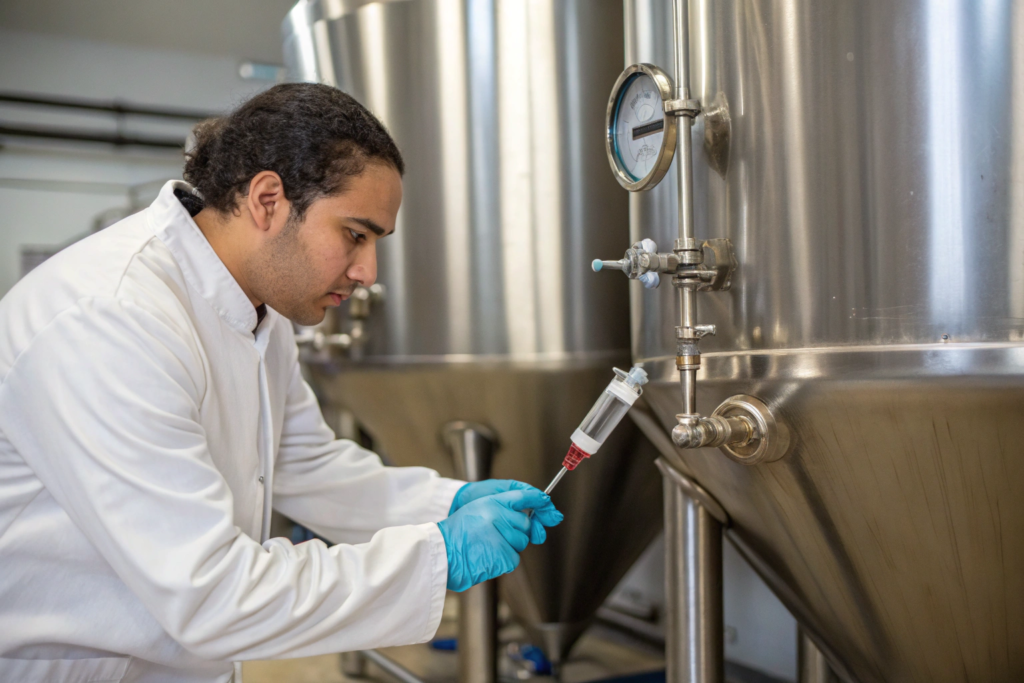
Prevention relies on constant monitoring and strict termination protocols. We don't just wait a set number of hours. We monitor:
- pH: We track the drop in pH, which indicates acid production. We have a target termination pH range.
- Temperature: The fermentation generates its own heat. We monitor the internal temperature of the tank mass to ensure it stays within the optimal range for desirable yeast activity.
- Pressure: The buildup of CO2 pressure is monitored. A sudden drop in pressure can indicate a problem.
- Time: We use time as a guideline, but pH and temperature are the ultimate arbiters. When the target parameters are met, the fermentation is stopped immediately by removing the coffee from the tank and moving it to the drying phase.
This requires experience and a scientific approach. It's why anaerobic coffee commands a premium. The risk of losing an entire batch is real and must be priced in.
How Do You Ensure Batch-to-Batch Consistency with a "Wild" Fermentation?
This is the holy grail of anaerobic processing. How do you make Lot #7 taste exactly like the amazing Lot #3 from six months ago?
The answer is moving from wild fermentation to controlled or directed fermentation. There are two approaches:
- "Back-Slopping": A small amount of the successful fermentation liquid ("must") from a previous, excellent batch is added to the new tank. This inoculates the new batch with the "winning" microbial community, giving it a head start and promoting consistency.
- Commercial Inoculants: Some producers are experimenting with adding specific, commercially available strains of yeast (like Saccharomyces cerevisiae strains used in winemaking) or bacteria (like Lactobacillus). This offers the highest level of control and predictability.
At Shanghai Fumao, we are developing our protocols using a combination of strict environmental monitoring and selective inoculation to ensure our anaerobic lots deliver a consistent, recognizable, and delicious flavor profile for our roasting partners.
How Should a Roaster Approach Roasting an Anaerobic Coffee?
You've paid a premium for this unique green coffee. The last thing you want to do is ruin it in the roaster. Anaerobic beans are physically and chemically different from washed beans and require a thoughtful adjustment to your approach.
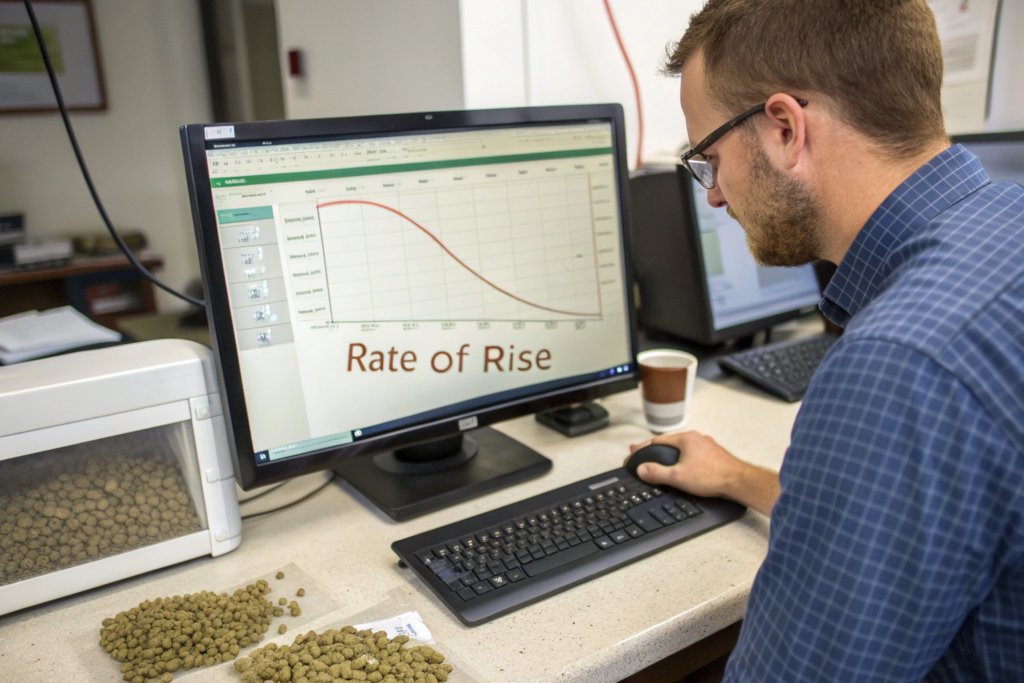
Anaerobic green coffee typically has lower density and higher porosity than washed coffee from the same origin. This is due to the extended fermentation and the action of acids on the bean's cellular structure. As a result, it absorbs heat more readily and roasts faster. The recommended roasting approach is generally: a lower charge temperature, a gentler application of heat during the drying phase, and careful management of the Rate of Rise to avoid "crashing" the roast or scorching the delicate, volatile aromatics. The goal is to preserve the unique fruit esters while fully developing the heavy body.
Should I Use a Lower Charge Temperature for Anaerobic Beans?
In most cases, yes. Because the beans are less dense and more porous, a high charge temperature that works perfectly for a dense washed Yunnan might scorch or "tip" an anaerobic Yunnan.
The heat penetrates the bean faster. A scorched exterior will impart ashy, bitter notes that will completely overwhelm the delicate tropical fruit flavors you paid for. Start with a charge temperature 10-15°F (5-8°C) lower than your standard for a similar-density washed coffee. Observe the bean color and the Rate of Rise carefully during the first few minutes. You want a smooth, steady progression, not a sharp spike. You can find more technical discussions on roasting experimental processes in the forums and resources of the Roasters Guild.
How Does the Roast Profile Affect the Fermentation Flavors?
This is the art of roasting. The unique esters and volatile compounds created during anaerobic fermentation are fragile. They can be destroyed by excessive heat or a rushed roast.
A longer, gentler Maillard phase and a carefully managed development time can help to "set" these complex flavors and integrate them with the coffee's inherent sweetness. An underdeveloped anaerobic roast will taste sour, vegetal, and "unfinished." An overdeveloped roast will taste generically dark and roasty, with all the unique anaerobic character baked away. The sweet spot is a medium roast (City+ to Full City) that fully develops the heavy body and sweetness while preserving the distinct, vibrant fruit top notes. It's a balancing act that rewards careful attention and cupping.
Conclusion
Anaerobic fermentation is more than a passing trend. It's a significant evolution in coffee processing science that has unlocked a new universe of flavor possibilities. For the producer, it's a high-risk, high-reward method to elevate cup quality and capture more value. For the roaster, it's a powerful tool for differentiation, premium pricing, and brand building. For the consumer, it's an invitation to a more intense, complex, and memorable coffee experience.
While not a replacement for the clean, comforting profile of a classic washed Yunnan, anaerobic fermentation offers a thrilling and profitable complement to any roaster's portfolio. It represents the innovative, quality-focused spirit of modern specialty coffee.
If you're curious to explore the flavor frontier of Anaerobic Yunnan and see how it could energize your offerings, I invite you to request a sample of our latest anaerobic lots. My email is cathy@beanofcoffee.com.