A buyer from Seattle emailed me a question last month. "I tasted a carbonic maceration coffee at a local roaster. It cost $28 for a 12-ounce bag. The label said it was from Yunnan. Is this a gimmick?" He was skeptical. And he was right to ask. I sell Yunnan coffee. I know the market. And I know $28 retail for filter coffee demands an explanation.
I understand the hesitation. When a new processing method appears, it often comes wrapped in hype. Influencers rave about it. Baristas charge a premium. Roasters put it in tiny bags with minimalist labels. And you, the buyer, are left wondering if you just paid double for marketing. In coffee, "new" does not mean "better." Sometimes it means a producer tried something weird, and the result tasted like kombucha gone wrong. But carbonic maceration? That is different.
Carbonic maceration coffee is a specialty coffee processed in a sealed, carbon dioxide-rich tank before drying, which forces the cherry to ferment internally and creates intensely fruity, wine-like flavors not achievable with washed or natural methods—and yes, for roasters targeting high-margin specialty niches, the higher green coffee price is worth the cupping score.
The science is specific. The result is distinct. And when done correctly, it opens up a market segment that standard Catimor simply cannot reach. Is it worth your money? Let me break down exactly what happens inside those tanks, what you should look for in a buying spec, and how much extra you should expect to pay.
How Does Carbonic Maceration Actually Change Coffee Flavor?
Here is what happens in a standard washed process. The cherry skin and pulp get removed mechanically. The beans ferment in open tanks for twelve to eighteen hours. Oxygen is present. Bacteria types vary. The resulting flavor is clean, predictable, and mild. Think chocolate, nuts, maybe a hint of citrus.
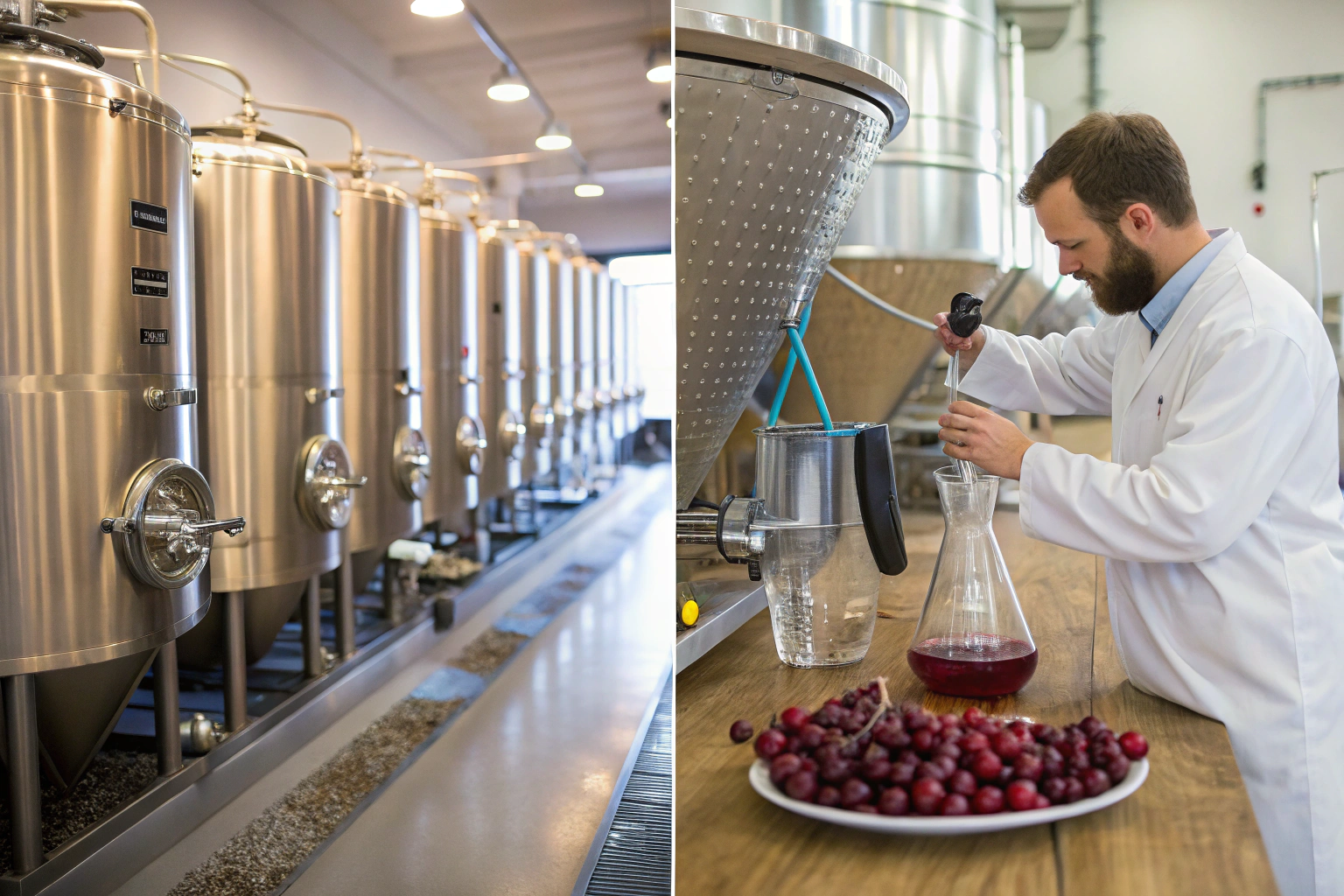
Now throw that process out. In carbonic maceration, we put whole, intact coffee cherries into a stainless steel tank. We seal it. We flush the tank with carbon dioxide. Oxygen drops to near zero. At that point, the cherries do not get eaten by bacteria from the outside. Instead, the enzymes inside the cherry start breaking down sugars from the inside out. The fermentation is intracellular. It happens in an anaerobic environment. The result is not a mild, clean cup. It is a cup that tastes like fermented berries, like red wine, like tropical fruit punch.
The defining flavor shift in carbonic maceration comes from the absence of oxygen and the presence of whole-cherry fermentation, which produces higher concentrations of esters and volatile compounds associated with red fruits, wine, and florals.
Some buyers love this. Others hate it. There is no middle ground. A carbonic maceration Yunnan Catimor will not taste like a standard Catimor at all. That is the entire point. If you run a traditional Italian espresso program, you probably do not want this. But if you sell single-origin filter coffee to adventurous customers who chase novelty? This is exactly what fills your weekly limited-release slot.
What Happens Inside the Fermentation Tank Scientifically?
Let me explain this without getting lost in jargon.
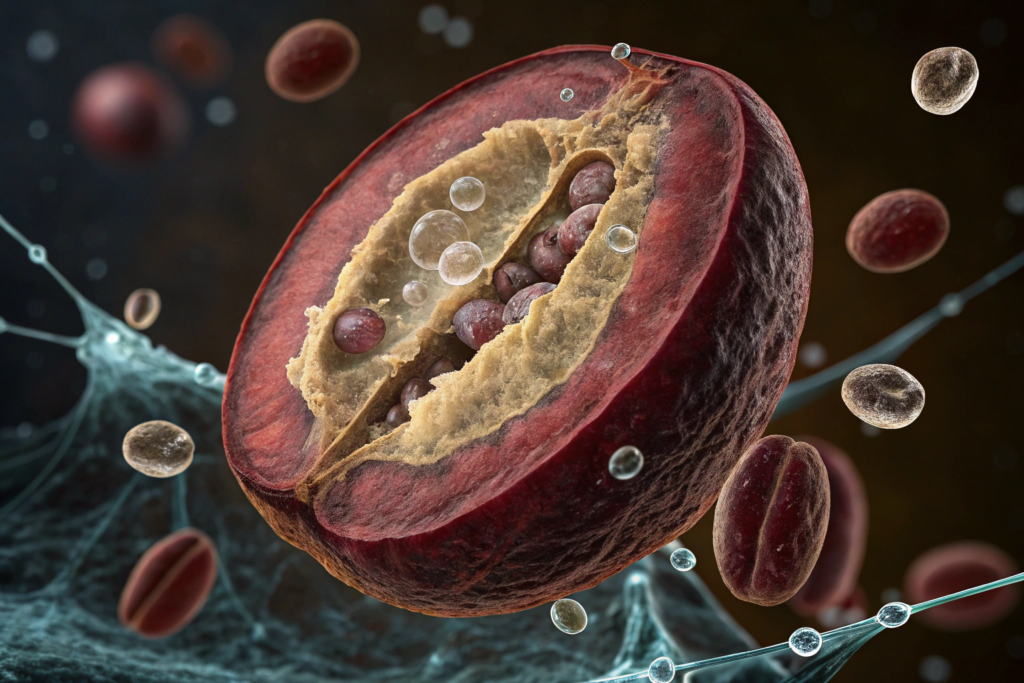
Inside that sealed tank, with no oxygen present, the yeast and bacteria on the cherry skin behave differently. The dominant metabolism shifts from respiration to fermentation. The yeast starts converting sugars into alcohol and esters. The low pH inside the cherry, combined with the CO2 pressure, inhibits spoilage organisms. Meanwhile, the cherry cell walls start to break down. Pectin dissolves. The mucilage inside the cherry interacts directly with the bean for an extended period.
This usually lasts 72 to 168 hours, depending on ambient temperature and the pH target. We monitor the tank daily. Too short, and the effect is barely noticeable. Too long, and you get a vinegary defect that ruins the whole batch. The sweet spot, for our Yunnan Catimor, lands somewhere around 96 to 120 hours at a controlled temperature around 22 degrees Celsius.
At the end of fermentation, the pH has dropped significantly. The cherries feel soft. The aroma from the tank vent is astonishingly fruity. We then remove the cherries, dry them slowly on raised beds under shade for 15 to 20 days, and rest them before dry milling. If you want more details on the chemistry involved, the Specialty Coffee Association has published sensory science papers breaking down the esterification pathways in anaerobic fermentations. You can also find processing innovation deep-dives on Perfect Daily Grind.
Why Does Carbonic Maceration Produce Intense Fruity Notes?
The fruit notes come from esters. Esters are chemical compounds that smell like fruit. Ethyl acetate smells like pear. Isoamyl acetate smells like banana. Ethyl butyrate smells like pineapple.
In a washed coffee, esters are present, but subtle. In carbonic maceration, the concentration of esters increases dramatically. Why? Because the yeast strains that thrive in anaerobic conditions produce these compounds as metabolic byproducts. Combine that with the extended contact between the bean and the fruit mucilage, and you get a coffee that absorbs a much higher load of volatile aromatics.
Another factor is the breakdown of malic acid and citric acid inside the cherry. Under CO2 pressure, some of these acids convert into softer, rounder compounds. This reduces the sharp, sour acidity and replaces it with something closer to wine-like tartness. The aftertaste changes too. It lingers. For a roaster selling filter coffee, this is gold. The flavor description practically writes itself: "tropical fruit explosion, sangria-like finish, jammy body." Customers pay for that experience.
Does Carbonic Maceration Increase the Shelf Life of Green Coffee Beans?
I used to think specialty processed coffees aged faster. My logic was simple: all that fruit fermentation must make the bean unstable. Turns out, I was wrong. The data from our own storage trials surprised me.
We pulled samples from a carbonic maceration lot at 3 months, 6 months, and 12 months post-processing. The cupping scores did not plummet the way I expected. The fruity notes faded slightly, yes. But the overall structure held together better than a standard natural process from the same harvest period. This is not just our experience. Other producers and researchers have noticed something similar.
Carbonic maceration green coffee may actually resist rapid aging better than standard natural coffee due to the stabilized pH and reduced microbial load after the controlled fermentation, often retaining vibrant fruit notes for 10 to 12 months under proper grain-pro storage.
This matters for buyers. If you buy a container, you are not going to roast all 275 bags in a month. You need the coffee to hold its character. Knowing that a carbonic maceration lot will stay lively for most of a calendar year gives you confidence to buy larger volumes. You can feature it as a rotating single-origin offer across multiple seasons.
How Should Importers Store Anaerobic Processed Coffee?
Storage protocol for carbonic maceration is not drastically different from standard specialty coffee. But there are nuances.
Temperature control matters more. These beans have a slightly higher lipid content, or at least a different lipid profile, due to the extended mucilage contact. Heat accelerates lipid oxidation more aggressively in anaerobic coffees. Keep the warehouse ambient temperature under 22 degrees Celsius if possible. If your storage space gets hot in the summer, consider moving CM lots to a cooler zone.
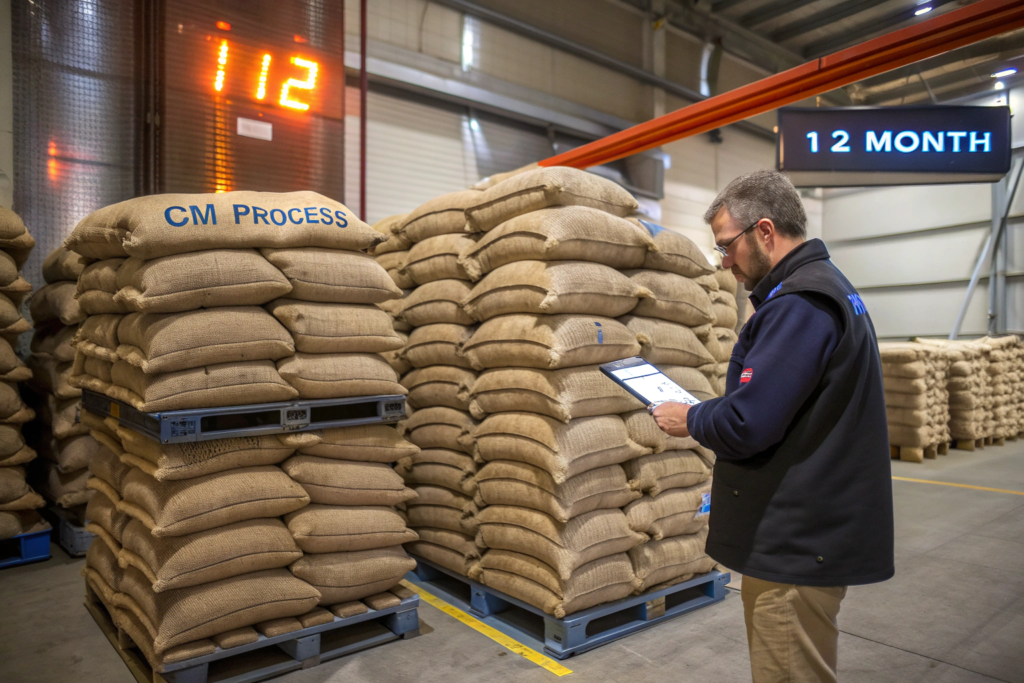
Humidity is the usual target: 60 to 65 percent relative humidity. GrainPro bags are essential. Do not store CM coffee in burlap directly exposed to air. The hermetically sealed environment prevents moisture uptake and slows the loss of volatile aromatics. I ship all my high-end micro-lots from Shanghai Fumao in GrainPro inside jute for this exact reason.
Also, track water activity, not just moisture percentage. We discussed this before regarding quality contracts. For long-stored anaerobic coffee, target water activity below 0.60. This prevents microbial reactivation even if the warehouse temperature fluctuates. I have seen clean cupping at 18 months when the Aw stayed below 0.55. That is unusual, though. Most buyers do not want to push that far. For further guidance on green coffee inventory care, the Coffee Quality Institute offers resources and workshops on proper warehouse management for specialty lots.
Does The Processing Method Affect Tariff or Import Classification?
Short answer: no. Customs does not care about your fermentation method.
A green coffee bean is a green coffee bean as far as the Harmonized Tariff Schedule is concerned. Whether washed, natural, honey, or carbonic maceration, the HS code stays the same. For imports into the United States, coffee falls under HS code 0901.11 or 0901.12, depending on whether it is decaffeinated. The processing method does not change the duty rate.
This is good news. It means you do not need to worry about extra tariffs for "processed" coffee. The coffee is still raw, still agricultural, still classified as a primary commodity. The higher price you pay for a carbonic maceration lot is entirely on the producer's side due to processing costs and quality premiums. The border crossing does not add extra friction. For the specifics of US coffee import regulations, you can check the US Customs and Border Protection website for the most current tariff schedules and food safety requirements.
Who Is the Target Customer for Carbonic Maceration Coffee?
Let me be direct. If your core customer buys a two-pound bag of dark roast blend every two weeks at Costco, carbonic maceration is not for them. That customer wants consistency, comfort, and value. They want their French press coffee to taste like the coffee they drank last week. A funky, winey Yunnan micro-lot will freak them out. They will return it.
But. If your business has a subscription tier. A limited-release series. A "rare and exotic" email blast that goes out to 500 enthusiasts who wait for the drop. Then carbonic maceration is your margin engine. These customers chase exactly what this processing method delivers. They want to taste something they have never tasted before. They read flavor notes like "passion fruit, black cherry, rum raisin" and their credit card is out before they finish the sentence.
The target customer for carbonic maceration coffee is the specialty coffee enthusiast who buys single-origin beans from roasters or subscription services, values flavor novelty, and is willing to pay a premium of twenty to thirty dollars per retail bag for a distinctive sensory experience.
I tell roasters this directly at trade shows. Do not buy a full container. Buy five bags. Ten bags. Run it as a limited batch. Build a story around it. Sell out. Create scarcity. Then order more next season. This is not your volume play. It is your prestige play.
How Do You Market a Carbonic Maceration Yunnan Coffee?
Story sells. Science sells too, but story sells first.
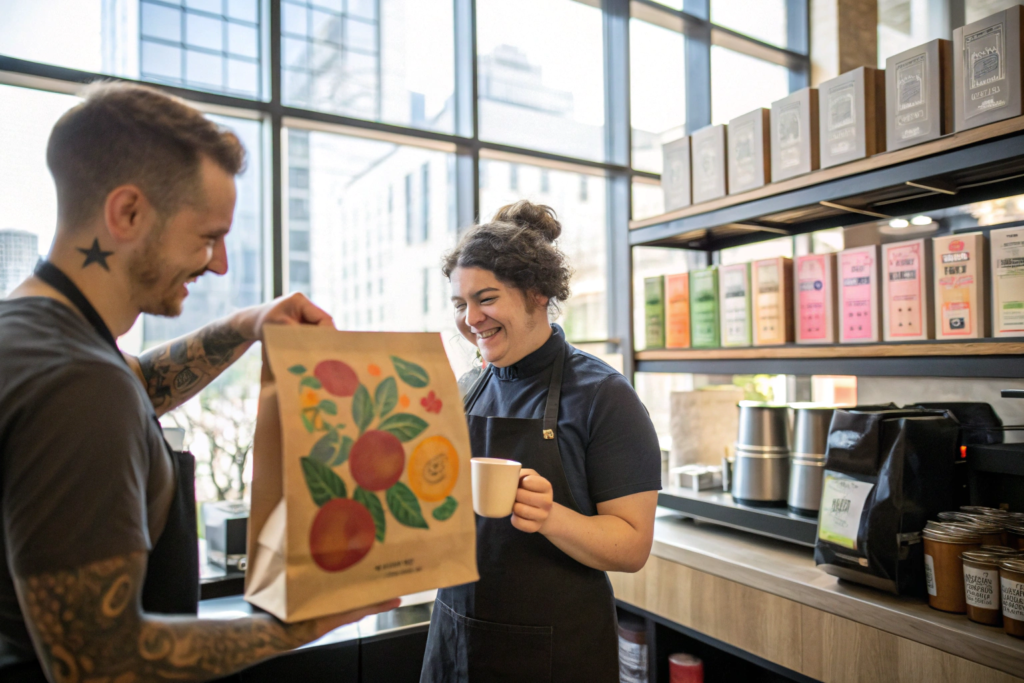
A bag of carbonic maceration Yunnan on the shelf needs to communicate three things. First, this coffee is rare. Use phrases like "micro-lot," "limited release," "only 200 bags produced." Scarcity primes the customer to accept the higher price. Second, the flavor is wild. Do not write "fruity notes." Write "pineapple upside-down cake, cherry cola, rum-soaked raisins." Be specific. Be bold. Third, the origin is unexpected. "Single-origin from Baoshan, Yunnan" challenges the customer's assumption that great coffee only comes from Ethiopia or Colombia.
I also recommend roasters create a digital experience. A QR code on the bag that links to a video of the fermentation tanks. Photos of the raised drying beds. A short clip of me or another producer explaining why we chose carbonic maceration for this lot. This transparency does two things. It justifies the price. And it makes the customer feel connected to the farm. That connection drives repeat purchases.
The Shanghai Fumao team can provide roasters with farm-level photos, processing videos, and detailed lot histories to support this kind of storytelling. Some of my most successful retail partners have built entire seasonal campaigns around a single processing method from a single origin.
What Volume Commitment Is Necessary to Justify the Price?
I do not enforce a minimum order for carbonic maceration lots the way I might for a commercial Catimor container. I want roasters to start small.
A micro-lot of carbonic maceration might be as little as 10 to 15 bags, roughly 600 to 900 kilograms. Some exporters will even split lots into smaller units. At Shanghai Fumao, we have shipped micro-lots as small as 5 bags for first-time buyers who want to test their market. The per-pound price is higher at that volume, obviously. Freight gets amortized over fewer kilos. But the retail margin still works because a micro-roaster selling direct online can charge a significant premium.
The key is to run the test. Buy a small lot. Roast it. Sell it. Measure sell-through velocity. If it sells out in two weeks, you have your answer. Order 25 bags next season. If it sits on the shelf for three months, the processing method is not the issue. The match between your customer base and the product is the issue. That is a valuable lesson too. For market trend data on specialty coffee premiums and consumer willingness to pay, reports from the National Coffee Association track US consumption patterns and specialty segment growth annually.
Conclusion
Carbonic maceration is not a gimmick. It is a deliberate processing choice that transforms the flavor of Yunnan Arabica into something intensely fruity, winey, and complex. The science is real. The fermentation happens inside the cherry, under CO2 pressure, in an oxygen-free tank. The result is a coffee that commands a high retail price because it delivers a sensory experience that washed or natural coffees cannot replicate.
But is it worth the higher green coffee price? That depends entirely on your customer base. If you run a traditional espresso business focused on chocolatey blends, carbonic maceration probably will not add value. Your customers are not asking for it. If you run a specialty roastery with a subscription base, a limited-release calendar, and customers who chase novelty, then absolutely. The price premium on the green side translates directly into a high-margin retail product that strengthens your brand.
The processing method also holds up in storage better than many assume, making it viable for year-round offering cycles. Just follow proper inventory rotation and always track your water activity levels.
If you are curious about what carbonic maceration lots we have available from the Baoshan harvest, reach out to Cathy Cai. She manages micro-lot allocations and sample dispatch. She can share current cupping scores, available volumes, and FOB pricing for small-batch bookings. She will not push you into a volume commitment that does not fit your business. But she will help you figure out whether this method belongs in your lineup. Her email is cathy@beanofcoffee.com. She knows the lots better than anyone and can have samples at your roastery within a week.