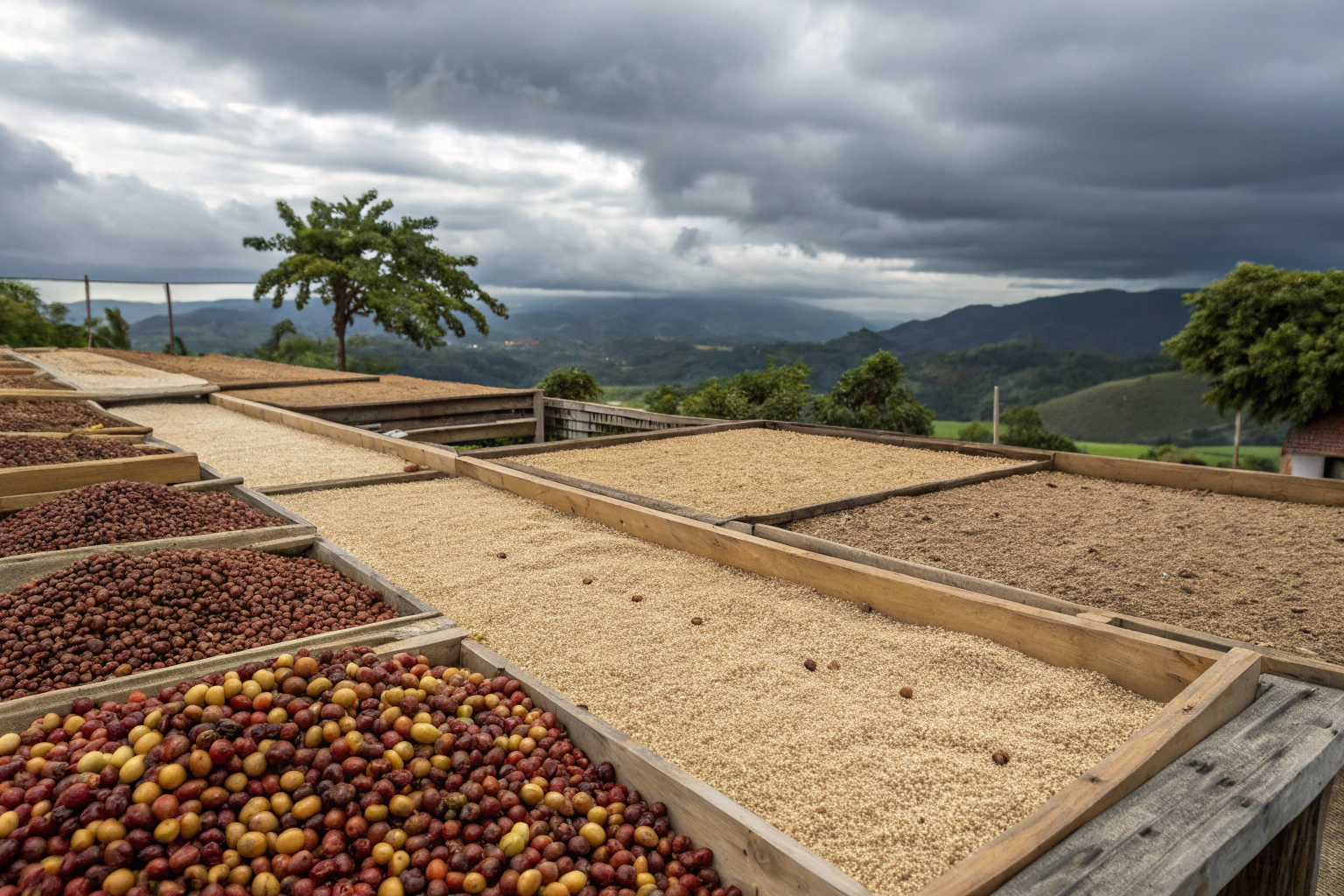
You're cupping a new sample. It's from Yunnan. The label says "Yellow Honey." You break the crust. The aroma is different. It's not the clean, crisp smell of a washed coffee. It's fruitier. Sweeter. More aromatic. You take a sip. The body is syrupy. The acidity is soft, like ripe fruit. There's a distinct note of panela sugar and dried mango. It's delicious. And you know your customers will go crazy for it. But you're also a business owner. You need to know: What exactly is honey processing? Is it a gimmick, or a legitimate category I should add to my lineup? And why do customers seem willing to pay a premium for it?
Honey processing is a coffee processing method that occupies a deliberate middle ground between Washed and Natural. After depulping, a specific, controlled amount of the sweet, sticky fruit mucilage (the "honey") is left on the parchment bean to dry. As the coffee dries, this mucilage ferments slightly and its sugars are absorbed into the bean. The result is a cup that uniquely combines the clean body of a washed coffee with the enhanced sweetness, fruit-forward notes, and syrupy mouthfeel of a natural. Customers love it because it delivers a distinctly sweet, complex, and approachable flavor experience that stands out from traditional profiles.
At Shanghai Fumao, our processing facility in Baoshan is equipped for precise honey processing. I've seen the demand for these lots skyrocket. Let me demystify the method, explain the different "colors" of honey, and show you why this is a category worth investing in.
How Does Honey Processing Differ from Washed and Natural Methods?
To understand honey, you must first see it in relation to the two dominant processing methods. It's the intentional bridge between them.
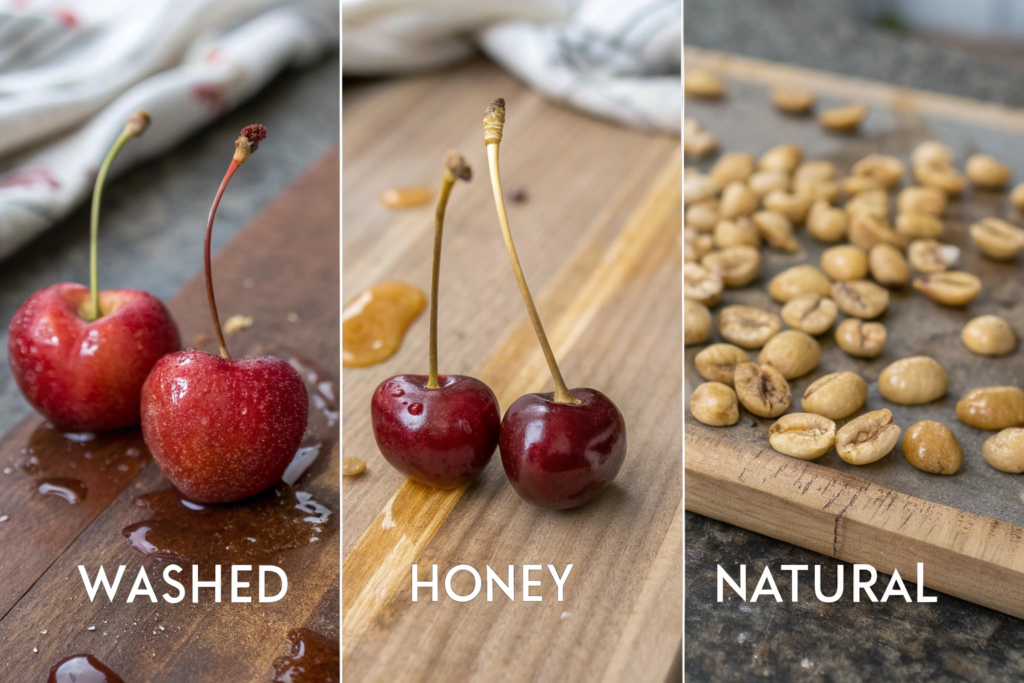
- Washed Process: After depulping, the sticky mucilage is completely removed through fermentation and washing. The clean parchment is then dried. Result: A very clean, transparent, and bright cup where origin and varietal character shine.
- Natural Process: The whole cherry is dried intact, with the skin, fruit, and mucilage all in contact with the bean for weeks. Result: A heavy-bodied, intensely fruity, and often "funky" or wine-like cup.
- Honey Process: The cherry is depulped, but the mucilage is intentionally left on the parchment. The amount of mucilage left is controlled. The sticky parchment is then dried. Result: A cup that borrows the cleanliness of a washed coffee and the enhanced sweetness and body of a natural. It's the best of both worlds.
This is not a new, experimental method. It was pioneered in Costa Rica and has been refined over two decades. It is now a proven, mainstream specialty category.
What Is the Role of the Mucilage in Creating the Honey Flavor?
The mucilage is the key. It's the layer of sweet, sticky fruit flesh that clings to the parchment after the skin is removed. It is packed with sugars, pectins, and complex organic compounds.
During the honey process, as the coffee dries slowly on raised beds, this mucilage undergoes a gentle, controlled fermentation. The sugars begin to break down and are absorbed into the porous parchment and the bean itself. This process does two critical things:
- Increases Perceived Sweetness: The absorption of sugars directly adds to the bean's sweetness profile.
- Creates Complex Flavor Precursors: The fermentation creates a different set of aromatic compounds than either washed or natural processing. These translate into the distinct "honey," "panela," and "ripe fruit" notes in the cup.
The thicker the layer of mucilage left on the bean, the more intense this effect becomes.
What Is the Difference Between Yellow, Red, and Black Honey Coffee?
This is where the artistry of the processor comes in. The "color" designation refers to the amount of mucilage left on the bean and the drying technique used. It's a spectrum of intensity.
| Honey Type | Mucilage Left | Drying Technique | Cup Profile |
|---|---|---|---|
| White Honey | Minimal; mostly removed mechanically. | Fast drying, lots of sunlight. | Closest to washed. Clean, subtle sweetness, bright acidity. |
| Yellow Honey | A thin, even layer. | Dried on raised beds with moderate sunlight exposure. | Balanced. Noticeable honey sweetness, soft fruit notes (apricot, pear), medium body. |
| Red Honey | A thicker, more substantial layer. | Dried more slowly, often with shade during peak sun hours. | Rich. Pronounced sweetness (panela, molasses), ripe red fruit, syrupy body. |
| Black Honey | Maximum mucilage left on. | Dried very slowly, in deep shade, piled in thicker layers. Requires constant turning. | Most intense. Jammy, dried fruit notes (raisin, date), heavy, creamy body, very low acidity. |
At Shanghai Fumao, we produce Yellow, Red, and Black Honey lots, depending on the specific lot and the desired flavor outcome. Each requires a different level of labor and monitoring.
Why Are Consumers and Roasters Willing to Pay More for Honey Coffee?
The premium price for honey coffee is not arbitrary. It's a direct reflection of higher production costs, higher risks, and a unique, high-demand sensory experience that commands a higher retail price.
The premium for honey coffee is justified by: (1) Increased Production Cost and Risk: It requires significantly more labor, specialized drying infrastructure (raised beds), and constant monitoring to prevent over-fermentation or mold. The risk of losing a lot is higher. (2) Unique, Approachable Flavor Profile: It delivers a distinct, "crowd-pleasing" sweetness and fruitiness that is less challenging than a funky natural but more exciting than a standard washed coffee. (3) Compelling Story: The evocative name and the artisanal process resonate deeply with consumers seeking a unique and authentic experience.
Is Honey Coffee Easier or Harder to Roast Than Washed Coffee?
It requires a slightly different approach, but it's not inherently "harder." The key is understanding its physical properties.
Because of the mucilage fermentation, honey processed beans often have slightly lower density and higher porosity than fully washed beans from the same farm. They also have a higher sugar content on the surface and just beneath it. This means:
- They take on heat faster. A slightly lower charge temperature is often recommended to avoid scorching those surface sugars.
- They can develop faster. The Maillard phase can be more active.
- The goal is to preserve the delicate fruit and honey notes. A rushed or overly aggressive roast can destroy the very flavors you paid a premium for. A gentle, well-developed medium roast (City+ to Full City) is often the sweet spot for maximizing the honey character.
Many roasters find that a well-roasted honey coffee is exceptionally "forgiving" and produces a beautifully sweet and balanced cup across a range of brew methods. It's a rewarding coffee to work with.
How Does a Honey Process Yunnan Catimor Cup Differ from a Washed One?
This is a powerful A/B comparison. A washed Yunnan Catimor is known for its clean profile: Dark Chocolate, Toasted Nuts, Malic Acidity.
A Yellow or Red Honey Yunnan Catimor from the same farm is a different animal. The chocolate note is still there, but it's sweeter, more like Milk Chocolate or Chocolate-covered Raisin. The nuttiness is replaced by a distinct Honey or Panela sweetness. New fruit notes emerge: Dried Apricot, Ripe Pear, or even a hint of Raspberry. The body is noticeably syrupier and creamier. The finish is long and sweet.
It's a transformation. It takes the reliable, comforting Catimor base and elevates it with a layer of sweetness and complexity that is incredibly appealing to a broad range of coffee drinkers. It's an excellent tool for differentiating your single-origin offerings.
What Are the Quality Control Challenges of Honey Processing?
Honey processing is a high-wire act. The same sticky mucilage that creates the beautiful flavors is also a perfect breeding ground for mold, yeast, and bacteria if not managed perfectly.
The primary quality control challenges of honey processing are: (1) Preventing Mold and Over-Fermentation: The mucilage is a sugar-rich medium. If drying is too slow or the layer is too thick, mold will grow. (2) Ensuring Even Drying: The sticky beans clump together. They must be constantly and gently raked to ensure uniform drying and prevent "hot spots." (3) Managing Weather Risk: Unlike washed coffee, which can be moved indoors, honey coffee relies on predictable sun and low humidity. A sudden rain shower can be disastrous. (4) Achieving Consistency: Replicating the exact same honey profile lot after lot requires meticulous protocol and experienced staff.
How Does a Producer Prevent Mold During the Honey Drying Phase?
Prevention is a 24/7 job during the drying period. There are no shortcuts.
Key strategies include:
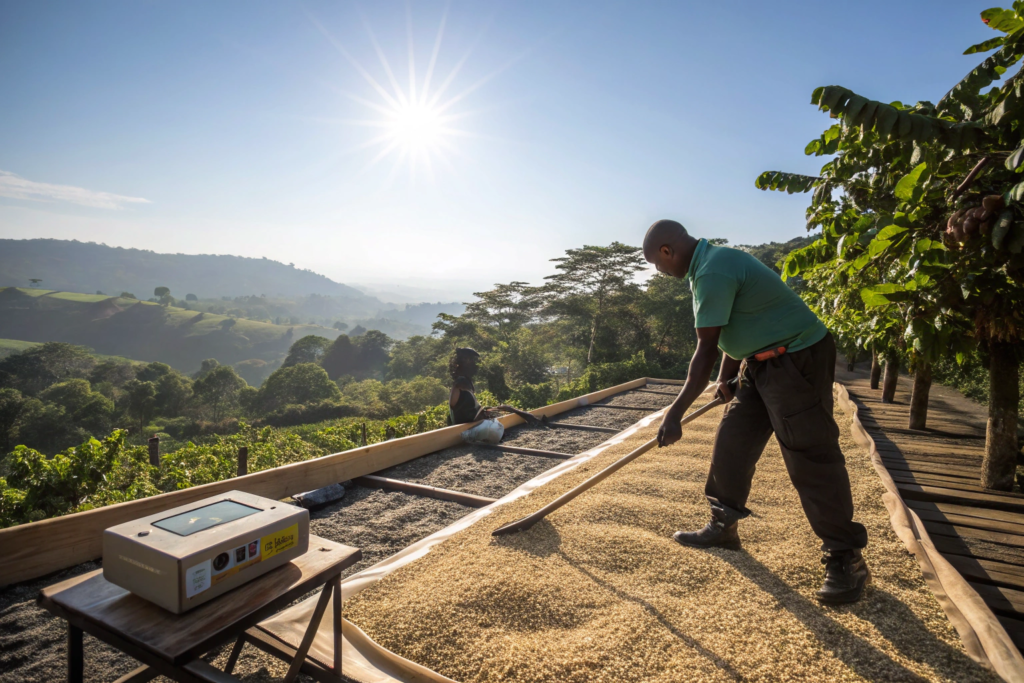
- Thin Layers: The coffee is spread in very thin, even layers on the raised beds.
- Constant Raking: The coffee is gently turned and raked every 30-60 minutes during the first few days to break up clumps, expose all surfaces to air and sun, and prevent localized fermentation.
- Raised Beds: African drying beds elevate the coffee off the ground, allowing for crucial airflow from underneath the drying mass.
- Shade During Peak Sun: For Red and Black Honey, the coffee is often covered with shade cloth during the hottest part of the day to slow down the drying and prevent the outside from crusting over before the inside is dry.
- Mechanical Dryers (Controlled): In some facilities, mechanical dryers with precise temperature and airflow control are used for the final stage of drying to ensure a stable, safe moisture content.
At Shanghai Fumao, our drying patios are managed by an experienced team that understands the precise needs of each honey lot. It's a craft.
Why Is Honey Processing More Susceptible to Weather Risks?
Unlike washed parchment, which is relatively inert, honey-processed parchment is biologically active. It's a race against time and microbes.
The ideal conditions for honey drying are warm, sunny days and low humidity. Yunnan's dry harvest season (November-February) is generally excellent for this. However, an unexpected overcast day or a light rain shower can be a major problem. If the mucilage gets wet again, or if drying stalls for too long, the risk of mold and over-fermentation skyrockets. A washed coffee lot can be covered with a tarp and wait out a rainy day. A honey lot is far more vulnerable. This weather risk is a key reason why honey coffee is often produced in smaller, carefully managed lots and why it commands a higher price. The producer is taking on more risk to create a more valuable product.
How Should a Roaster Market a Honey Process Coffee to Customers?
You've invested in a honey coffee. Now you need to translate that investment into a compelling story for your customers. The name itself is a powerful marketing tool. Use it.
Marketing a honey process coffee successfully involves three key elements: (1) Explaining the Process Simply: Use accessible language to describe what "honey process" means (e.g., "dried in its own sweet fruit nectar"). (2) Highlighting the Unique Flavor Notes: Focus on the sweetness, the fruit, and the syrupy body. Words like "honey," "panela," "jammy," and "creamy" are your friends. (3) Positioning It as a Special, Limited Offering: Emphasize the artisanal nature and limited availability of this lot to create a sense of discovery and urgency.
What Are the Best Consumer-Friendly Descriptors for a Honey Coffee?
Avoid overly technical jargon like "mucilage" and "pectins" on the consumer-facing label. Focus on sensory, appealing language.
Powerful Descriptors for Honey Coffee:
- Sweetness: Honeyed, Panela Sugar, Raw Cane Sugar, Caramel Drizzle.
- Fruit: Dried Mango, Apricot Jam, Ripe Pear, Candied Orange Peel.
- Body: Syrupy, Creamy, Velvety, Smooth.
- Overall: Approachable, Sweet & Balanced, Fruit-Forward, Complex.
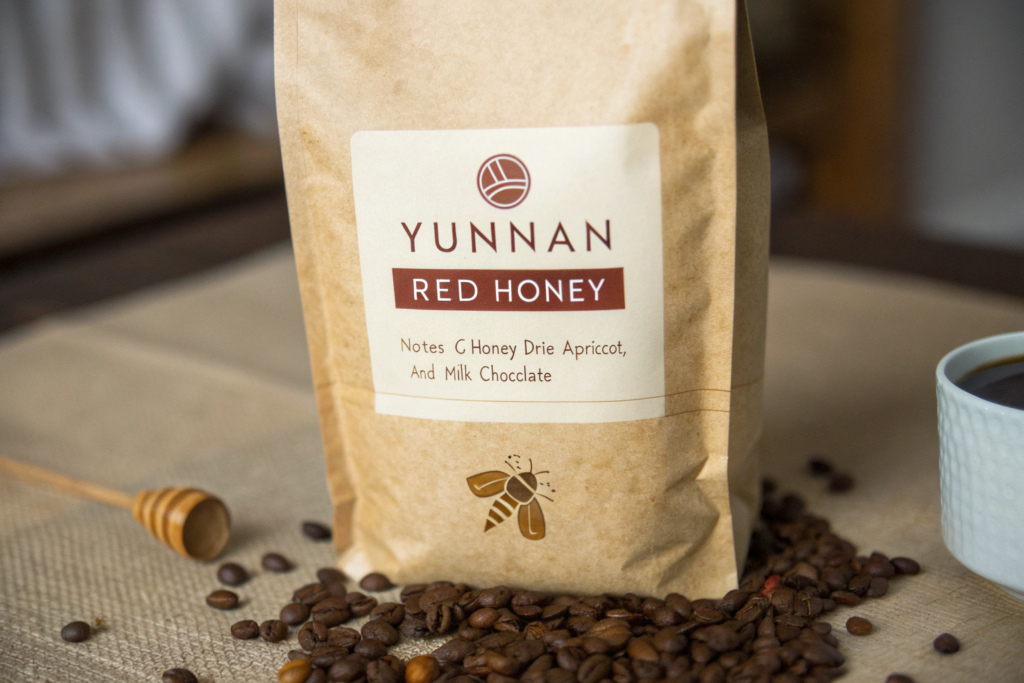
For a Yunnan Red Honey, a descriptor like "Honeyed Sweetness, Dried Apricot, and Creamy Body" is immediately appealing and accurately reflects the cup. It tells the customer exactly what delicious experience to expect.
How Do I Explain the "Honey Process" in One Simple Sentence?
You need a concise, compelling explanation for your website and your wholesale clients.
Here are three effective options:
- "After the cherry fruit is removed, the coffee bean is dried in its own layer of sweet, sticky nectar, absorbing rich honey and fruit flavors."
- "A unique process that bridges the gap between clean washed coffees and fruity naturals, creating a remarkably sweet and balanced cup."
- "Dried with a kiss of its own honey-like fruit, this coffee delivers exceptional sweetness and a syrupy-smooth body."
This simple explanation demystifies the process and sets the expectation for a unique, delicious, and premium experience. It's a story that sells.
Conclusion
Honey processed coffee is far more than a trend. It's a distinct and valuable category that has earned a permanent place in the specialty coffee landscape. It offers a unique sensory sweet spot—combining the cleanliness that roasters need for consistency with the fruit-forward sweetness and body that consumers crave.
For a roaster, a well-executed honey lot, especially one from a quality-focused origin like Yunnan, is a powerful tool. It diversifies your menu, attracts adventurous palates, and provides a compelling story that justifies a premium price.
If you're looking to add a layer of honeyed sweetness and complexity to your coffee program, I invite you to explore the Yellow, Red, and Black Honey lots available from Shanghai Fumao. They are a testament to the art and science of modern coffee processing. My email is cathy@beanofcoffee.com.