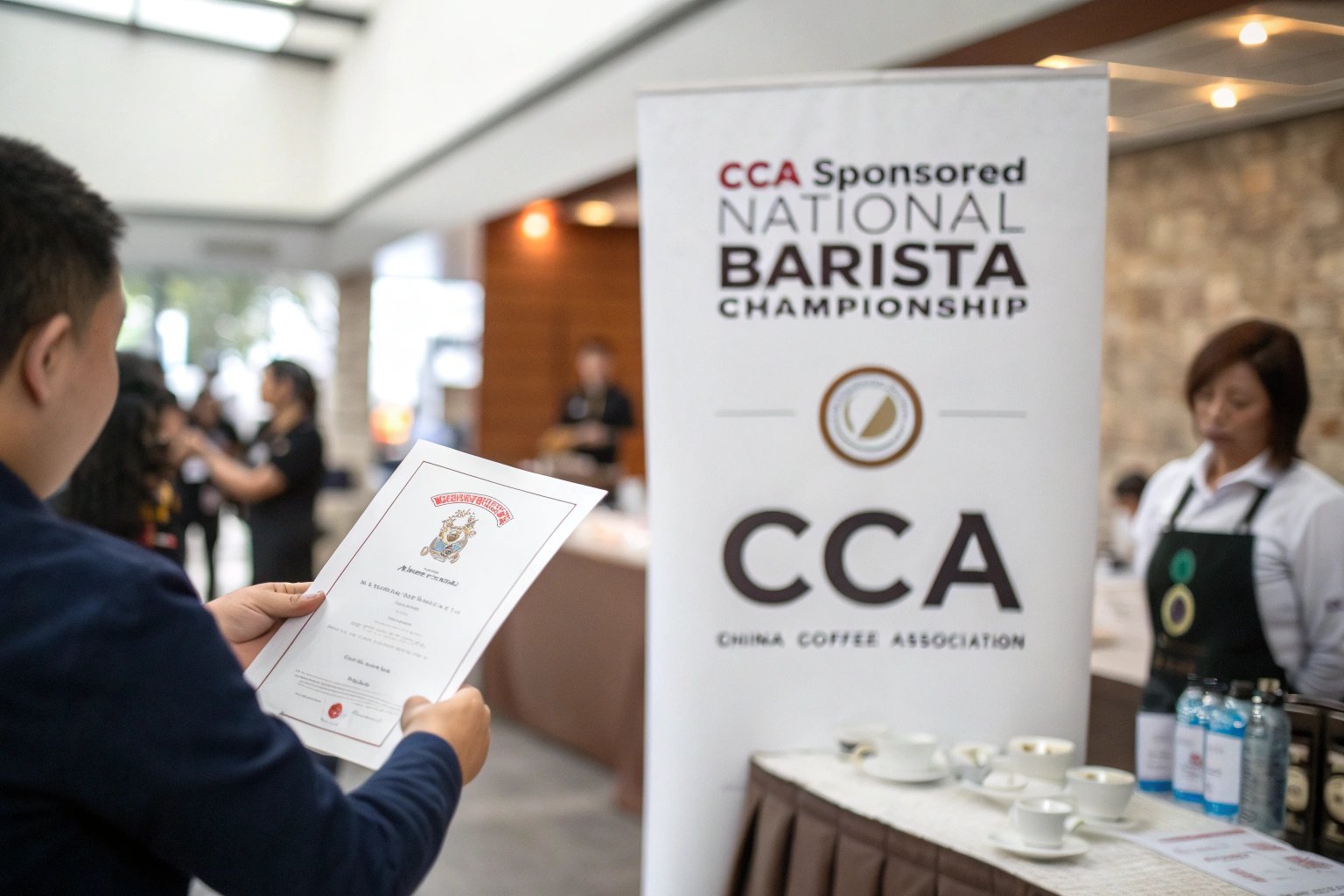
A few years ago, I was at a cupping competition in Pu'er, sponsored by the China Coffee Association. The room was filled with young, passionate cuppers, all meticulously evaluating dozens of lots, their scoresheets based on strict SCA protocols. The winning lot came from a small farm that had been working with CCA agronomists to improve their processing. At that moment, I saw the future of Chinese coffee. It was not just about individual farmers like us working in isolation. It was about a national institution, the CCA, systematically lifting the standards of an entire industry, connecting growers to global markets, and building a culture of quality from the ground up.
The China Coffee Association (CCA) plays a pivotal role in elevating export quality by acting as a standards-setting body, a professional training and certification hub, and a vital bridge connecting Chinese producers with international markets, thereby driving a national movement from commodity-grade production toward a quality-focused, globally integrated specialty coffee industry.
For a buyer like you, the CCA is an important part of the quality ecosystem. Let me explain how its work directly impacts the quality, reliability, and professionalism of the coffee you source from China. You can see our own commitment to these national standards reflected on the Certifications page of Shanghai Fumao.
How Does the CCA Set National Quality Standards for Green Coffee?
A market cannot function without a common language. For years, what one Chinese exporter called "Grade 1" was often a subjective and inconsistent measure. The CCA has played a foundational role in professionalizing the industry by aligning China's domestic green coffee standards with internationally recognized protocols, creating a clear, objective, and shared definition of quality that buyers can trust.
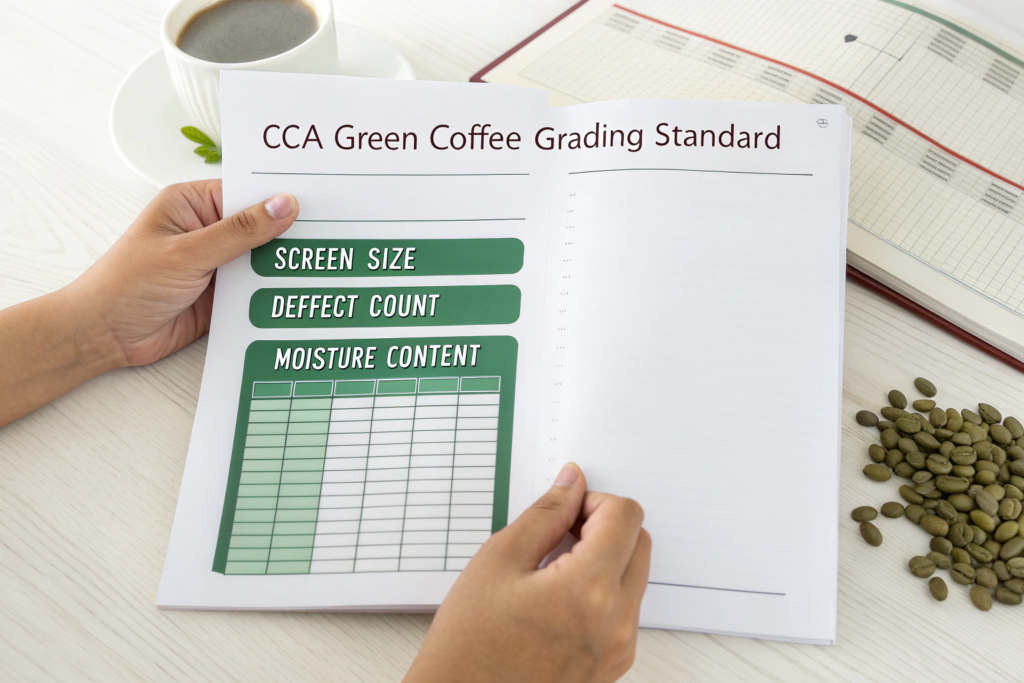
The CCA establishes a unified quality language for the Chinese coffee industry by developing and promoting green coffee grading standards that are harmonized with the Specialty Coffee Association (SCA) protocols, defining specific, measurable criteria for screen size, defect count, and moisture content.
This standards-setting function is the bedrock of professional trade. It replaces subjective opinion with objective measurement. At Shanghai Fumao, our own rigorous internal grading system, detailed on our Quality Control page, is built upon and fully aligned with these national standards.
What Is the Relationship Between the CCA Standard and the SCA Protocol?
A smart buyer might ask, "Is the CCA just creating its own standard, or is it aligning with the global system?" The answer is the latter. The CCA has deliberately and strategically chosen to align its national standards with the Specialty Coffee Association (SCA) protocols, the most widely recognized and respected standard in the global specialty coffee industry.
This is a crucial point for an international buyer. The CCA's standard for a "Specialty Grade" coffee, including the size of the sample (350g), the definition of primary and secondary defects, and the allowance of quakers, is directly benchmarked against the SCA's Green Arabica Coffee Classification System. This alignment means that a lot of coffee graded as "CCA Grade 1" will be measured against the same physical criteria as an SCA Specialty Grade lot from Colombia or Ethiopia. This harmonization is what makes Chinese coffee's quality claims credible and comparable on the global market.
How Does This Standardization Protect a Buyer from Inconsistent Shipments?
Inconsistency is the silent killer of a roaster's brand. It erodes trust with every uneven batch of roasted coffee. A national, unified grading standard, when rigorously applied by a competent supplier like BeanofCoffee, is a powerful tool to combat this risk.
The CCA standard protects you by creating a binding, common language of physical quality. When your contract with a supplier specifies "CCA Grade 1," you are no longer relying on a subjective or flexible interpretation of the word "premium." You are referencing a published, objective, and measurable set of criteria. This creates a legally defensible standard for your trade. The same principle applies to the detailed spec sheet we help our clients create, as explained in our guide on How to Write a Clear Specification Sheet for Your Coffee Bean Order?.
How Does the CCA Train and Certify the Next Generation of Quality Professionals?
Standards on paper are meaningless without skilled people to implement them. The CCA's most profound long-term impact is arguably its investment in human capital. It actively works to build a professional, quality-obsessed workforce by training and certifying the next generation of Chinese coffee professionals, from baristas to cuppers.
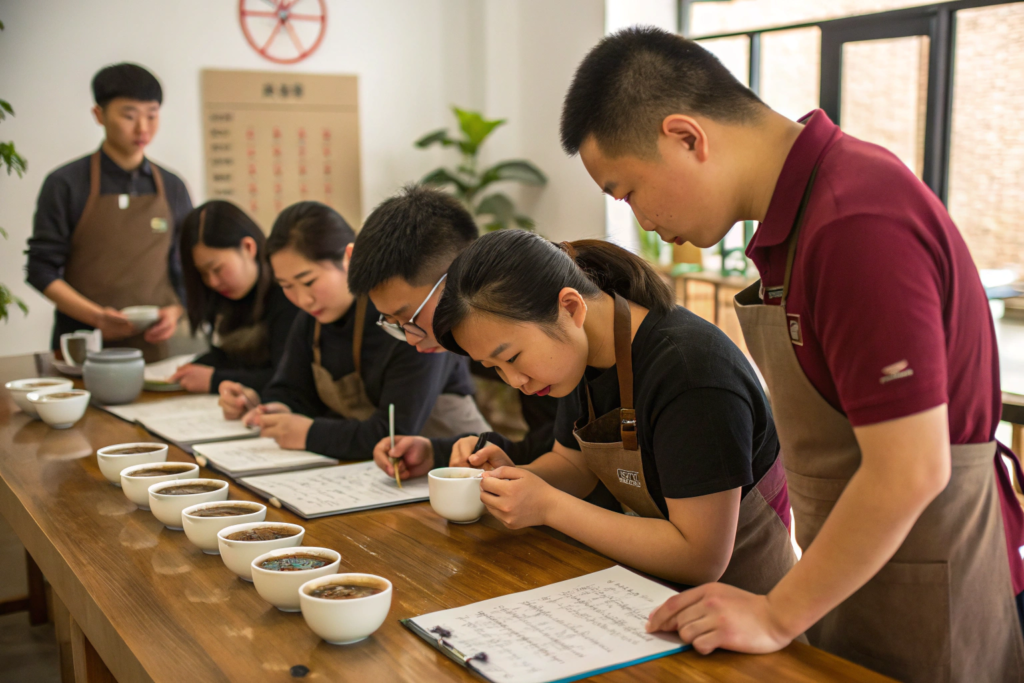
The CCA elevates the entire industry's quality capability by operating a national system of professional training and certification, including accredited Q-Grader preparatory courses and barista skill programs, thereby creating the skilled workforce that a quality-driven export industry depends on.
This is a long-term, strategic investment in the industry's future. It ensures that quality is not just an abstract goal but a living, practiced skill passed on to the next generation.
Why Is a Q-Grader Certification So Important for Consistent Export Quality?
You are a buyer who relies on a supplier's cupping score to make a purchasing decision. But how do you know their "84" is the same as your "84"? A certified Q-Grader, licensed by the Coffee Quality Institute (CQI), is the global standard for a calibrated palate, but training one requires a robust domestic system. The CCA helps foster this system.
The CCA's support for Q-Grader training creates a common, calibrated language of sensory quality that links our cupping lab in Baoshan directly to your lab in Seattle. When our Q-Grader, who has passed the rigorous CQI certification exams, scores a lot of our coffee an 85.5, you can trust that the score is reliable, repeatable, and calibrated to the international benchmark. This calibration is the scientific foundation of a trusted buyer-supplier relationship, and it makes the quality guarantee we discuss in How Can I Guarantee Consistent Quality for Every Coffee Shipment? a credible promise.
How Do CCA-Sponsored Competitions Drive Quality Improvement at the Farm Level?
Competition is a powerful engine for innovation. The CCA organizes and sanctions national coffee competitions, such as the annual "Yunnan Green Coffee Cupping Competition," which has a direct and powerful effect on quality at the farm level.
These competitions move quality from an abstract goal to a tangible, competitive reality. Farmers and producers submit their best lots to be judged blind by a panel of certified Q-Graders. The incentive is huge: winning lots receive national recognition, a public record of their high score, and often a significant price premium. This directly incentivizes big estates like ours and smaller family farms to adopt better agricultural practices, invest in better processing, and focus on producing genuinely exceptional coffee. The competition becomes a laboratory for quality, and the entire industry learns from the winners.
How Does the CCA Bridge the Gap Between Chinese Producers and International Buyers?
A farmer can grow a perfect bean, but it is worthless if they cannot connect with a buyer. One of the CCA's most vital functions is to act as a bridge, actively promoting Chinese coffee on the global stage and creating tangible opportunities for producers to meet international buyers.
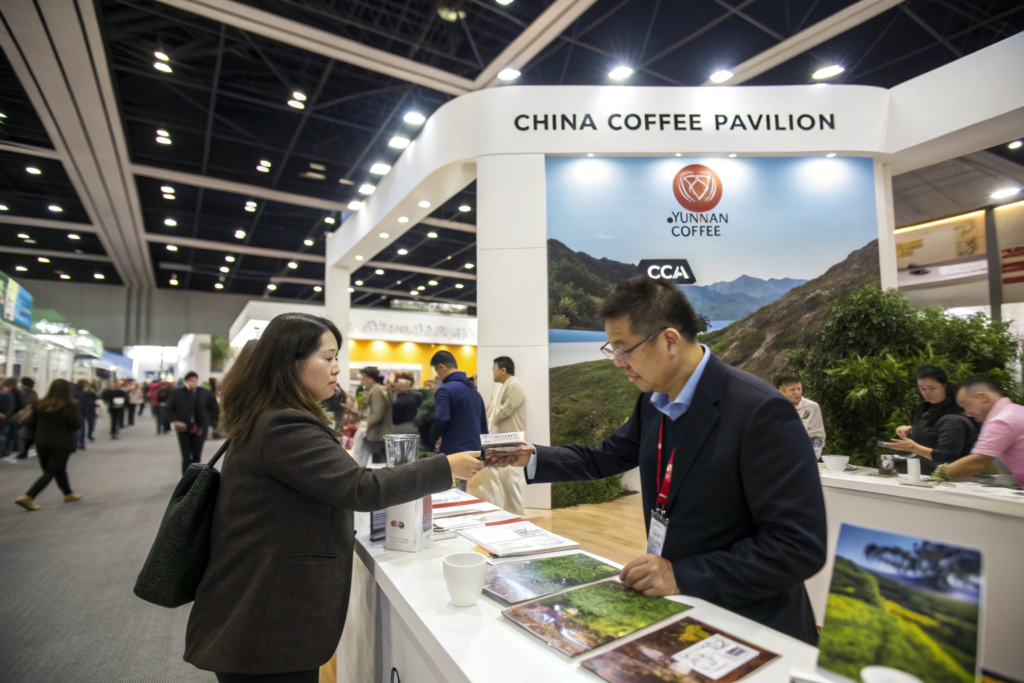
The CCA bridges the gap between Chinese producers and international buyers by organizing and sponsoring a unified "China Coffee" presence at major global trade events, facilitating direct trade missions, and promoting the national brand of specialty coffee under its "Yunnan Coffee" banner.
This is the kind of institutional support that transforms a fragmented industry into a recognized and respected global origin. You may have seen our team at one of these events, or you can connect with us directly through our Logistics & Planning page.
What Is the Impact of a "Country Pavilion" at a Global Coffee Event?
Imagine you are a busy buyer walking the floor of a massive trade show like the SCA Expo or a World of Coffee event. You want to discover a new origin, but you don't have time to find a dozen small, scattered booths from individual Chinese farms.
The CCA solves this problem by organizing a single, professional, and unified "China Coffee Pavilion." This pavilion brings together a curated selection of the country's best producers under one national banner. It creates a powerful "one-stop shop" destination for a buyer to discover, cup, and compare a range of high-quality Yunnan coffees. This nationally sponsored presence creates a powerful signal of legitimacy and quality, and it directly facilitates trade by lowering the discovery cost for a busy buyer. It is one of the most important ways the CCA turns global curiosity about Chinese coffee into real, commercial relationships.
How Does a National Promotion Campaign Build Trust in "Yunnan Coffee"?
A brand is a promise. For years, Chinese coffee was an unknown and, for many, a mistrusted brand. The CCA has worked systematically to change this global perception through a sustained national campaign, building the brand equity of "Yunnan Coffee."
The CCA's campaign tells a unified, high-quality origin story. It promotes Yunnan not as a source of cheap filler beans, but as a unique specialty terroir, with its high-altitude farms, its distinct flavor profile of black tea and stone fruit, and its growing commitment to sustainable practices. This coordinated, professional message is slowly but surely rewriting the global narrative about Chinese coffee. It replaces an old, unfair stereotype with a new, compelling, and authentic story of quality. This makes your marketing job as a roaster easier. The CCA has already laid the groundwork for a story of quality that you can now sell to your customers.
Conclusion
The role of the China Coffee Association in export quality is that of a foundational architect and a persistent champion. It builds the foundation by setting a unified, internationally-aligned standard for quality. It educates the builders by training a new generation of skilled cuppers and coffee professionals. And it opens the doors to the global market by actively promoting the national brand of Yunnan Coffee to the world's most discerning buyers.
For an international roaster, the CCA's work provides a powerful layer of assurance. It means the Chinese coffee you are sourcing comes from an industry that is not just relying on a few world-class private companies, but is being systematically uplifted by a national institution dedicated to quality, professionalism, and global integration.
At Shanghai Fumao, we are proud to be active participants in this national quality movement. Our standards are guided by the CCA's framework, and our people are trained in its programs.
If you want to source coffee from a country whose national industry is committed to quality, we would be happy to share samples and discuss how our coffee fits into your program. Email Cathy Cai. Ask for a sample of our latest CCA-standard graded lot. Contact Cathy at: cathy@beanofcoffee.com