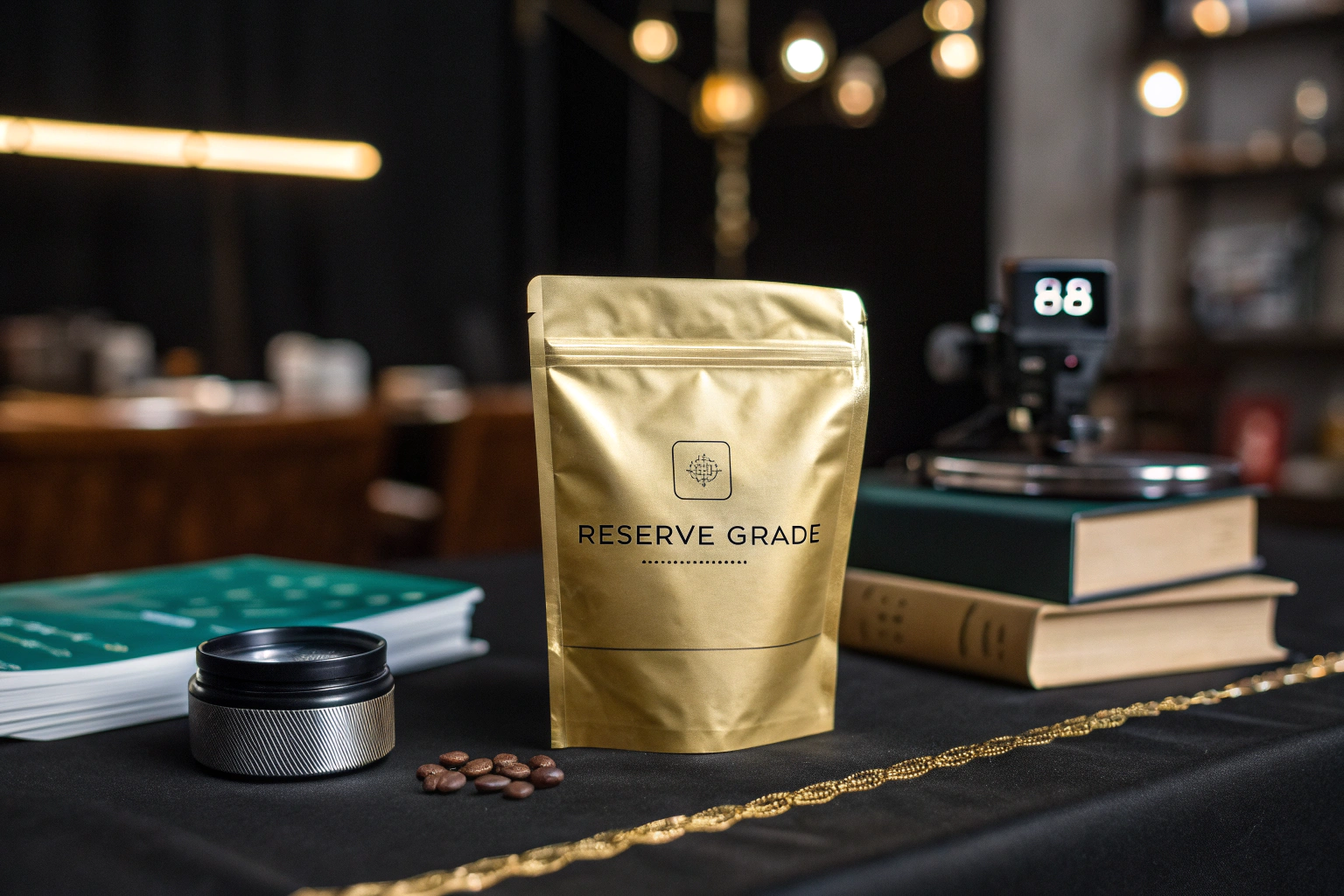
A roaster from Seattle emailed me last week with a straightforward question. "I see 'Reserve Grade' on your offer sheet," he wrote. "What does that actually mean? Is it a marketing term you invented, or is there a real standard behind it?"
I appreciated the question. He was right to be skeptical. The specialty coffee industry is full of superlatives. Premium. Super Premium. Grand Cru. Micro-Lot. Nano-Lot. Some of these terms have specific meaning. Some are pure marketing. A buyer who does not ask what a term means is a buyer who will eventually be disappointed.
"Reserve Grade" in a wholesale coffee catalog is not a universal industry standard but a supplier-defined designation that should signify a lot scoring 86 points or above on the SCA cupping scale, with near-zero physical defects, full traceability to a specific plot or farm, and a unique or exceptional flavor profile that distinguishes it from the supplier's standard specialty offerings.
I told the roaster exactly what our Reserve Grade means, how we select those lots, and what documentation he would receive. He bought a Reserve Grade lot. He paid a premium. He was happy with the coffee. But the conversation reminded me that buyers need a clear framework for evaluating these terms. Here is what goes into a legitimate Reserve Grade designation, how to verify the claims, and when the premium price is justified.
What Physical and Sensory Criteria Define Reserve Grade?
A legitimate Reserve Grade designation should have two pillars: physical quality and sensory quality. Physical quality is about what the green bean looks like. Sensory quality is about what the roasted bean tastes like. Both must be exceptional. A coffee that cups beautifully but is full of physical defects is not Reserve Grade. A coffee that is physically perfect but cups mediocre is not Reserve Grade.
On the physical side, the green coffee should meet or exceed the SCA specialty grade threshold. That means no more than five full defects per 350-gram sample. No primary defects—no black beans, no sour beans, no fungal damage, no insect damage, no severe physical damage. The beans should be uniform in screen size, color, and density. The moisture content should be between 10.5 and 12 percent. The water activity should be below 0.60. The visual impression should be one of perfection.
On the sensory side, the coffee should score 86 points or above on the SCA 100-point cupping scale. This is the threshold where a coffee moves from "very good specialty" into "exceptional." An 86-point coffee is not just clean and balanced. It has distinctive, memorable flavors. It has complexity. It has a long, sweet finish. It stands out in a cupping flight of ten samples. It is a coffee that a cupper remembers the next day.
Reserve Grade lots must achieve both a near-zero physical defect count—no primary defects, uniform size and color, moisture between 10.5 and 12 percent—and a cupping score of 86 points or higher with distinctive, complex flavors that are clearly superior to the supplier's standard specialty offerings.
The combination of physical perfection and sensory excellence is what separates Reserve Grade from standard specialty. Standard specialty is excellent coffee. It cups 80 to 84 points. It has a few minor defects. It is clean and pleasant. Reserve Grade is the top tier of what a given origin can produce. It is the coffee the producer is most proud of. It is the coffee that competes on the world stage.
How Does the SCA Scoring System Translate to "Reserve"?
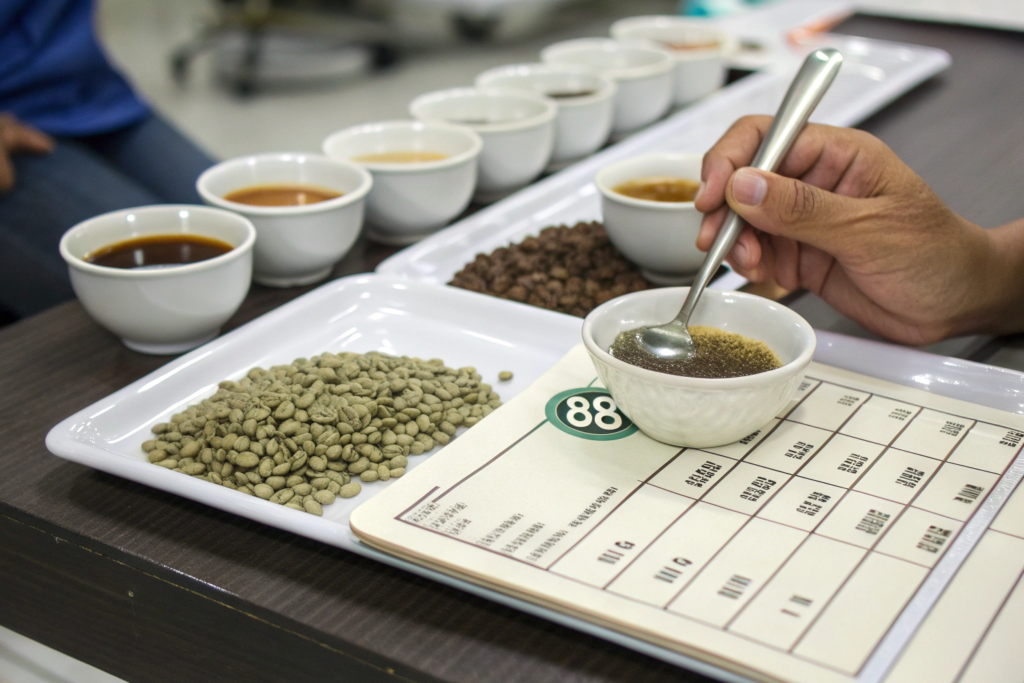
The SCA cupping form is the global standard for sensory evaluation in specialty coffee. It scores coffee across ten attributes: fragrance and aroma, flavor, aftertaste, acidity, body, balance, uniformity, clean cup, sweetness, and overall impression. Each attribute is scored on a 16-point scale. The total score places the coffee in a quality tier.
Coffees scoring 80 to 84.99 are "Very Good." This is the specialty coffee baseline. These coffees are clean, sweet, and balanced, with mild to moderate complexity. They make up the majority of specialty coffee traded globally.
Coffees scoring 85 to 89.99 are "Excellent." This is where Reserve Grade lives. These coffees have distinctive character, pronounced acidity or body, complex flavor notes, and a long, clean finish. They are memorable. They are the lots that roasters feature as limited releases.
Coffees scoring 90 and above are "Outstanding." This is competition-grade coffee. Geishas from Panama. Anaerobic micro-lots from Colombia. The best of the best. These coffees are rare, expensive, and often sold at auction. Some suppliers use the term "Presidential Reserve" or "Competition Reserve" for this tier.
When I designate a lot as Reserve Grade, I am telling the buyer that it scored 86 points or above on my cupping table, cupped by a calibrated Q-grader, using the SCA protocol. The cupping score is documented. The cupping notes are specific. The buyer knows exactly what they are paying for. For more on the SCA cupping protocol and scoring, the Specialty Coffee Association publishes the official cupping form and calibration standards.
What Defect Tolerance Is Acceptable for Reserve Grade?
Defect tolerance for Reserve Grade should be near zero. The standard specialty grade allows up to five full defects per 350 grams. Reserve Grade should be stricter. I target zero primary defects and no more than two secondary defects per 350 grams for any lot I label Reserve.
A primary defect is a bean that will ruin the cup if present in any quantity. Black beans. Sour beans. Fungus-damaged beans. Insect-damaged beans. Severe physical damage. A single black bean in a 350-gram sample is a disqualifier for Reserve Grade. The cup would be tainted. The premium price would not be justified.
Secondary defects are less severe but still undesirable. Parchment fragments. Minor chipped or broken beans. Minor insect damage. A few secondary defects are acceptable in standard specialty. In Reserve Grade, the tolerance should be minimal. The visual impression of the green coffee should be one of near-perfect uniformity and cleanliness.
I sort our Reserve Grade lots optically, after the gravity table, and then hand-sort on a conveyor belt under bright light. The hand-sorting team removes any bean that looks even slightly off-color, slightly damaged, or slightly irregular. The yield loss from this aggressive sorting is significant. We may lose 5 to 10 percent of the lot to reach Reserve Grade physical specifications. The lost volume is sold as standard specialty. The cost of the sorting is built into the Reserve Grade premium.
For buyers, this means a Reserve Grade lot should require minimal additional sorting at the roastery. The beans can go directly from the bag into the hopper. The roast will be even. The cup will be clean. The premium paid for Reserve Grade is partially offset by reduced labor and waste at the roastery.
How Are Reserve Grade Lots Segregated and Processed?
Reserve Grade is not just a selection of the best beans from a standard lot. It is often a separate lot entirely, grown, harvested, and processed with extra care from the beginning. The segregation starts in the field and continues through every stage of production.
The plot selection is the first step. Not every plot on a farm can produce Reserve Grade coffee. The plot must have the right combination of altitude, varietal, tree age, and microclimate to produce exceptional cherries. On our farm, certain plots consistently produce higher cupping scores. These plots are designated for Reserve Grade production before the harvest even begins.
The harvest protocol is stricter. The pickers assigned to Reserve Grade plots are our most experienced. They are paid a higher piece rate for more selective picking. Only perfectly ripe cherries are picked. The cherry selection is verified at intake with a higher rejection threshold. A bag of cherries that would pass for standard specialty might be rejected for Reserve Grade if the under-ripe percentage exceeds one percent.
Reserve Grade lots are processed through dedicated, small-batch equipment with meticulous fermentation monitoring, slow drying on the finest mesh beds, and separate storage in climate-controlled conditions, ensuring that the exceptional raw material is not compromised by blending, rushed processing, or contamination from standard lots.
The processing is done in small, dedicated batches. The fermentation tank is thoroughly cleaned and sterilized before the Reserve Grade lot is loaded. The fermentation is monitored more intensively—pH checked every four hours instead of every six. The drying is done on the best raised beds, with the finest mesh, in the sunniest location. The drying is slower, more controlled. The beans are turned more frequently. The shade netting is deployed earlier. Every step is optimized for quality, not efficiency.
Why Is Plot-Level Traceability a Hallmark of Reserve Coffee?
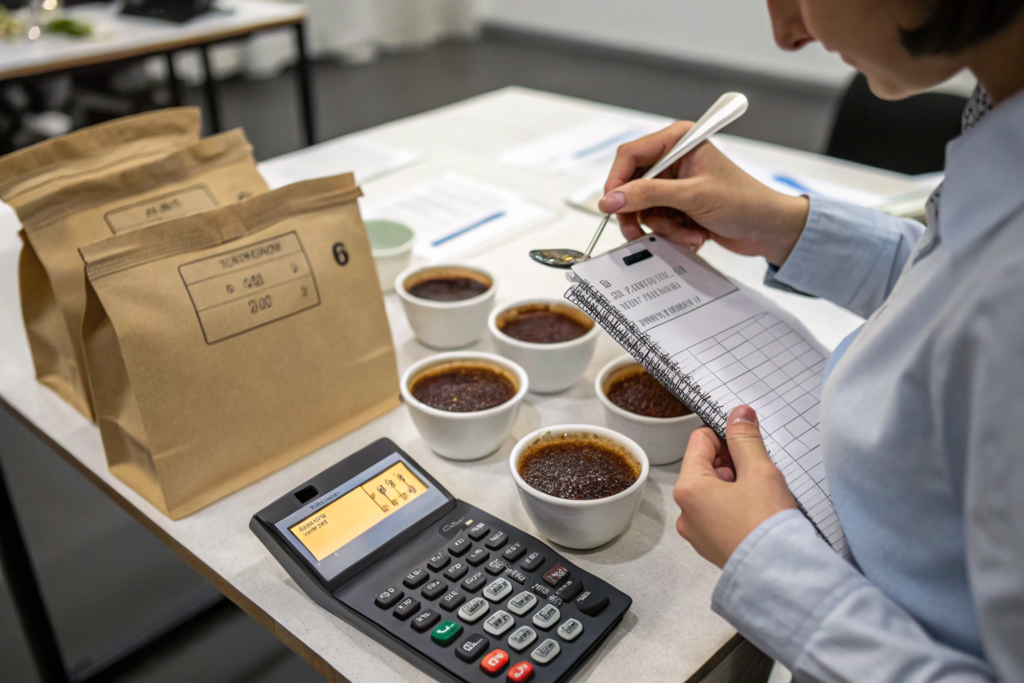
Reserve Grade coffee should be traceable to a specific plot, not just a farm or a region. The plot is where the magic happens. The specific combination of soil, altitude, shade, and microclimate in that plot produced the exceptional cup. The buyer has a right to know where the coffee came from.
Plot-level traceability means the lot code on the bag corresponds to a defined area of land with documented characteristics. The buyer can see the GPS coordinates of the plot. The altitude. The varietal. The planting date. The harvest date. The agronomic practices. The plot is a known, documented, consistent source of quality.
This traceability serves both marketing and quality functions. For marketing, the plot-level story is compelling. The roaster can tell their customers, "This coffee came from Plot A-14 on the BeanofCoffee farm in Baoshan, at 1,620 meters, from trees planted in 2012." That specificity builds trust and justifies the premium price.
For quality, plot-level traceability allows the buyer to track consistency over time. The buyer can cup this year's Reserve Grade lot against last year's lot from the same plot. If the quality shifts, the buyer and the supplier can investigate why—was the weather different? Was the fermentation adjusted? The data enables continuous improvement and honest communication.
At Shanghai Fumao, every Reserve Grade lot includes full plot traceability. The lot card shows the GPS coordinates, the plot map, the harvest dates, the processing data, and the cupping scores. The buyer knows exactly what they are buying and where it came from.
What Processing Methods Are Most Common for Reserve Lots?
Reserve Grade lots span the full range of processing methods, but certain methods are more common at the Reserve level because they amplify the unique characteristics that justify the premium.
Washed processing is common for Reserve lots where the exceptional quality comes from the varietal and the terroir. A washed Reserve lot from a special plot of SL28 or Geisha lets the genetics and the soil speak without processing interference. The cup is clean, transparent, and focused. The acidity is bright and clear. The flavor notes are precise.
Natural processing is common for Reserve lots where the fruit character is the star. A carefully processed natural Reserve lot, with perfect cherry selection and slow drying, can produce an explosive fruit bomb that scores 87 or 88 points. The risk of defects in natural processing is higher, which makes a clean, high-scoring natural even more impressive and worthy of Reserve designation.
Anaerobic fermentation and carbonic maceration are increasingly common for Reserve lots. These processing methods, when executed perfectly, produce flavor profiles that are unattainable through washed or natural processing alone. The intense tropical fruit, the winey complexity, the creamy body—these are the characteristics that push a coffee from 85 points to 88 points. The processing is more expensive and riskier, but the reward is a truly exceptional cup.
The processing method is always documented for Reserve Grade lots. The buyer knows whether the coffee was washed, natural, honey, anaerobic, or carbonic macerated. The fermentation time, temperature, and pH are recorded. The drying curve is logged. The processing is part of the story and part of the quality verification.
How Do You Verify That a Reserve Lot Justifies the Premium Price?
A Reserve Grade designation is a promise. The buyer's job is to verify that the promise is kept. The premium price—typically 30 to 100 percent above standard specialty pricing for the same origin—must be justified by a measurably superior cup, a compelling story, or both.
The first verification is the cupping. The buyer should cup the Reserve Grade sample against a standard specialty sample from the same origin. The difference should be clear. The Reserve lot should have more intensity, more complexity, more clarity, and a longer finish. If the two samples cup similarly, the Reserve designation is not justified. The premium is not warranted.
The second verification is the physical inspection. The buyer should examine the green coffee for defects, uniformity, and color. A Reserve Grade lot should be visibly cleaner and more uniform than a standard lot. The defect count should be near zero. The screen size should be tight. The color should be consistent. If the physical quality does not match the sensory quality, the lot may have been misgraded.
Buyers should verify Reserve Grade claims by cupping the lot blind against standard offerings from the same origin to confirm superior sensory quality, inspecting the green coffee for near-zero physical defects, and requesting the full documentation package—cupping scores, plot traceability, processing data, and harvest details—that supports the premium pricing.
The third verification is the documentation. The supplier should provide the cupping scores, the cupping notes, the plot information, the harvest date, the processing details, and the moisture and water activity readings. A legitimate Reserve Grade lot has a paper trail. A lot with no documentation, offered as Reserve Grade based on the supplier's word alone, is a risk.
I provide all of this documentation with every Reserve Grade lot. The buyer receives a lot card with all the relevant data. The pre-shipment sample is pulled from the exact bags that will ship. The buyer cups the sample, verifies the quality, and approves the shipment. There are no surprises.

What Questions Should You Ask About a "Reserve" Designation?
When a supplier offers a Reserve Grade lot, the buyer should ask specific questions to understand what the term means and whether the premium is justified.
First: "What cupping score did this lot achieve, and who cupped it?" The answer should be a specific number from a calibrated Q-grader. "86.5 points, cupped by our head Q-grader" is a real answer. "It is very good" is not.
Second: "How does the physical defect count compare to your standard specialty lots?" The answer should reference a specific defect count and sorting protocol. "Zero primary defects, hand-sorted on conveyor" is what you want to hear.
Third: "What makes this lot different from your standard washed Catimor?" The supplier should be able to articulate the specific differentiating factor—the plot, the processing, the varietal, the harvest selection. "This lot is from a 1,650-meter plot of older Typica trees, selectively harvested, and processed with a 72-hour anaerobic fermentation" is a real differentiating story.
Fourth: "Is this lot traceable to a specific plot and harvest date?" The answer should be yes, with documentation available.
Fifth: "What volume of this Reserve lot is available, and is it offered to other buyers?" Reserve lots are typically small—50 to 200 kilograms. The supplier should be transparent about the volume and whether the lot is exclusive or shared. Exclusivity commands a higher premium.
If the supplier answers these questions clearly and provides documentation to support the answers, the Reserve designation is likely legitimate. If the answers are vague or defensive, the buyer should be cautious.
How Does Reserve Grade Compare to Competition or Micro-Lot Designations?
The terminology in specialty coffee is not standardized across suppliers. One supplier's Reserve Grade might be another supplier's Micro-Lot, and a third supplier's Competition Grade. The buyer must understand the supplier's specific definitions.
Generally, the hierarchy looks something like this. Standard Specialty: 80 to 84 points, from a farm or region, standard processing. Premium or Select: 84 to 86 points, from a specific farm, more careful processing. Reserve or Micro-Lot: 86 to 88 points, from a specific plot, exceptional processing, very small volume. Competition or Presidential: 88 points and above, the absolute best lots from a producer, often processed specifically for competition, extremely limited volume.
Some suppliers use "Micro-Lot" to refer to any small, separate lot, regardless of quality. A 50-kilogram lot of 82-point coffee could technically be called a micro-lot. Reserve Grade should imply quality above the supplier's standard offerings, not just small volume.
I use "Reserve Grade" to mean 86 points or above, from a specific plot, with exceptional processing and physical quality. Our micro-lots that do not reach 86 points are sold as "Specialty Micro-Lots" or "Experimental Lots," not Reserve Grade. The distinction matters. The buyer should always ask the supplier to define their terms.
For more on specialty coffee grading and terminology, the Green Coffee Association provides standard contract terms and grading definitions used in the international green coffee trade.
How Should You Market a Reserve Grade Coffee to Your Customers?
Selling a Reserve Grade coffee at retail requires a different approach than selling a standard single origin. The higher price demands a more compelling story, more detailed information, and a more premium presentation.
The packaging should signal exclusivity. A small, elegant bag. A limited edition numbering—"Lot 42 of 200." A card attached with the plot information, the farmer's name, the cupping score, and the flavor notes. The customer should feel they are buying something rare and special, not just another bag of coffee off the shelf.
The story should be specific and personal. Not "this is good coffee from China." But "this coffee was grown by a specific family on Plot A-14 in Baoshan, at 1,620 meters. The trees are 15 years old. The coffee was fermented for 72 hours and dried slowly on raised beds. Only 120 kilograms were produced. It tastes like mango, passionfruit, and dark chocolate." The specificity is what makes the story believable and the premium justified.
Marketing Reserve Grade coffee effectively means providing proof of the exceptional quality—the cupping score, the plot traceability, the producer's story—in a format that makes the customer feel they are participating in a rare, curated experience rather than just buying an expensive bag of beans.
The brewing recommendation should be specific. Reserve Grade coffee deserves to be brewed with care. Include a recommended recipe on the bag—a V60 recipe, a water temperature, a grind size suggestion. The customer who buys a Reserve Grade lot wants to do it justice. Help them succeed. A customer who brews a Reserve Grade coffee perfectly and tastes the magic will become a loyal buyer of future Reserve releases.
Limited availability is part of the marketing. Reserve Grade lots are genuinely scarce. Communicate the scarcity honestly. "Only 200 bags available." When the lot is sold out, it is gone. The scarcity creates urgency without manipulation. The customer who misses out learns to act faster next time. The limited release builds anticipation for the next Reserve offering.

How Do You Tell the Producer's Story Without Overwhelming the Customer?
The story is important, but the customer's primary interest is the coffee in their cup. The story should enhance the drinking experience, not replace it. The key is to layer the information so the customer can engage at their preferred depth.
The front of the bag should be simple and sensory. The coffee name, the flavor notes, the Reserve designation. The customer can buy the coffee based on the front of the bag alone. They do not need to read anything else.
The back of the bag should provide the story in a short, readable paragraph. Four or five sentences. Where the coffee came from. Who grew it. What makes it special. The curious customer reads the back of the bag while their coffee brews.
For the customer who wants to go deeper, a QR code on the bag links to a dedicated page on the roaster's website. The page includes the full lot card—the GPS coordinates, the plot map, the farmer interview, the processing details, the cupping scores. The data is there for the coffee geek who wants it. The casual drinker never needs to see it.
This layered approach ensures that every customer gets the information they want at the depth they prefer. The story enriches the experience for those who want it. The flavor sells the coffee for those who do not. For more on consumer engagement with origin stories, the National Coffee Association publishes data on what information specialty coffee consumers value most.
What Price Point Can a Reserve Grade Coffee Support at Retail?
Reserve Grade coffee commands a premium at retail because the green cost is higher, the volumes are smaller, and the perceived value is greater. The market has established clear price bands for different quality tiers.
Standard specialty single origin retails for $16 to $22 per 12-ounce bag, depending on the origin and the roaster's brand positioning. Premium single origin and micro-lots retail for $20 to $28. Reserve Grade and competition lots retail for $26 to $40. Some exceptional lots—Geisha, auction winners—can retail for $50 or more.
The roaster's margin on Reserve Grade should be healthy. The higher retail price compensates for the higher green cost and the smaller volume. A Reserve Grade lot that costs $8.00 per pound green, lands at $10.00 per pound, and retails at $32 per 12-ounce bag delivers a gross margin comparable to or better than a standard single origin.
The key is sell-through. Reserve Grade lots should be marketed as limited releases and sold quickly. A Reserve lot that sits on the shelf for three months loses its freshness, its cachet, and its margin. The roaster should plan to sell the entire lot within 30 to 60 days of release. The limited availability is part of the value proposition. The customer buys it when it is available because they know it will not be available for long.
Conclusion
Reserve Grade is a promise of exceptional quality. It should mean a cupping score of 86 points or above, near-zero physical defects, full traceability to a specific plot, and a unique or exceptional flavor profile that distinguishes the lot from standard specialty offerings. The designation should be supported by documentation—cupping scores, processing data, plot information—that the buyer can verify through independent cupping and inspection.
For roasters, Reserve Grade lots are an opportunity to offer their customers something truly special. A coffee that tells a story. A coffee that tastes unforgettable. A coffee that commands a premium price and builds brand prestige. But the roaster must verify the Reserve claims and market the coffee effectively. The story must be specific. The quality must be evident in the cup. The scarcity must be genuine.
If you are looking for a Reserve Grade lot to anchor your next limited release, contact Cathy Cai at BeanofCoffee. She manages our Reserve Grade allocation and can provide cupping scores, plot traceability, processing documentation, and pre-shipment samples. She can tell you the story of each lot—the plot, the farmer, the processing—so you can tell that story to your customers. Her email is cathy@beanofcoffee.com. She responds quickly and can help you select a lot that fits your flavor target and your budget.