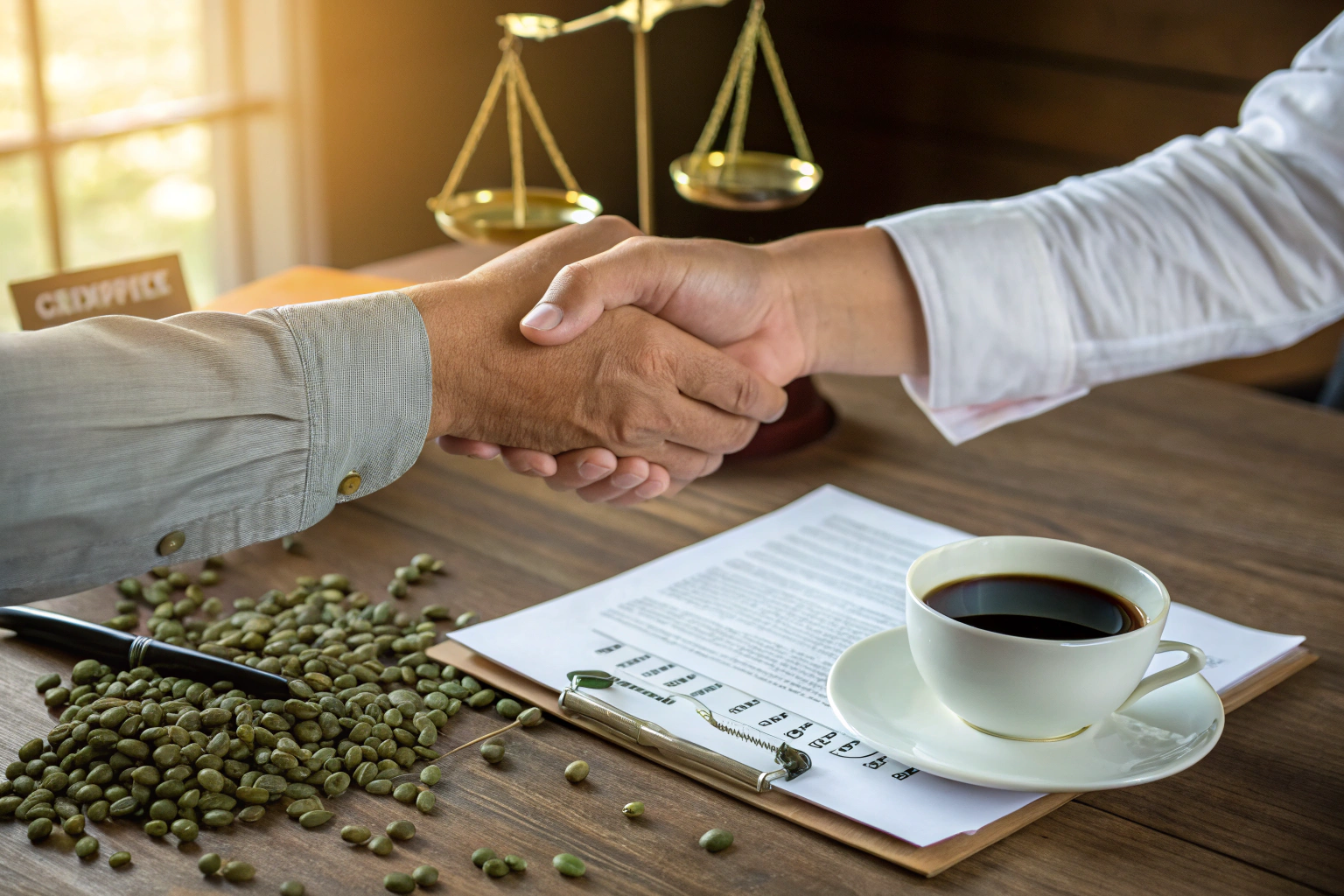
I remember the exact moment I understood what "safe" really means in this business. A buyer from London, a new client, sent me $15,000 as a deposit for a container of washed Arabica. It was his first order with us. He didn't sleep for three days after he sent the wire. He admitted it later, over a cup of coffee when he finally visited the farm. He said, "I lay in bed thinking, what if the website is fake? What if the coffee doesn't exist? What if I just threw away my company's money?" He was a smart, experienced buyer. But sending money across the ocean to a stranger requires a leap of faith. My job, I realized, is not just to grow and ship good coffee. It's to make that leap of faith feel less like a leap and more like a step onto solid ground.
A safe and trustworthy coffee supplier is defined by five verifiable pillars: financial transparency, operational consistency, third-party certification, open communication, and a proven track record with traceable references. Safety means your money will not disappear. Trustworthiness means the coffee in the container will match the coffee in the sample, on time, at the agreed price. These qualities are not established by a slick website or a persuasive sales pitch. They are demonstrated through concrete, verifiable evidence: an auditable financial history, a physical address you can visit, certifications from recognized bodies, a willingness to share bad news as well as good, and a list of past buyers who will vouch for them.
I've been on both sides of this relationship. I've been the buyer who got burned. I've been the supplier who had to earn trust from scratch. The coffee industry is built on relationships, but relationships need a foundation of proof. Let me break down what that proof looks like, piece by piece, so you can evaluate any supplier with clear eyes.
How Can You Verify a Supplier's Financial Stability?
A supplier's cupping score is irrelevant if they go bankrupt halfway through your order. Financial instability is a quality defect of its own. It causes missed shipments, cut corners, and desperate decisions. You need to know that the company you're wiring money to will still exist when your container is scheduled to sail.
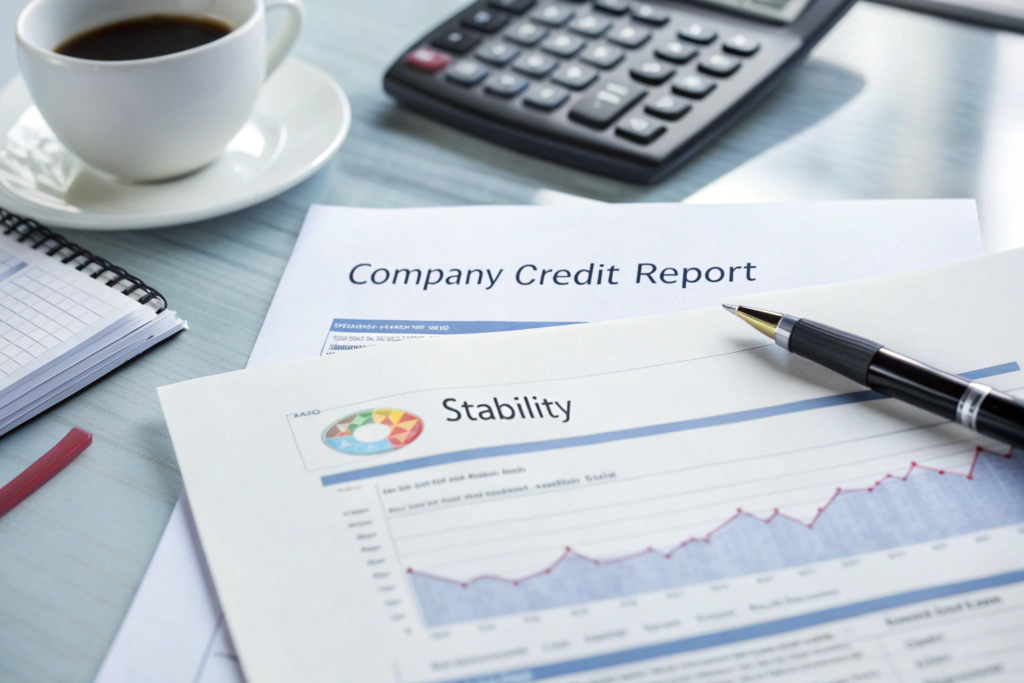
You verify a supplier's financial stability by requesting three specific documents: a bank reference letter from their trade finance bank, a company credit report from a recognized agency like Dun & Bradstreet or a local equivalent, and a certificate of company incorporation showing the date the business was legally established. You also look for behavioral signs: a supplier who demands 100% upfront payment from a new buyer is often cash-strapped. A supplier who can comfortably offer 30/70 T/T terms is demonstrating liquidity. A long-established company with real assets—land, a mill, a warehouse—is more stable than a one-year-old trading company with a laptop and a rented desk.
What Is a Bank Reference Letter?
A bank reference letter is a short, formal document from the supplier's bank. It doesn't disclose account balances. But it confirms that the company has been a customer of the bank for a certain number of years and that the banking relationship is in good standing.
It's a simple document, but it's powerful. A bank doesn't write reference letters for shell companies or fraudsters. The due diligence to open a corporate bank account in China is significant. The government verifies the company's registration, its tax status, and its legal representative.
If a supplier refuses to provide a bank reference letter, that's a red flag. Maybe they're legitimate but disorganized. Maybe they're hiding something. Either way, it's a risk. A trustworthy supplier will provide one without hesitation. We've had the same banking relationship for over a decade, and our bank reference letter is part of our standard new-client package.
How Do You Spot a "Trading Company" Versus a Real Producer?
This is a critical distinction. A trading company buys coffee from farmers or mills and resells it. They don't grow anything. They don't process anything. They add cost without adding value. Some are excellent and honest. Many are not.
A real producer owns land, or has long-term lease agreements, and operates a processing facility. Their business is physically rooted. You can visit it. You can see the trees.
You can ask direct questions: "Do you own the land where the coffee is grown? Can you provide the GPS coordinates? Do you have a physical processing mill, or do you outsource milling?" A trader will deflect. A producer will answer with specifics. On our website, we show our farm, our mill, and our location. It's not a secret. It's our identity.
What Certifications Prove a Supplier Is Reliable?
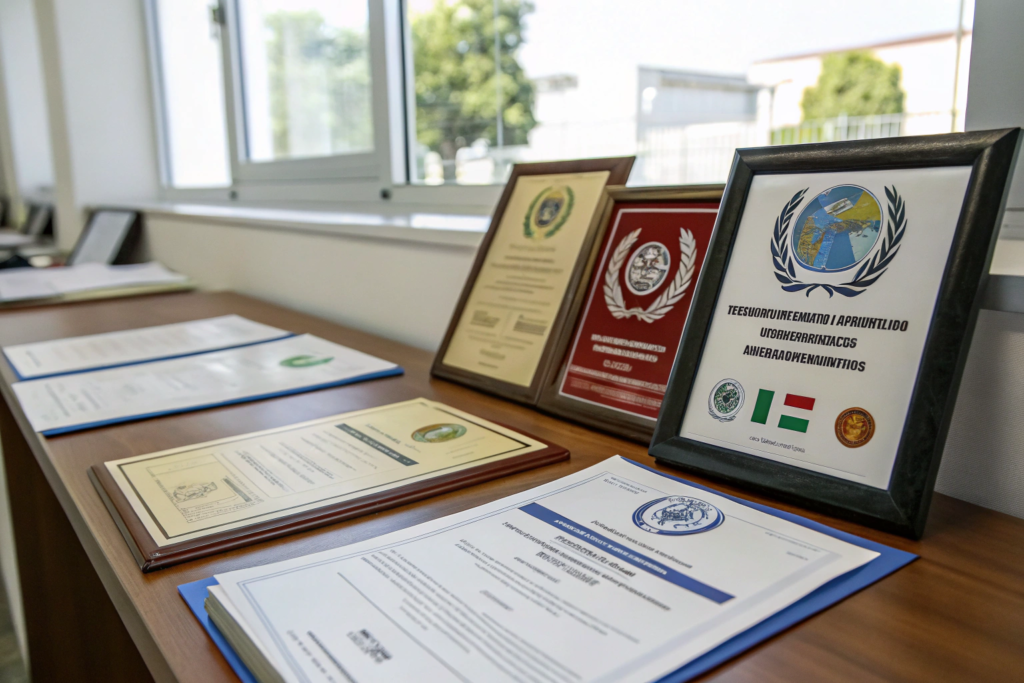
Certifications are not decorations. They are third-party verifications that a specific standard has been met. They are not a guarantee of perfection, but they are a powerful filter. A supplier who has invested the time, money, and effort to achieve and maintain international certifications is signaling a commitment to accountability.
The most meaningful certifications for coffee supplier reliability are: Rainforest Alliance or Fair Trade for social and environmental practices, USDA Organic or EU Organic for chemical-free farming, ISO 22000 or HACCP for food safety in the dry mill, and a recognized Quality Management System like ISO 9001. Additionally, an FDA food facility registration is mandatory for any supplier shipping to the US. These certifications require annual audits by independent bodies. A supplier who submits to these audits is fundamentally more transparent than one who does not.
What Does an Organic Certificate Actually Verify?
An organic certificate verifies that the coffee was grown and processed without synthetic pesticides, herbicides, or fertilizers. It also requires a complete chain-of-custody audit, meaning every entity that touched the coffee, from the farm to the exporter, is certified.
The certificate is issued by an accredited third party, like Ecocert or the China Organic Food Certification Center. The certificate has a validity period. It has a specific scope covering specific products and specific farm areas. A supplier who claims to be organic but can't produce a valid, in-scope certificate is lying.
You can verify the certificate online. The EU Organic Farming database and various certifier databases allow you to look up a company's organic status. It takes 30 seconds.
Why Is an FDA Registration Non-Negotiable for US Buyers?
If you're importing coffee into the United States, the FDA requires that the foreign manufacturing facility—the dry mill where the green coffee is processed and bagged—is registered with the FDA.
This registration means the facility has been identified, its location is known, and it is subject to FDA inspection. It's a basic food safety requirement. It's not optional.
An exporter who hasn't registered their facility with the FDA cannot legally ship food products into the US. Ask for the FDA registration number. It should be an 11-digit number. You can verify it through the FDA's facility registration database. A supplier who doesn't have one is either unaware of US import regulations or doesn't export to the US in any significant volume.
How Can You Test a Supplier's Communication and Transparency?
You can learn more about a supplier in a 15-minute conversation than in a month of emails. The way a supplier communicates reveals their character. Do they answer the question you asked, or do they dodge it? Do they share bad news proactively, or do they hide it until it's too late?
You test a supplier's communication and transparency by observing how they handle difficult questions. Ask them about a problem: "What was your biggest quality failure last year, and how did you fix it?" A trustworthy supplier will answer honestly, describing a specific incident and the corrective action taken. A supplier with something to hide will say, "We never have problems," which is a lie. Also, test their responsiveness. Do they reply within 24 hours? Are their answers specific, with data and photos, or are they vague marketing language?
What Questions Reveal a Supplier's True Character?
I have a list of questions I wish every buyer would ask me. These questions cut through the sales pitch and get to the reality.
"Can you send me a photo of the actual coffee you're offering, with today's newspaper and your company name handwritten on a piece of paper next to it?" This proves the coffee exists and the supplier has physical access to it.
"Who is your logistics coordinator? Can I speak to them directly?" A company where the salesperson also handles logistics is small, possibly a one-person operation. That's not necessarily bad, but it's important to know.
"What happens if I reject the pre-shipment sample?" A good supplier has a clear, written policy. Maybe the coffee is re-sorted, or a replacement lot is offered, or the contract is cancelled and the deposit refunded. A bad supplier will hem and haw.
Why Is a Supplier's Willingness to Do a Video Call Important?
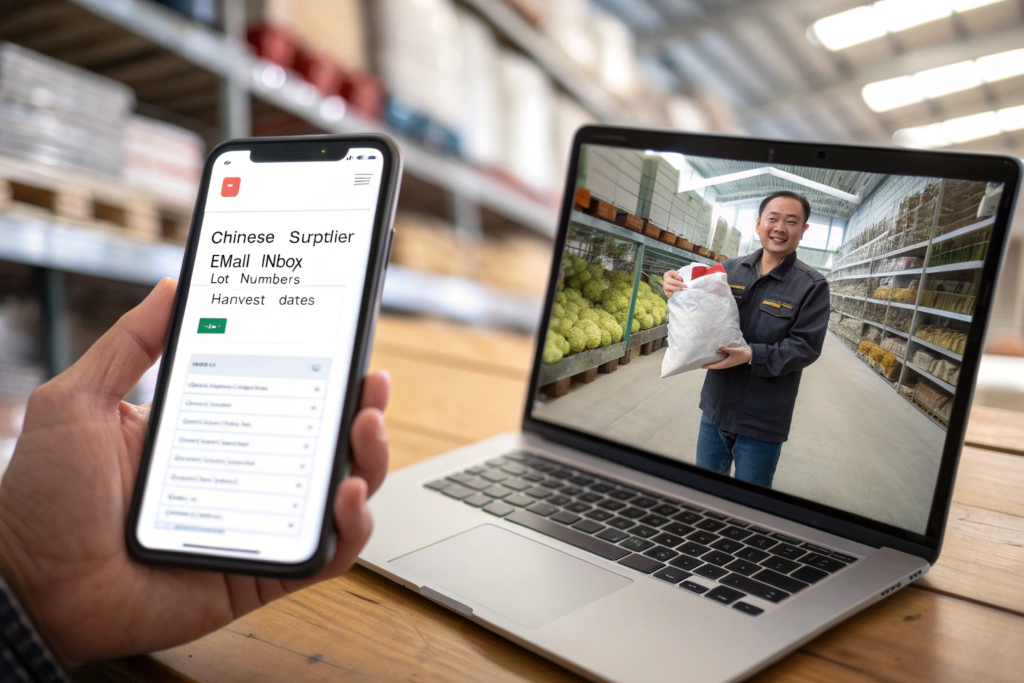
A video call is the closest thing to a physical visit. It's hard to fake reality on a live video call. You can see the warehouse. You can see the bags. You can see the drying beds.
I encourage every potential buyer to schedule a video call. I walk them around. I show them the current harvest. I introduce them to the cupping team. I show them the defects we sorted out that morning.
A supplier who refuses a video call is hiding something. Maybe they're a trader with no physical facility. Maybe the coffee doesn't belong to them. Maybe the quality is not what they claim. Whatever the reason, a refusal is a dealbreaker. There is no substitute for seeing the operation with your own eyes, even through a screen. The Specialty Coffee Transaction Guide emphasizes the importance of direct relationships built on this kind of open communication.
Why Are References and Track Records Still the Gold Standard?
In a world of digital data and blockchain traceability, the oldest form of verification remains one of the most powerful. A reference. A real person who has done business with the supplier and is willing to talk about it. A track record that can be checked through shipping databases and import records.
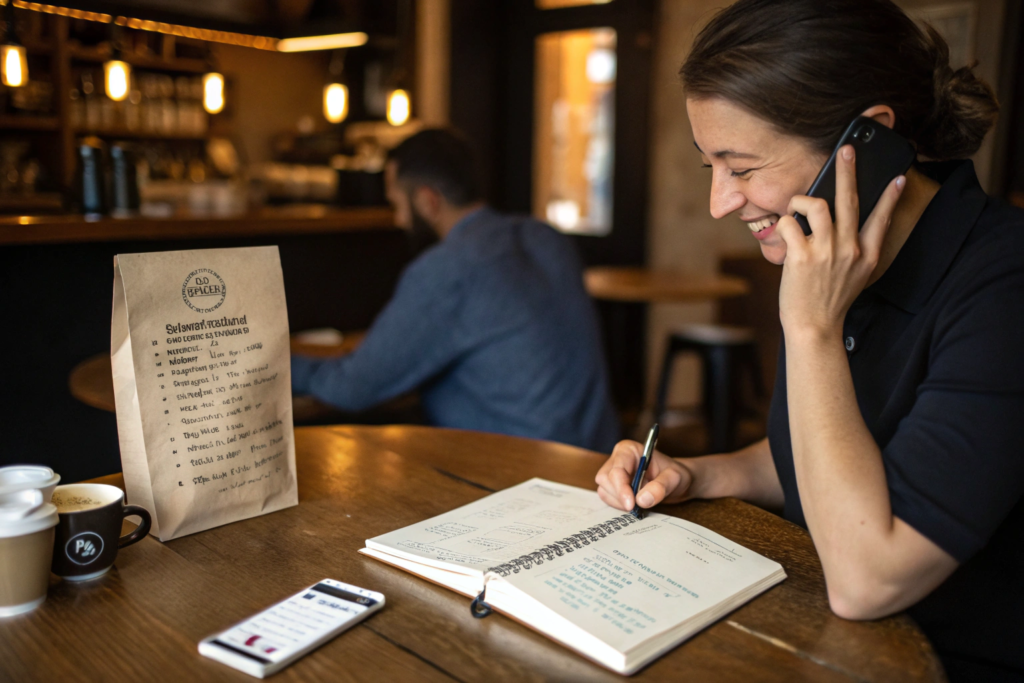
References and track records are the gold standard because they represent verified, lived experience with the supplier over time. A supplier can fake a certificate for a few months. They can't fake a 10-year relationship with a known US importer. Ask for three references. Specifically, ask for references from buyers in your country, importing a similar volume, over at least a two-year period. A trustworthy supplier will provide these readily. Then, call the references. Don't just email. Call them. Ask the hard questions. Was the coffee on spec? Was the shipment on time? Were there any hidden charges? Would you buy again?
How Do You Use Import Records for Verification?
Public customs data is a treasure trove. In the US, platforms like ImportYeti and Panjiva aggregate the bill of lading data filed with Customs and Border Protection.
You can search for a supplier's name. You can see every shipment they've made to the US: the dates, the consignee names, the product descriptions, the weights, the container numbers. It's public information. It's free or very low cost.
If a supplier claims to export 50 containers a year to the US, but ImportYeti only shows three shipments, they're lying. It's that simple. A supplier with a deep, verifiable import history is a supplier who has passed the scrutiny of multiple customs agencies and multiple buyers.
What Should You Ask Past Buyers?
When you get a reference on the phone, don't just ask, "Were you happy?" Happy is too vague.
Ask specific questions. "What was the actual defect count on the last shipment versus the COA?" "Did the container arrive on the scheduled date?" "Was the moisture content on arrival the same as the pre-shipment report?" "Did they ever try to push a substitute lot on you?" "How did they handle a problem when one arose?"
A past buyer who can answer these questions with specifics is giving you gold. They're giving you a window into what your own experience will be like. A past buyer who gives vague, positive answers but can't remember details might not have much of a relationship with the supplier.
Conclusion
Safety and trustworthiness are not qualities you can taste in a cupping bowl. They are qualities that exist in the structure of a business. In its financial records, its certifications, its communication habits, and its long-term relationships. A supplier is not safe because they say they are. They are safe because they can prove it, through documents you can verify, through references you can call, and through a physical operation you can visit or tour by video.
The coffee industry has its share of ghosts and shadows. But it also has real, rooted, accountable producers who have built their businesses on a foundation of transparency. Finding those producers is the key to a peaceful night's sleep after you send the deposit wire.
I've worked hard to build a company that is safe to buy from. Not perfect—no one is perfect. But accountable. We have the bank reference letter. We have the certifications. We welcome the video calls. We provide the references. We do this because we know that trust is not given. It's earned, order by order, season by season.
If you're evaluating us as a potential supplier, I invite you to test our trustworthiness. Ask us the hard questions. Request the documents. Speak to our references. Schedule a live video tour of our farm and mill.
To start that process, reach out to Cathy Cai. She can provide our bank reference letter, our FDA registration, our organic certification, and a list of references in your market.
Email: cathy@beanofcoffee.com. Test us. We're ready.