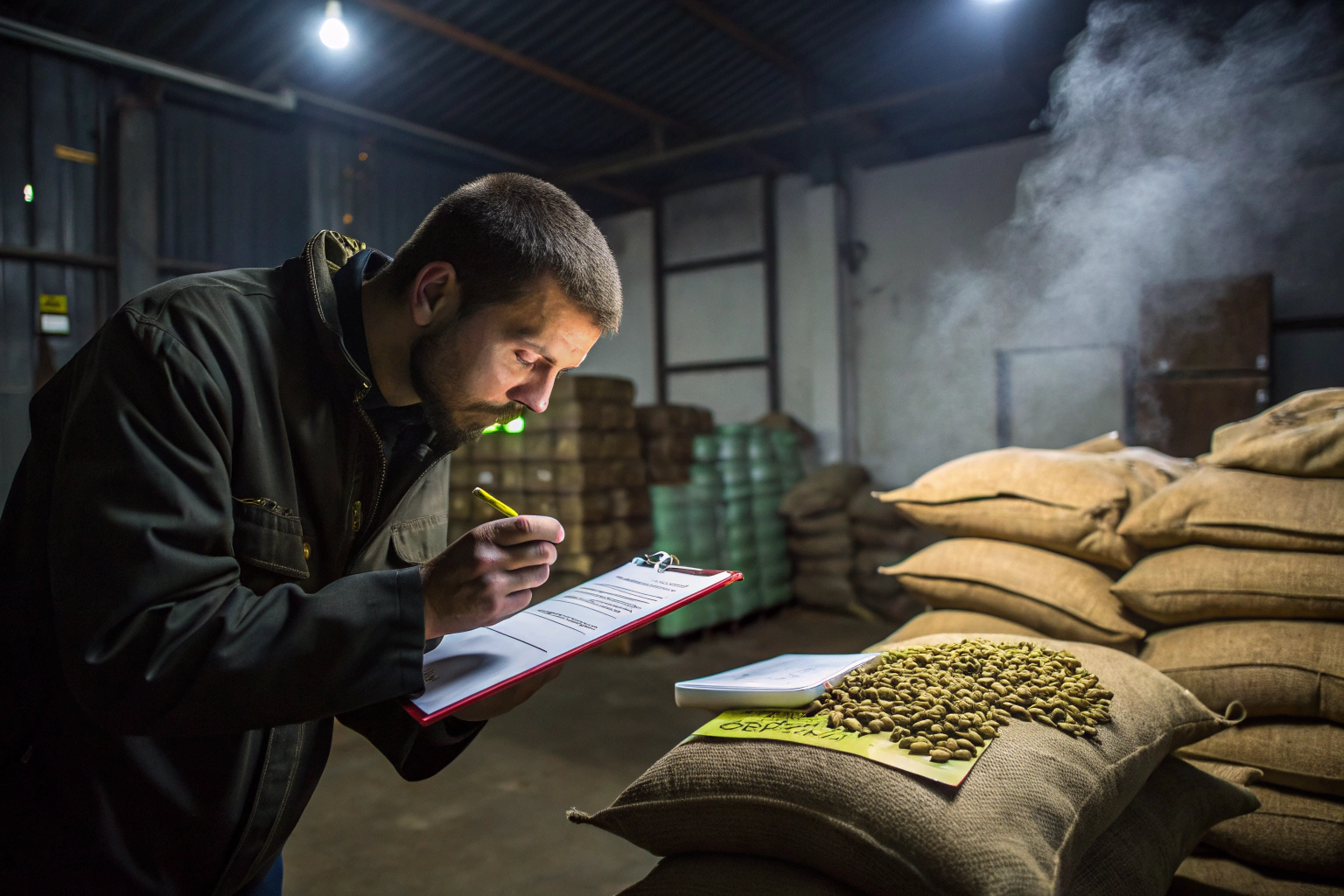
Last month, a small roaster in Texas called me in a panic. "I just opened a bag from a new supplier," he said. "It smells like a salad. Vinegar everywhere. I roasted a test batch anyway. The whole roastery stinks. Is this normal? What did I buy?"
I felt for him. I have been in that exact position. Early in my exporting career, a lot came back from a buyer with the same complaint. Vinegar aroma. Sour, harsh cup. I had missed the signs before shipment. I had to refund the order and absorb the loss. That lesson cost me thousands of dollars and a client relationship. It also taught me to never, ever ship coffee that even hints of acetic acid taint.
Green coffee beans smell like vinegar when uncontrolled acetic acid bacteria proliferate during over-fermentation or improper drying, producing high concentrations of acetic acid that penetrate the bean and create a sharp, sour aroma that cannot be roasted out and renders the lot defective and unrecoverable.
This is not a subtle defect. It is not a processing quirk. It is spoilage. And the good news is that it is detectable long before the coffee ever reaches your roaster. You can catch it at the green stage, reject the lot, and protect your quality and your reputation. Here is exactly what causes the vinegar smell, how to identify it, and how to build a rejection protocol that stops defective coffee at the door.
What Causes the Vinegar Smell in Green Coffee?
The vinegar smell in green coffee is acetic acid. Acetic acid is produced by acetic acid bacteria, primarily from the genera Acetobacter and Gluconobacter. These bacteria are everywhere—in the air, on the cherry skin, on the fermentation tank walls, on the drying beds. They are part of the natural microbial community of coffee processing. Under normal conditions, they are present in small numbers and do not cause problems.
The problem starts when the bacteria get the conditions they need to multiply explosively. Acetobacter bacteria are aerobic. They need oxygen. They consume ethanol and convert it into acetic acid. This is exactly the same biological process that turns wine into vinegar. In coffee, the ethanol comes from wild yeasts that ferment the sugars in the cherry mucilage. If oxygen is present and the temperature is warm, Acetobacter takes over. The pH drops. The acetic acid concentration spikes. The beans absorb the acid.
The vinegar smell originates from a biological chain reaction: wild yeasts ferment mucilage sugars into ethanol, then Acetobacter bacteria oxidize the ethanol into acetic acid, a process that accelerates in warm, oxygen-rich conditions during prolonged fermentation or slow, humid drying.
A small amount of acetic acid is normal in coffee. It contributes to perceived acidity in the cup. The threshold between "pleasant acidity" and "vinegar defect" is concentration. Below a certain level, acetic acid adds brightness. Above that level, it overwhelms the cup with a sharp, sour, vinegary flavor that no amount of roasting can remove. The defect is chemical, not microbial. Even if the bacteria are killed during roasting, the acid remains in the bean.
Why Does Over-Fermentation Produce Acetic Acid?
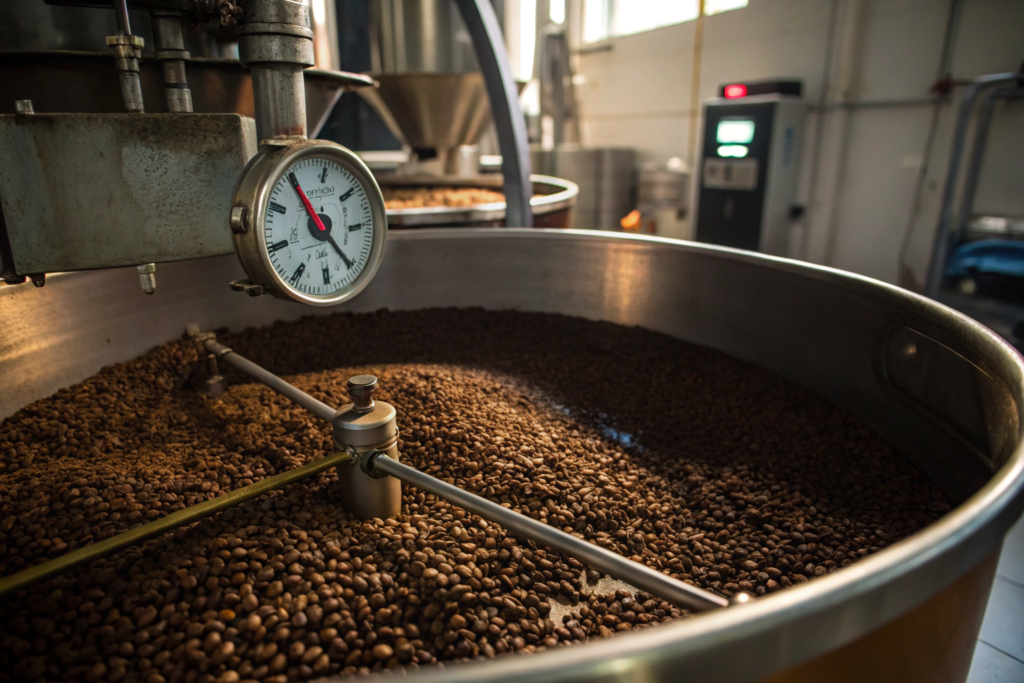
Over-fermentation simply means the fermentation process went on too long or at too high a temperature. The microbial community that should have been active for 18 to 24 hours was active for 48 hours or more. The yeasts produced ethanol. Then the Acetobacter, which thrives in the later stages of fermentation when oxygen becomes more available, converted that ethanol into acetic acid.
The temperature is a critical factor. Acetobacter bacteria are most active between 25 and 35 degrees Celsius. In a warm climate, a fermentation tank left unattended can reach these temperatures quickly. The warmer it gets, the faster the bacteria work. The faster the acetic acid accumulates.
The tank hygiene matters too. A fermentation tank that is not thoroughly cleaned between batches harbors a high population of Acetobacter from the previous batch. The inoculum is already present. The fermentation starts with a bacterial load that virtually guarantees over-production of acetic acid if the fermentation runs even slightly long.
I learned to manage this through strict fermentation protocols. Our washed lots ferment for a maximum of 24 hours at a controlled temperature of 20 to 22 degrees Celsius. The tanks are scrubbed and sanitized between every batch. The fermentation is stopped when the pH reaches a target range, not when the clock says so. Monitoring the pH is the most reliable way to prevent acetic acid buildup. For more on fermentation management, the Coffee Quality Institute provides training on processing protocols and defect prevention.
How Does Poor Drying Contribute to Vinegar Taint?
Fermentation does not end when the coffee leaves the tank. It continues during drying, especially if the drying is slow and humid. Residual moisture in the beans, combined with residual sugars from incomplete mucilage removal, provides a substrate for continued microbial activity.
If the drying beds are too thick, the beans at the bottom stay wet for too long. The warm, moist, oxygen-rich environment is perfect for Acetobacter. The bacteria continue to produce acetic acid even as the beans are supposedly drying. The result is a lot that smelled clean coming out of the fermentation tank but smells vinegary after a week on the drying beds.
Humidity during drying is another factor. In a humid climate, the drying rate is slow. The beans spend more time in the moisture range where bacteria are active. This is a particular problem in wet-hulled processing, where the beans are dried as naked beans without the protective parchment. The naked bean is directly exposed to environmental microorganisms.
At our Baoshan facility, the dry harvest season from November to February is a blessing. The humidity is low. The sun is consistent. The beans dry quickly and evenly. The risk of post-fermentation acetic acid development is minimal. In origins with humid harvest seasons, the drying phase is the highest-risk stage for vinegar taint. For more on drying best practices, World Coffee Research has published guides on optimal drying protocols to minimize microbial defects.
How to Identify Vinegar Taint Before Roasting?
The vinegar smell is one of the easiest coffee defects to detect. You do not need a cupping lab. You do not need to roast a sample. You just need your nose and a few minutes.
The first step is the dry fragrance test. Open the sample bag. Put your nose close. Inhale deeply. Fresh, healthy green coffee smells mild—grassy, hay-like, maybe a hint of green tea or fresh grain. It does not smell sharp. It does not smell sour. If the dry fragrance has even a hint of vinegar, the lot is suspect.
The second step is the crush test. Take a few green beans. Crush them between your fingers or with the flat side of a heavy spoon. Smell the crushed beans immediately. The crushing releases volatile compounds trapped inside the bean. If the beans are vinegar-tainted, the acetic acid aroma will be much stronger in the crushed beans than in the whole beans. This is a more sensitive test than the dry fragrance alone.
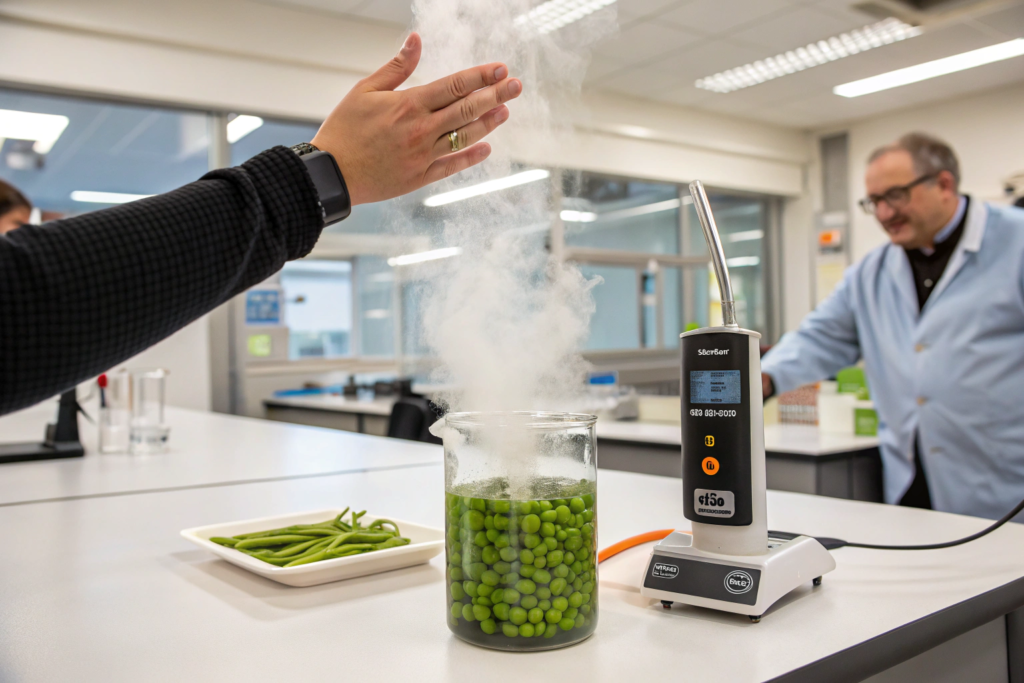
The most reliable pre-roast test for vinegar taint is the hot water soak: pour near-boiling water over a sample of green beans, steep for five minutes, and smell the steam—the heat volatilizes trapped acetic acid and releases an unmistakable, sharp vinegar aroma that confirms the defect without any roasting equipment.
The third step, and the most definitive, is the hot water soak test. Place 50 grams of green coffee in a clean glass or ceramic vessel. Pour 200 milliliters of water just off the boil—around 95 degrees Celsius—over the beans. Cover the vessel. Wait five minutes. Remove the cover. Smell immediately. The hot water extracts water-soluble compounds from the bean, including acetic acid. The heat volatilizes the acid. The steam carries it to your nose. If the coffee is vinegar-tainted, the smell is unmistakable. It smells like hot vinegar. There is no ambiguity.
What Is the Difference Between Vinegar Taint and Pleasant Acidity?
This is a critical distinction that new cuppers often struggle with. Acidity in coffee is desirable. Vinegar taint is not. But both register as "sour" to an untrained palate.
Pleasant acidity—citric, malic, phosphoric—is balanced by sweetness and body. It tastes bright, crisp, and refreshing. It reminds you of fruit. Lemon. Green apple. Tangerine. The sensation is clean and mouthwatering. It enhances the flavor. It makes the coffee taste more complex and alive.
Vinegar taint tastes sharp, harsh, and unbalanced. It reminds you of salad dressing or spoiled food. There is no sweetness to balance it. The sensation is unpleasant, almost burning. It makes your mouth pucker in a bad way. It overwhelms the flavor. It makes the coffee taste defective.
The hot water soak test helps separate the two. Pleasant acidity does not volatilize into a sharp, vinegary aroma in the steam. The aromatic compounds that produce pleasant acidity are different from acetic acid. If the green bean soak smells clean—grassy, maybe slightly sweet—the acidity in the roasted cup is likely pleasant. If the soak smells like vinegar, the acidity in the cup will be acetic and defective.
You can also cup the roasted coffee to confirm. Brew the coffee. Let it cool to room temperature. Vinegar taint becomes more pronounced as the coffee cools. A coffee with pleasant acidity still tastes balanced at room temperature. A coffee with vinegar taint tastes increasingly sour and unpleasant. This cooling test is a standard part of my cupping protocol for any lot that raised a concern during green inspection.
Can You Smell Vinegar Taint in a Roasted Sample?
Yes, but the aroma changes. Roasting drives off some of the volatile acetic acid. The roasted coffee may not smell as sharply vinegary as the green coffee. But the defect is still detectable.
A roasted coffee with vinegar taint often smells sour and slightly fermented. It may have a winey, overripe fruit aroma that seems pleasant at first but becomes cloying. The sourness is more apparent in the brewed cup than in the dry grounds. The flavor is sharp, thin, and unpleasant.
The problem with relying on roasted samples to detect vinegar taint is that roasting partially masks the defect. A lot that smelled strongly of vinegar as green coffee may smell only mildly sour after roasting. An inexperienced cupper might miss it. The roaster ships the coffee. The customer brews it and tastes the defect. The complaint comes back weeks later.
This is why I emphasize green coffee inspection. The green bean tells the unvarnished truth. The hot water soak test is more sensitive to acetic acid than any roasted cupping protocol. If the green coffee smells clean, the roasted coffee will cup clean. If the green coffee smells like vinegar, do not even bother roasting. Reject it. For more on sensory defect identification, the Specialty Coffee Association provides cupping protocols and sensory lexicons that include defect references.
How to Build a Rejection Protocol for Defective Lots?
Rejecting a coffee lot is a business decision. It should be based on objective criteria, documented clearly, and communicated professionally. Emotion has no place in the process. Neither does guilt. You are not rejecting a person. You are rejecting a product that does not meet the agreed specification.
The foundation of a rejection protocol is the quality agreement in the purchase contract. The contract should specify the acceptable moisture range, the acceptable defect count, and the sensory standards. It should also specify the remedy—price discount, replacement, or refund. If the contract is vague, the rejection process becomes a negotiation rather than an enforcement of agreed terms.
The rejection itself should be based on documented evidence. Take photos of the green beans. Record the moisture reading. Run the hot water soak test and describe the aroma. Cup the coffee and record the scores and defect notes. Send all of this to the supplier in writing, along with a clear statement of what you are rejecting and why.
A professional rejection protocol is based on a pre-agreed quality clause in the contract, supported by documented evidence including visual inspection photos, moisture readings, hot water soak test results, and cupping scores, and communicated promptly to the supplier with a clear request for remedy—discount, replacement, or refund.
Timeliness is critical. Most contracts specify a window for quality claims—typically 14 to 30 days after arrival. If you wait too long, the claim may be invalid. Inspect every arrival immediately. Cup it within the first week. Report any issues promptly. The faster you identify and communicate a problem, the easier it is to resolve.

What Documentation Should Accompany a Rejection?
The more evidence you provide, the harder it is for the supplier to dispute the rejection. Here is what I recommend including in a rejection claim:
First, a written summary of the defect. "The green coffee lot number XYZ exhibits a pronounced vinegar aroma in both the dry fragrance and the hot water soak test, indicating acetic acid taint from over-fermentation."
Second, photos of the green beans. Good lighting. Close-up shots showing the color and condition of the beans. If the beans show visual signs of over-fermentation—reddish-brown tint, mottled color, darkened center cuts—capture those.
Third, the moisture and water activity readings. High moisture or water activity supports the case that the coffee was improperly dried, which correlates with vinegar taint.
Fourth, the hot water soak test results. Describe the aroma in objective terms. "The steam from the hot water soak test has a sharp, pungent vinegar aroma." If possible, have a second person verify and sign off.
Fifth, the cupping scores and notes. Use a standard cupping form. Score the coffee honestly. Note the vinegar defect in the flavor and aftertaste sections. If the cupping score falls below the contracted minimum, reference that.
Sixth, a clear statement of the requested remedy. "Based on the above, we are rejecting this lot and requesting a full refund under section 4.2 of our quality agreement." Or "We are requesting a 15 percent price discount under the defect adjustment clause." Be specific.
Send all of this by email to the supplier. Keep a copy for your records. Follow up if you do not receive a response within a reasonable timeframe. For templates and guidance on quality claims, the Green Coffee Association provides standard green coffee contracts with quality clauses that many importers and exporters use.
How to Maintain a Strong Supplier Relationship After a Rejection?
A rejection does not have to end a supplier relationship. Handled professionally, it can strengthen it. It demonstrates that you take quality seriously. It sets a clear standard for future shipments. A good supplier will respect that.
First, communicate the rejection respectfully. Do not accuse. Do not blame. Describe the defect objectively. Reference the contract. Frame it as a quality issue to be resolved together, not as a personal failure.
Second, acknowledge that defects happen. Coffee is an agricultural product. Processing conditions vary. Even the best producers occasionally have a batch go wrong. The measure of a supplier is not whether they ever produce a defective lot. It is how they handle it when it happens.
Third, offer a path forward. "We value our relationship and want to continue working together. We are rejecting this lot, but we look forward to receiving a replacement from a different lot or a future harvest." This signals that the rejection is about the specific lot, not about the supplier as a whole.
I have had buyers reject lots from me. It stings. But the buyers who handled it professionally—with clear documentation, respectful communication, and a constructive tone—are buyers I still work with. The buyers who screamed at me on the phone and made threats? I stopped selling to them. The rejection protocol protects both sides, but the relationship is maintained by mutual respect.
The Shanghai Fumao team stands behind every lot we ship. If a buyer receives a lot that does not meet the contracted specifications, we work to resolve it quickly and fairly. Cathy handles quality claims with professionalism and speed.
Conclusion
A vinegar smell in green coffee is a clear signal of acetic acid taint caused by over-fermentation or poor drying. It is a defect, not a style choice. It cannot be roasted out. It will ruin the cup and damage your reputation if you let it through.
The good news is that vinegar taint is easy to detect before roasting. The dry fragrance test, the crush test, and especially the hot water soak test will all reveal the problem in minutes. You do not need expensive equipment. You just need your nose and a protocol.
Build vinegar taint detection into your green coffee inspection workflow. Train your team to recognize the smell. Document every rejection with photos, moisture readings, and test results. Communicate rejections professionally and promptly. A clear, consistent rejection protocol protects your quality, saves you money, and signals to your suppliers that you are a serious buyer who will not accept defective coffee.
If you want to experience what properly processed, clean Yunnan coffee smells and tastes like—no vinegar, no ferment, just clean chocolate and nut notes—contact Cathy Cai at BeanofCoffee. She can send you samples of our washed Catimor along with our quality documentation. She can also provide reference samples of common defects for training purposes, so your team learns to identify problems before they become liabilities. Her email is cathy@beanofcoffee.com. She responds quickly and ships samples worldwide.